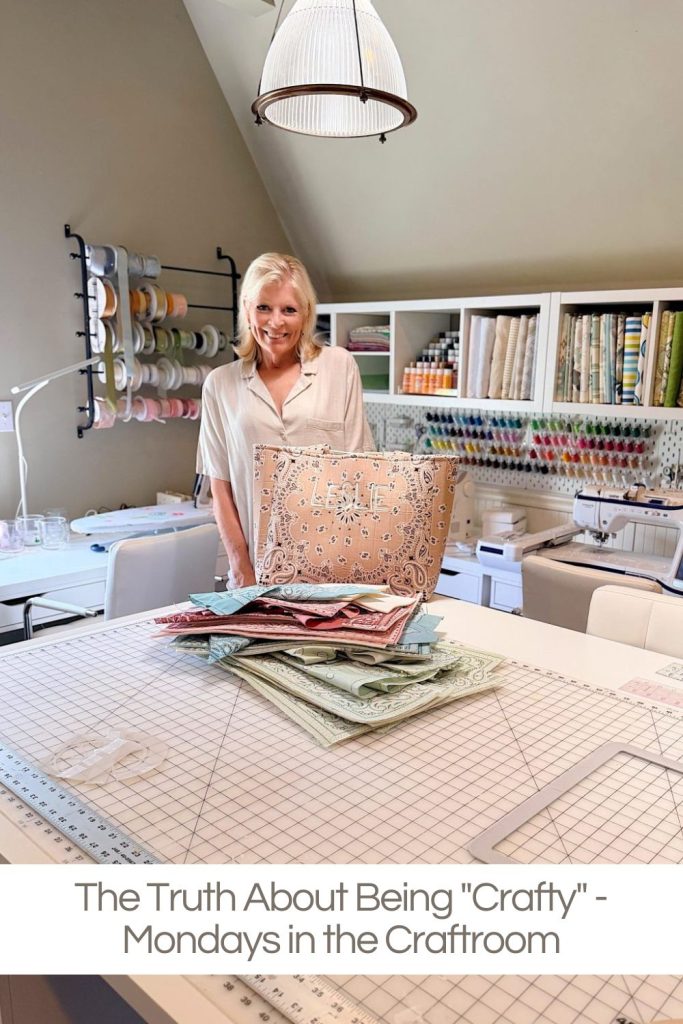
The Truth About Being “Crafty” – Mondays in the Craftroom
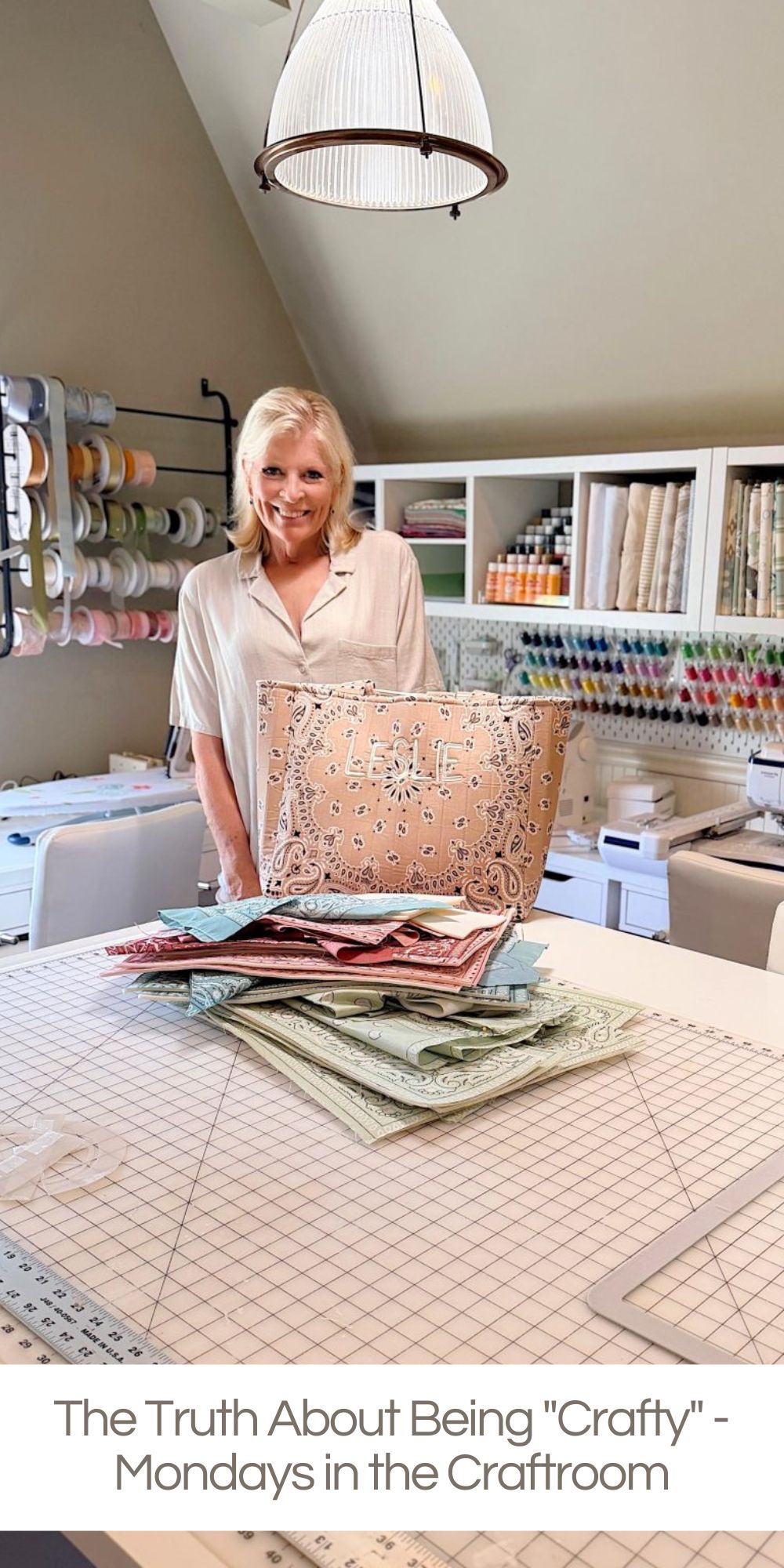
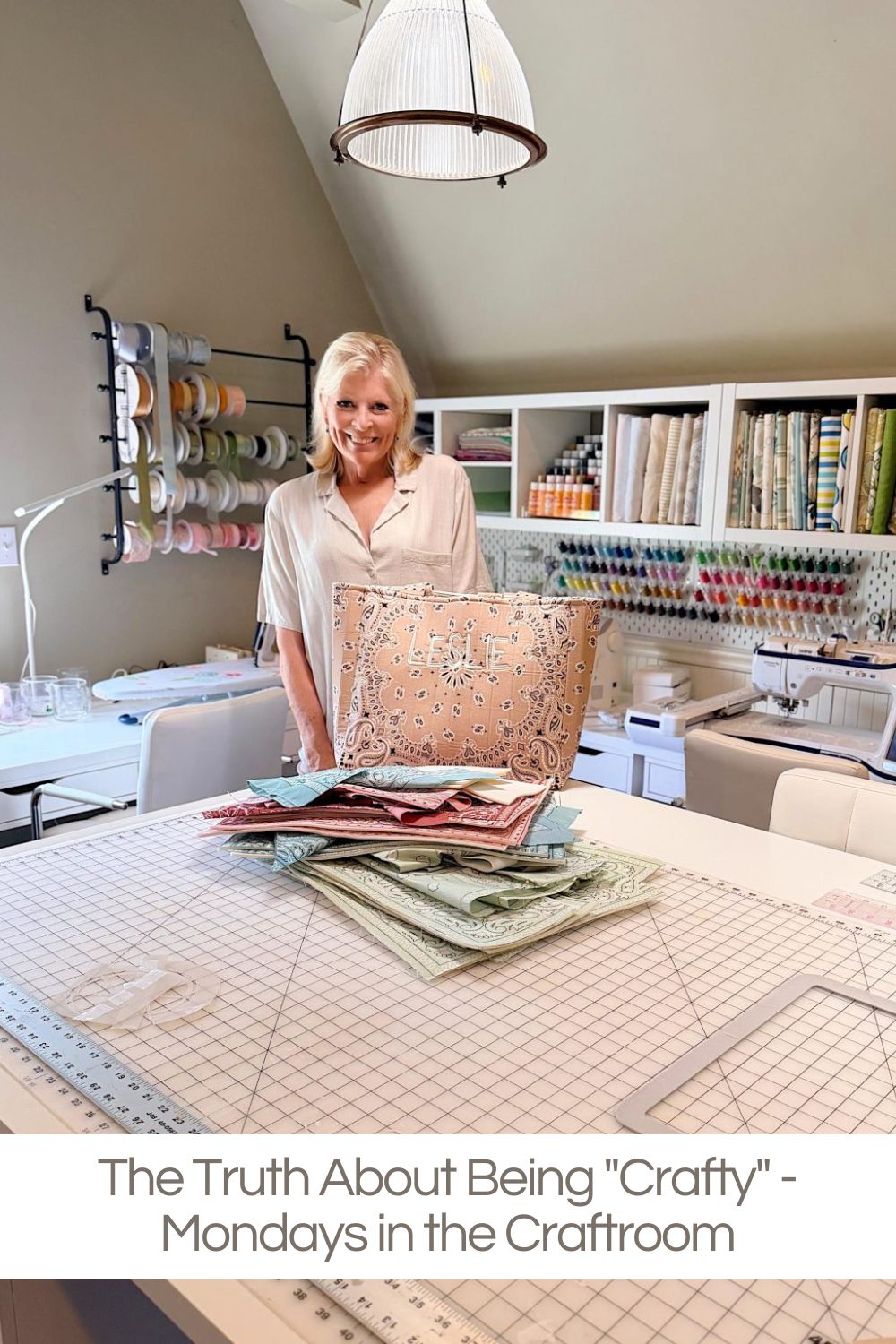
One of the most common things people say to me is, “I’m just not crafty.” But the truth is that creativity isn’t something you’re born with. It’s something you learn.
Today I’m sharing why being crafty has much less to do with talent and much more to do with curiosity, practice, and simply being willing to try.
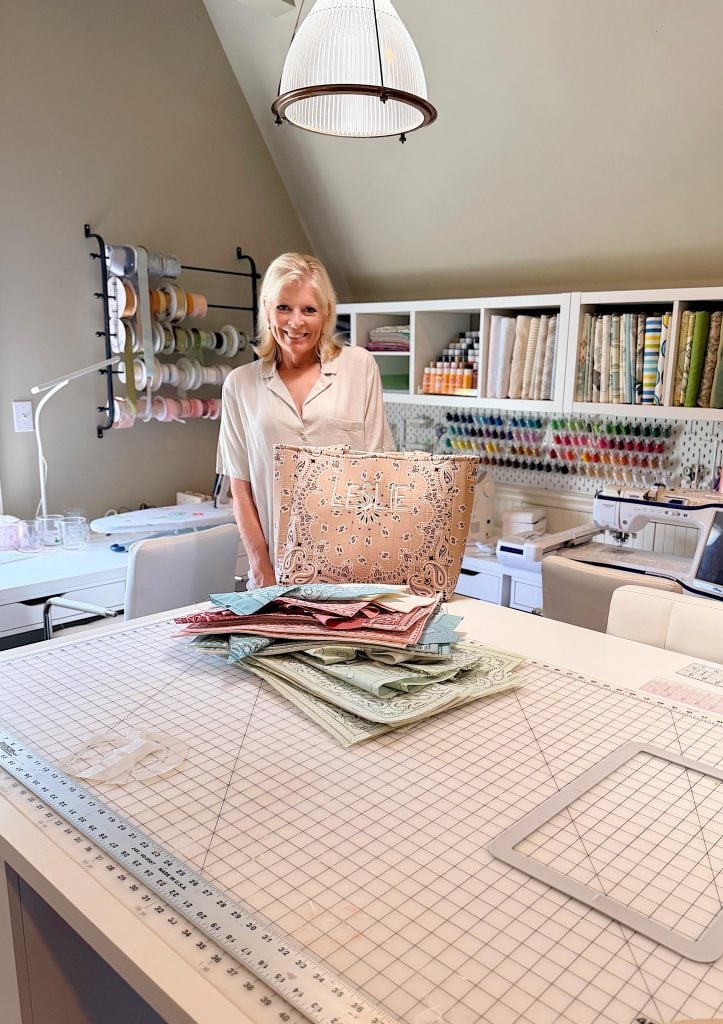

The Truth About Being “Crafty”
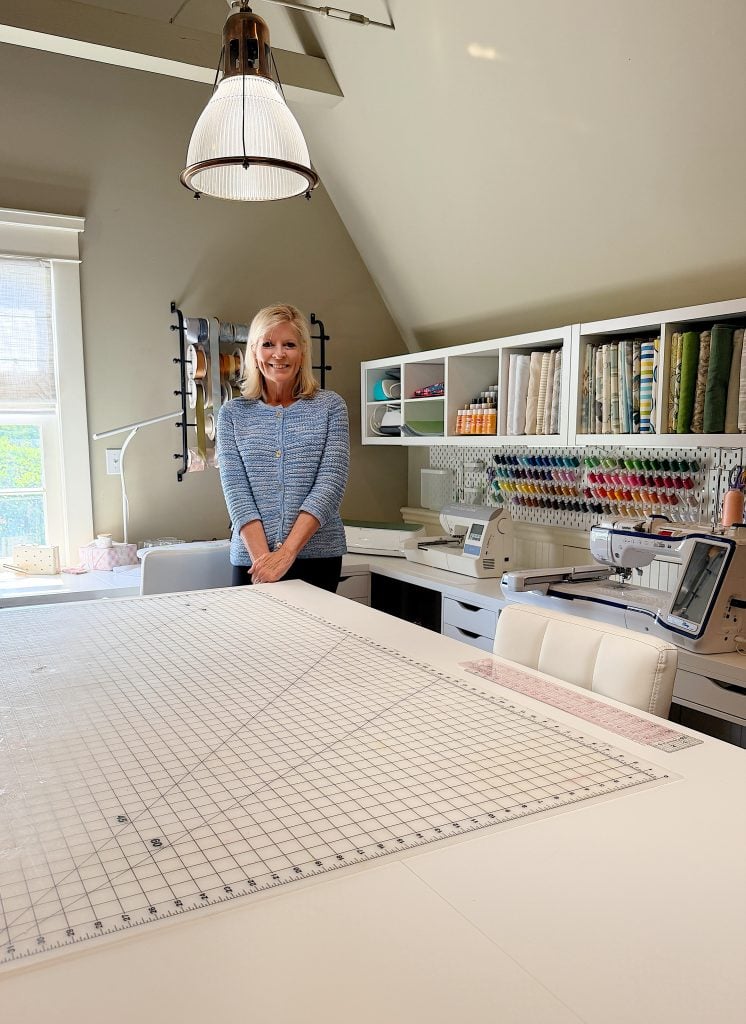
I cannot tell you how many times someone has looked at one of my projects and said:
“Oh, I could never do that. You’re just naturally crafty.”
Every single time I hear those words, I want to smile and tell them the truth.
I wasn’t born knowing how to sew.
I wasn’t born knowing how to embroider.
And of course I wasn’t born knowing how to paint, make clay projects, create wreaths, design tablescapes, or use a Cricut.
I learned.
And honestly, that’s the biggest secret about creativity that nobody talks about enough.
Being “crafty” is not something you are born with.
It’s something you learn.
Today, I want to talk about what being crafty really means, because I think far too many people convince themselves they aren’t creative when, in reality, they simply haven’t given themselves permission to learn.
Nobody Starts as an Expert
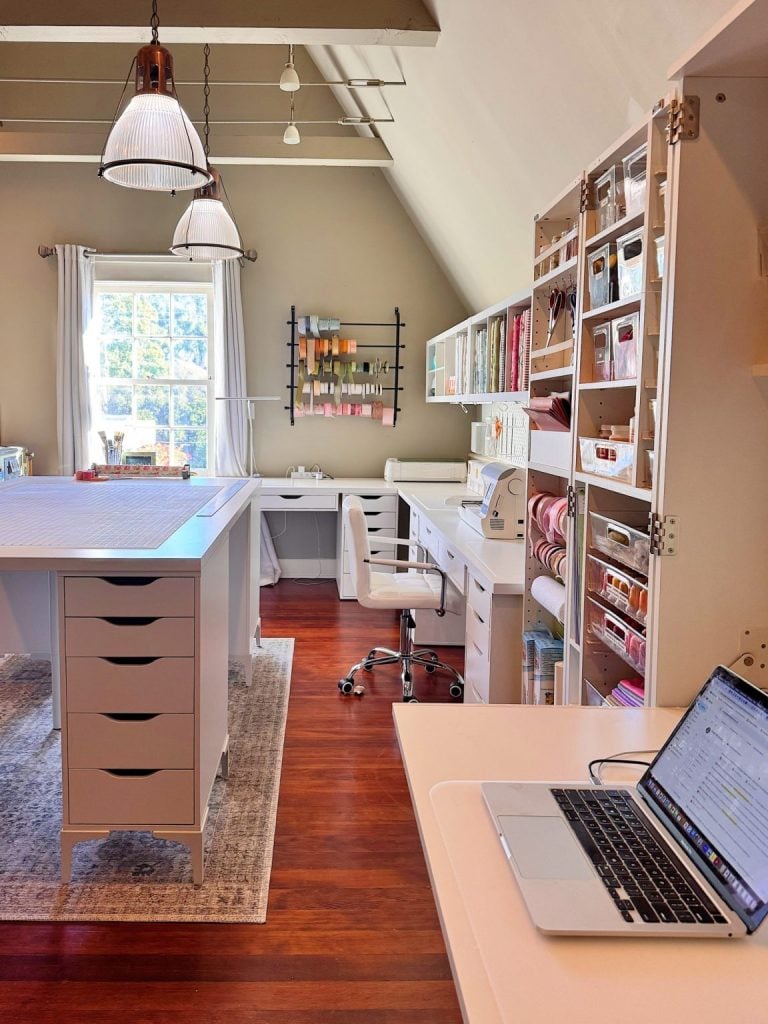
Sometimes social media creates a very misleading picture of creativity.
We see beautiful finished projects.
Perfect embroidery.
Perfect quilts.
Lots of perfect paintings.
And perfect craft rooms.
What we don’t see are the years of learning that went into those projects.
We don’t see:
- crooked seams
- paint spills
- failed projects
- glue mistakes
- embroidery disasters
- projects that ended up in the trash
Trust me.
I’ve had all of them.
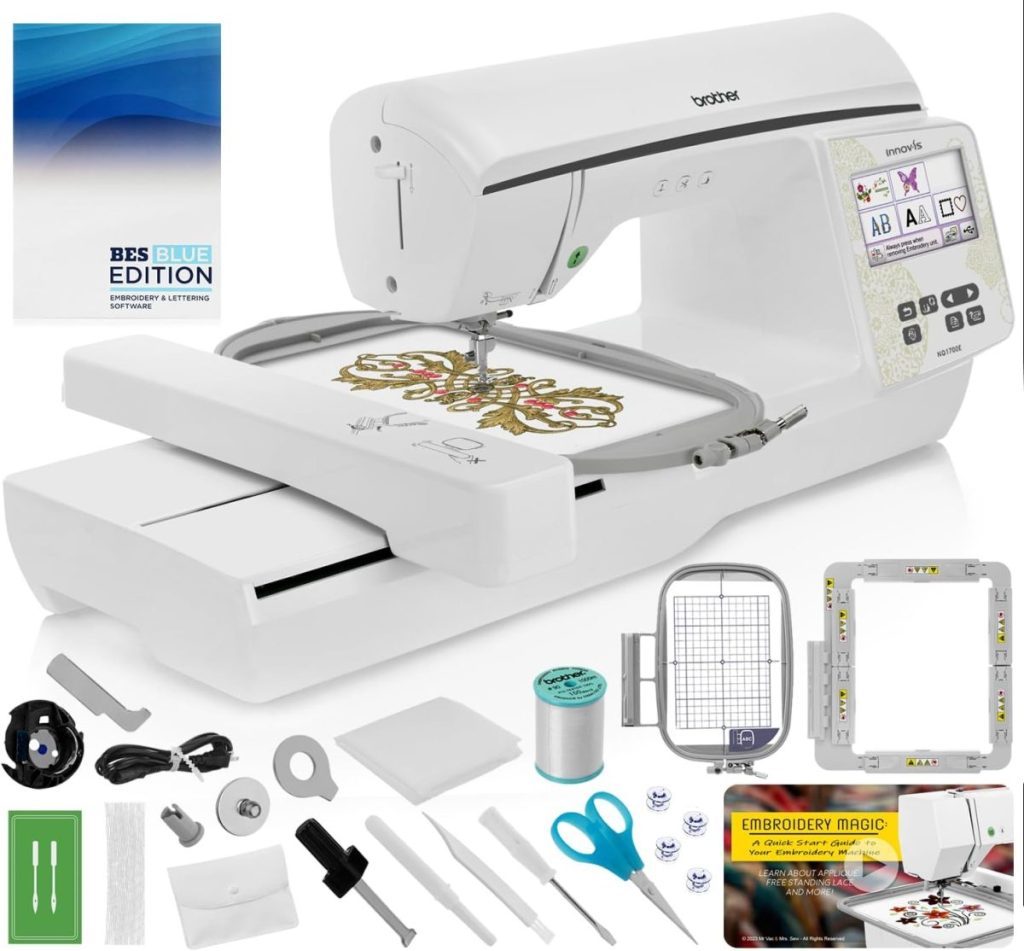
When I bought my first embroidery machine fifteen years ago, I was completely intimidated.
In fact, I used it for a while and then put it away for almost ten years.
Ten years!
Today I laugh about that because the machine seems incredibly simple compared to what I use now.
But at the time, it felt overwhelming.
The difference wasn’t talent.
The difference was experience.
Creativity Is Built Through Repetition
Think about any skill you’ve learned in life.
Driving.
Cooking.
Gardening.
Using a computer.
None of those things felt natural the first time you tried them.
Crafting is exactly the same.
The more you do something:
- the easier it becomes
- the more confident you become
- the more creative ideas you have
I often tell people that creativity is like a muscle.
The more you use it, the stronger it becomes.
Every project teaches you something.
Even the unsuccessful ones.
Especially the unsuccessful ones.
I may use affiliate links on this blog, which means I earn a small commission if you make a purchase through them. The price will be the same whether you use the affiliate link or go directly to the vendor’s website using a non-affiliate link.
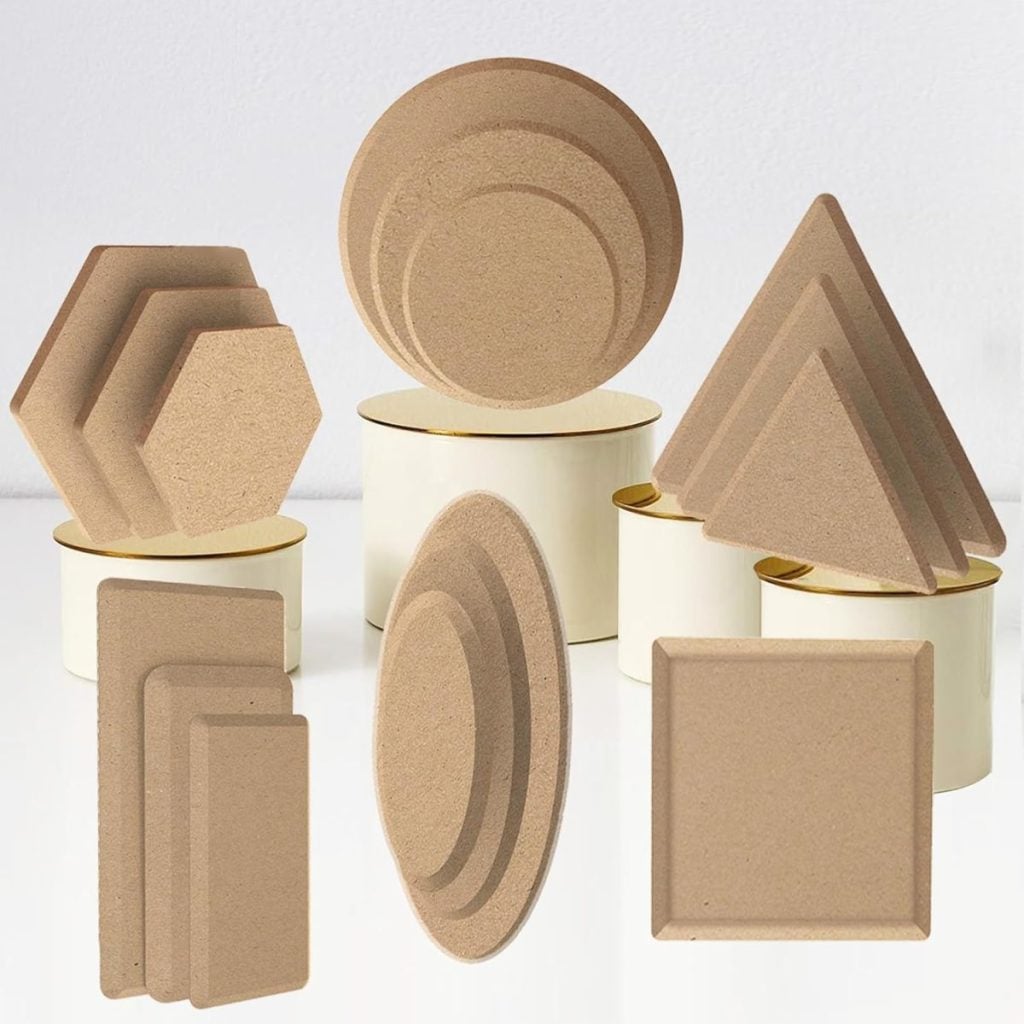
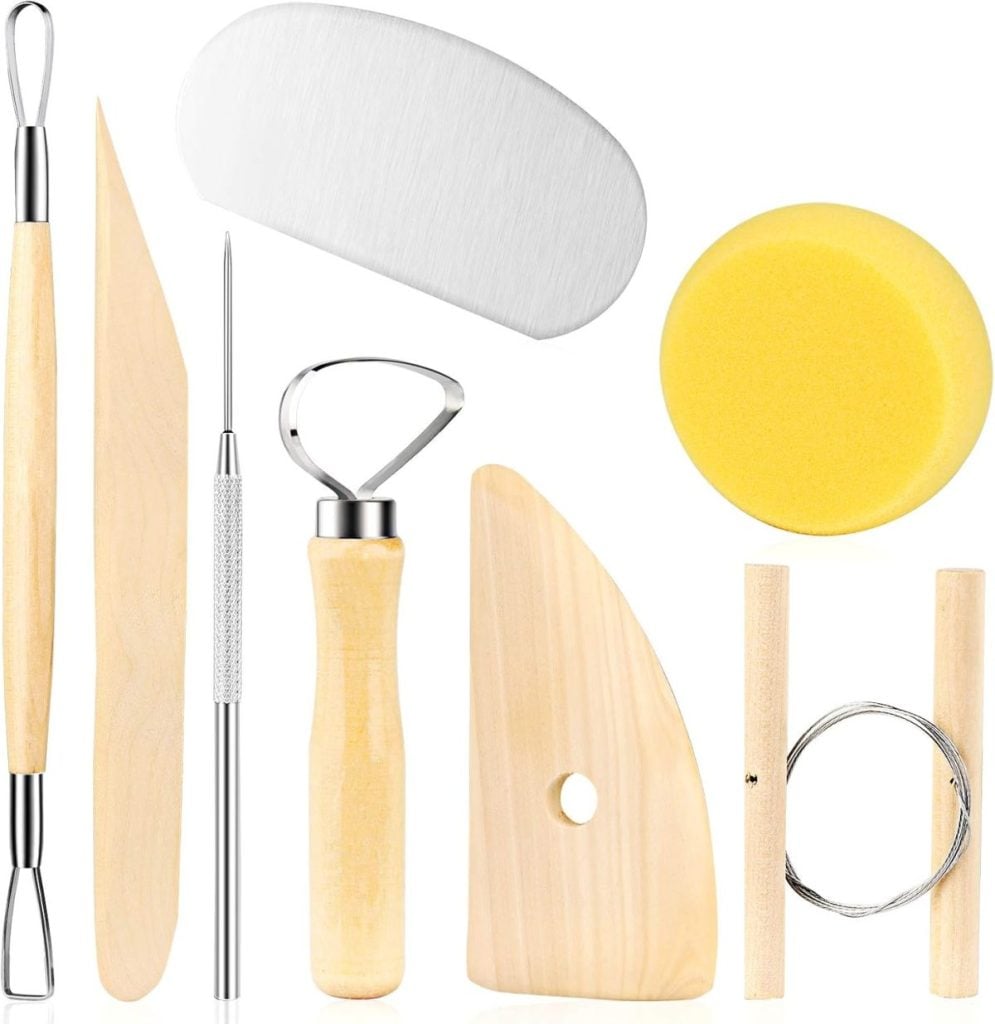
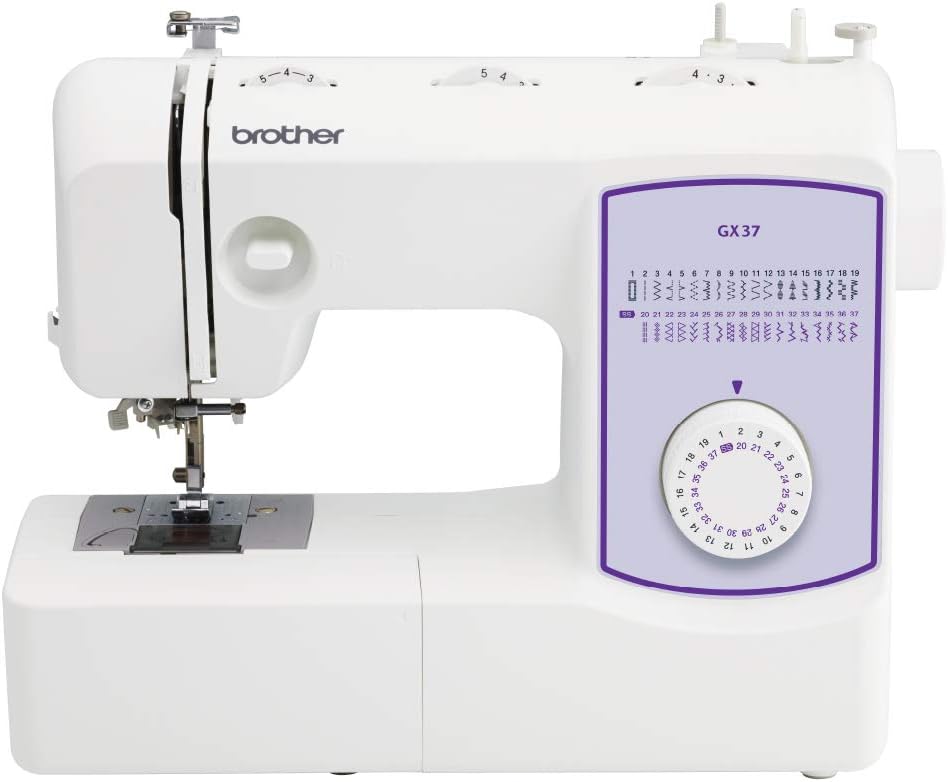
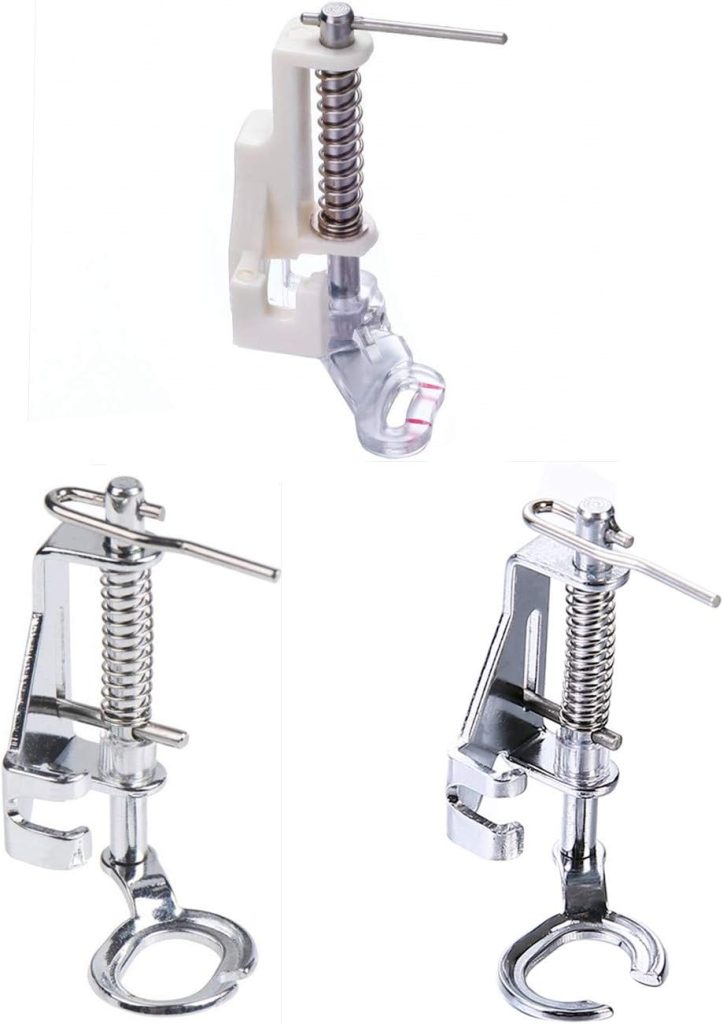
My First Projects Were Not Beautiful
This is probably hard for people to believe.
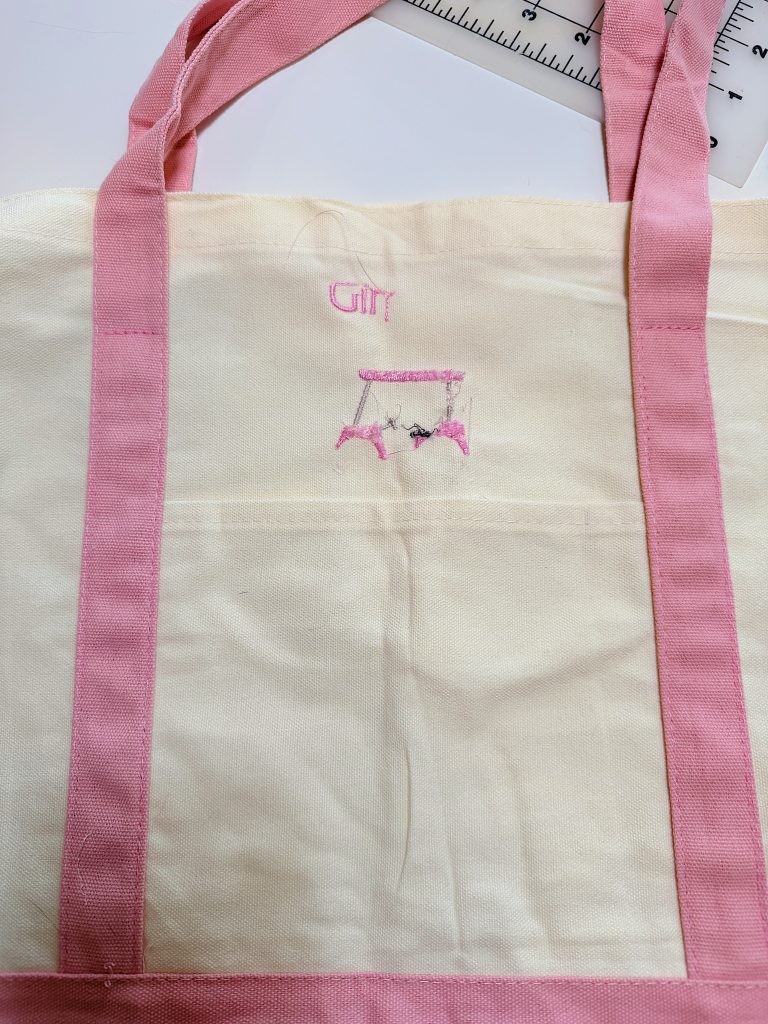
But honestly, some of my first projects were pretty awful.
I made mistakes constantly.
I cut things wrong.
MAny times I measured incorrectly.
I chose colors that didn’t work together.
I rushed.
And I skipped instructions.
I started projects without understanding what I was doing.
And you know what?
That’s exactly how learning works.
I didn’t become more creative because every project succeeded.
I became more creative because I kept making projects.
The People You Think Are Naturally Creative Usually Aren’t
This may be the biggest myth of all.
We look at artists, makers, designers, and crafters and assume they have some special gift.
What most of them actually have is practice.
Lots of practice.
Years of practice.
Thousands of hours of practice.
The person making beautiful quilts today once made their first crooked quilt block.
The artist creating gorgeous paintings once painted something terrible.
The embroiderer stitching beautiful designs once struggled to thread the machine.
Everyone starts somewhere.
Everyone learns.
And everyone improves.
Curiosity Is More Important Than Talent
If there is one quality I think matters most in crafting, it is curiosity.
Curious people ask:
“What happens if I try this?”
“Can I make that?”
“How does that work?”
“What if I change the color?”
“What if I use a different material?”
Curiosity leads to experimentation.
Experimentation leads to learning.
And learning leads to creativity.
I don’t think the most creative people are necessarily the most talented.
I think they’re often the most curious.
You Don’t Have to Be Good at Everything
This is another lesson I wish more people understood.
Being crafty doesn’t mean being good at every craft.
Trust me.
There are plenty of things I’m not particularly good at.
And that’s okay.
Over time, I discovered the types of projects I enjoy most.
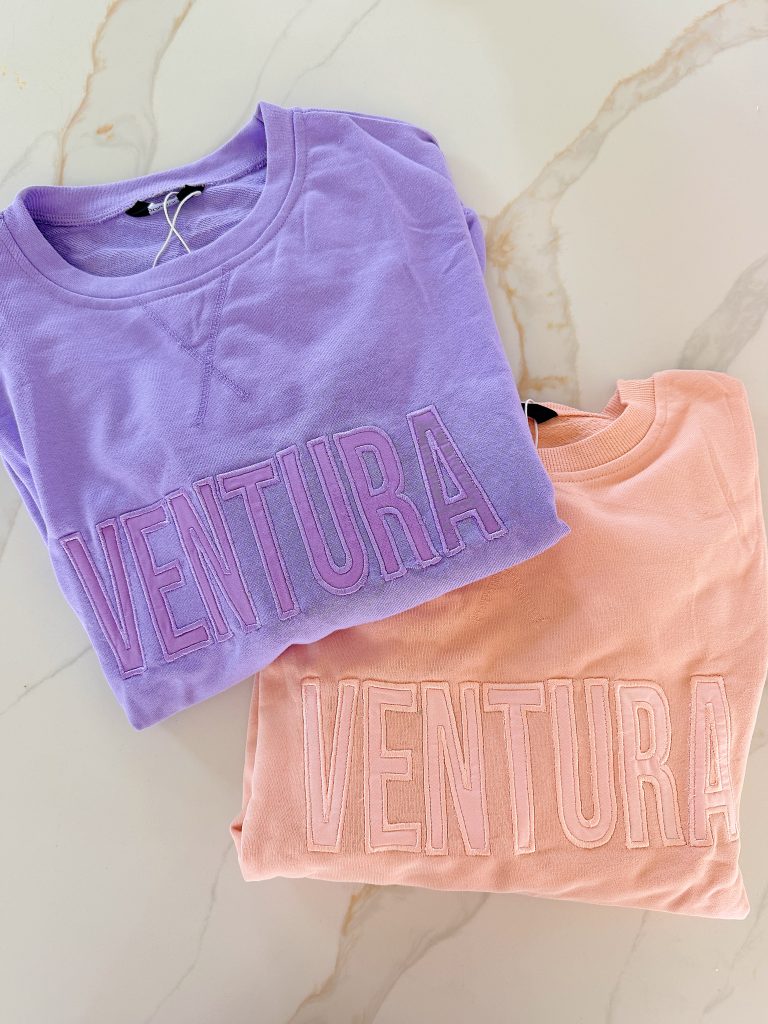
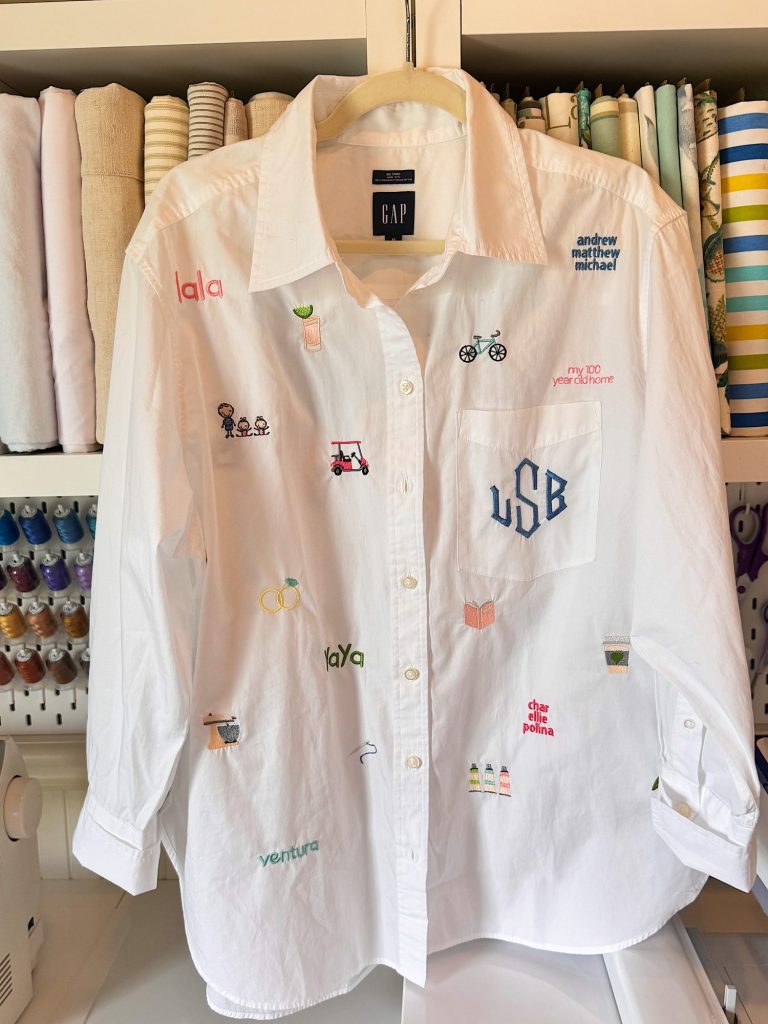
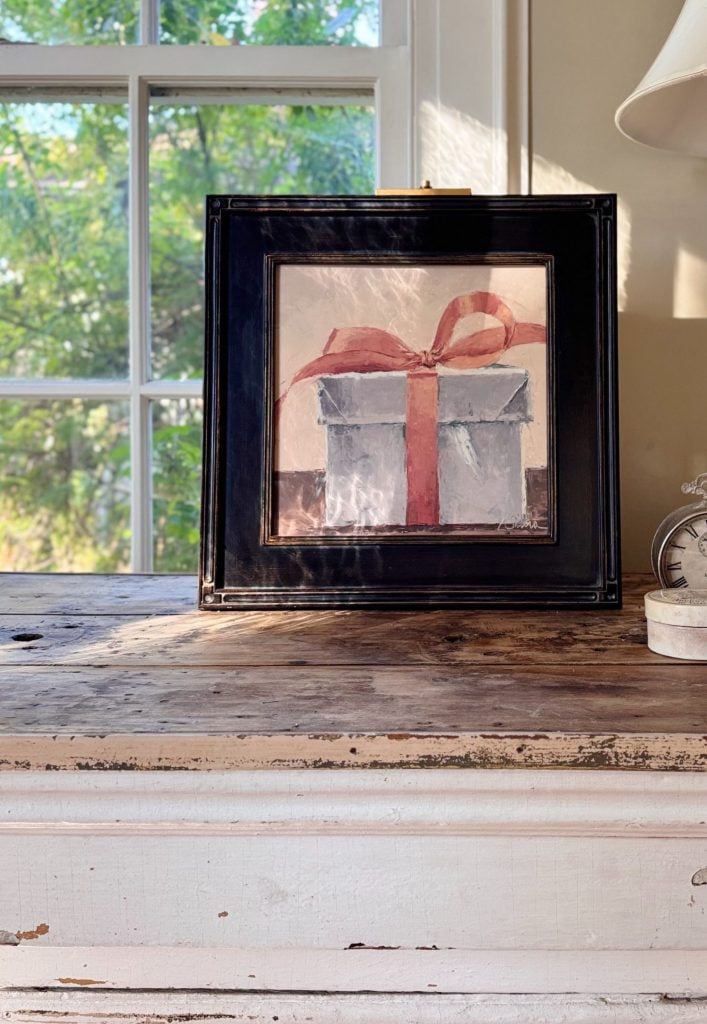
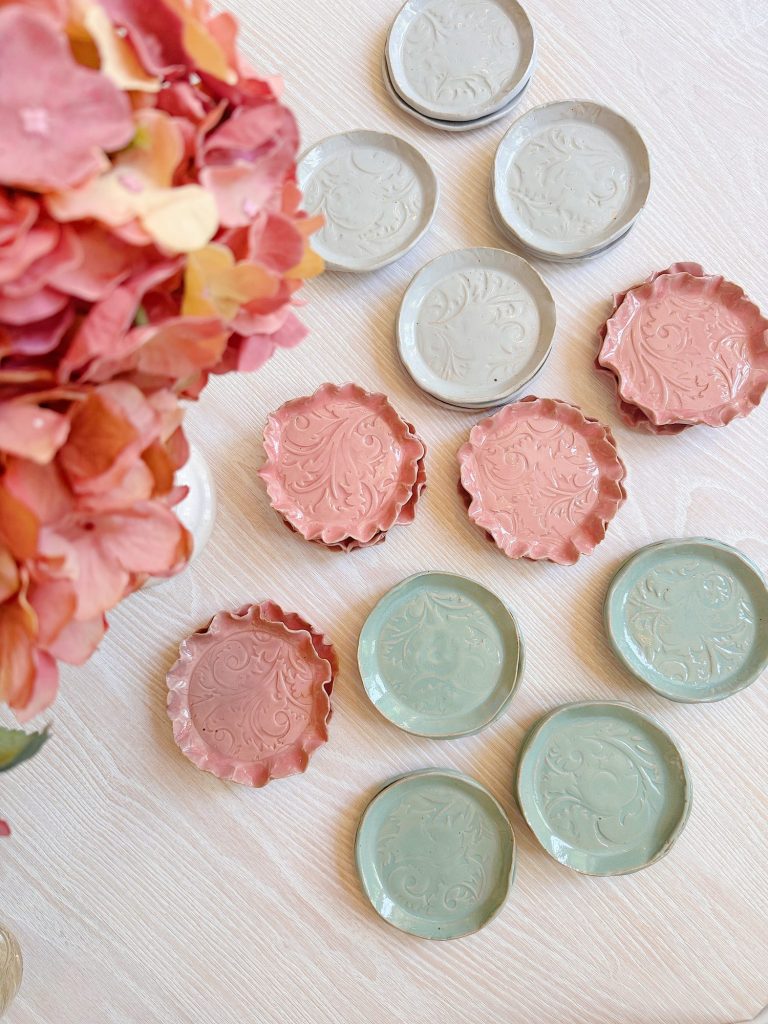
I love:
- embroidery
- sewing
- clay projects
- decorating
- entertaining
- paper crafts
Those are the activities I naturally gravitate toward.
You don’t need to master every hobby.
You simply need to find the ones that bring you joy.
Comparison Is the Fastest Way to Kill Creativity
One thing I see happening over and over again is people comparing their beginnings to someone else’s middles.
Or even someone else’s end.
They look at Pinterest.
They look at Instagram.
And they look at experienced creators.
And suddenly they feel discouraged.
But every person you admire started exactly where you are.
As a beginner.
The difference is that they kept going.
Instead of comparing your work to someone else’s, compare it to your own previous project.
That is where growth happens.
Mistakes Are Part of the Process
I still make mistakes.
All the time.
I forgot the stabilizer.
I cut the fabric incorrectly.
And I chose the wrong paint color.
I start over, and I change directions halfway through projects.
The difference now is that mistakes don’t bother me the way they used to.
I’ve learned that mistakes are often where the best lessons live.
Some of my favorite projects happened because something went wrong and I had to find a different solution.
Creativity isn’t about avoiding mistakes.
It’s about learning from them.
Why Adults Struggle More Than Kids
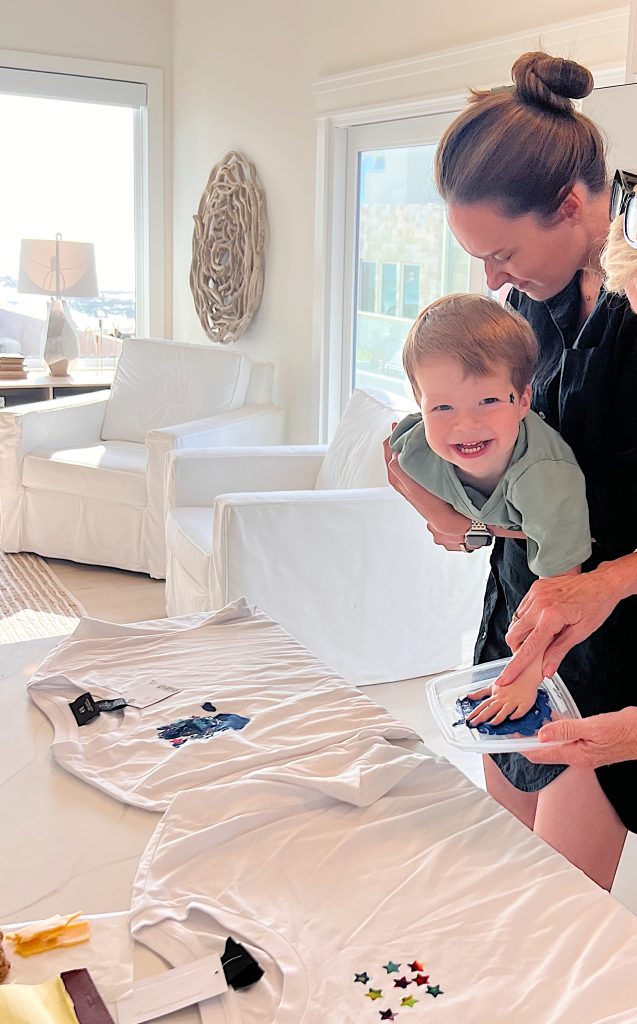
Have you ever noticed how willing children are to create?
They draw.
Paint.
Color.
Build.
Experiment.
And they rarely worry about whether the result is perfect.
Somewhere along the way, many adults lose that freedom.
We become afraid of:
- doing it wrong
- wasting supplies
- looking inexperienced
- making mistakes
But creativity thrives when we give ourselves permission to play.
That’s one reason I love crafting so much.
It reminds me that learning can be joyful.
My Favorite Creative Habit
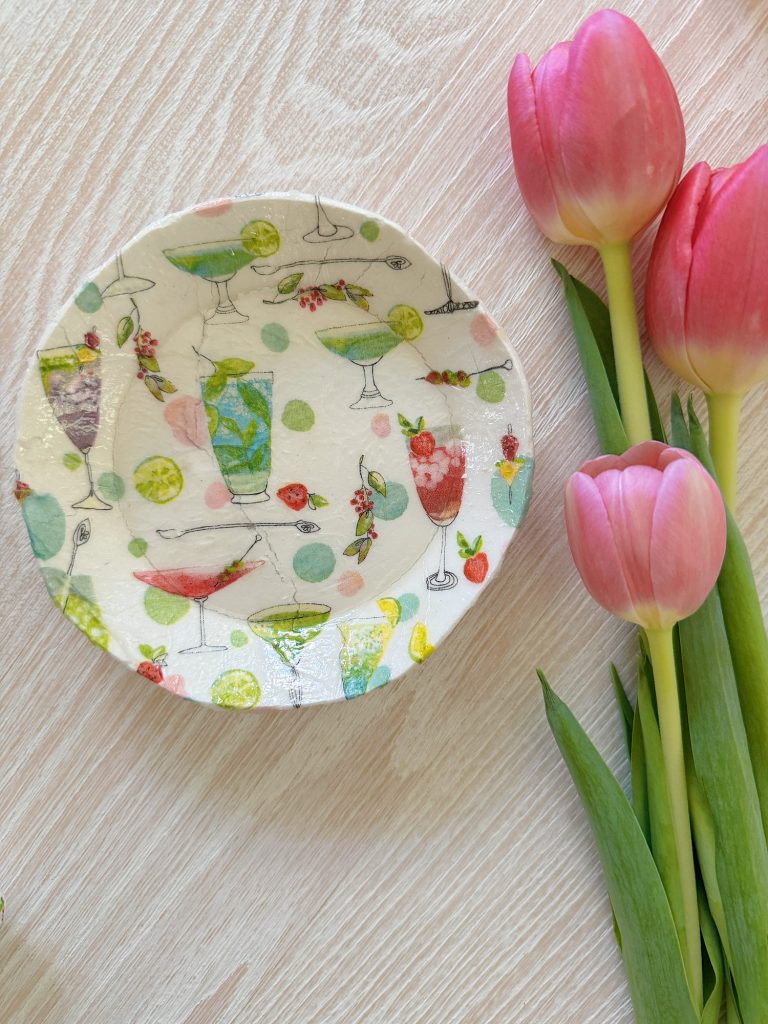
If I could recommend one habit for anyone who wants to become more creative, it would be this:
Make something regularly.
Not perfectly.
Not professionally.
Just regularly.
The more often you create, the more comfortable you become with creativity.
And surprisingly, inspiration becomes easier too.
I think many people wait for inspiration before they start.
I have found that inspiration often arrives after I begin.
Start Small
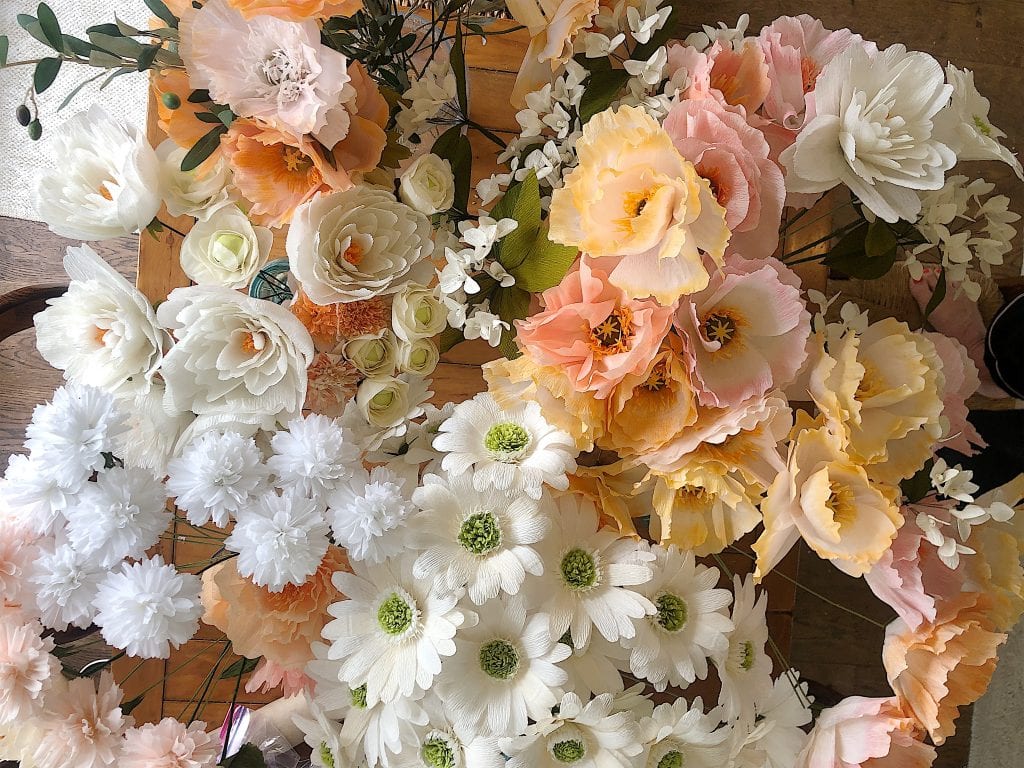
One reason people become overwhelmed by crafting is that they choose projects that are too complicated to begin with.
Instead, start small.
Try:
- a simple sewing project
- an easy clay project
- a beginner embroidery design
- an easy paper craft
- a painted flower pot
Build confidence through small successes.
Every completed project makes the next one easier.
The Real Definition of Being Crafty
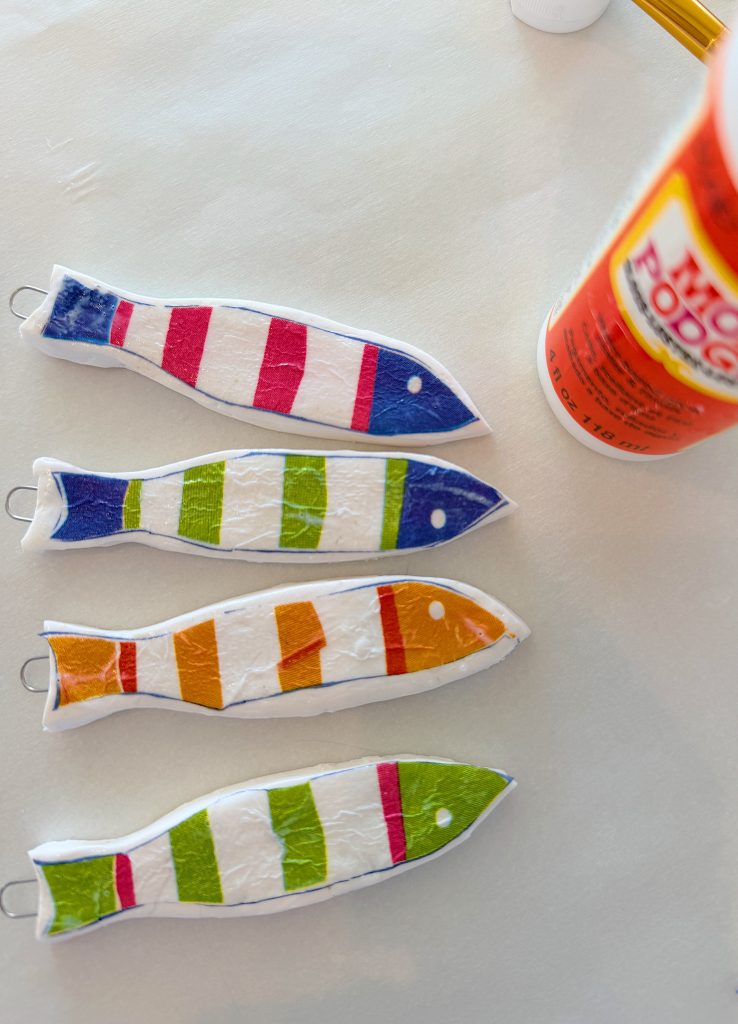
After years of creating, I think I finally understand what being crafty actually means.
It isn’t talent.
It isn’t perfection.
And it definitely isn’t knowing how to do everything.
Being crafty means:
Being willing to learn and being willing to try.
Being willing to make mistakes.
And being willing to start.
That’s it.
The people who become creative are usually the people who keep showing up and making things.

Final Thoughts
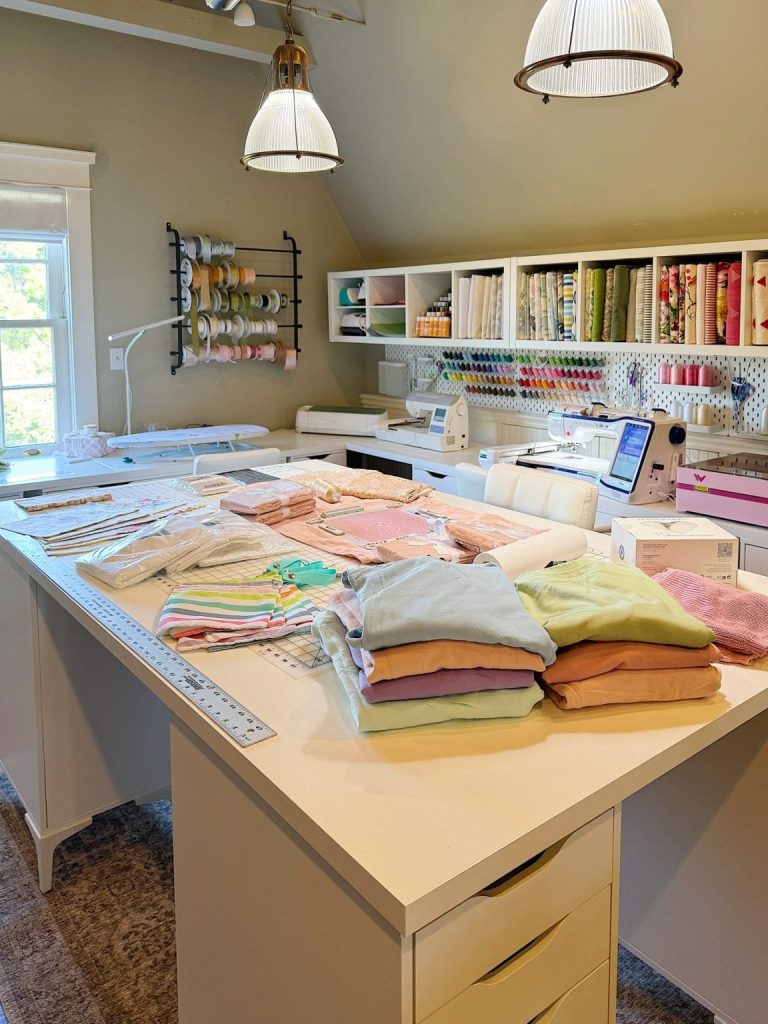
The next time you find yourself saying, “I’m just not crafty,” I want you to stop and rethink that statement.
Because the truth is that creativity isn’t something a lucky few are born with.
It’s something we develop.
One project at a time.
One mistake at a time.
And one lesson at a time.
I know this because I’ve lived it.
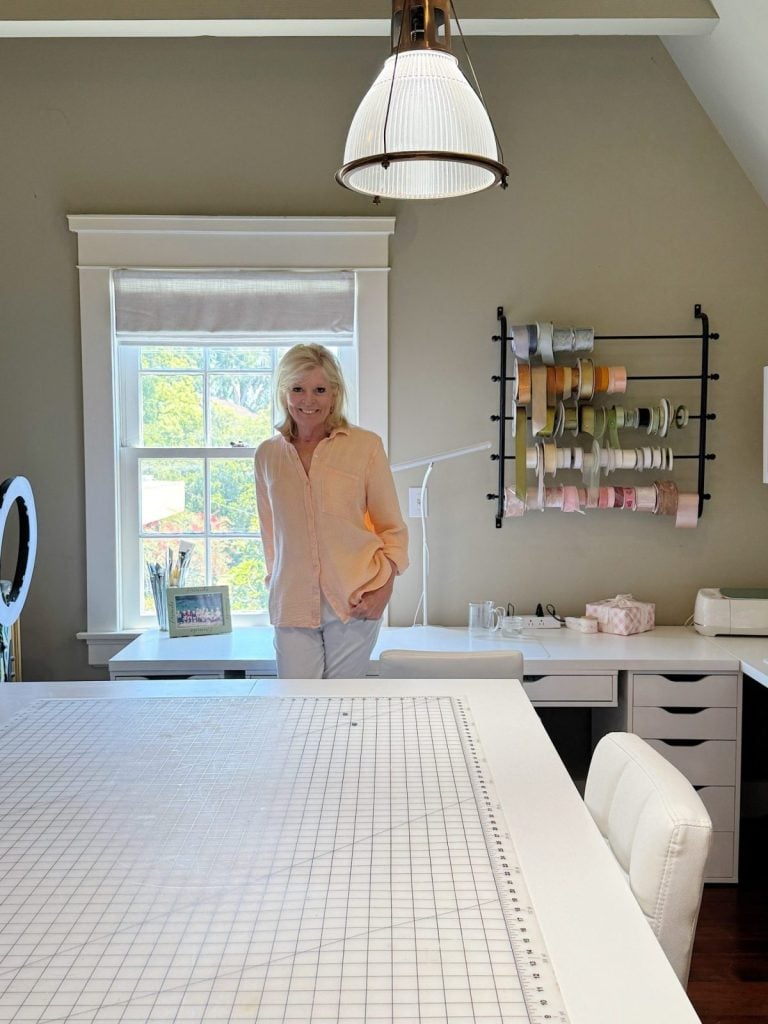
The woman who now spends her days sewing, embroidering, painting, crafting, and creating is the same woman who once felt intimidated by a simple embroidery machine and stored it away for ten years.
The difference wasn’t talent.
The difference was learning.
And if I can learn, so can you.
Because the truth about being crafty is simple:
Nobody starts that way.
We become that way.
Latest Posts
-
Summer at the Beach and Sunday Morning Coffee
Welcome to another Sunday Morning Coffee! Summer is flying by, and I have to say, it has been the busiest and happiest summer at the beach we’ve had in a long time. We’ve spent nearly every weekend at our beach house with family and friends, which is exactly why we bought and remodeled it all…
-
Grilling Perfectly and Tips to Use Your Outdoor Grilling Station
It’s time to fire up the grill and embark on a flavor-filled journey of outdoor cooking! It’s time to have fun with your outdoor grilling station. Planning a successful BBQ cookout is an art that combines culinary skills, creativity, and a dash of hosting finesse. I have crafted The Essential Summer Grilling Guide to help…
-
A Citrus Pillow – A Handmade Summer
A handmade pillow is one of the easiest ways to add a fresh, custom touch to your home, and this cheerful citrus design is perfect for summer. Using a simple white pillow cover, a citrus stencil, acrylic paint, and a little free-motion embroidery, you can create a one-of-a-kind accent pillow that looks boutique-made without spending…
-
Pink Lemonade Pie
Summer is the season for refreshing and light desserts, and what could be better than a tangy, creamy, and perfectly chilled Pink Lemonade Ice Cream Pie? This delightful dessert is perfect for hot days, picnics, barbecues, or any summer gathering. Its vibrant color and mouthwatering flavor will surely be a hit for kids and adults….
My Recent Instagram Posts

You can pin the image below to your boards on Pinterest (click the Pin button in the top left corner) or follow me on Pinterest!
For more real-time updates, follow me on Instagram @My100YearOldHome