
Craft Room Essentials – Mondays in the Craftroom
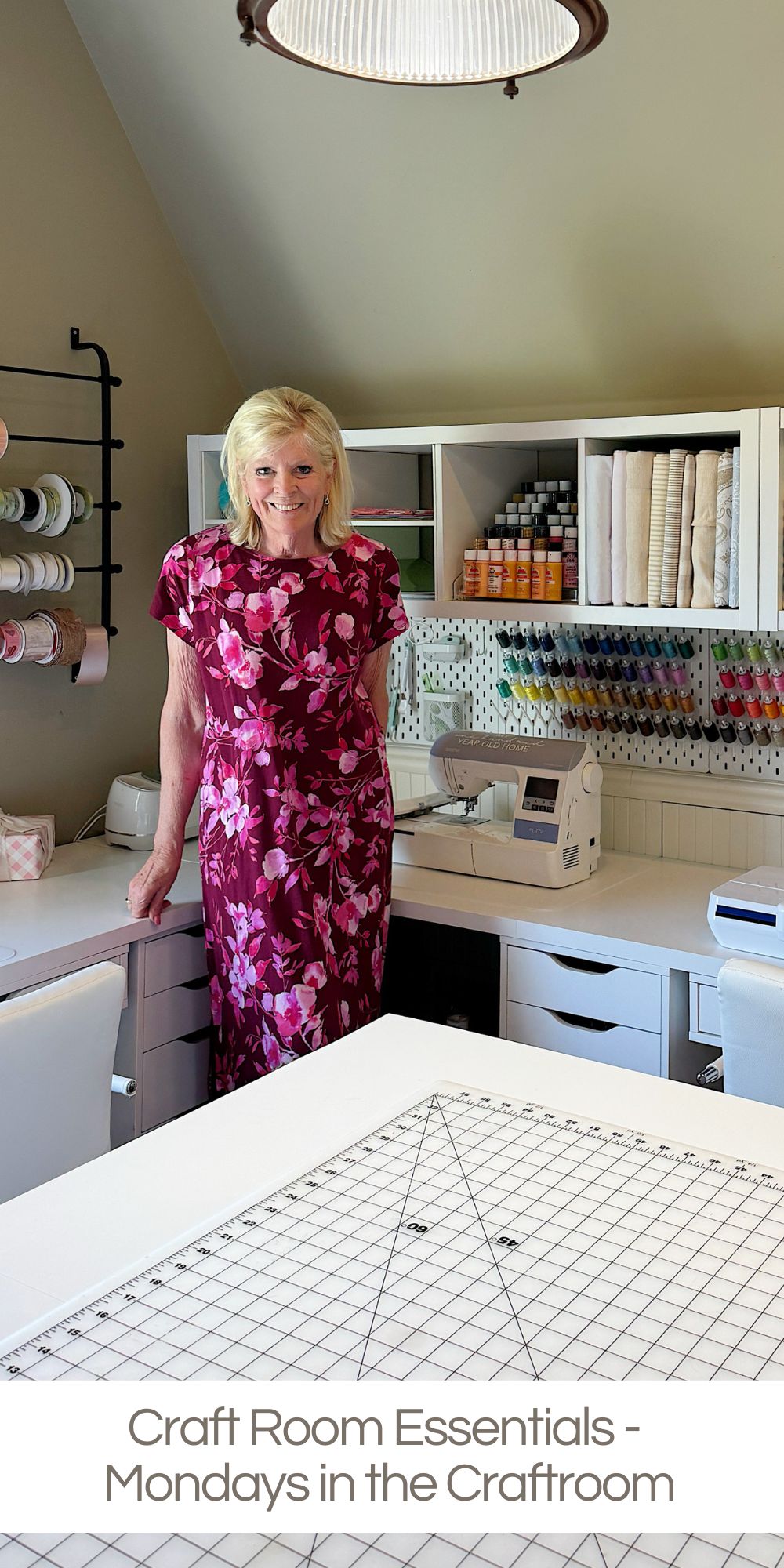
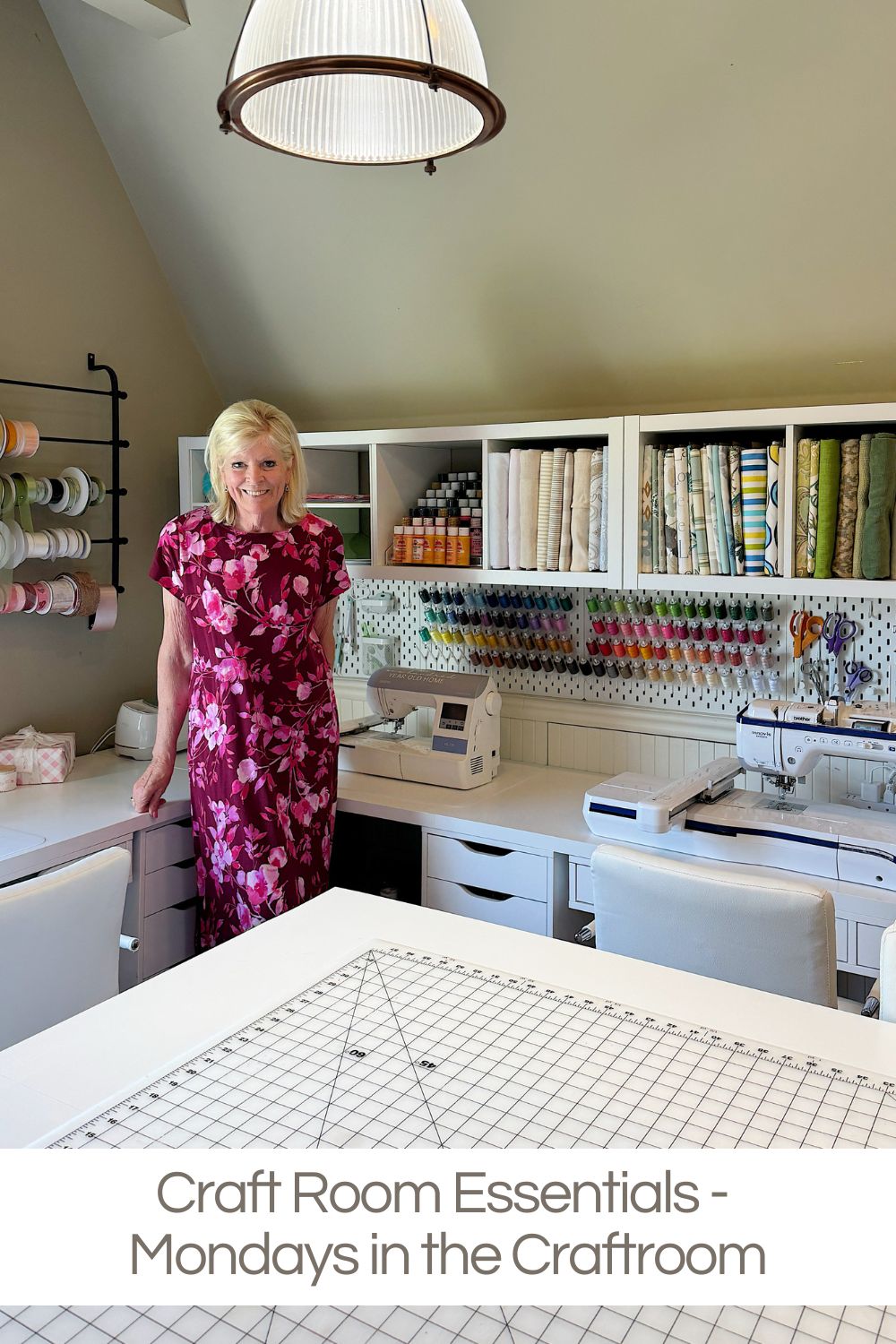
Craft Room Essentials are the key to creating a space that actually works for you.
In this week’s Mondays in the Craft Room, I am sharing my full list of Craft Room Essentials, from sewing tools, Cricut, and clay to the must-have items in the room itself that make crafting easier, more organized, and a lot more enjoyable.
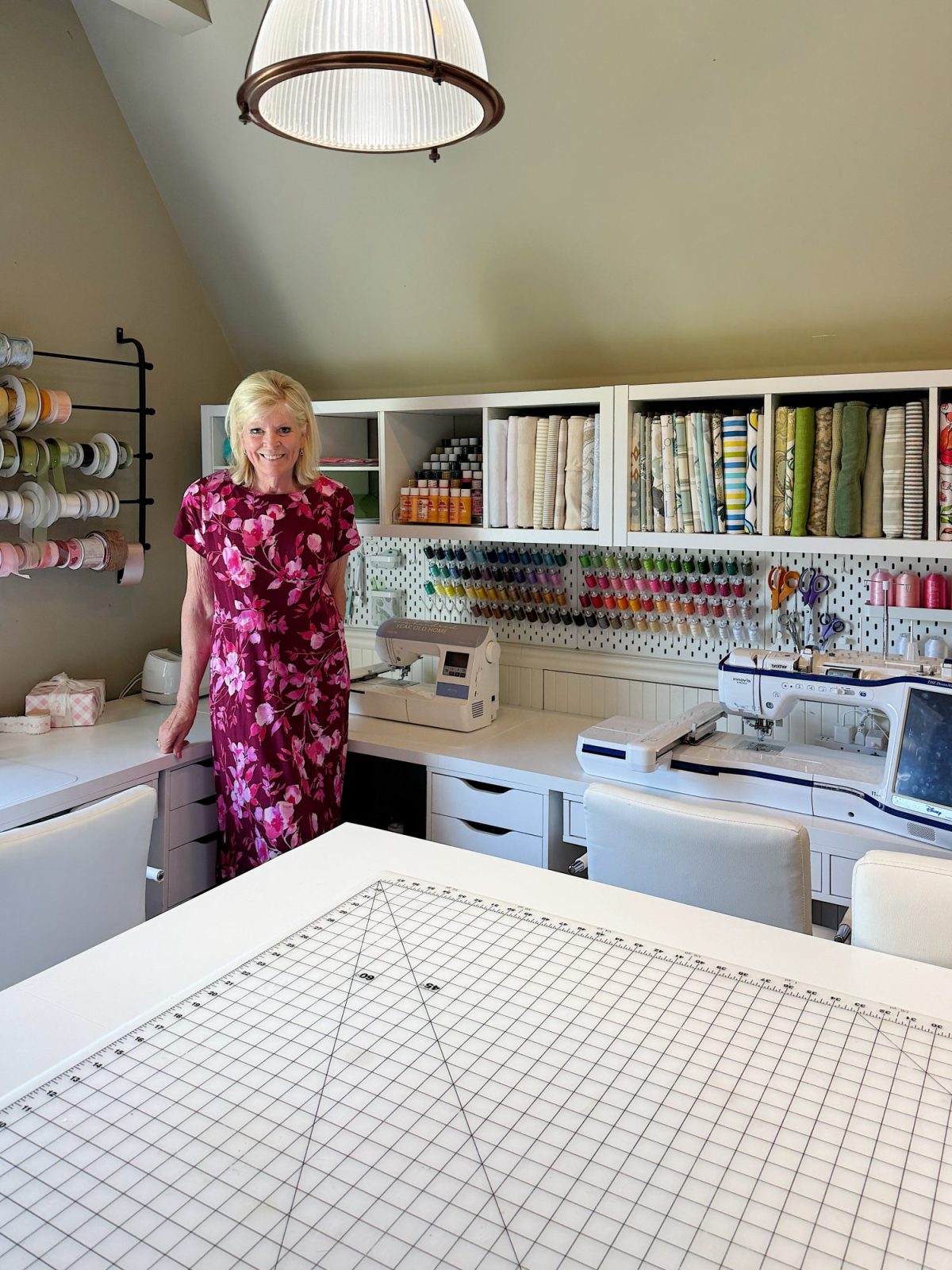

Craft Room Essentials
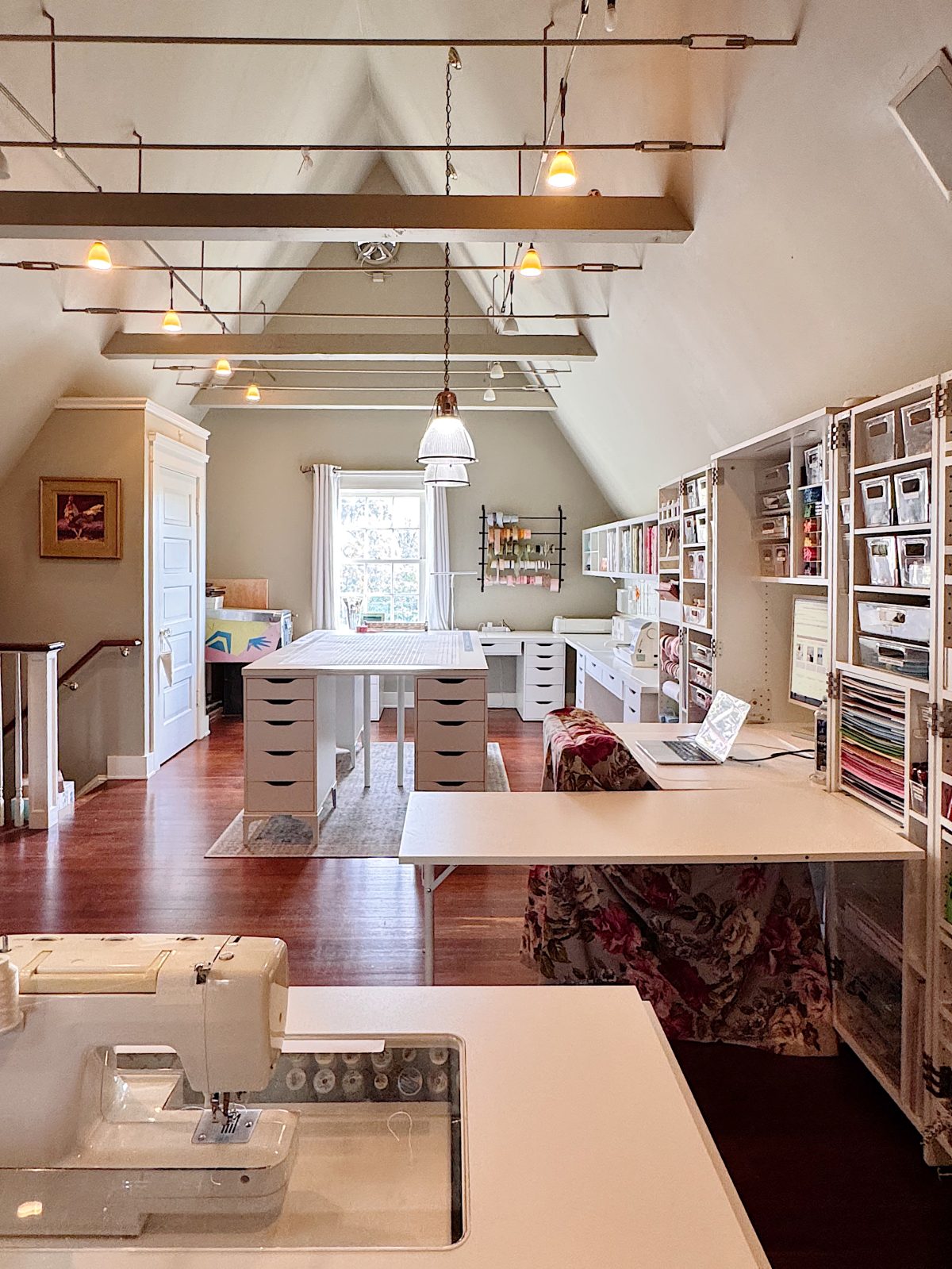
One of the questions I get asked all the time is this. What do you actually need in your craft room?
Not what looks pretty on a shelf. Not what someone else says you should have. But what you really need to create consistently and successfully.
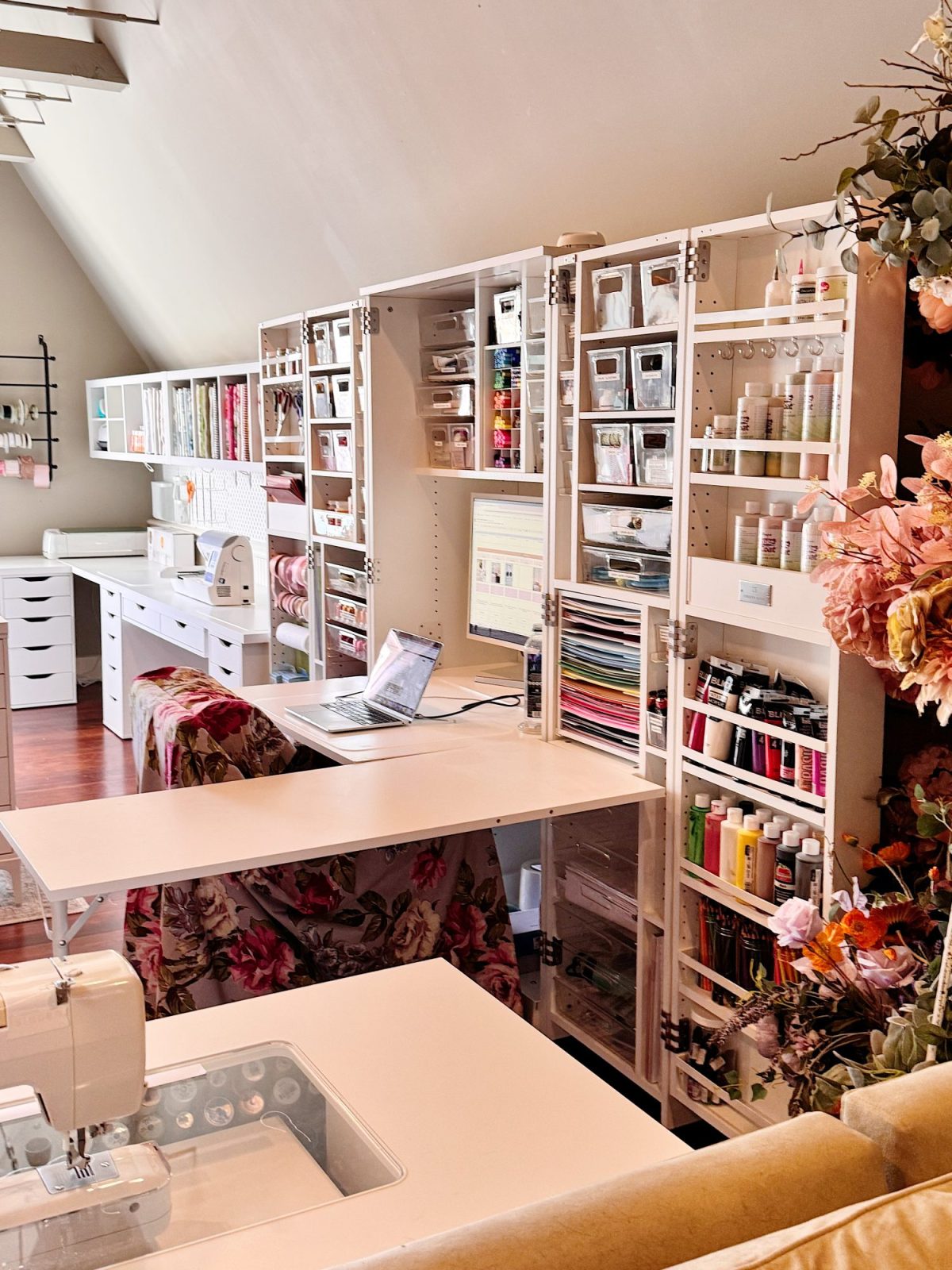
As I have spent more time in my craft room, I have learned something important. You do not need everything. But you do need the right things.
So today, for the second post in my Mondays in the Craft Room series, I am sharing the essentials I truly use. I have broken everything into three of the crafts I use most often: sewing and embroidery, paper crafts (including Cricut), and clay.
Within each category, I am also sharing what I consider must-haves, good-to-haves, and extra bonuses. This is exactly how I would build a craft room if I were starting from scratch.
Craft Room Essentials That Make Everything Easier
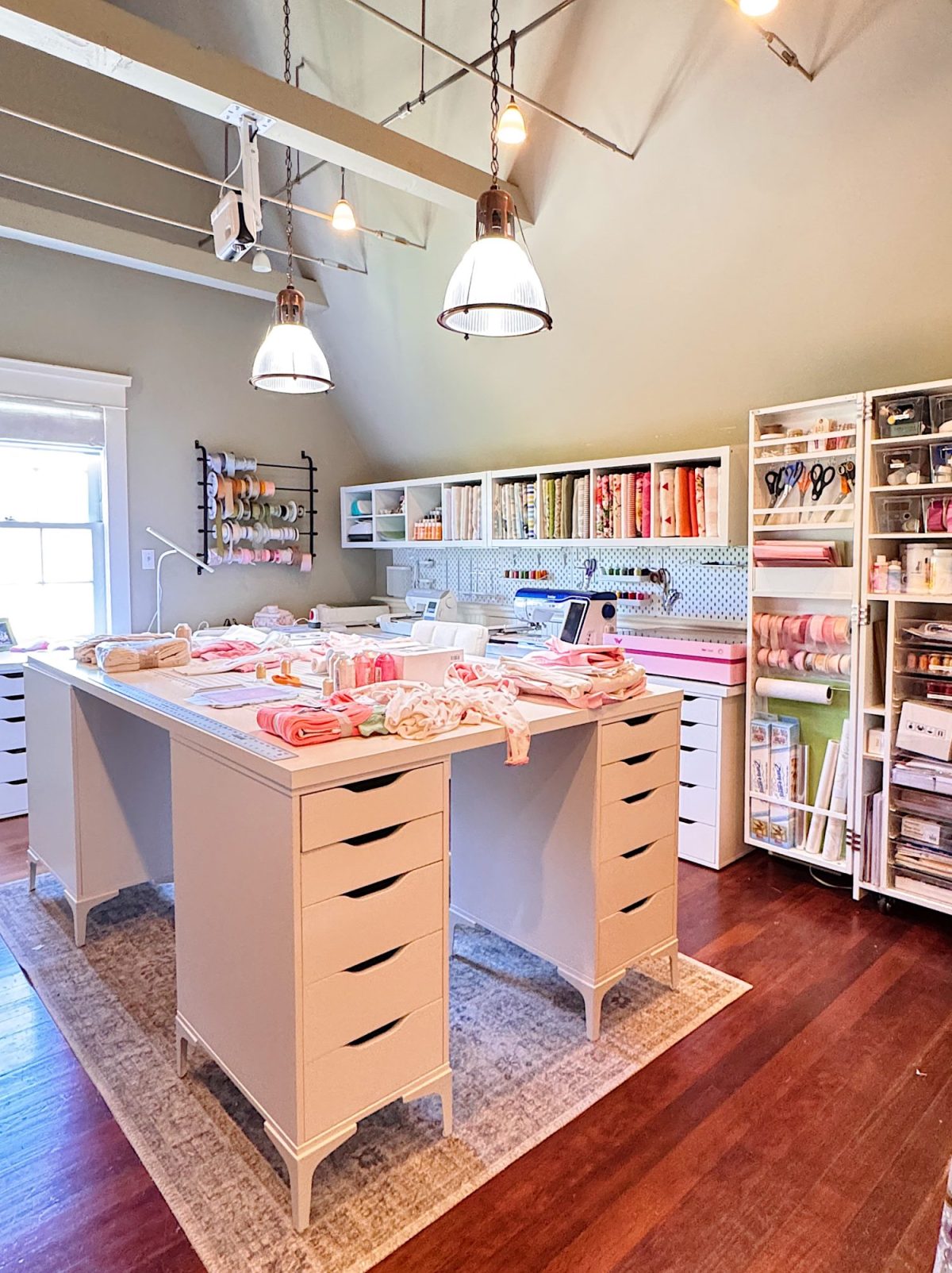
Before we even talk about supplies, there are a few things in the craft room itself that make a huge difference in how you create.
These are not tools for a specific craft. These are the things that make your space functional, comfortable, and a place you actually want to spend time in.
Must Haves
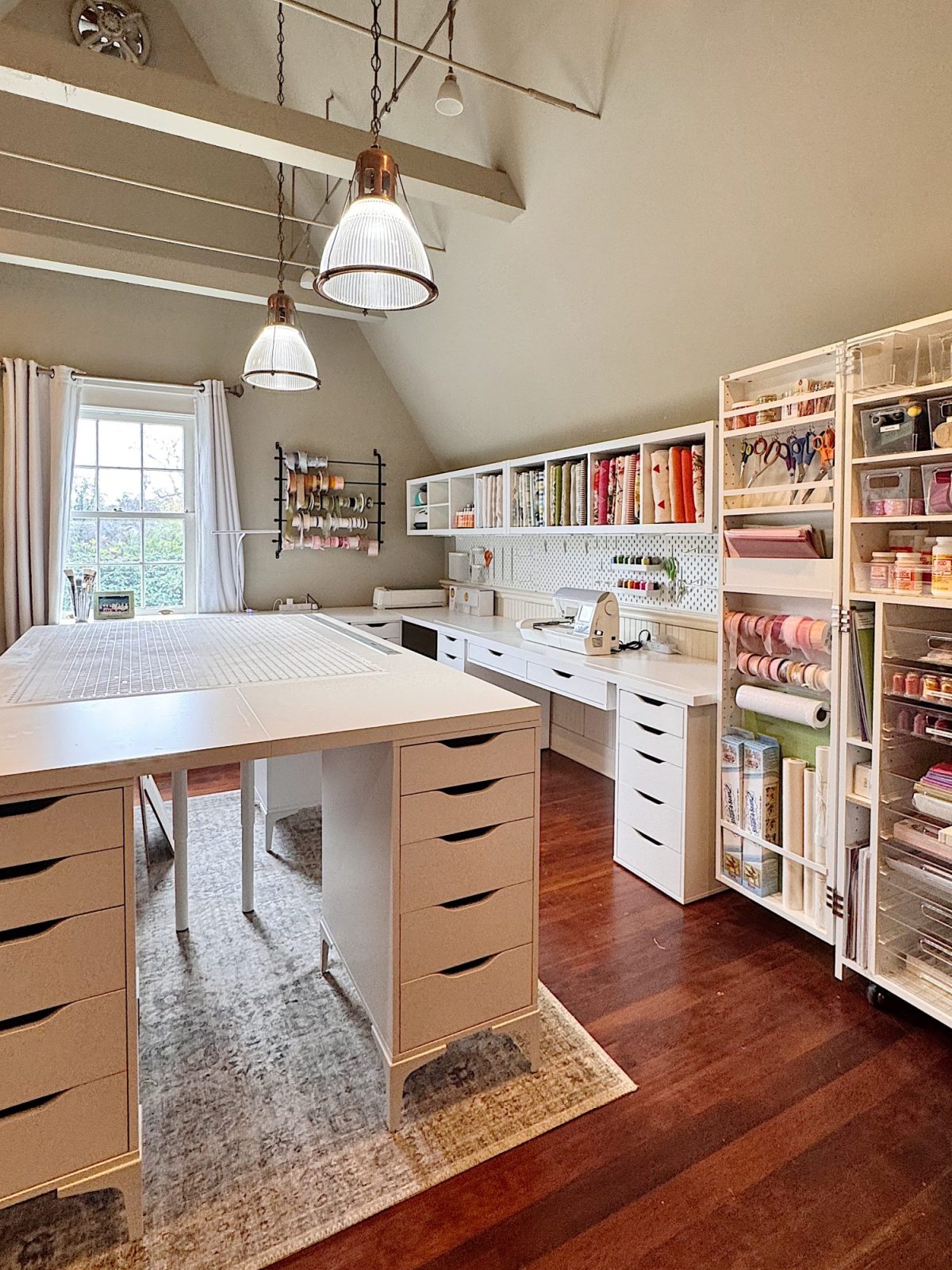
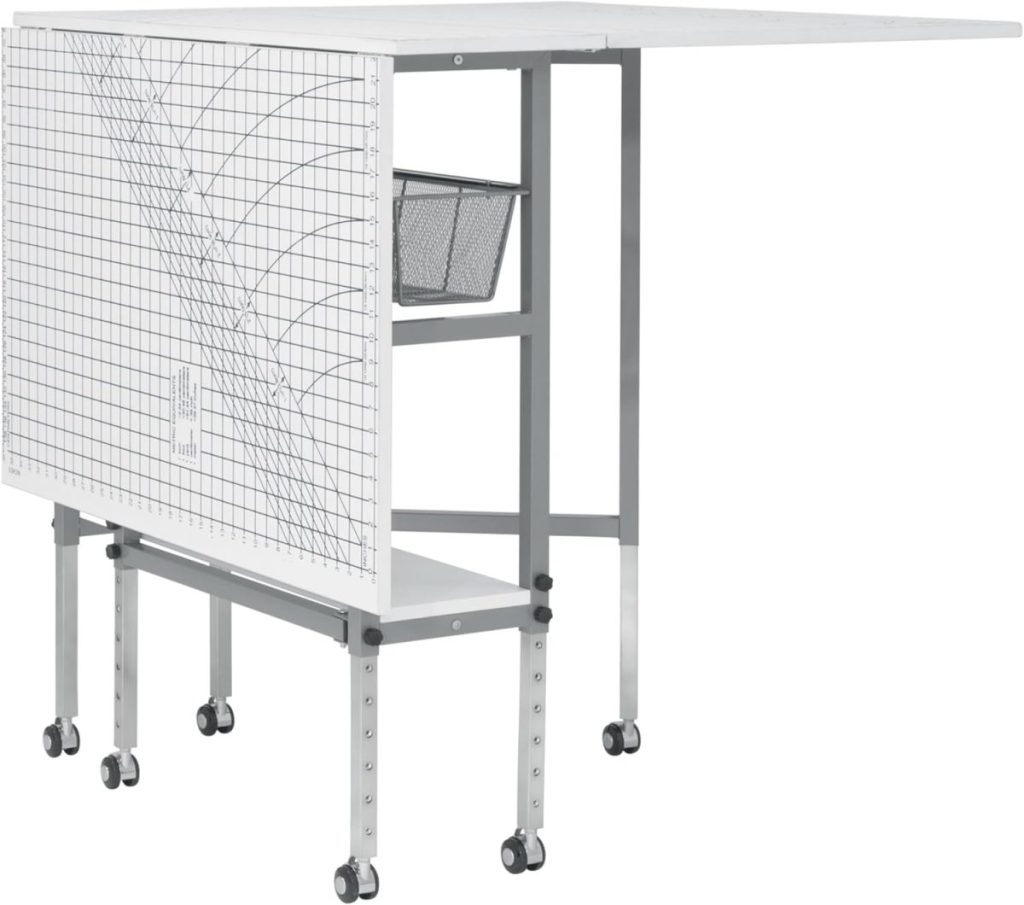
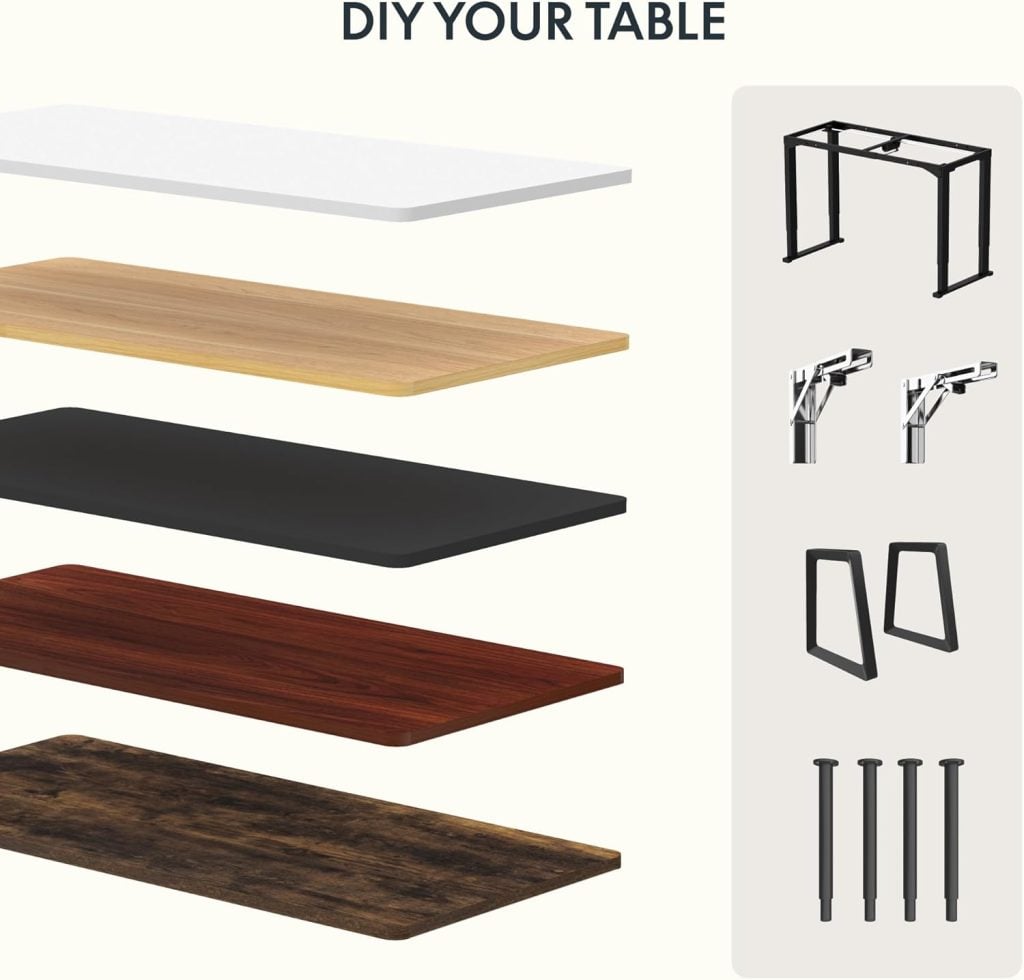
Work Table
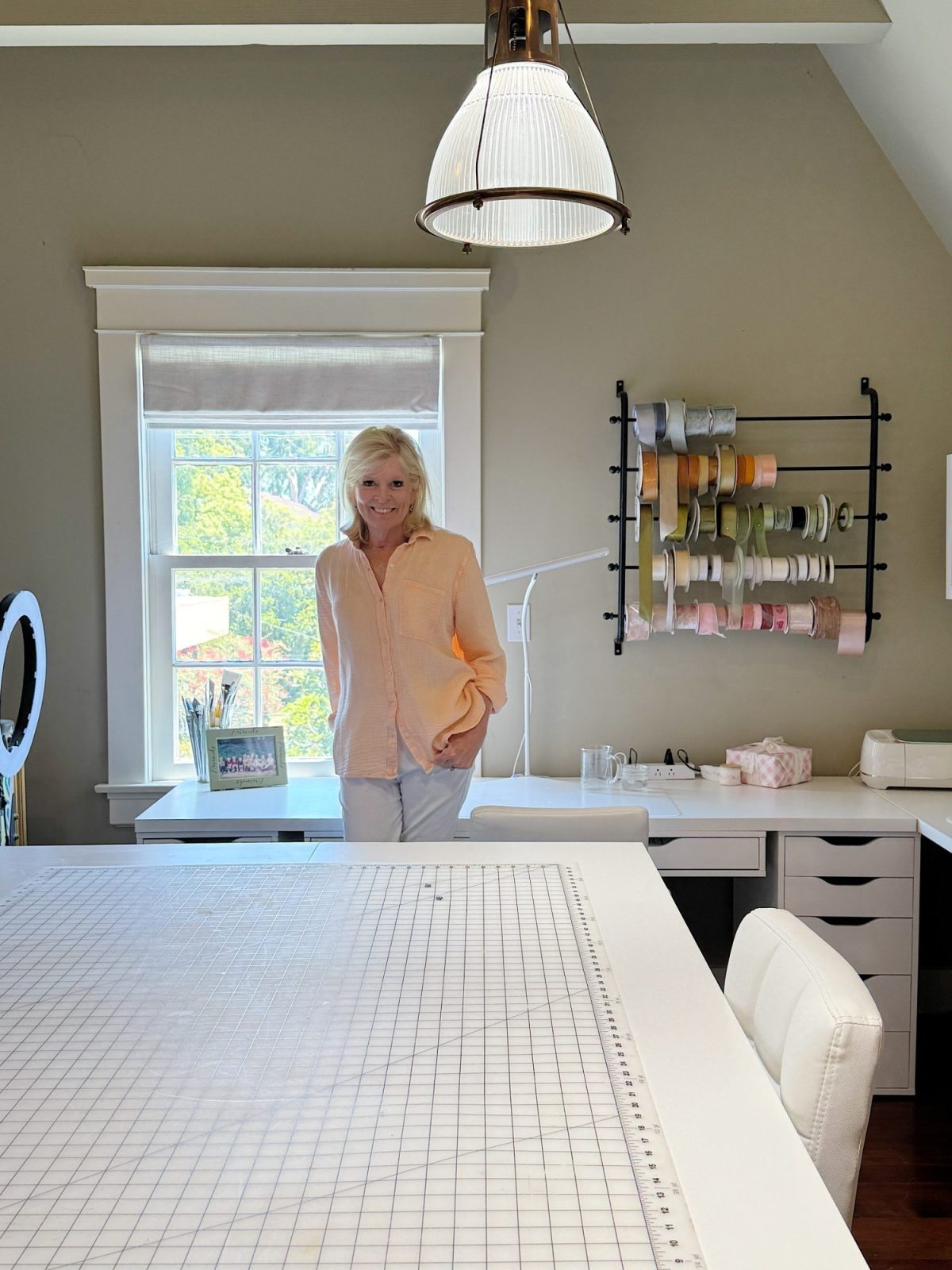
A large, sturdy work table is the most important piece in any craft room. You need space to spread out, cut, design, and create without constantly moving things around.
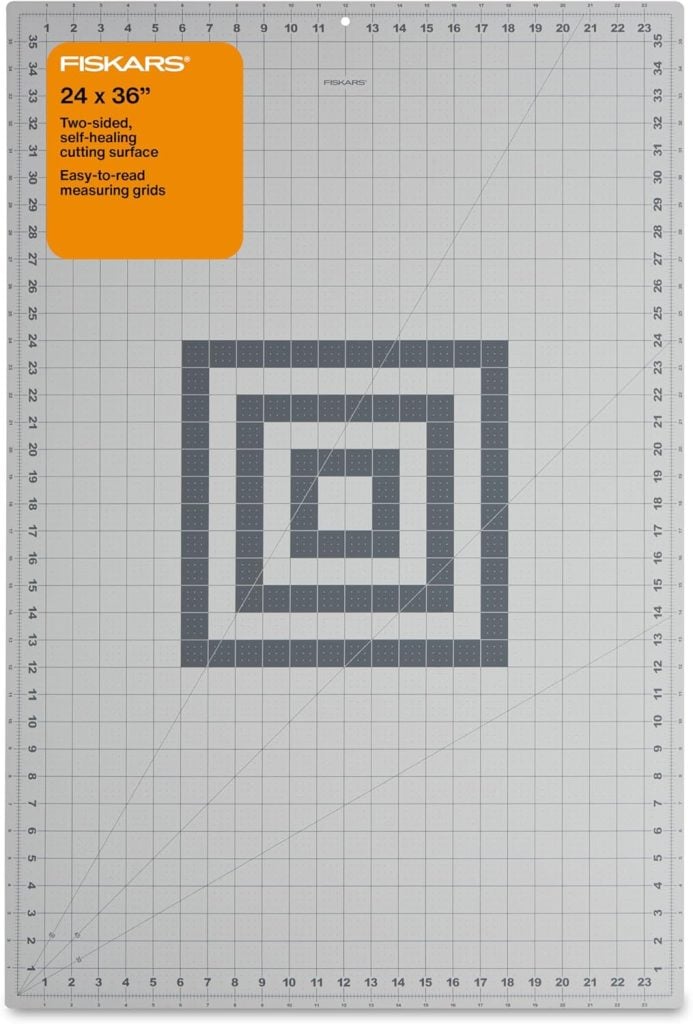
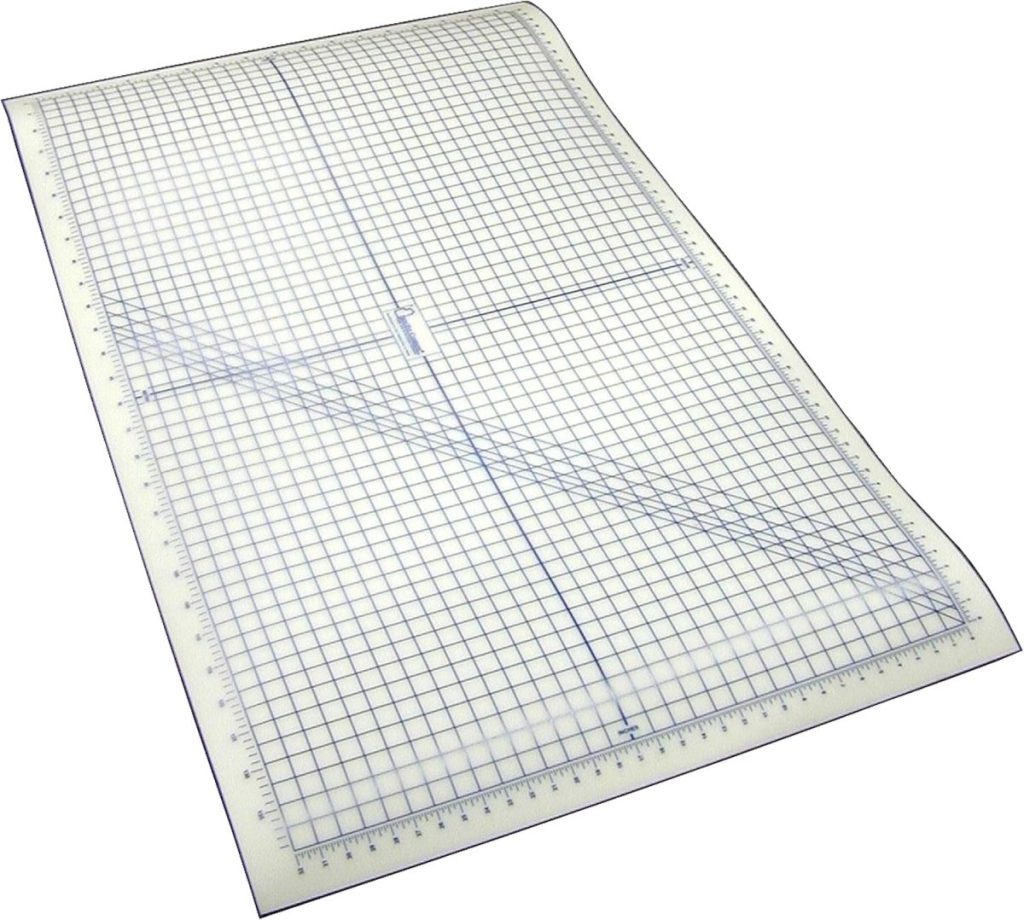
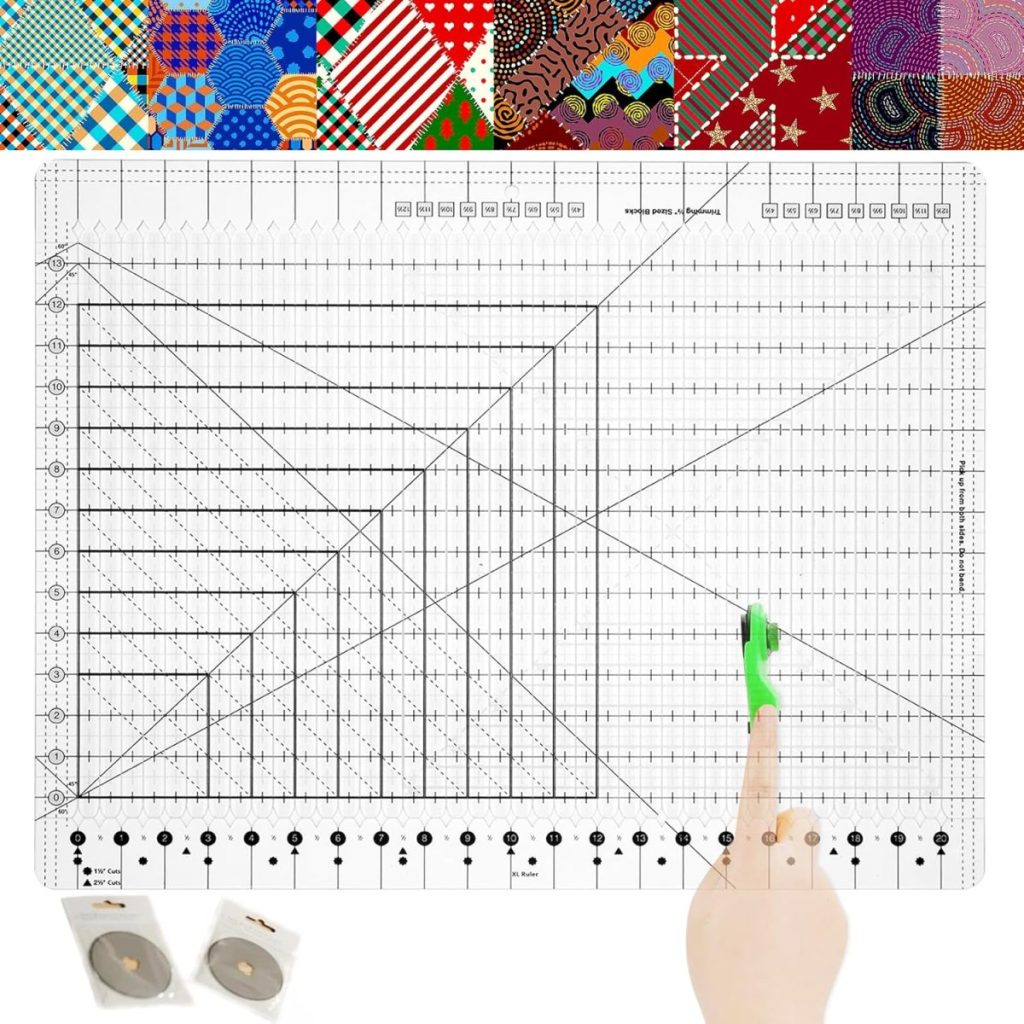
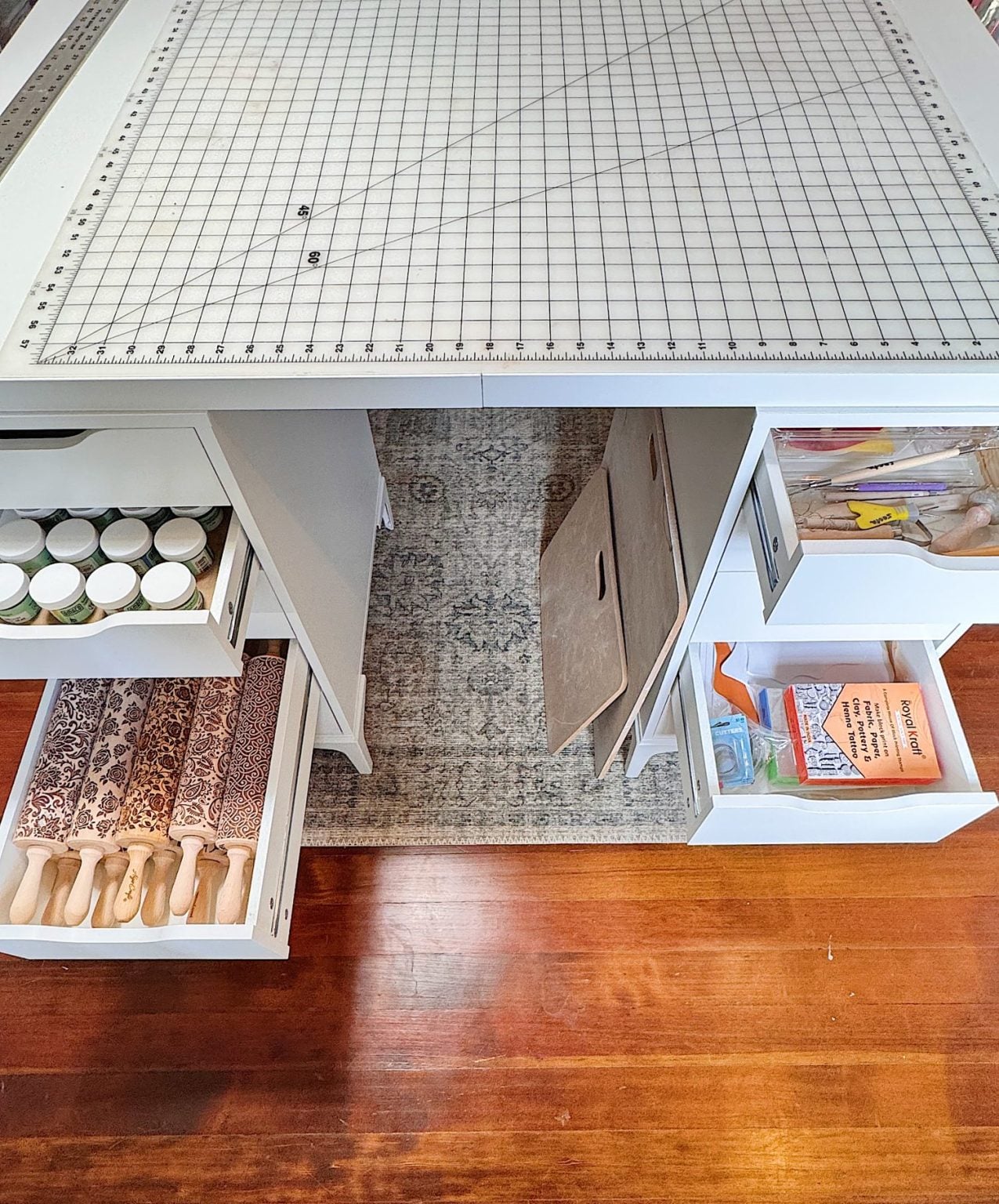
Cutting Mat with 1″ Squares
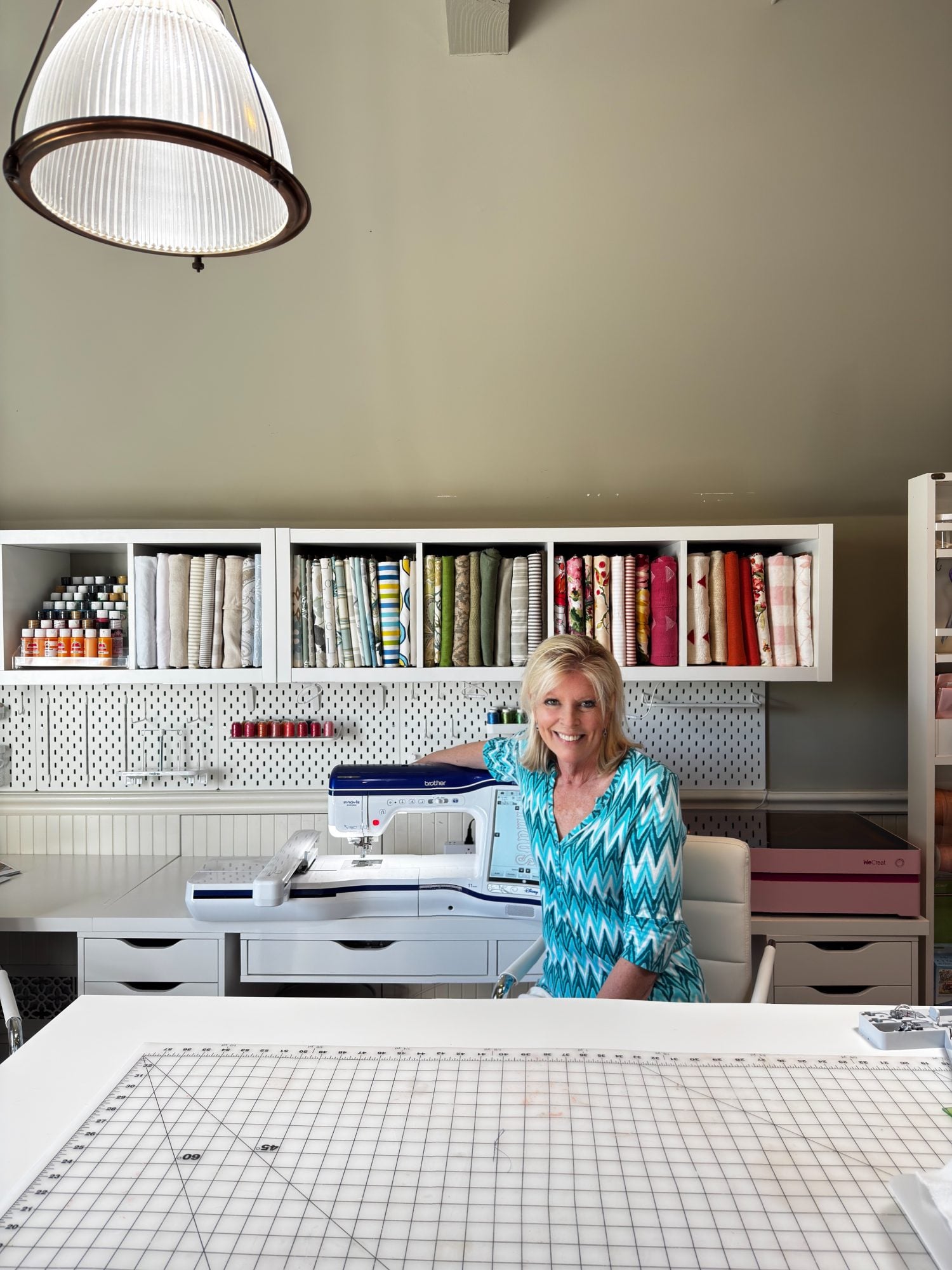
I use this for everything. And I mean everything. The 1″ grid makes it so easy to measure, cut straight lines, and lay out embroidery designs. I use it for fabric, paper, clay, and even planning projects. If I could recommend only one surface tool, this would be it.
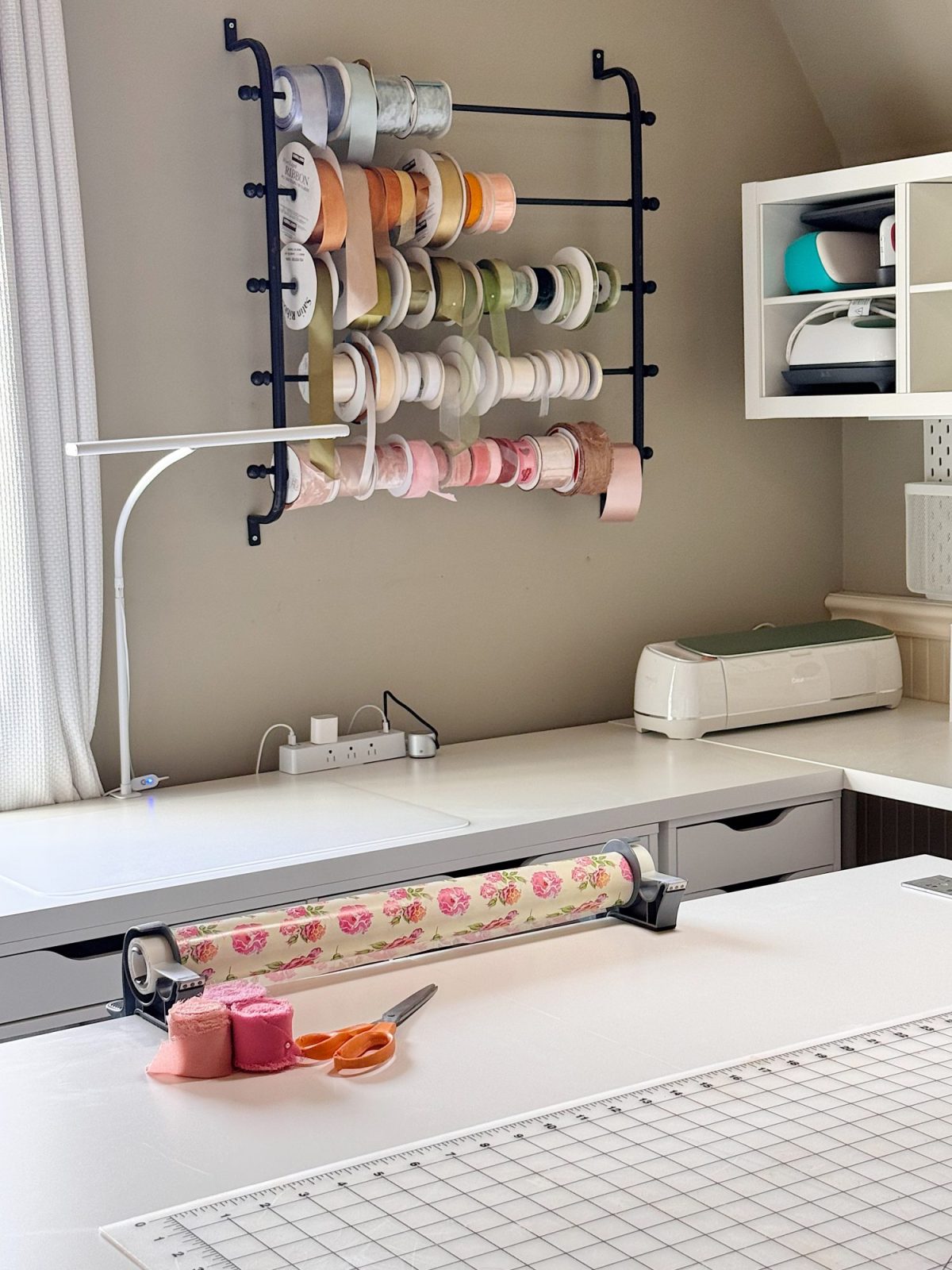
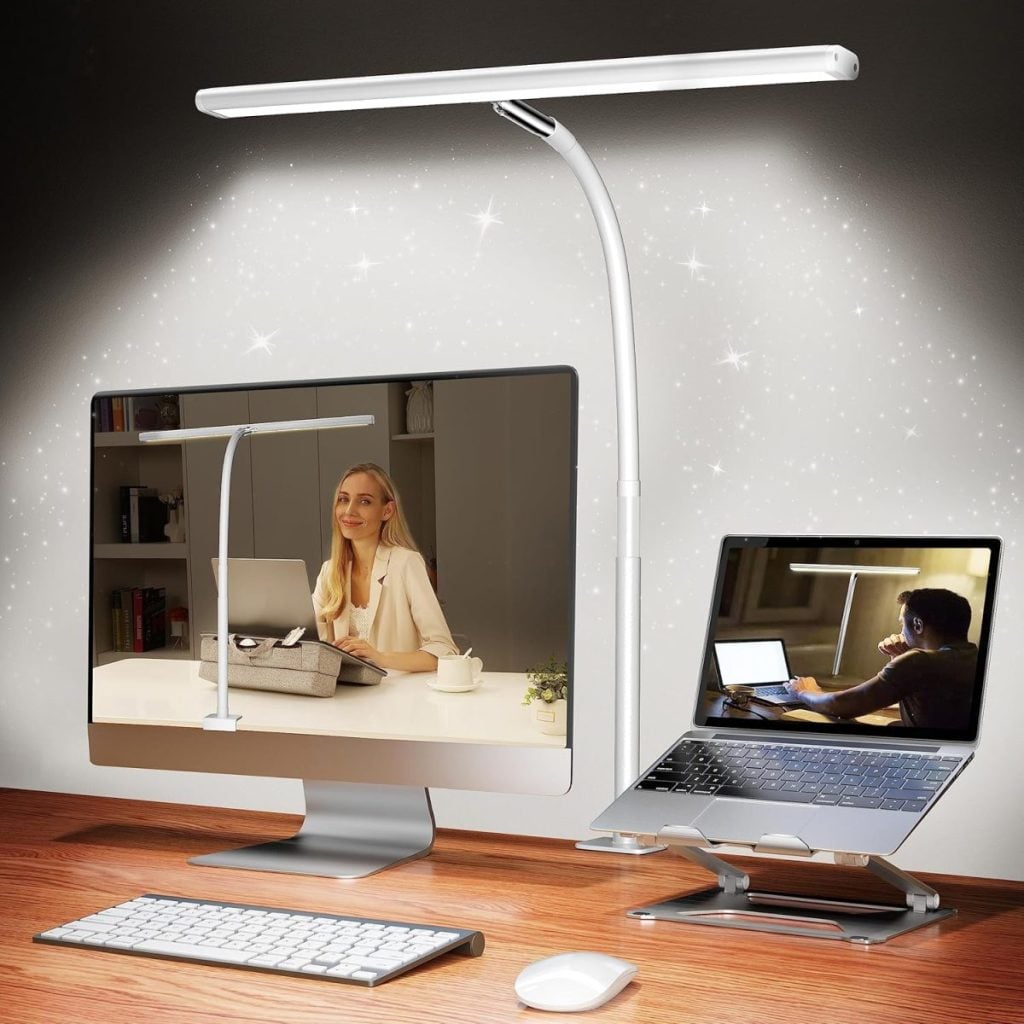
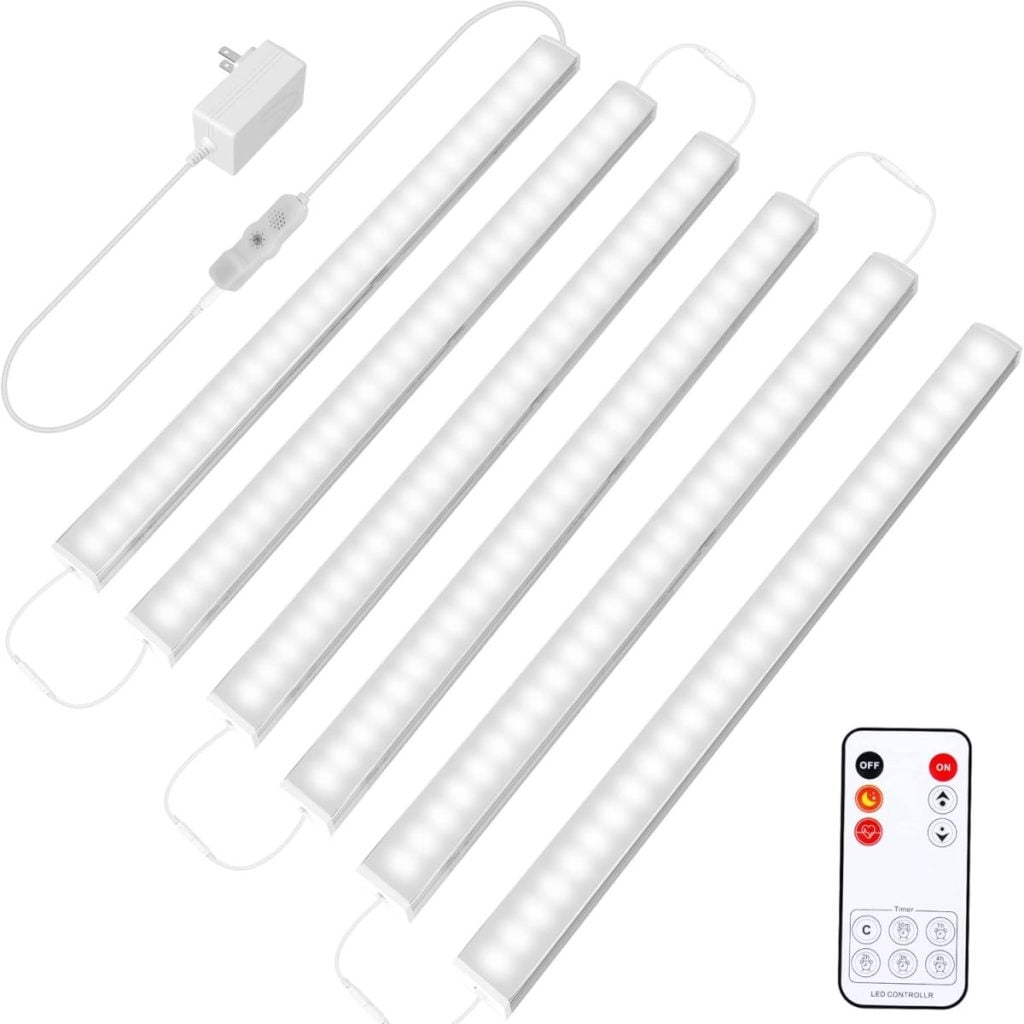
Good Lighting
Natural light is ideal, but you also need strong overhead or task lighting. You should never be guessing at colors or straining to see details.
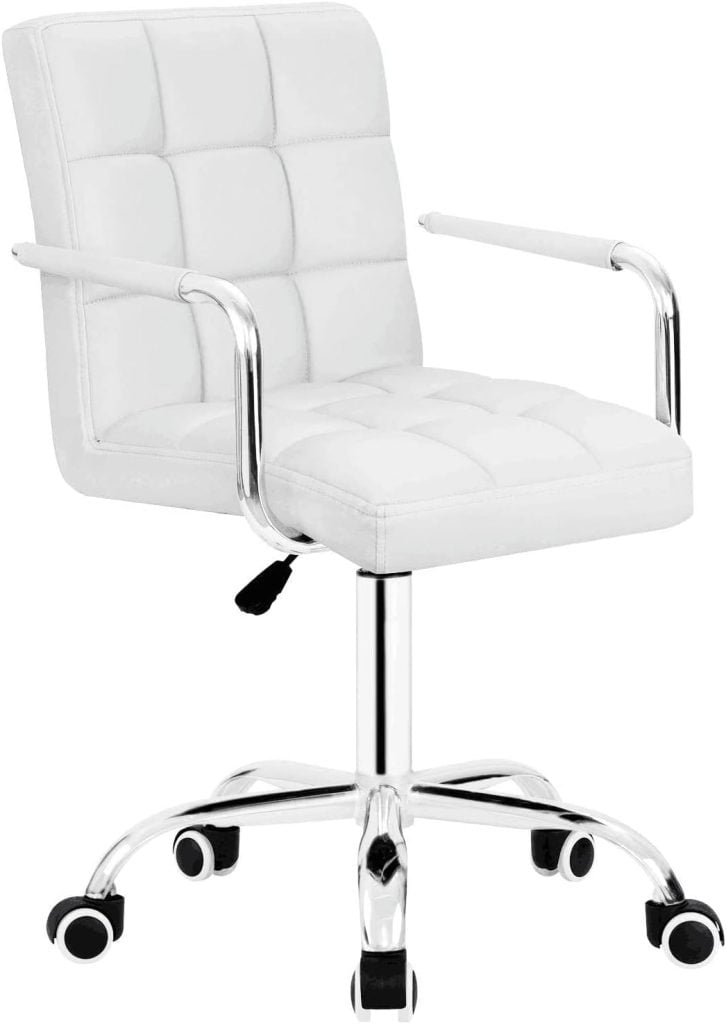
Comfortable Chair
If you are sewing, embroidering, or crafting for any length of time, a good chair matters. It makes a big difference in how long you can comfortably work.
I may use affiliate links on this blog, which means I earn a small commission if you make a purchase through them. The price will be the same whether you use the affiliate link or go directly to the vendor’s website using a non-affiliate link.

Good to Have
Multiple Work Zones
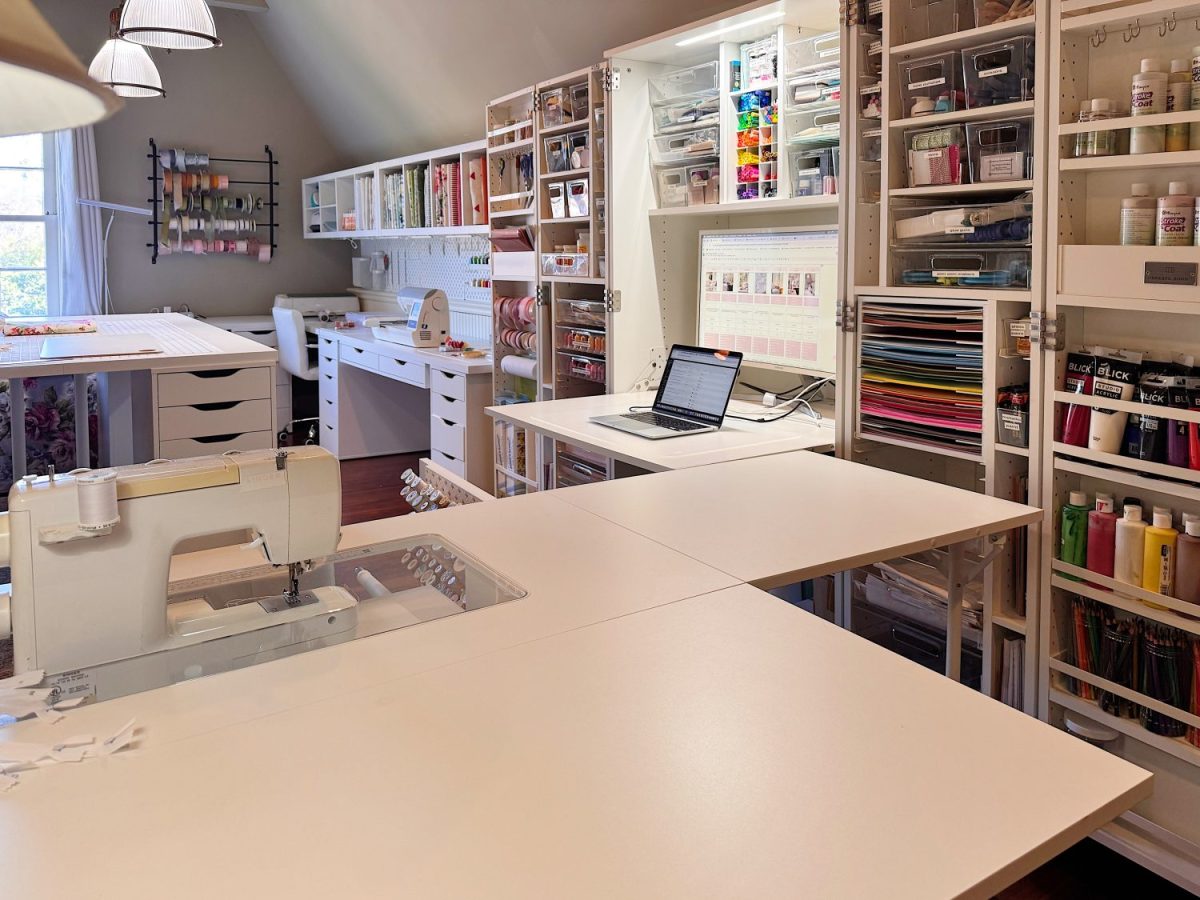
If you have the space, separate areas for different crafts make everything easier. One for sewing, one for paper crafts, one for clay. It helps keep projects organized and prevents constant setup and cleanup.
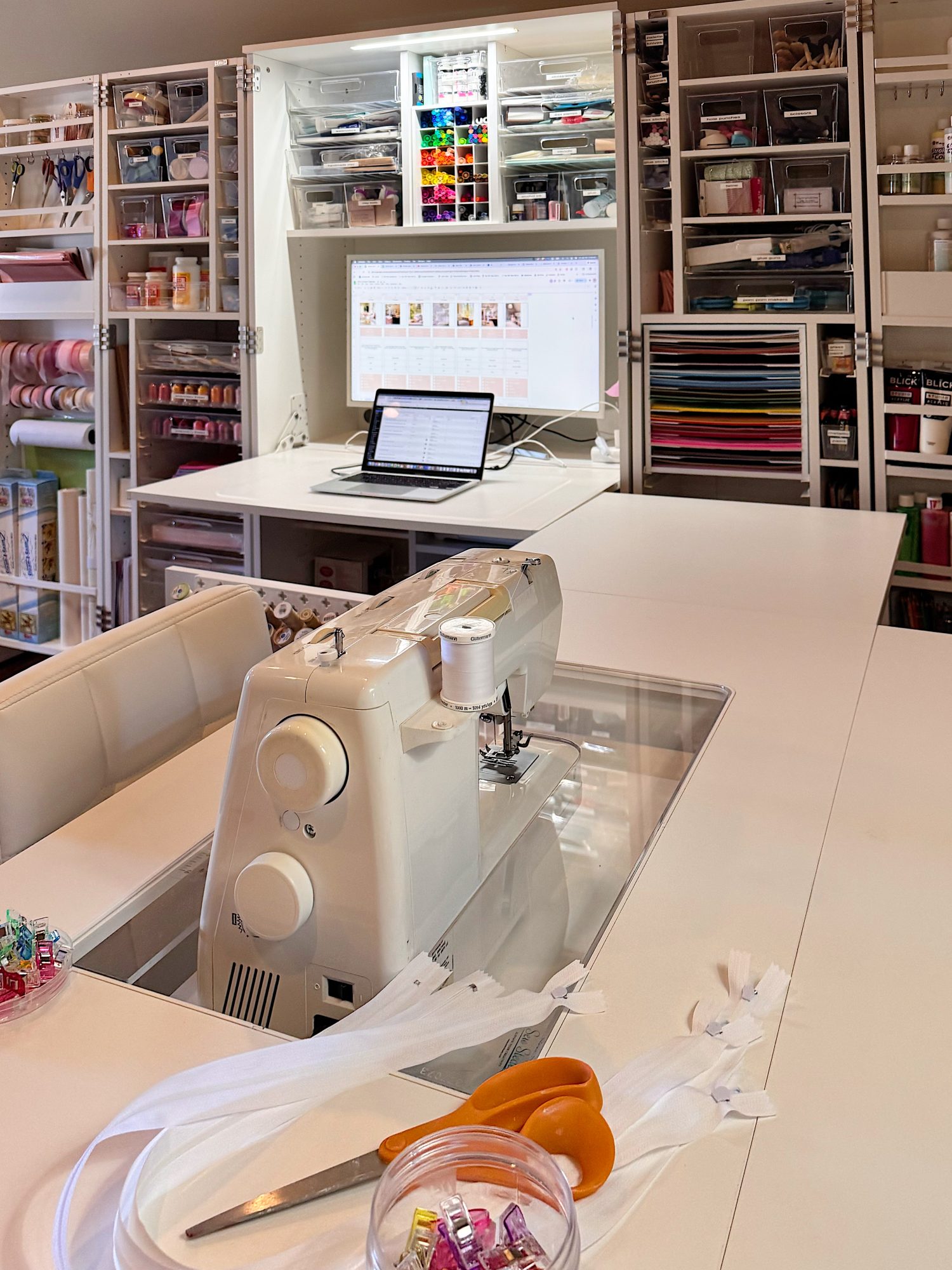
You can set up an entire craft room with one of the Create Room solutions. I own a Dreambox and a Dream Station. The Dreambox holds almost everything you need in a craft room and has a great work table. You can also get side tables that attach to the Dreambox.
And, Create Room just introduced a DreamBox XL! It’s incredible. Free financing is available.
The Dream Station holds your sewing machine and includes two huge fold-up tables that provide all the cutting and sewing space you need.
For all the Dreambox options, click here and use my Code: MY100YEAROLDHOME.
Link: https://www.createroom.com?ref=060yq Code: MY100YEAROLDHOME
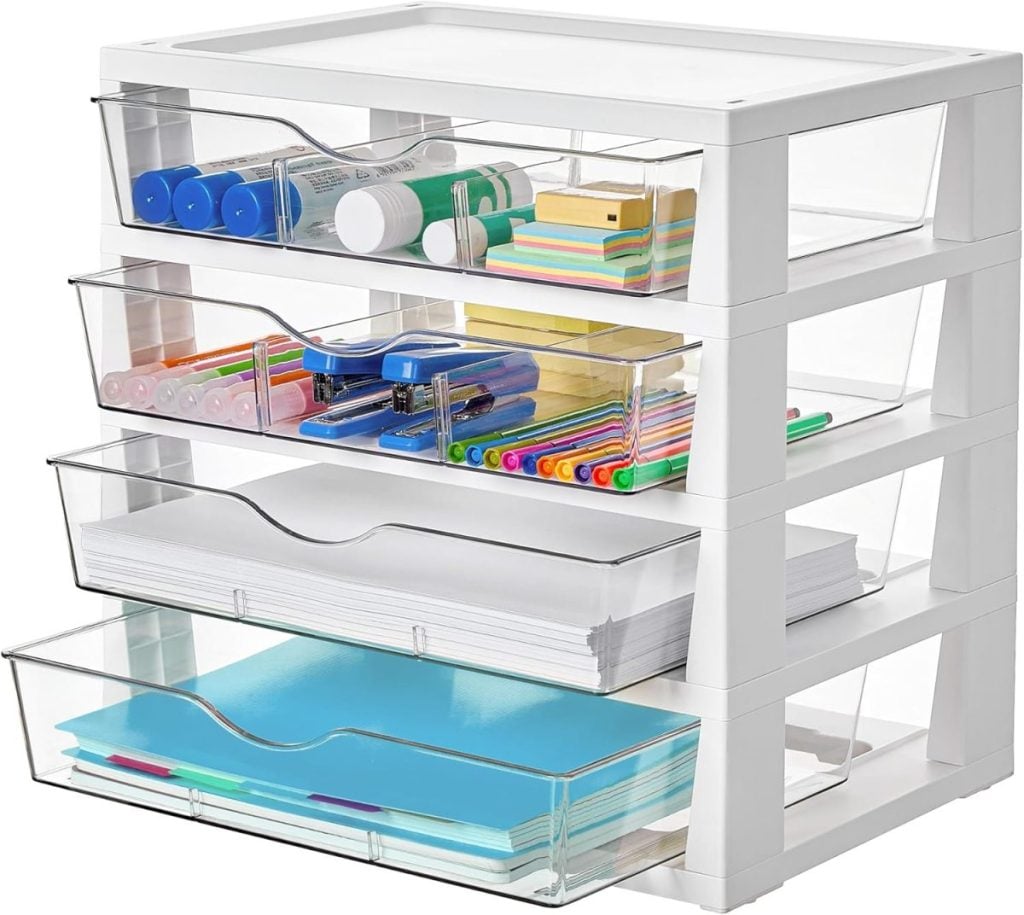
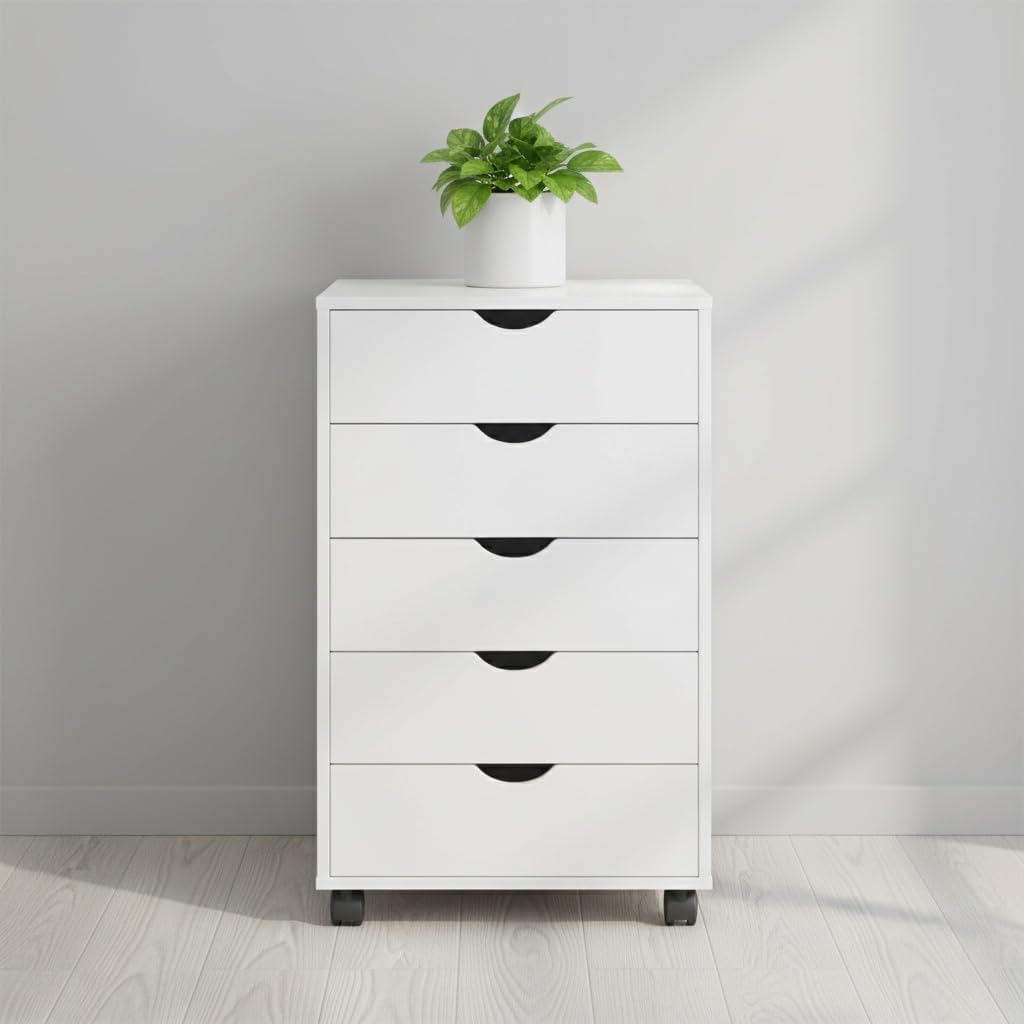
Accessible Storage
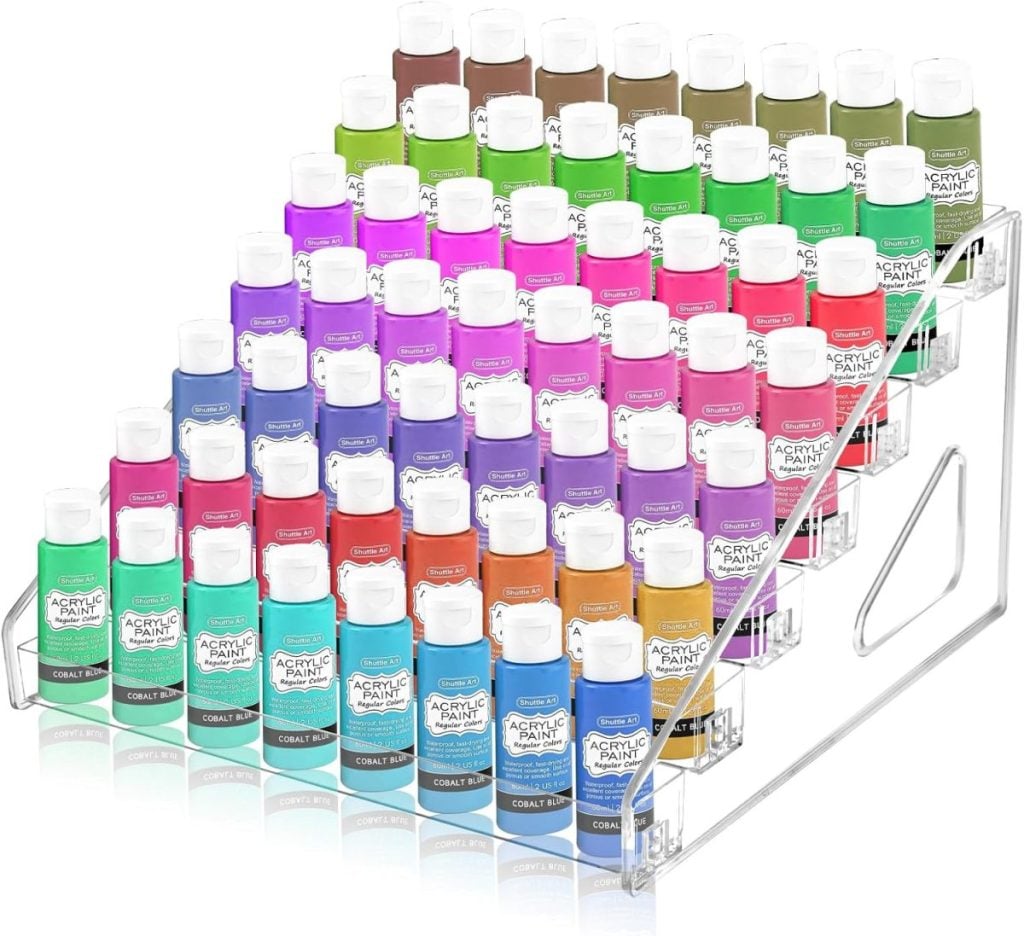
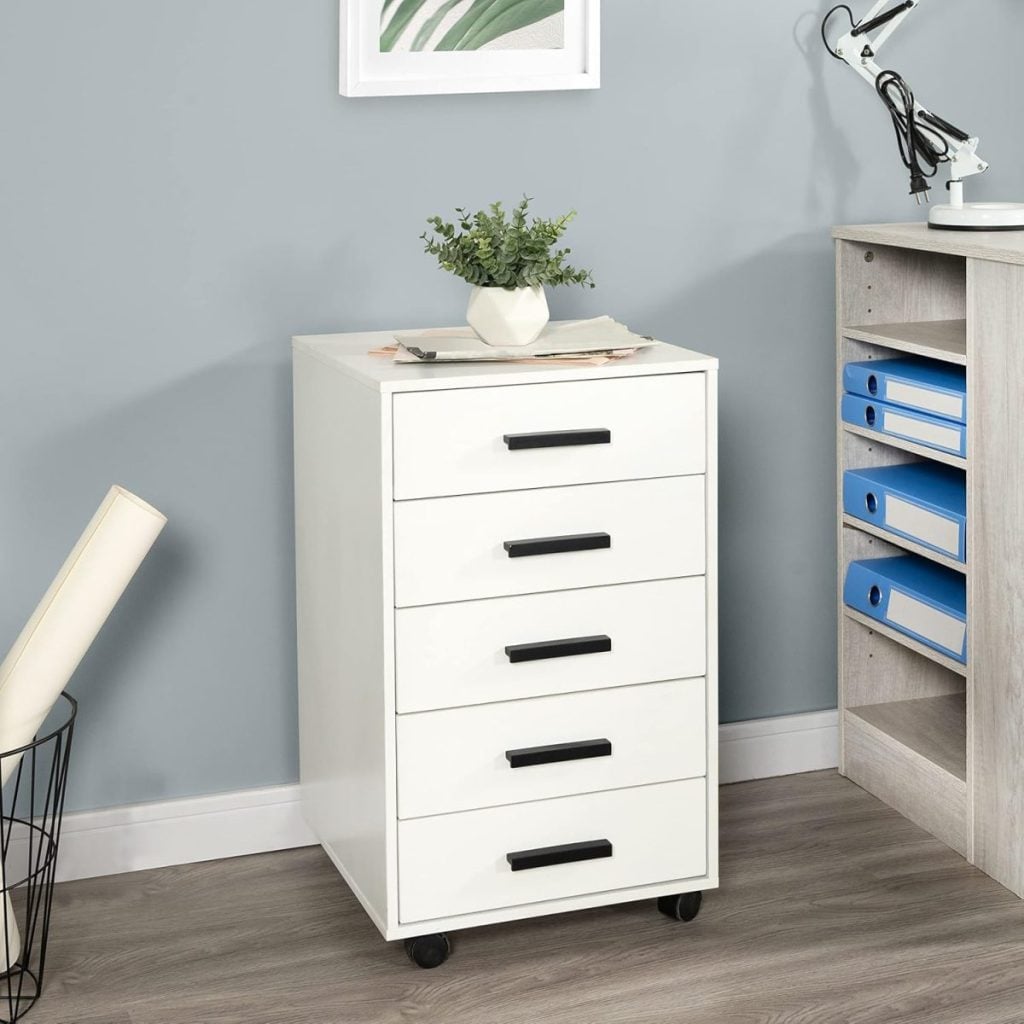
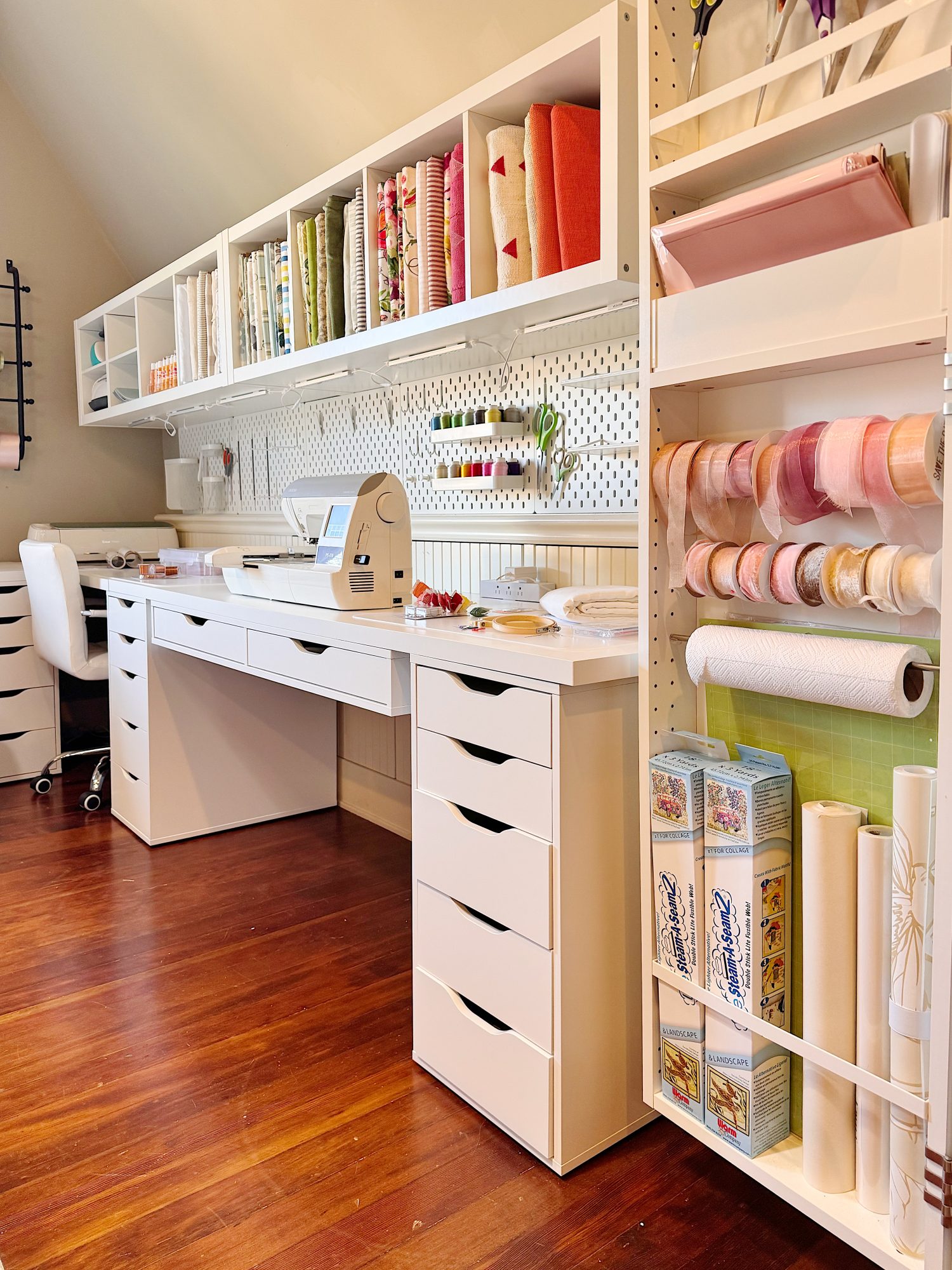
You need storage that works for you. Drawers, bins, shelves. The key is being able to see and easily reach your supplies. If you cannot find it, you will not use it.
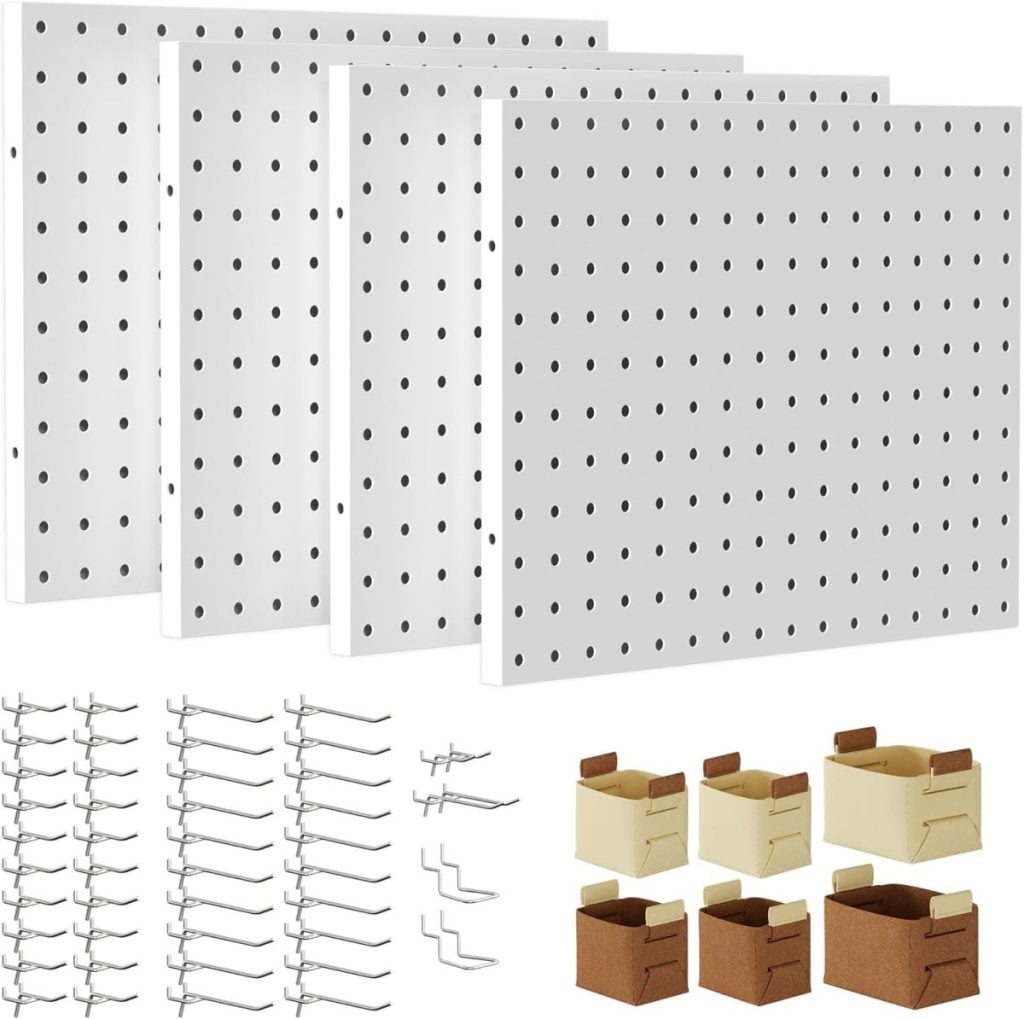
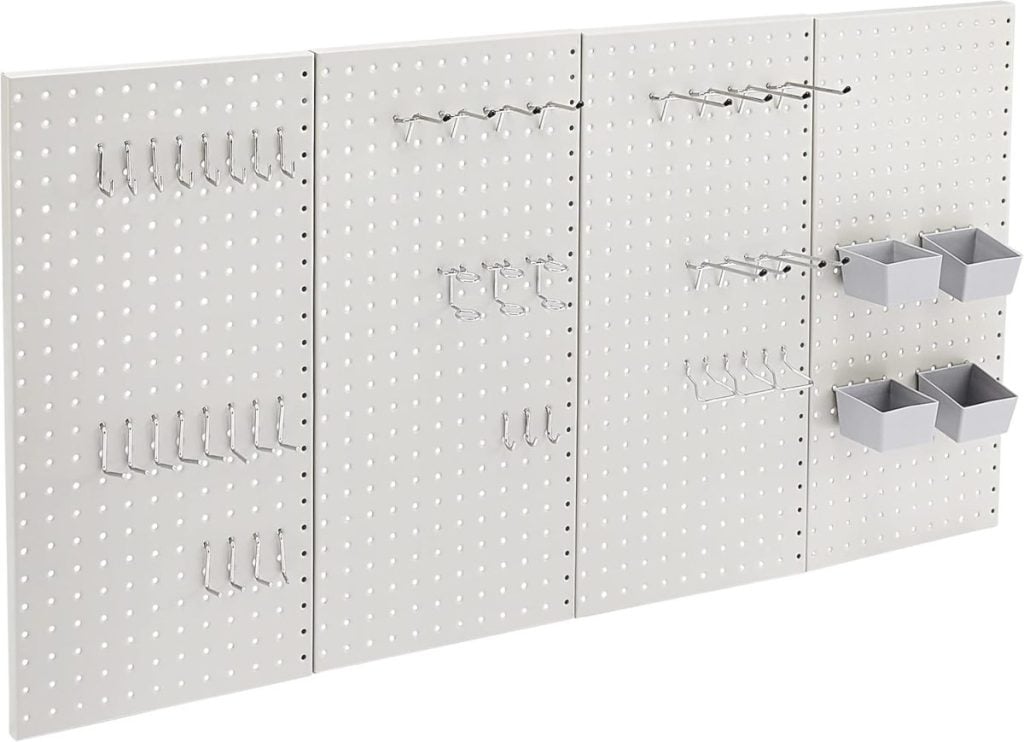
Wall Storage or Pegboards
These are great for tools you use often. Scissors, rulers, and supplies are easy to grab and easy to put back.
Extra Bonuses
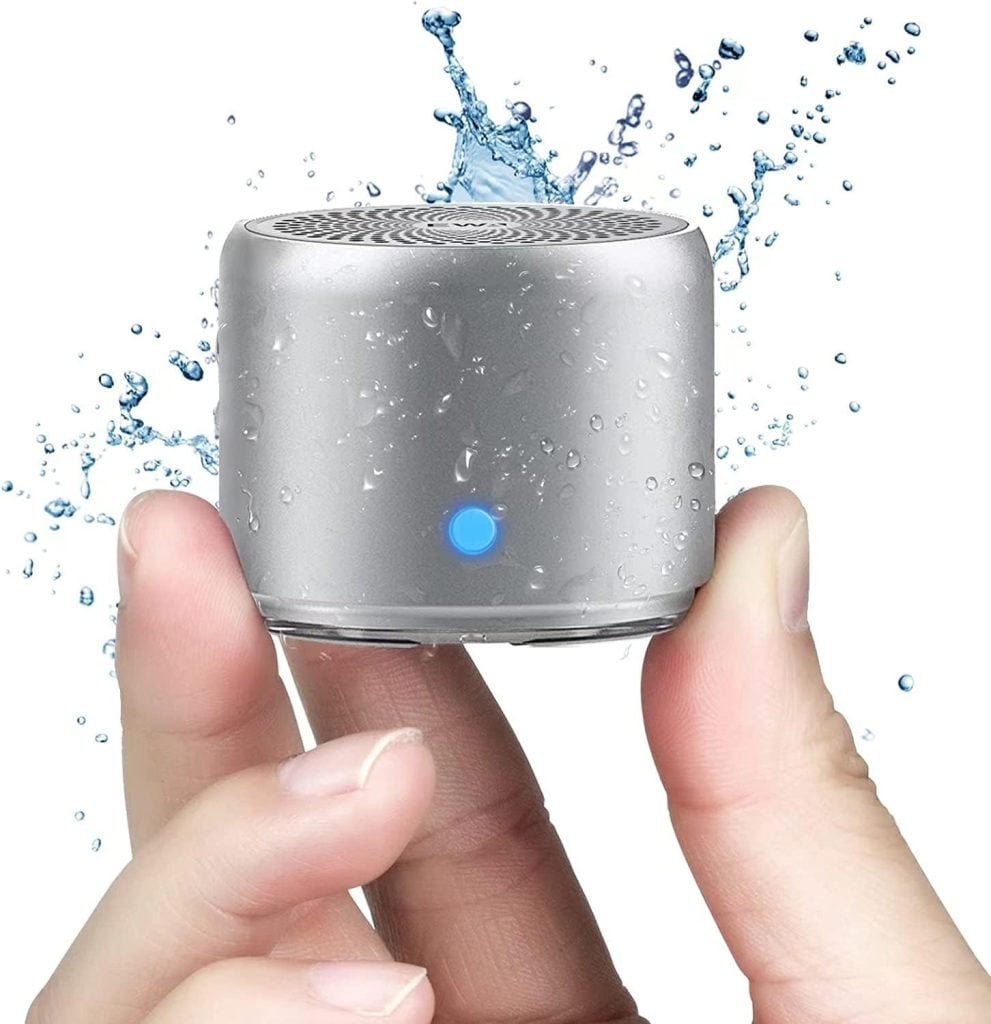
Music or TV
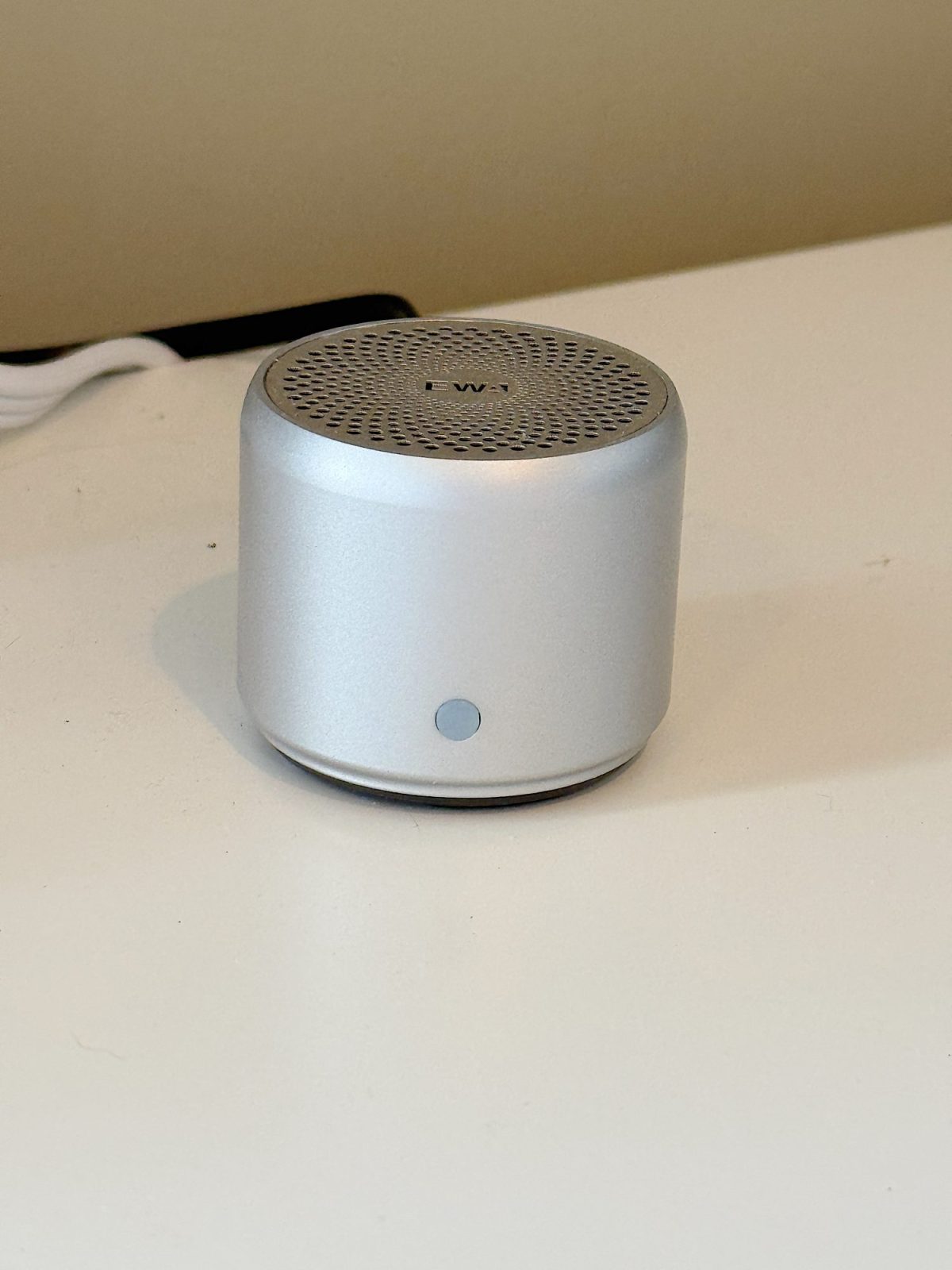
This might sound small, but it matters. Having music, a podcast, or a show playing in the background makes crafting more enjoyable. It turns your craft room into a place you want to be, not just a place you work.
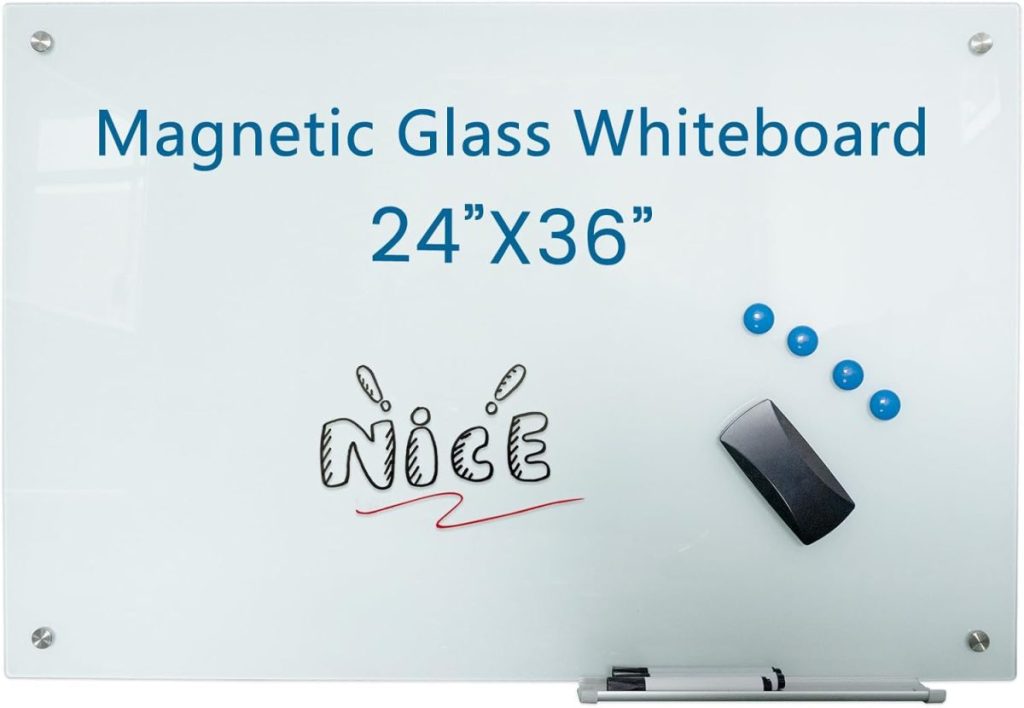
Project Planning Space
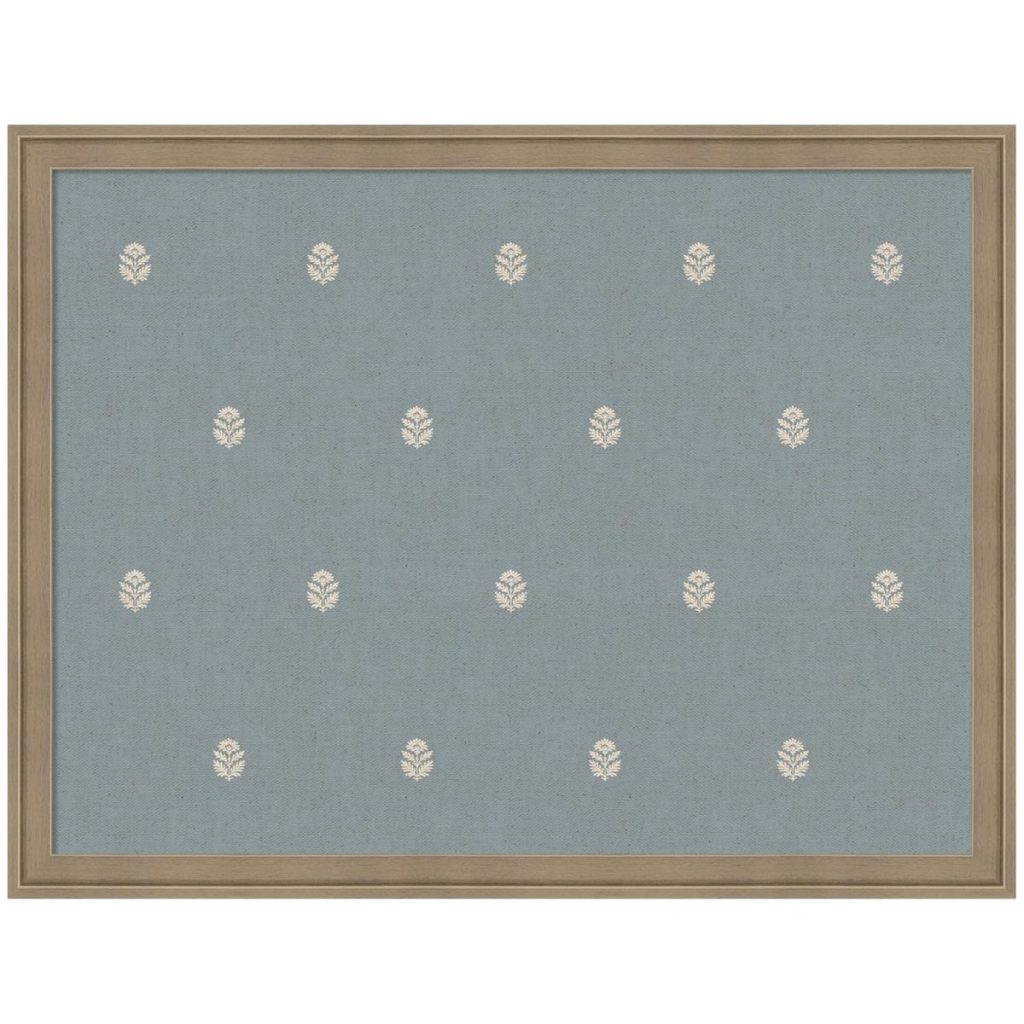
A whiteboard, bulletin board, or even a simple notebook area to map out ideas. This helps you stay organized and keeps your creativity flowing.
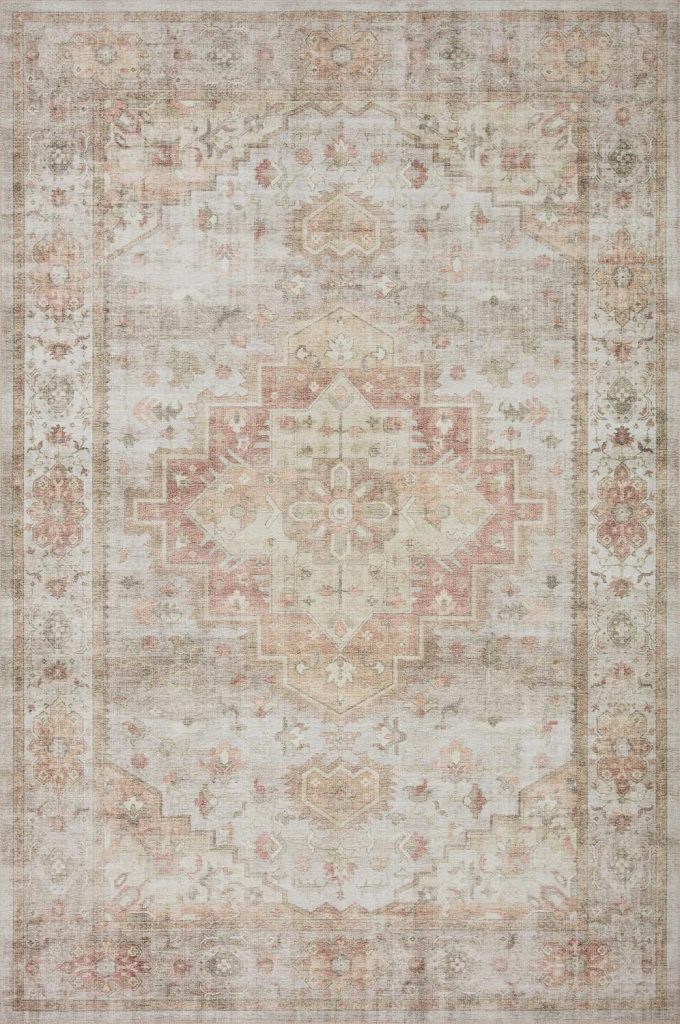
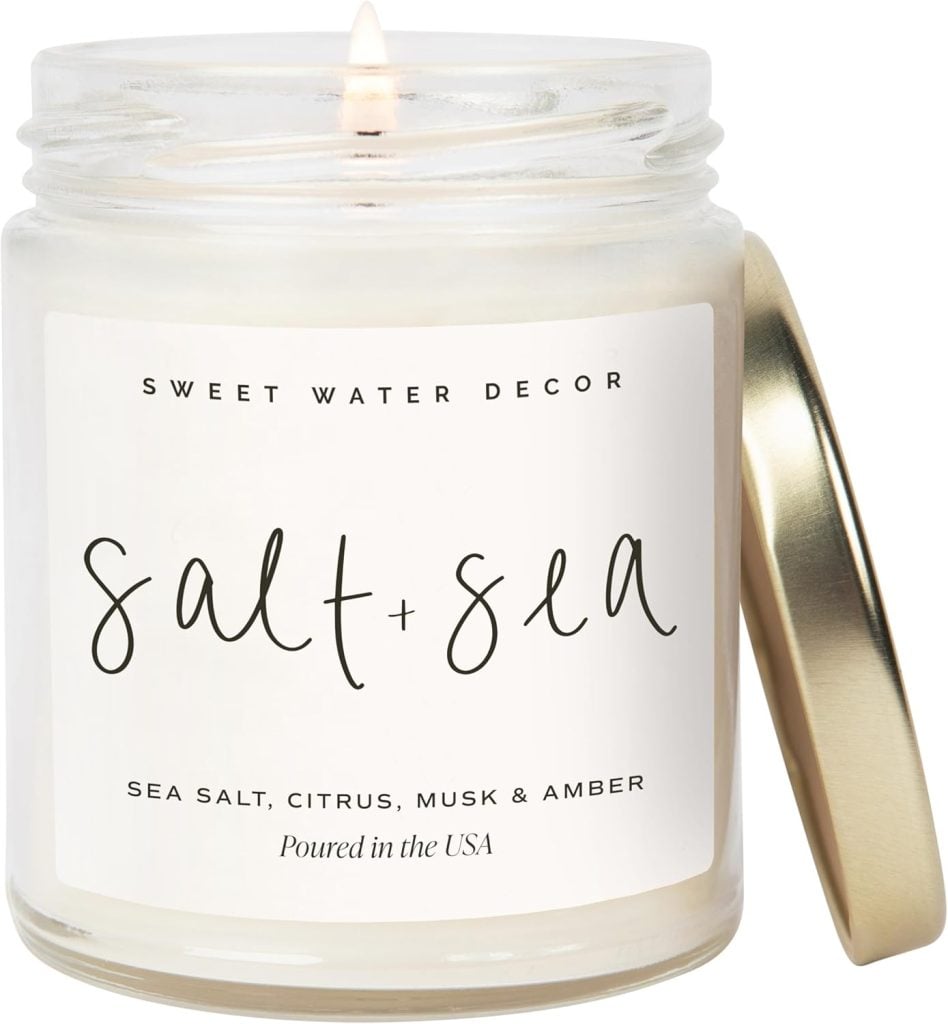
Comfort Details
Things like a small rug, a cozy throw, or even a candle. These are not necessary, but they make your space feel personal and inviting.
The Crafts and Essential Craft Supplies
Sewing and Embroidery
This is one of the areas where tools really matter. The right setup makes everything easier, cleaner, and more enjoyable.
Must Haves
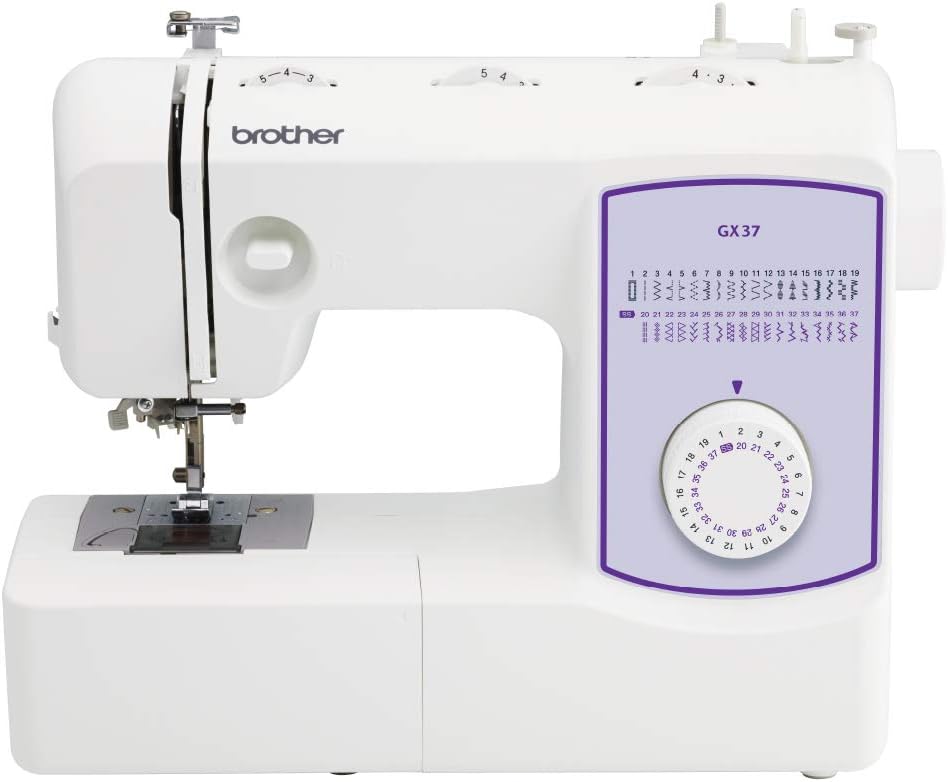
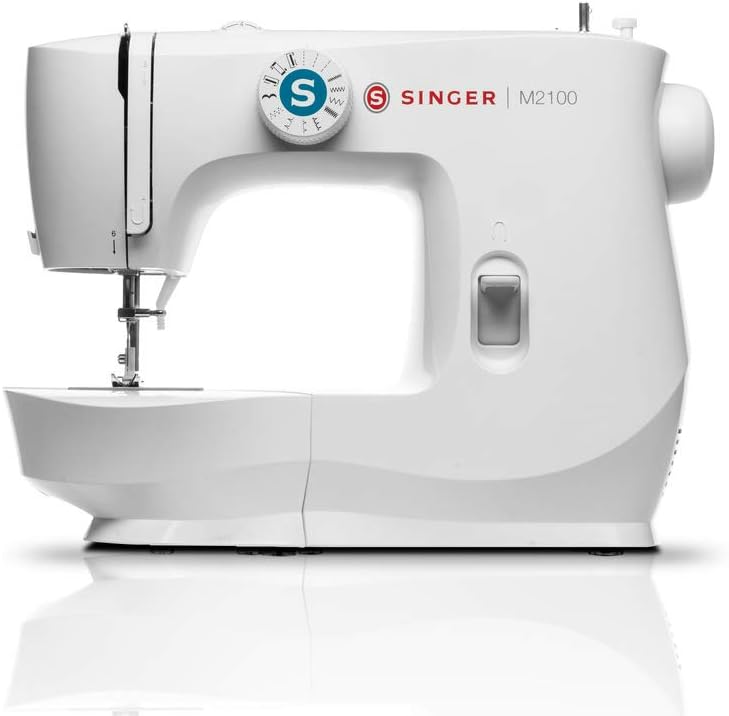
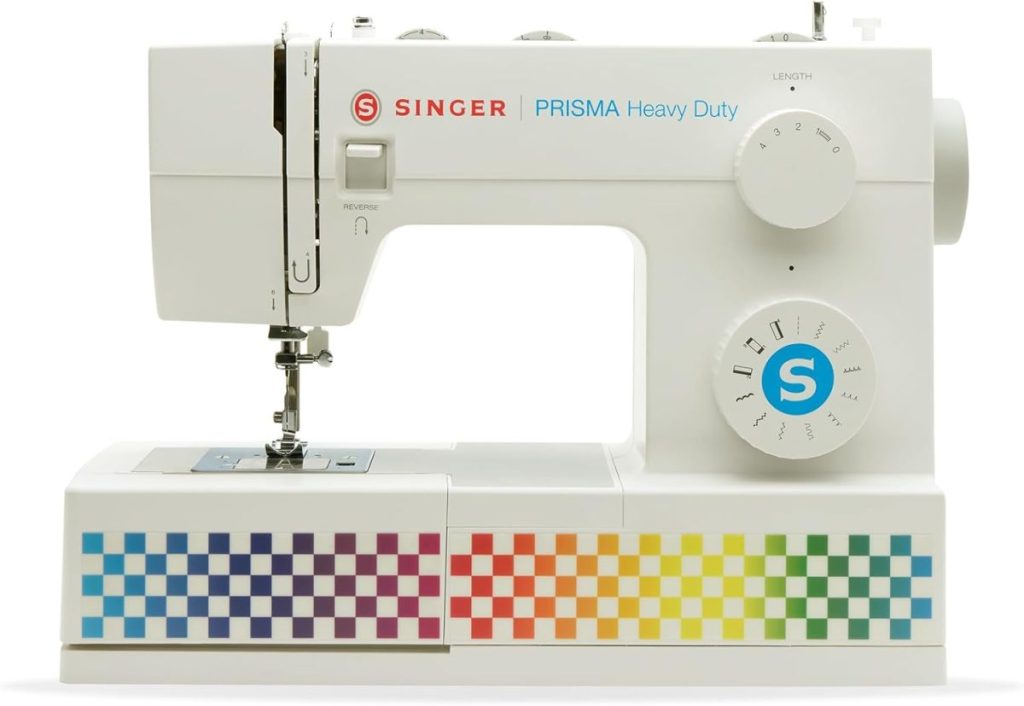
Sewing Machine
A reliable sewing machine is the foundation. It does not need to be complicated, but it should be consistent and easy to use.
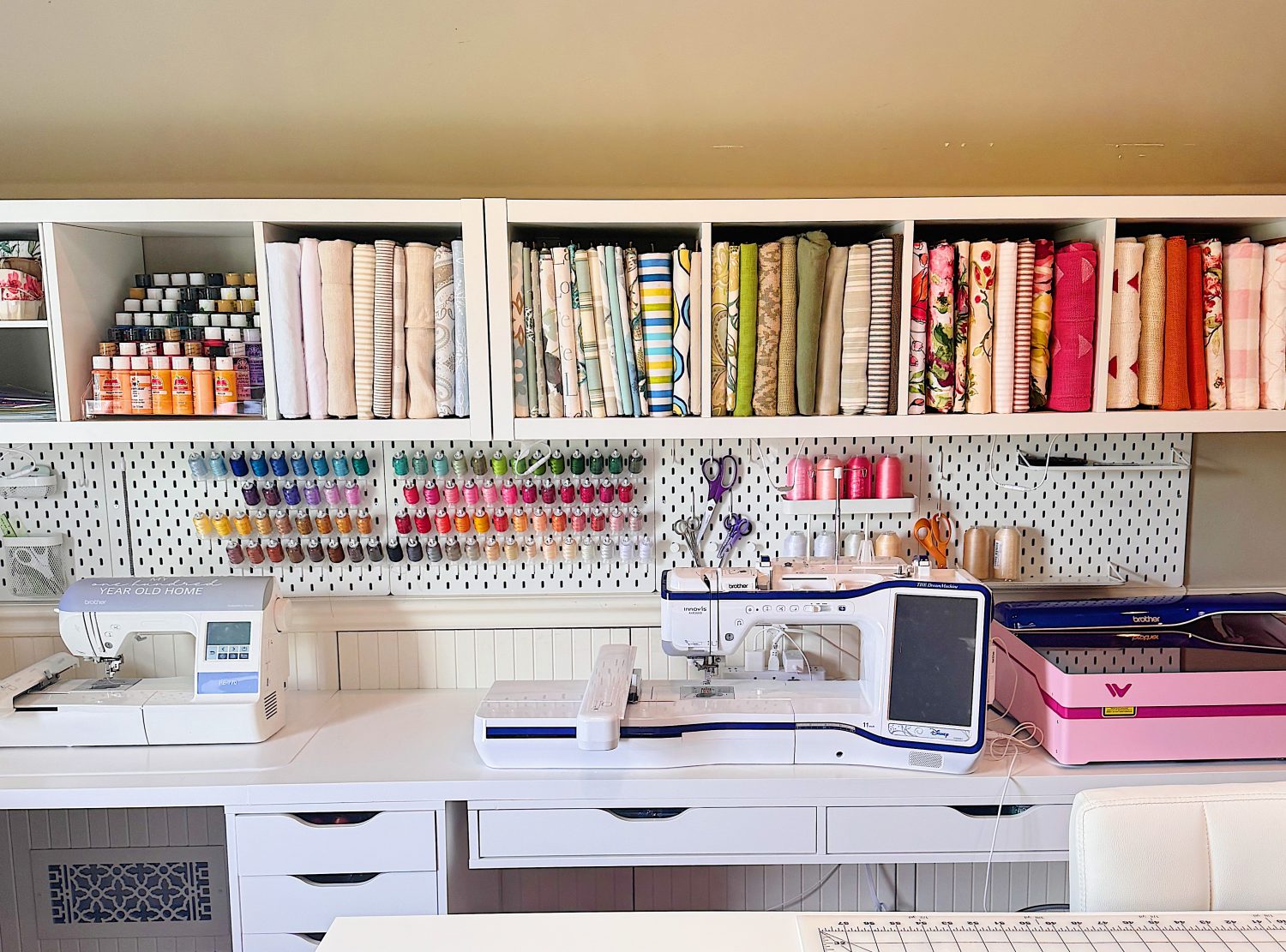
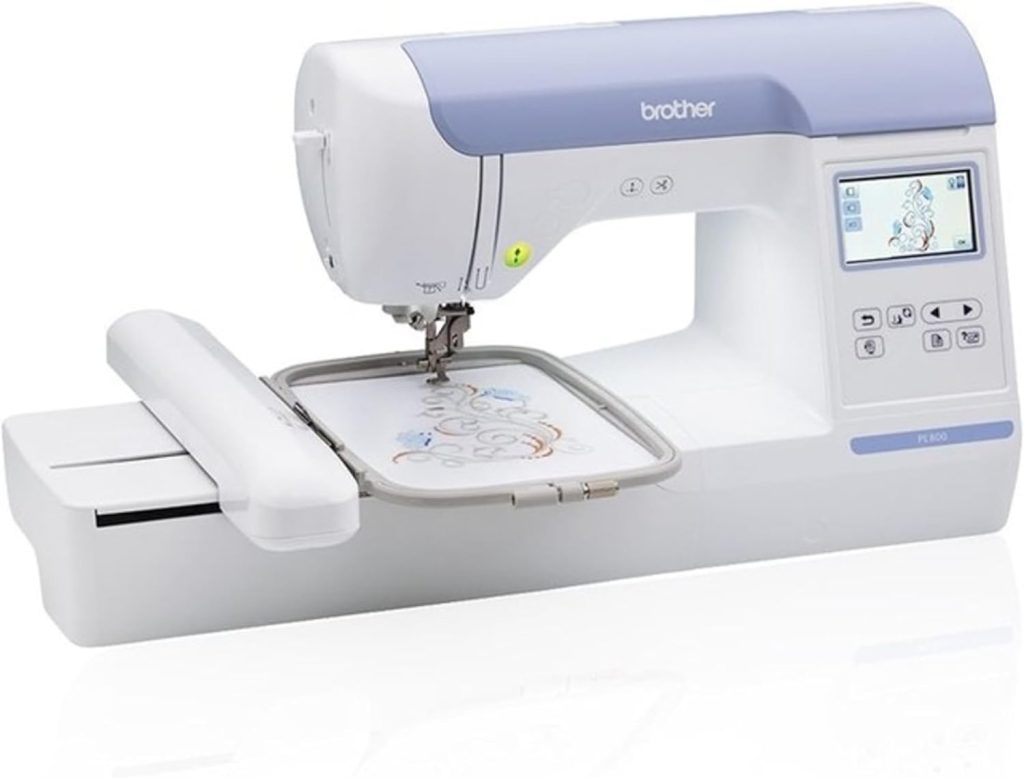
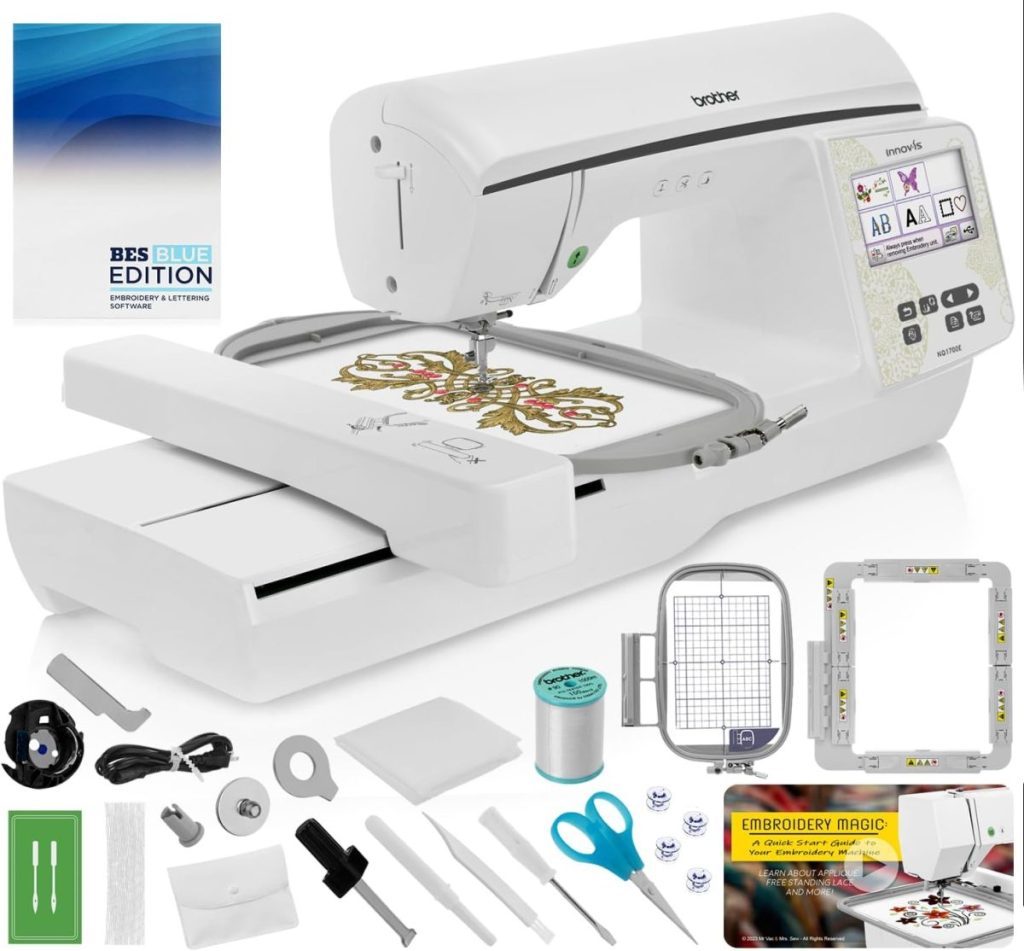
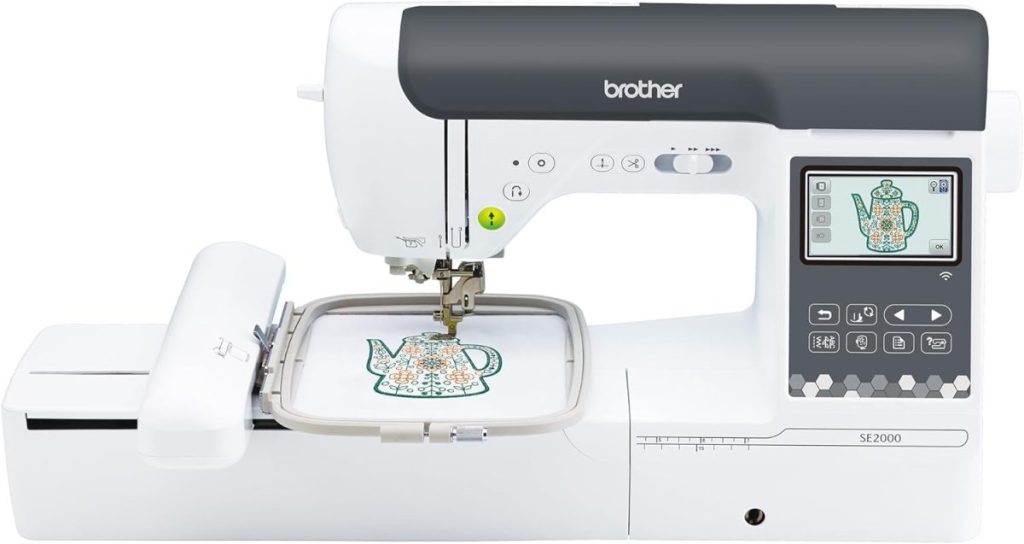
Embroidery Machine
If you plan to do embroidery, this is essential. Even a smaller machine can do beautiful work.
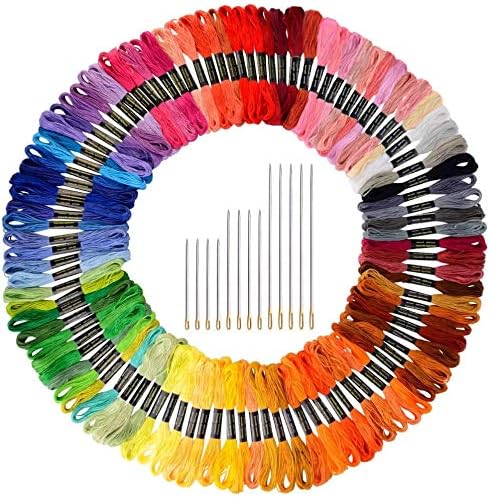
Thread
Good quality thread in basic colors. I use mine constantly and always keep backups.
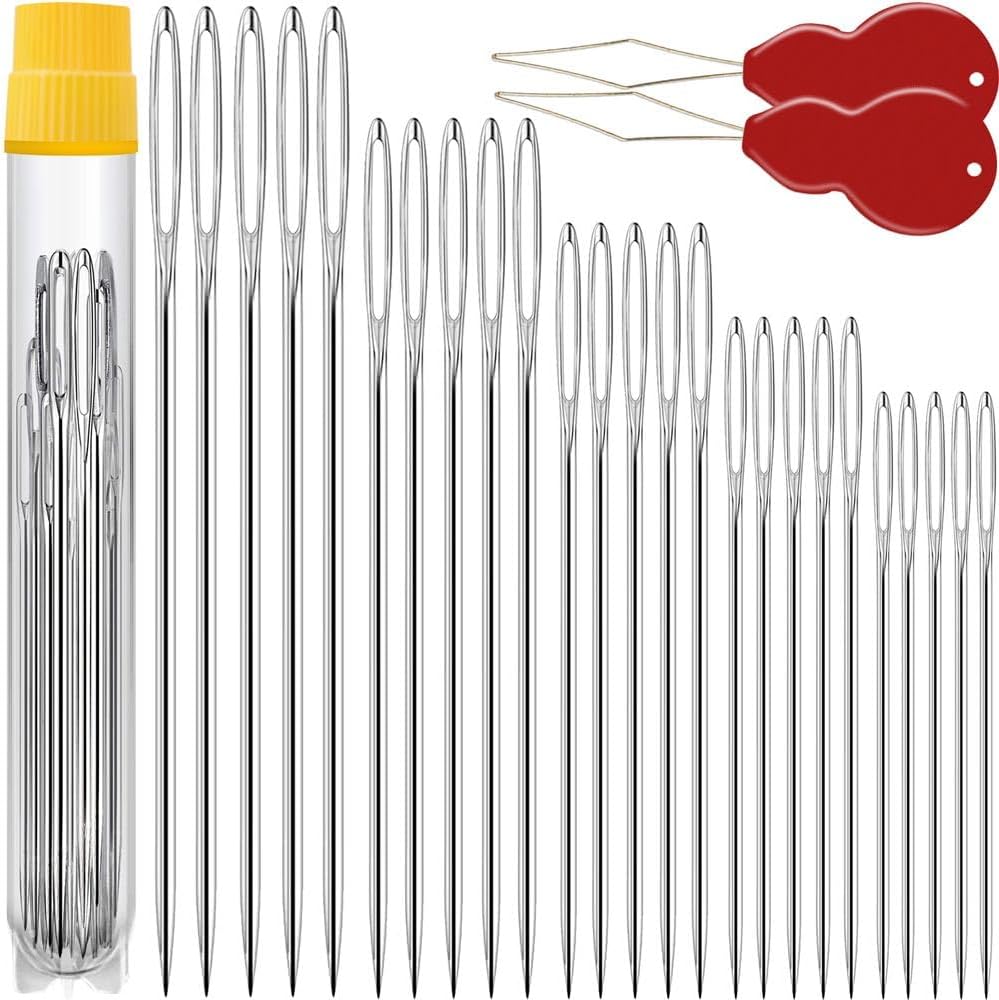
Needles
Different fabrics require different needles. Having a variety on hand will save you frustration.
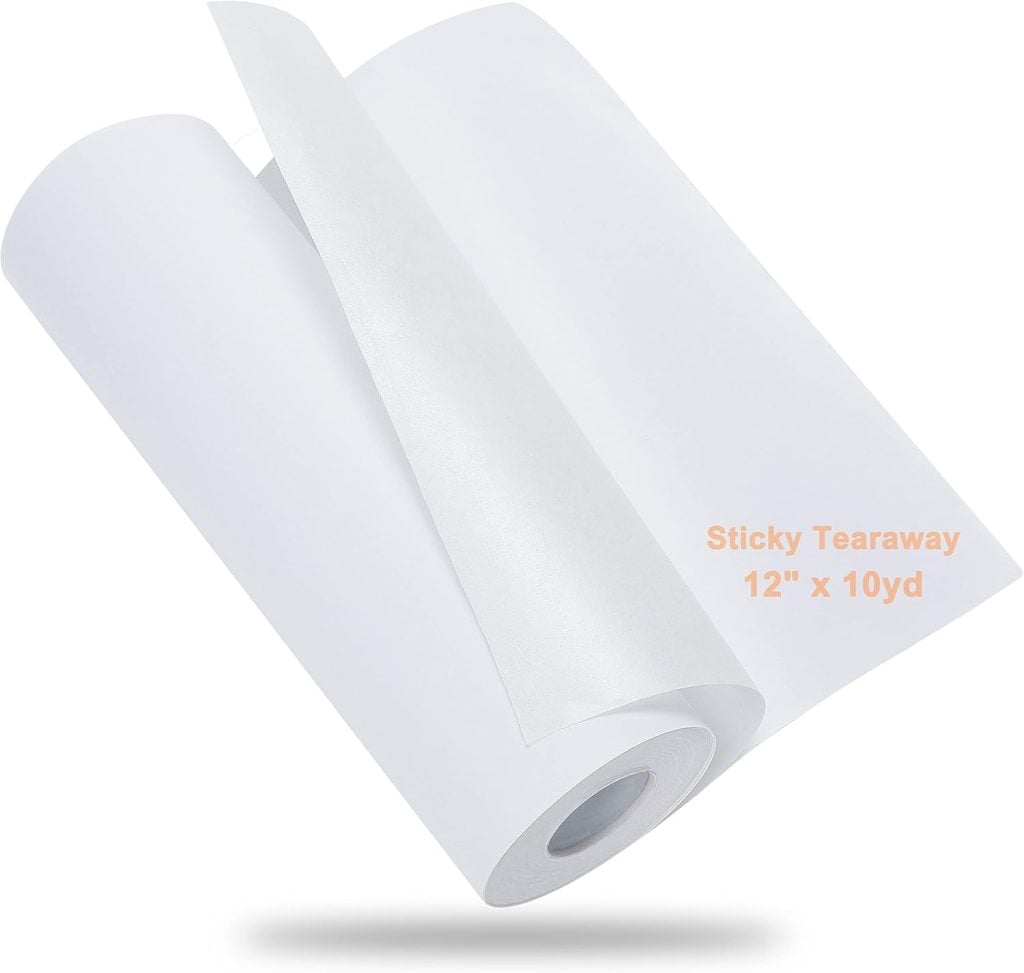
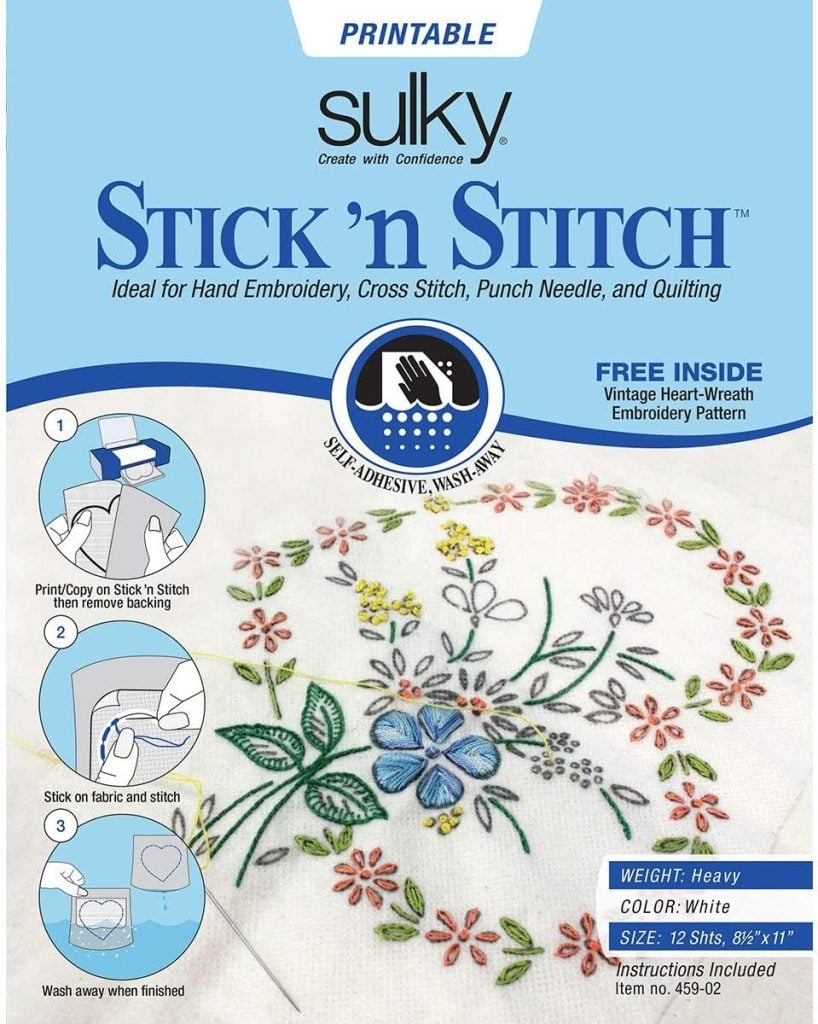
Stabilizer
This is critical for embroidery. Whether it is tear-away, cut-away, or wash-away, it supports your stitches and keeps everything looking clean.
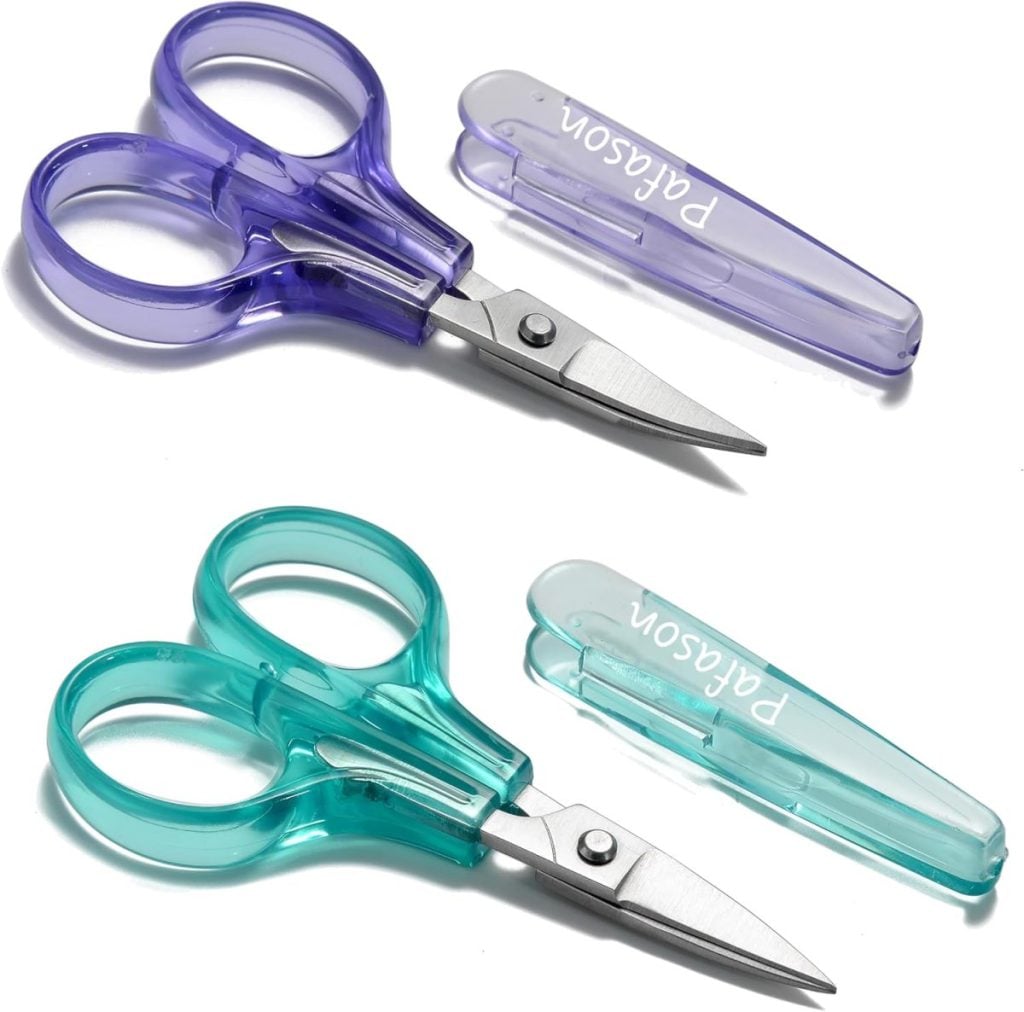
Fabric Scissors
A sharp pair that you use only for fabric. This makes a huge difference.
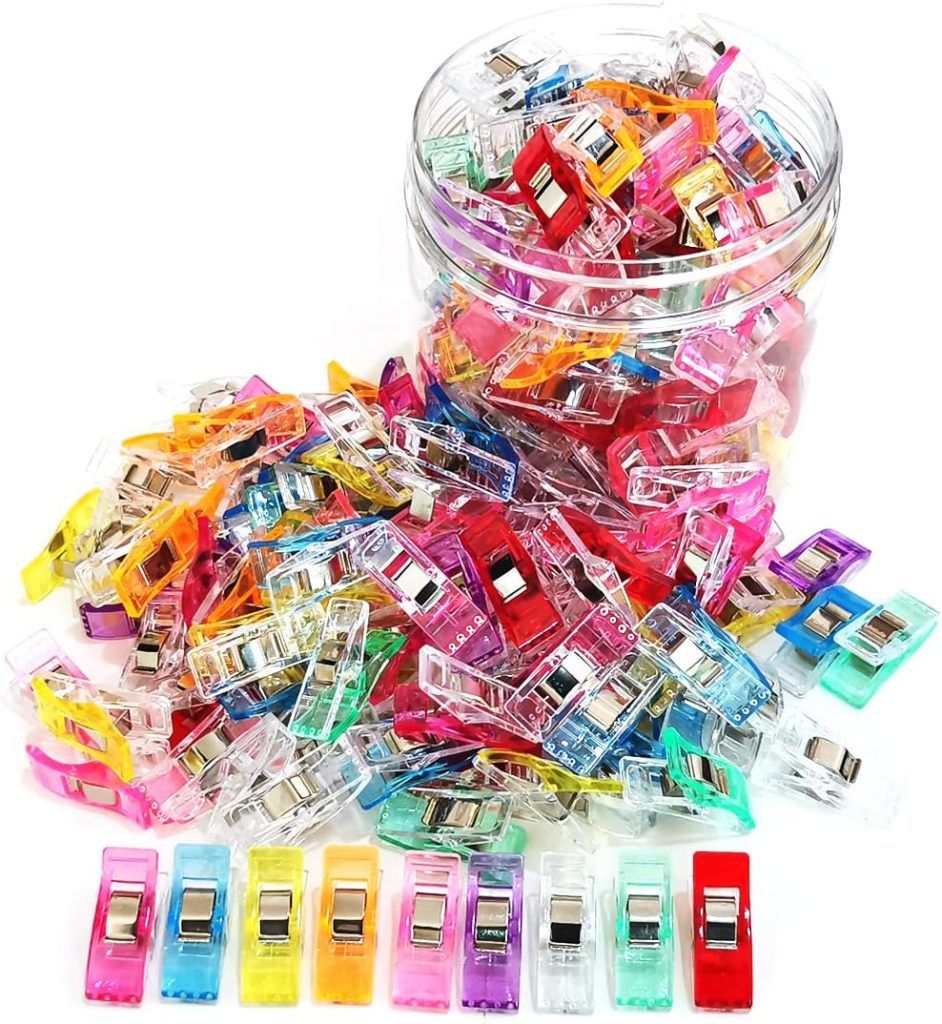
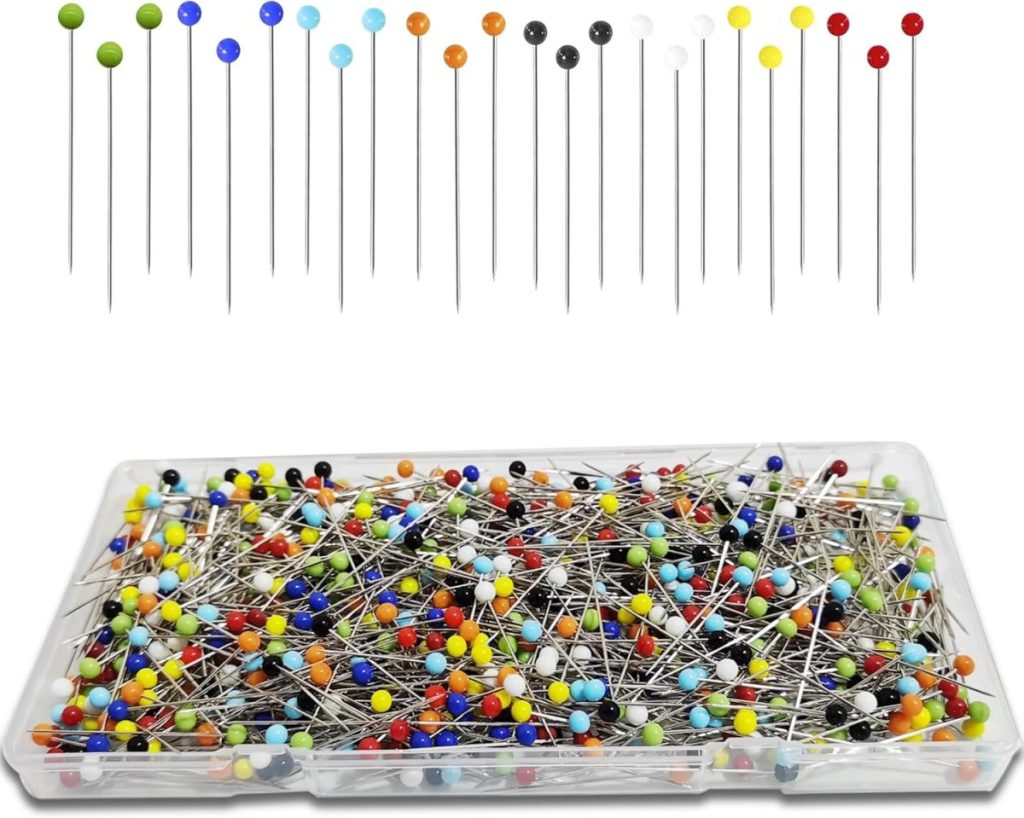
Pins or Clips
To hold fabric in place while sewing or stitching.
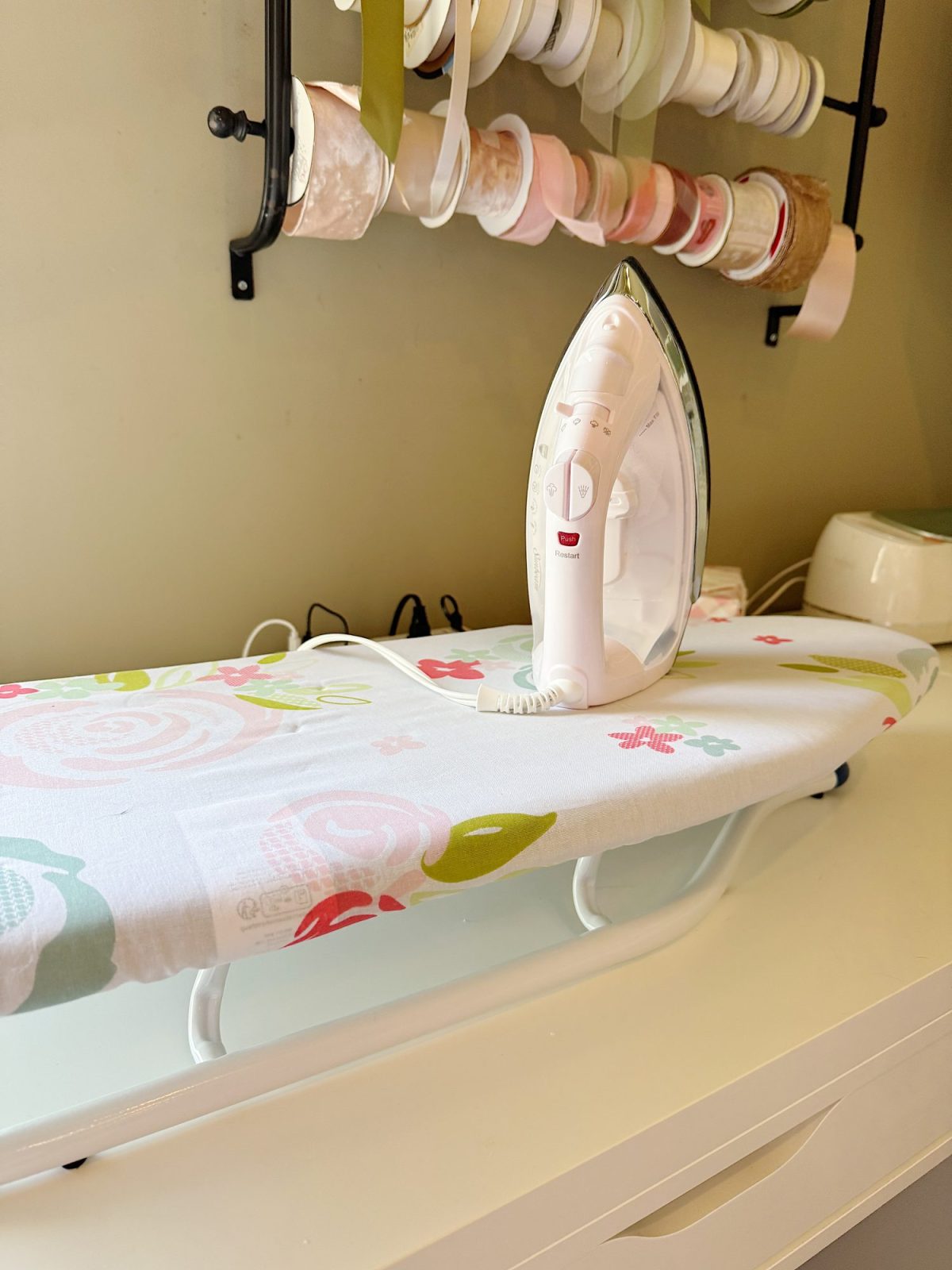
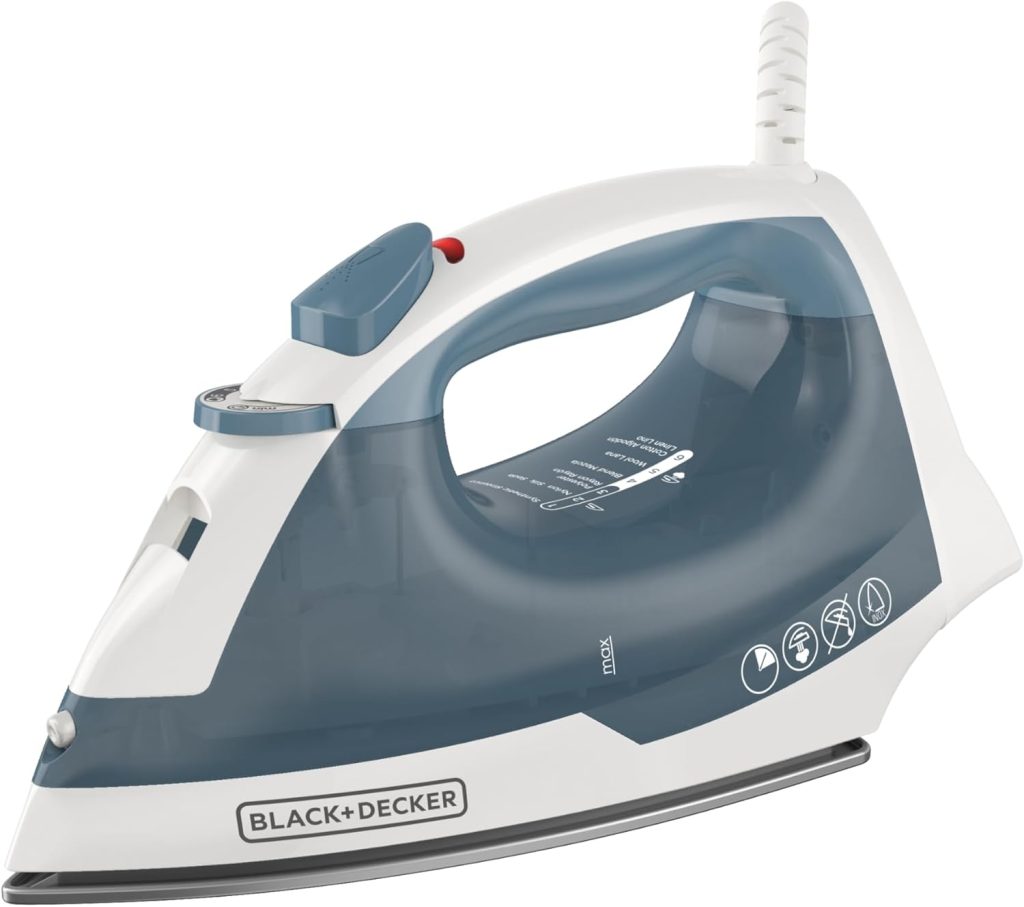
Iron and Ironing Surface
Pressing your fabric is just as important as sewing it.
Good to Have
Rotary Cutter and Cutting Mat
These make cutting faster and more accurate, especially for straight edges.
Rulers
Clear rulers for precise fabric measurement and cutting.
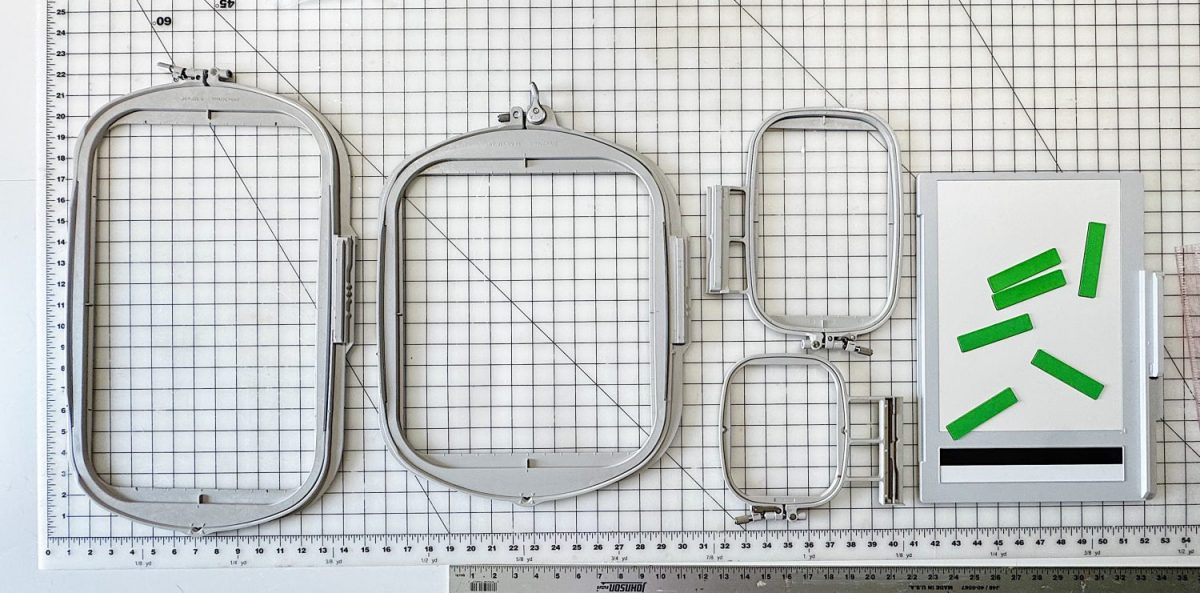
Embroidery Hoops
Different sizes depending on your machine and projects.
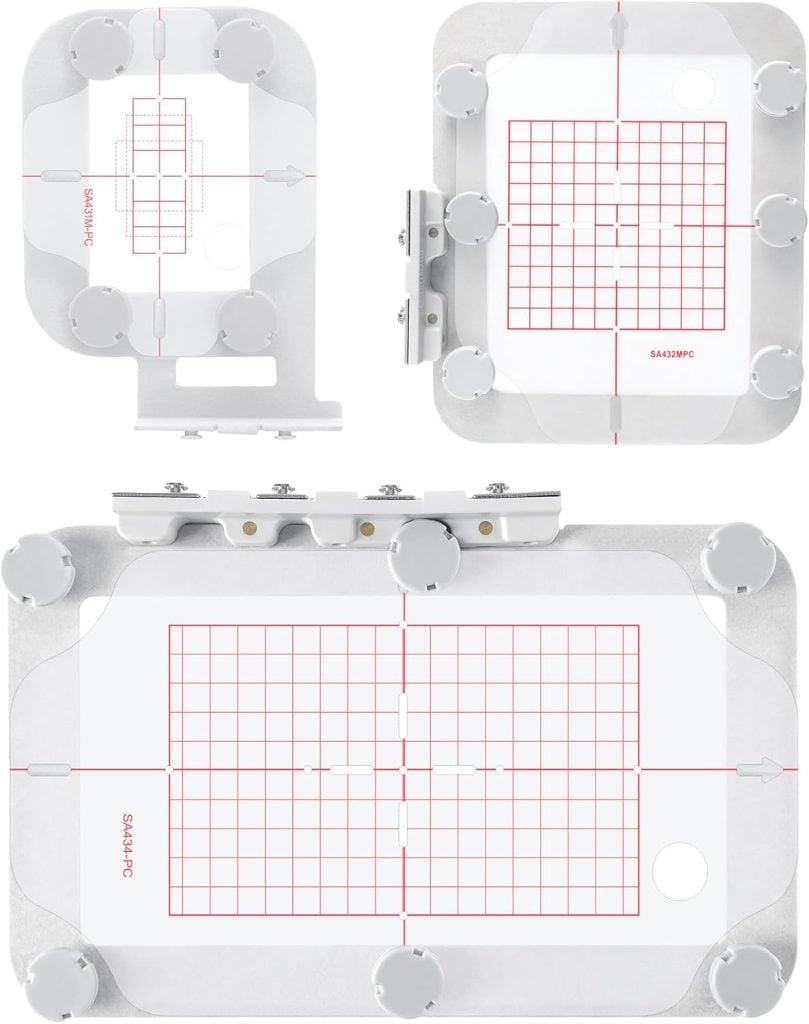
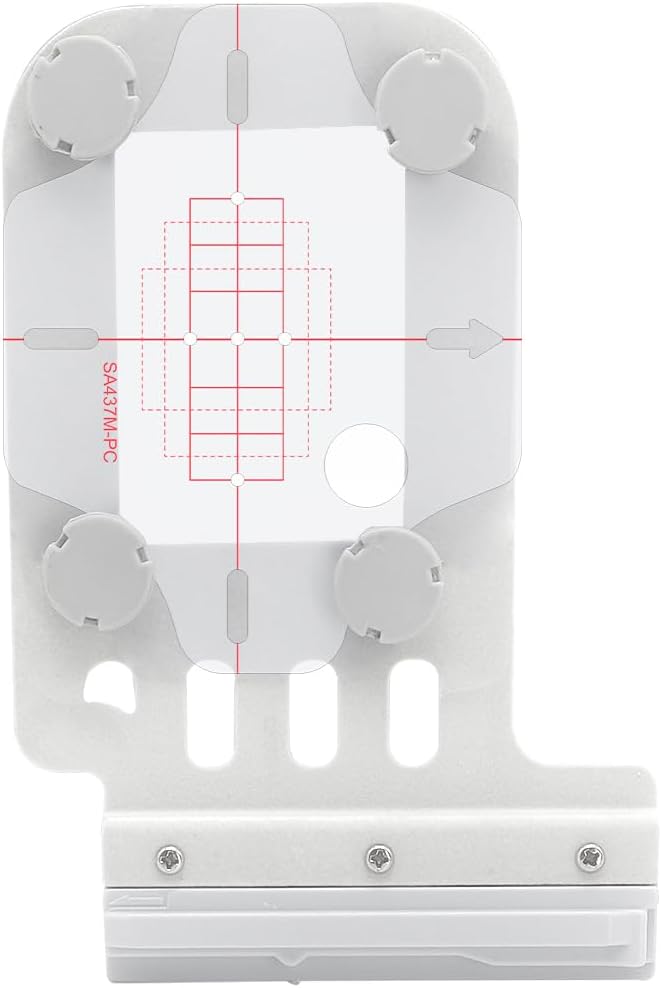
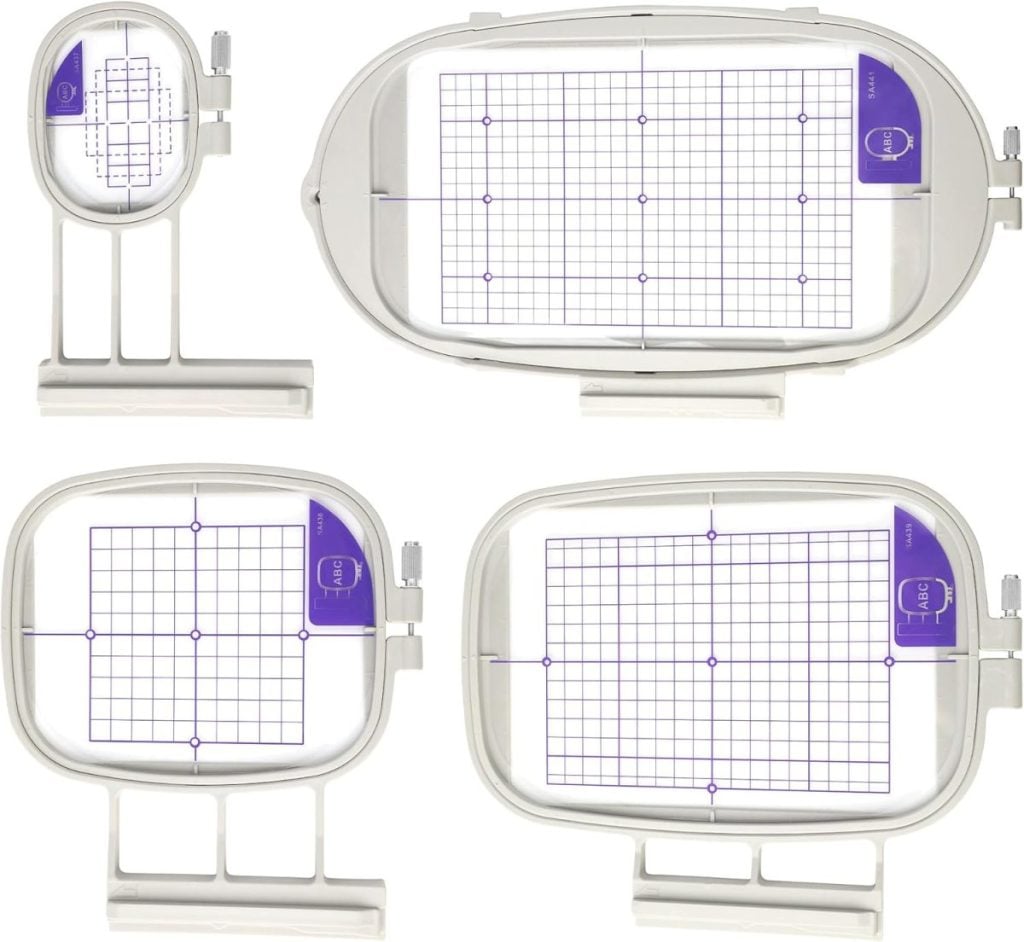
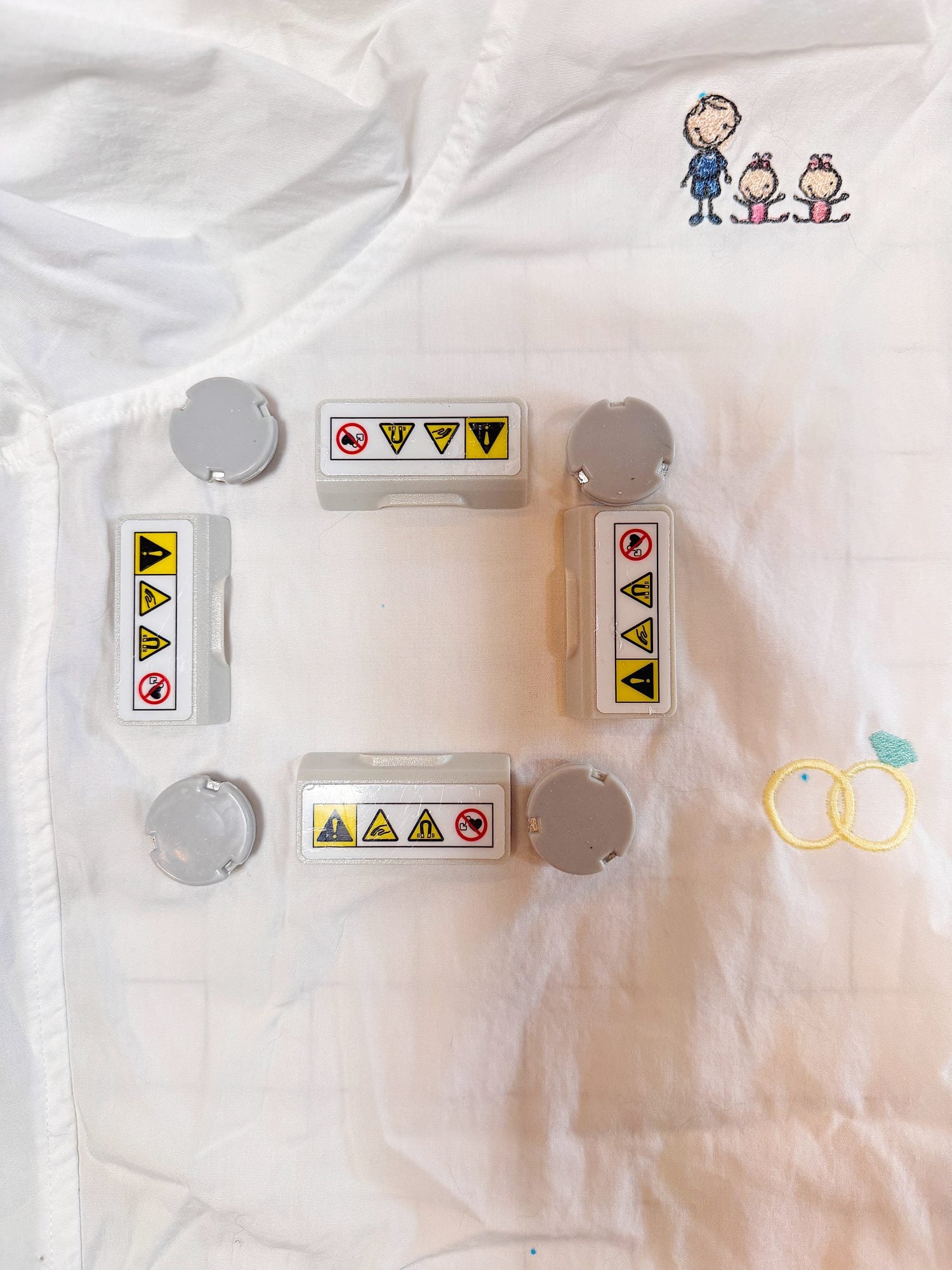
Magnetic Hoops
One of my favorite tools. It makes hooping fabric so much easier.
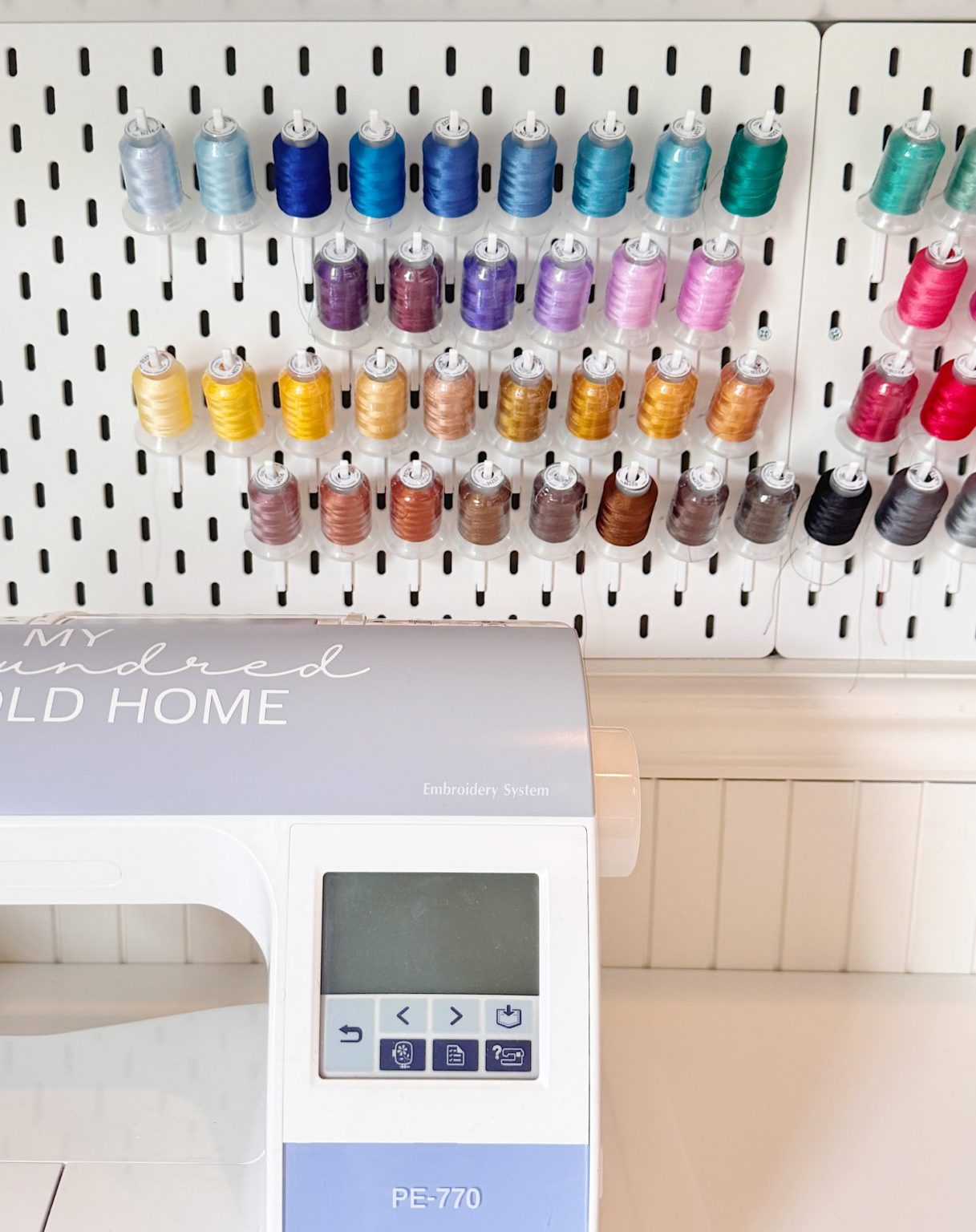
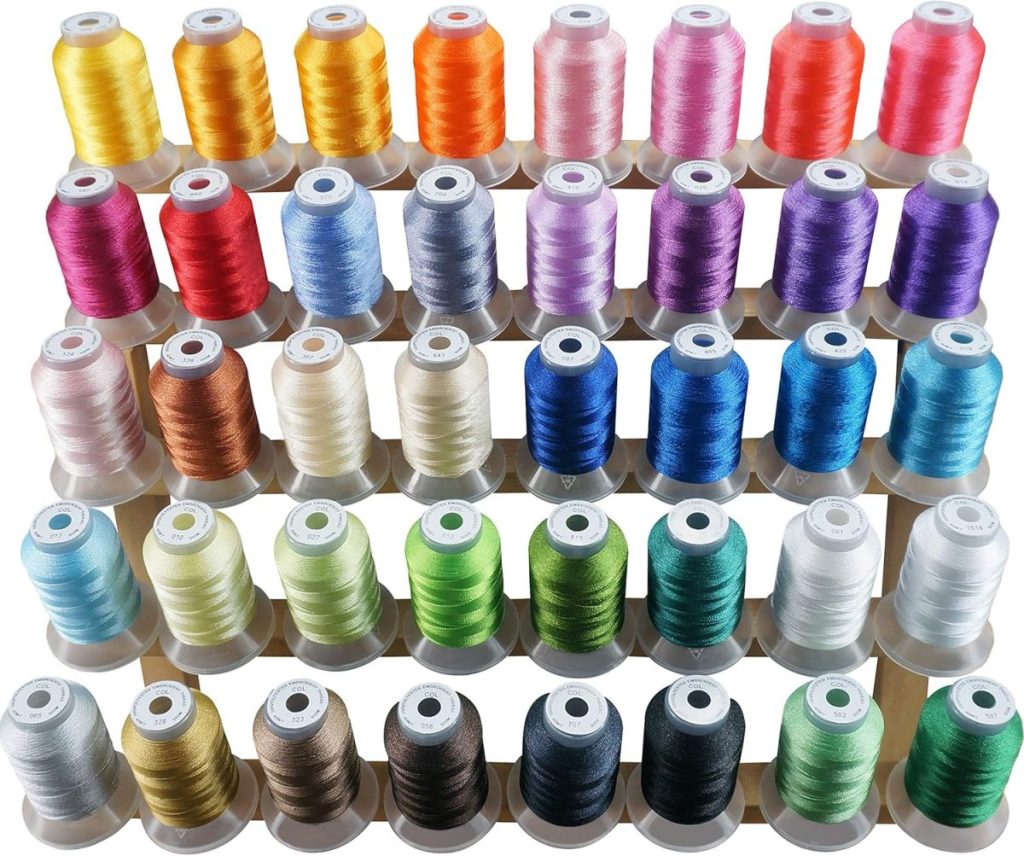
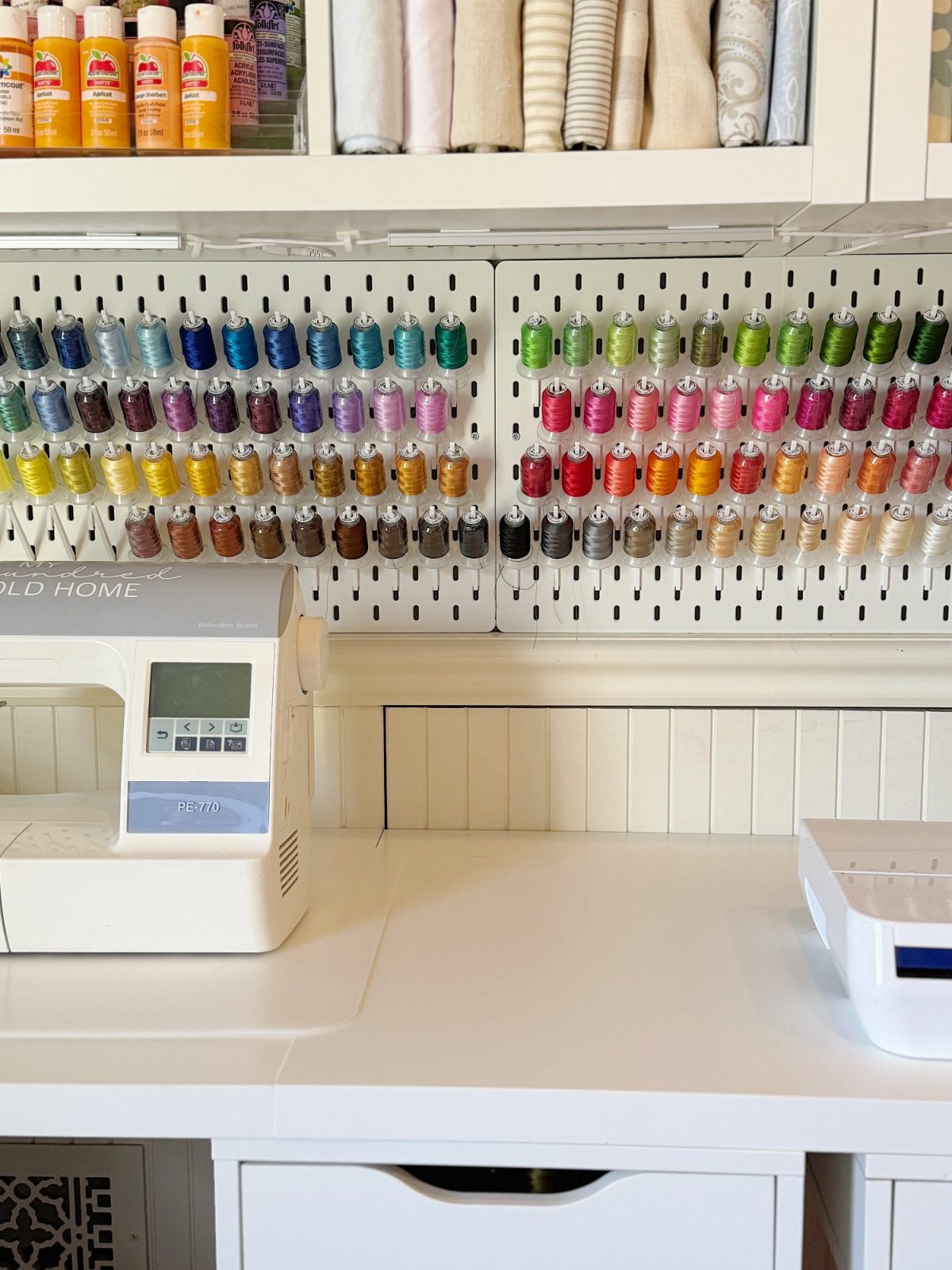
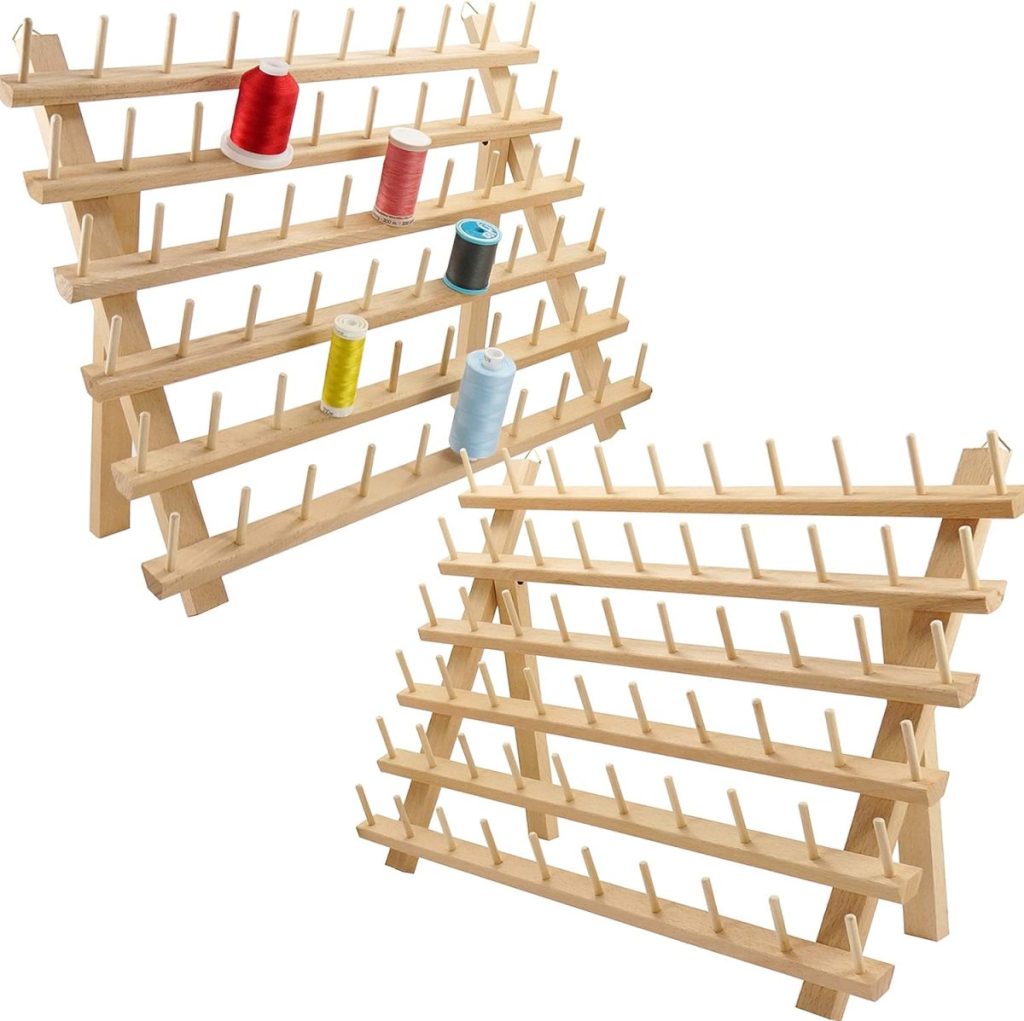
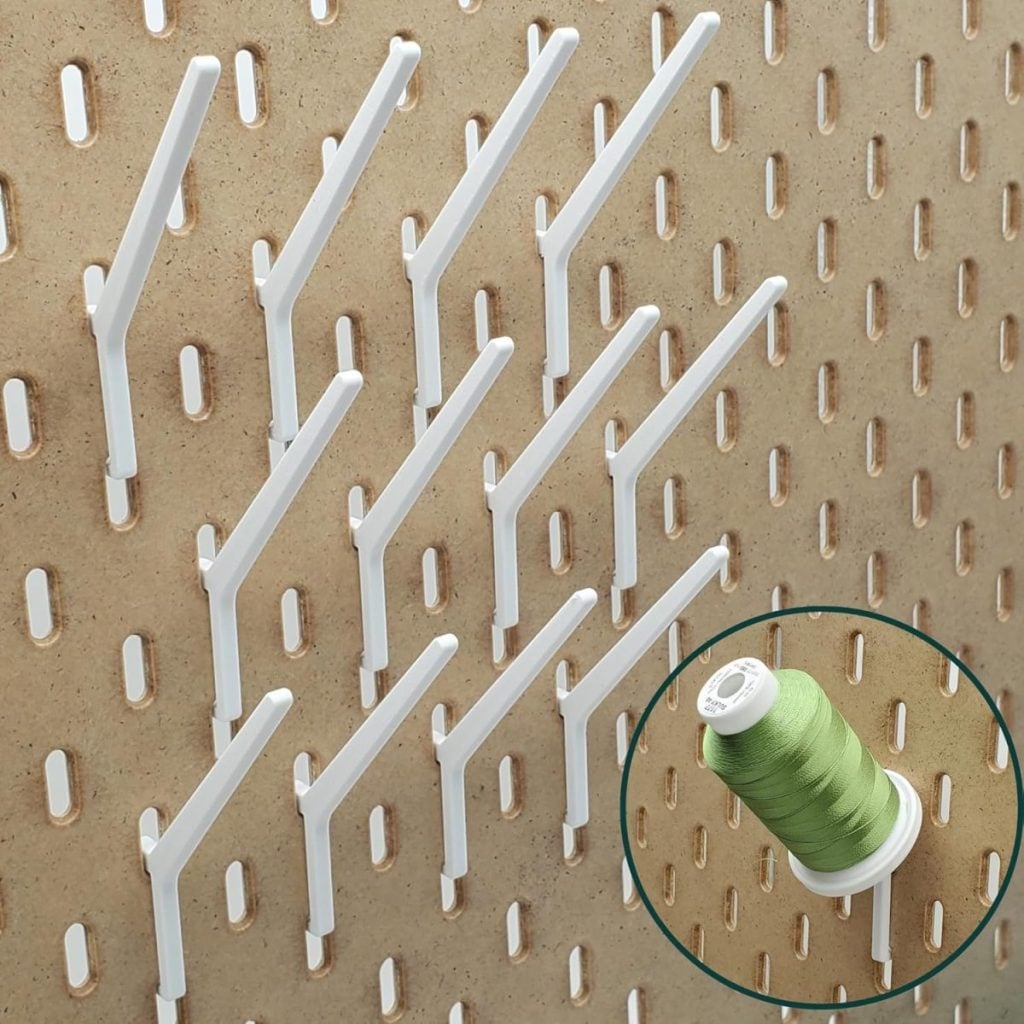
Thread Organizer
Keeping your threads visible and organized helps you work faster.
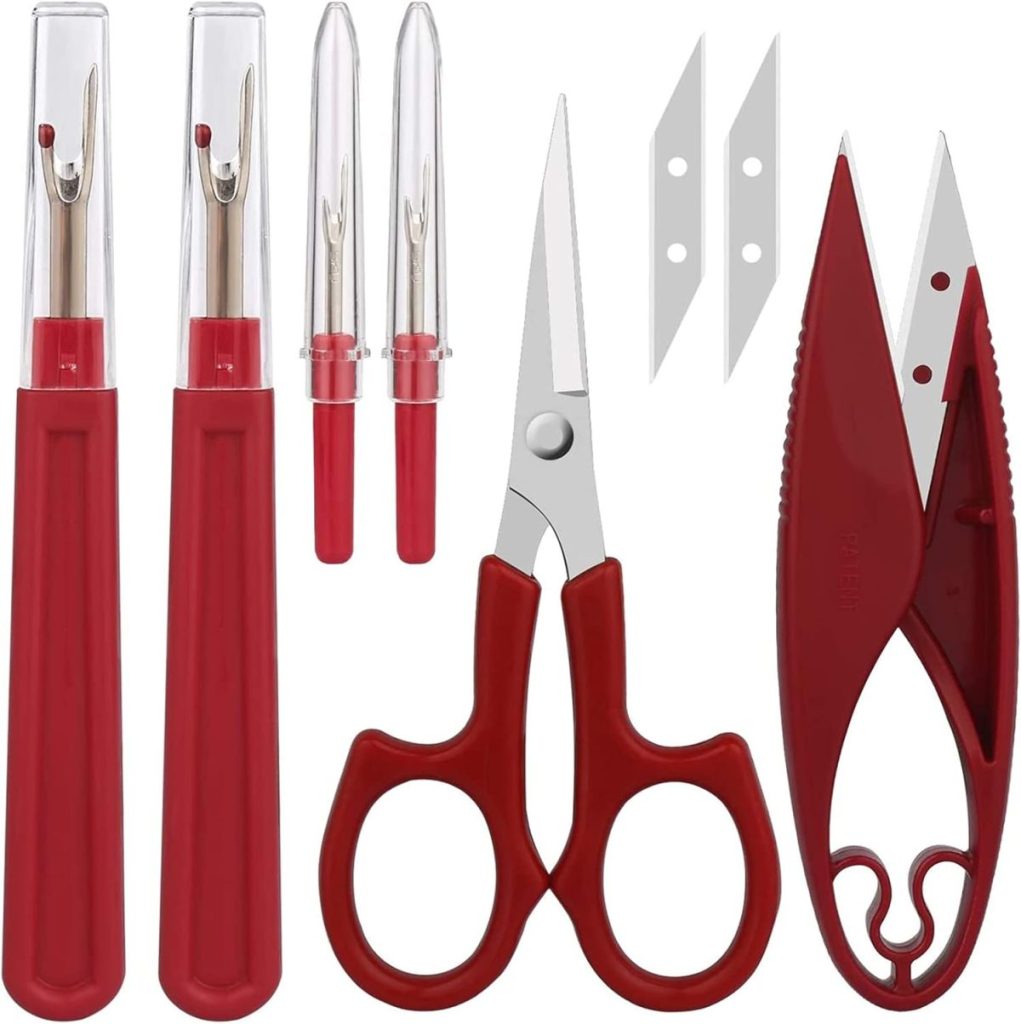
Seam Ripper
You will use it more than you expect.
Extra Bonuses
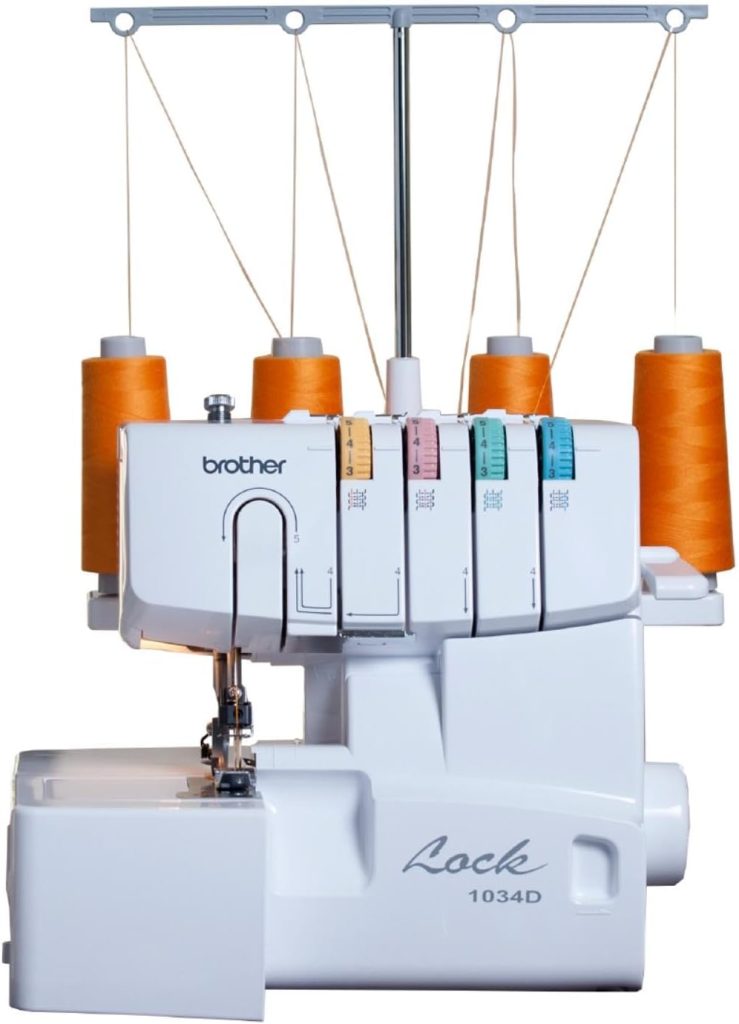
Serger
Great for finishing seams and creating professional edges.
Embroidery Software
I use this to customize designs, create lettering, and resize files. I have used Embrilliance since I bought my first embroidery machine, and I really like it.
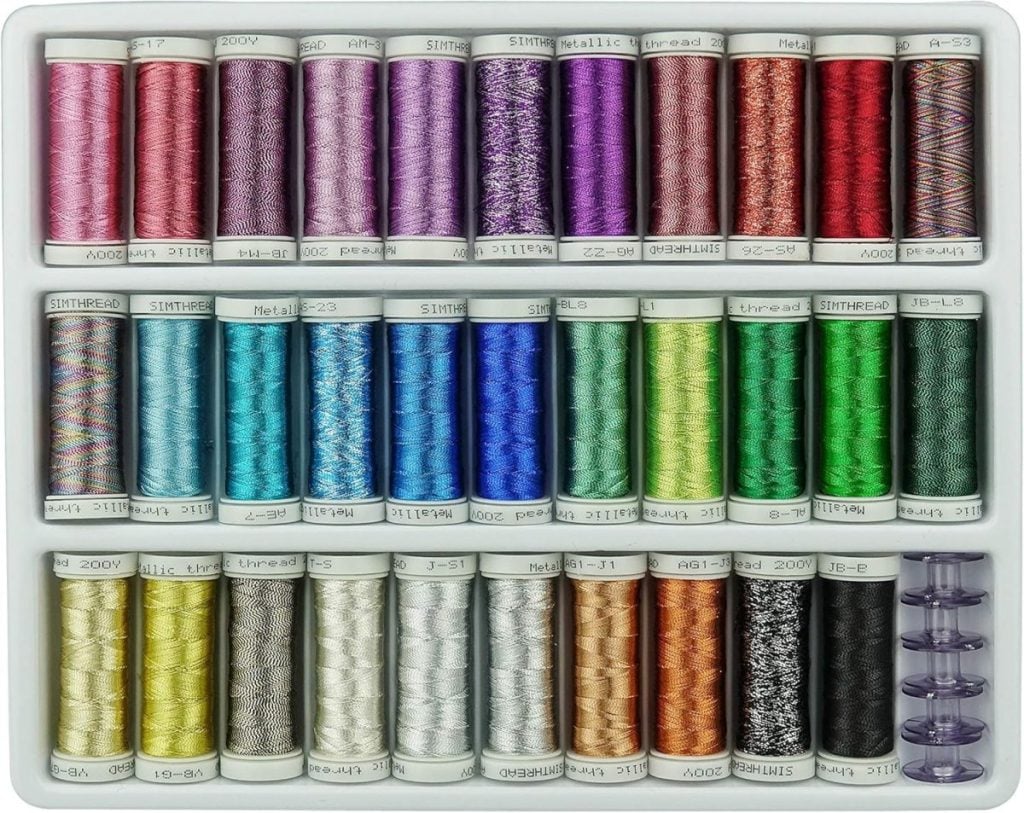
Specialty Threads
Metallic, variegated, or decorative threads for added detail.
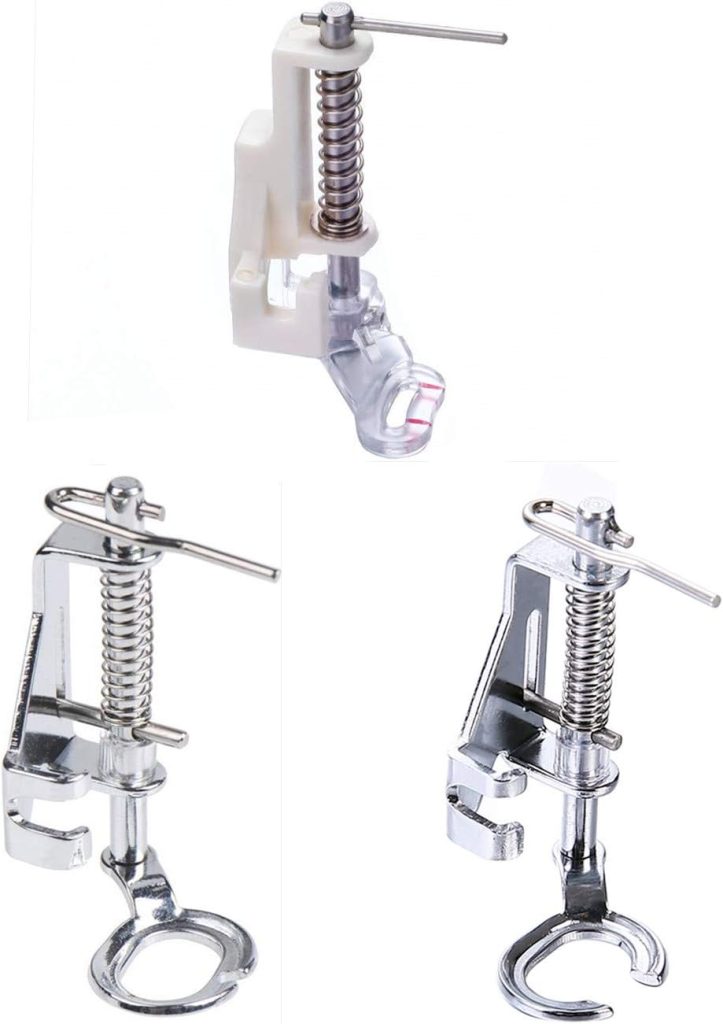
Extra Presser Feet
For specific techniques like zipper installation or quilting.
Paper Crafts and Cricut
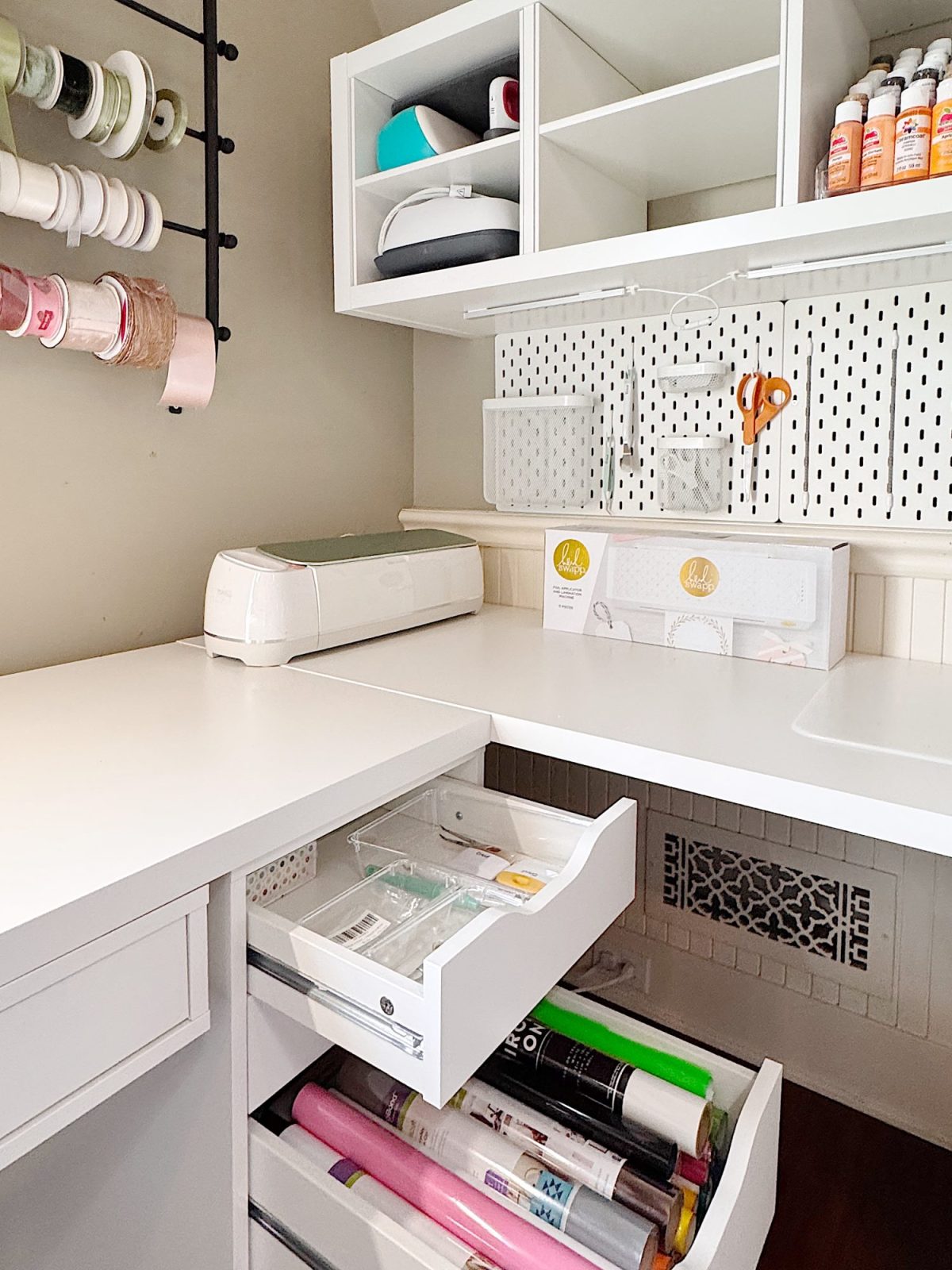
This is one of the most versatile crafting areas. From cards to labels to decorations, it covers so much.
Must Haves
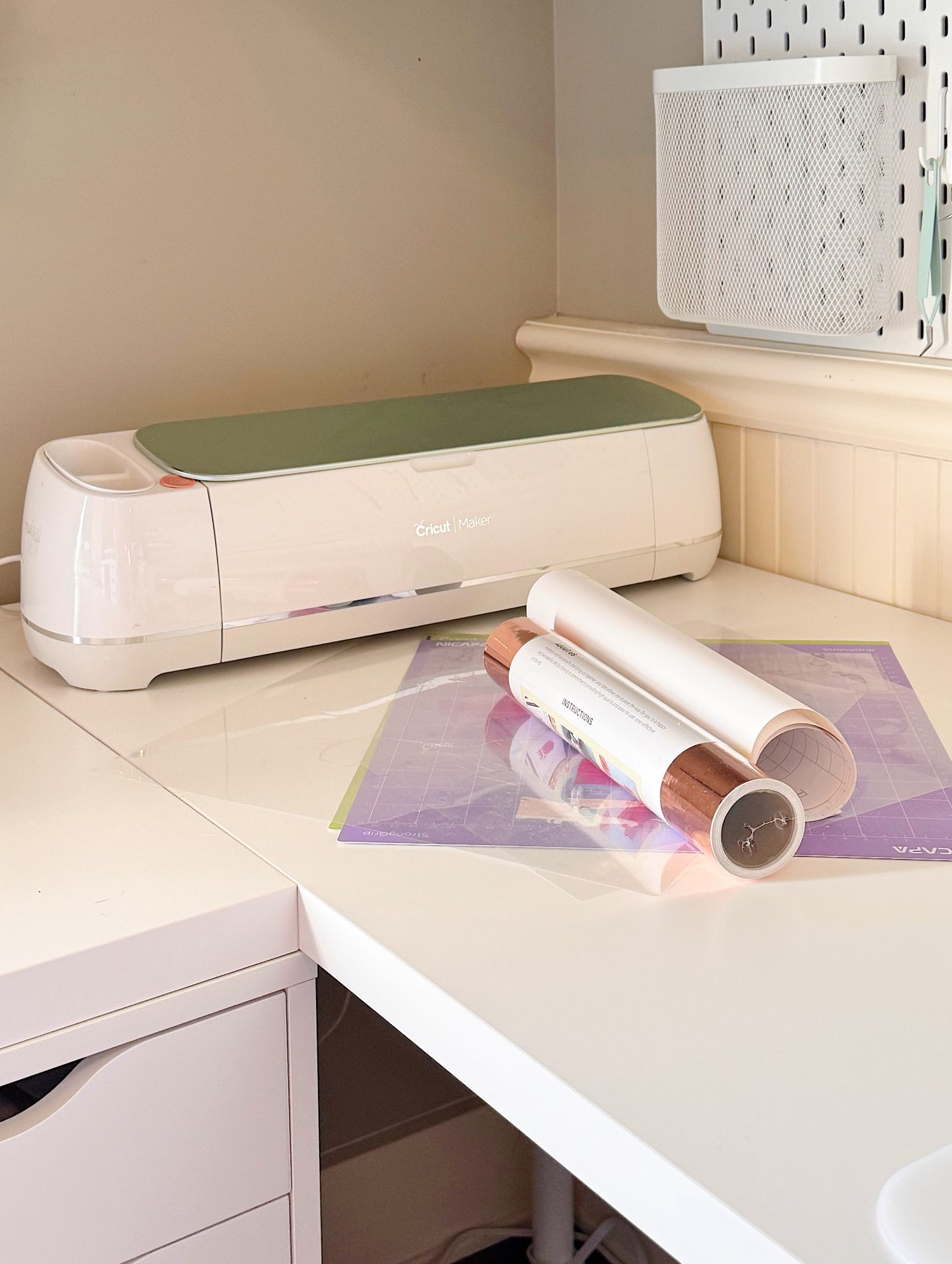
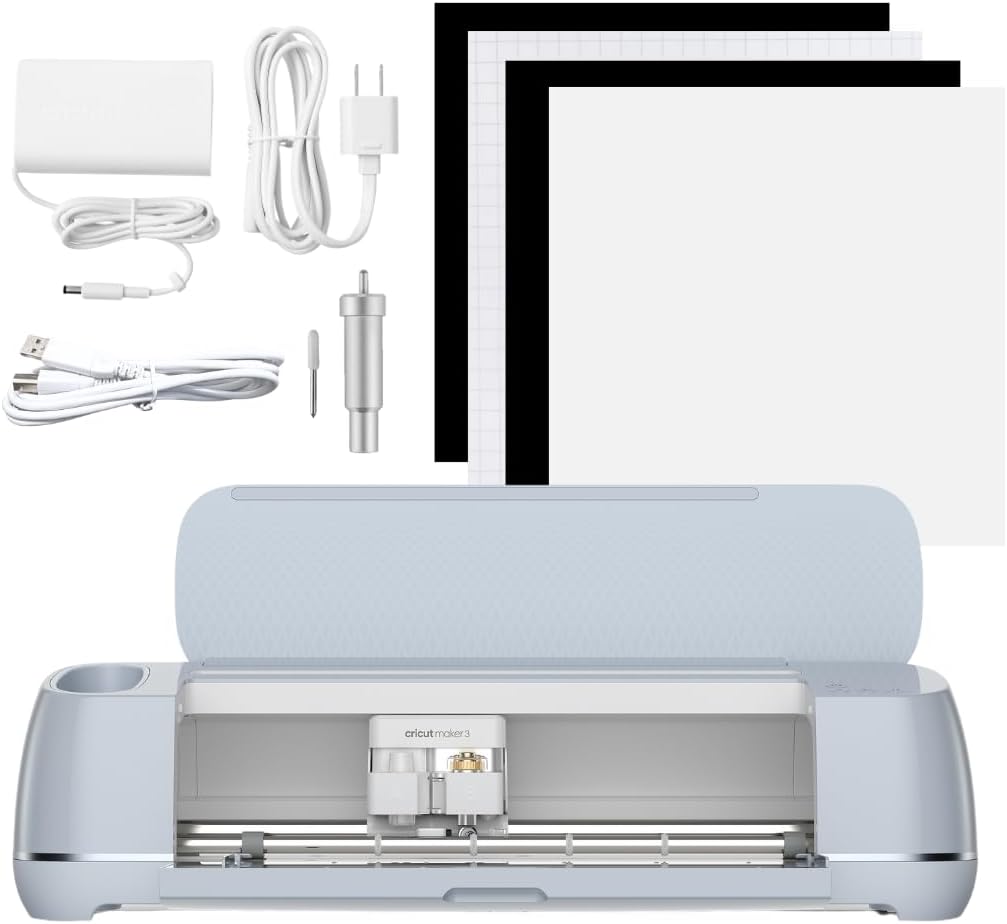
Cutting Machine
A Cricut or similar machine opens up so many possibilities.
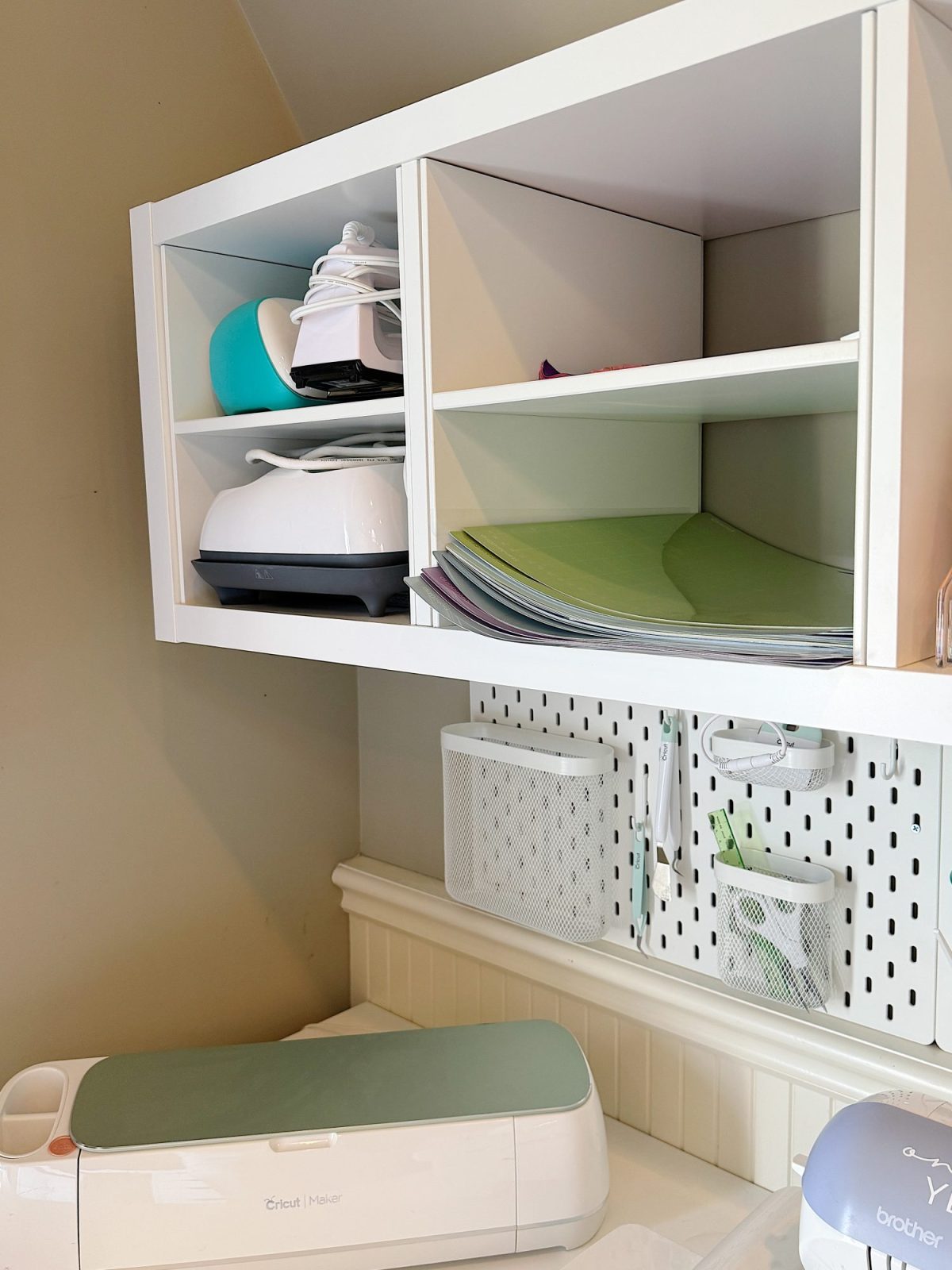
Cardstock
Basic colors and weights for different projects.
Adhesive
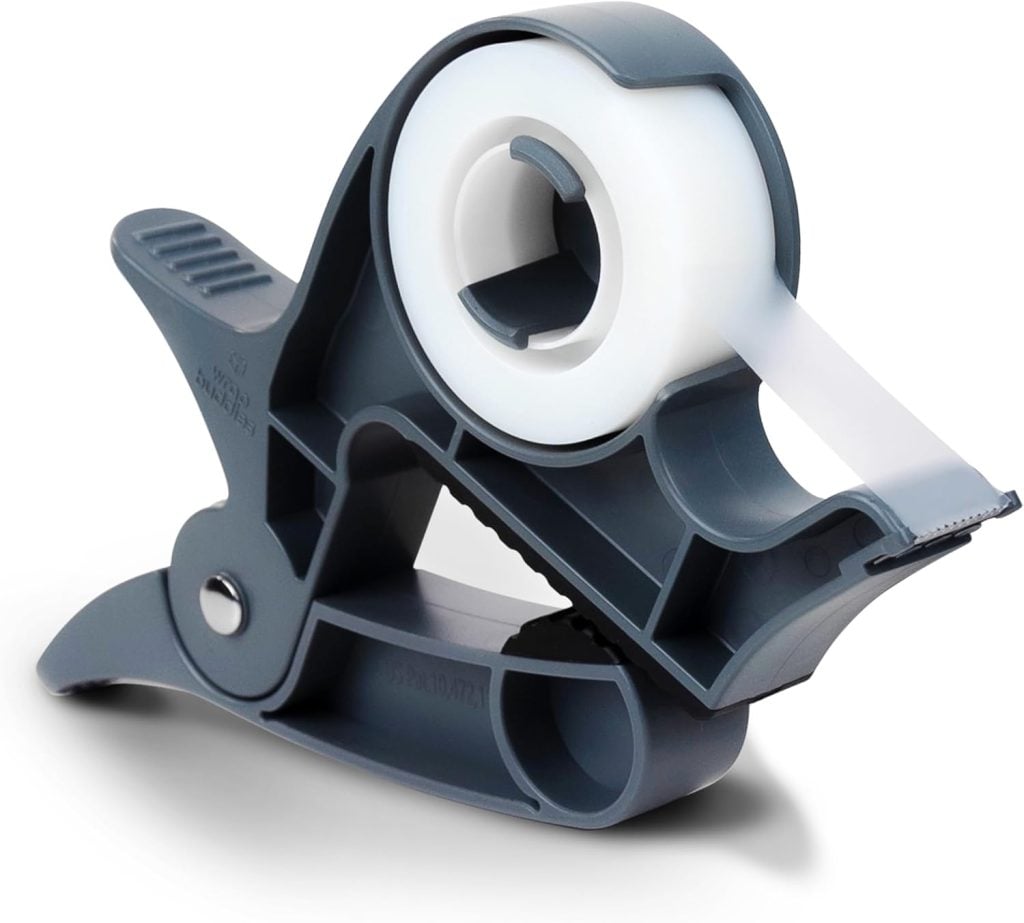
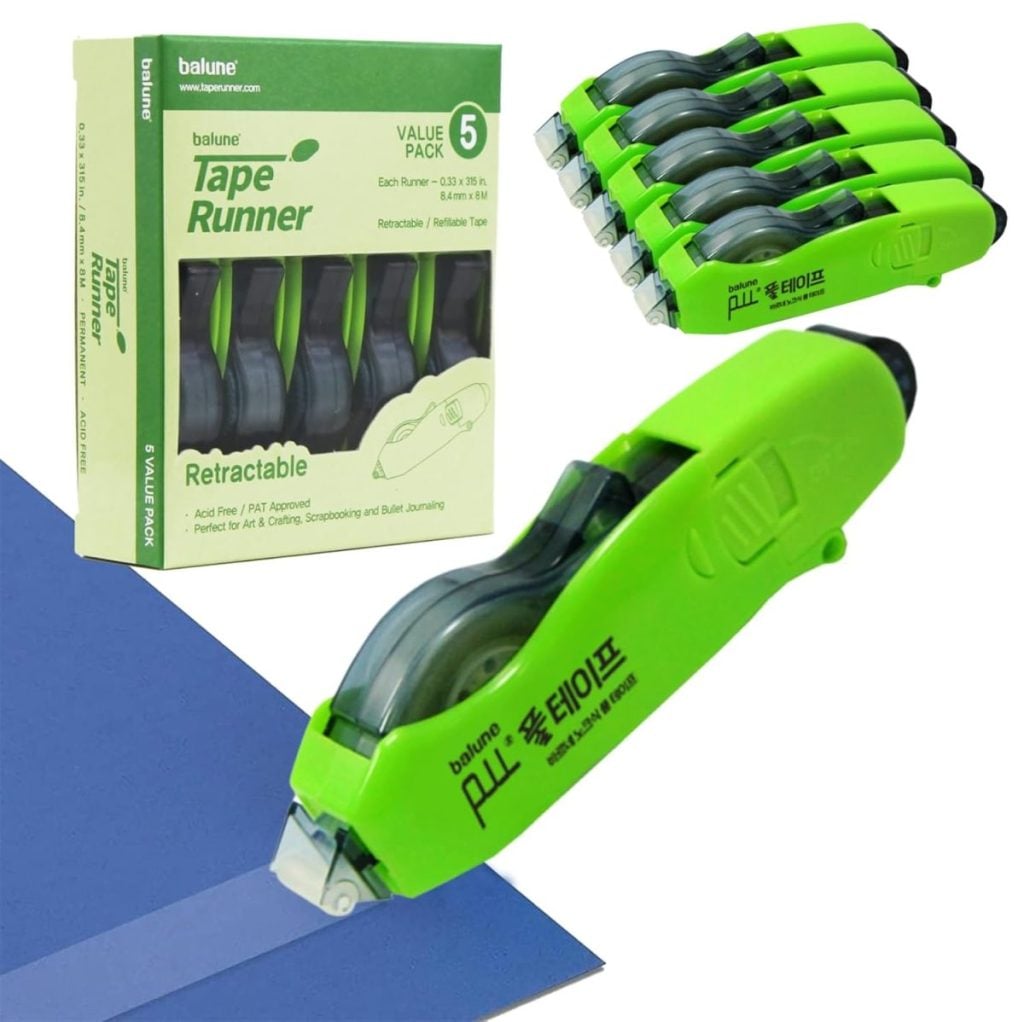
Glue, tape runner, or double-sided tape.
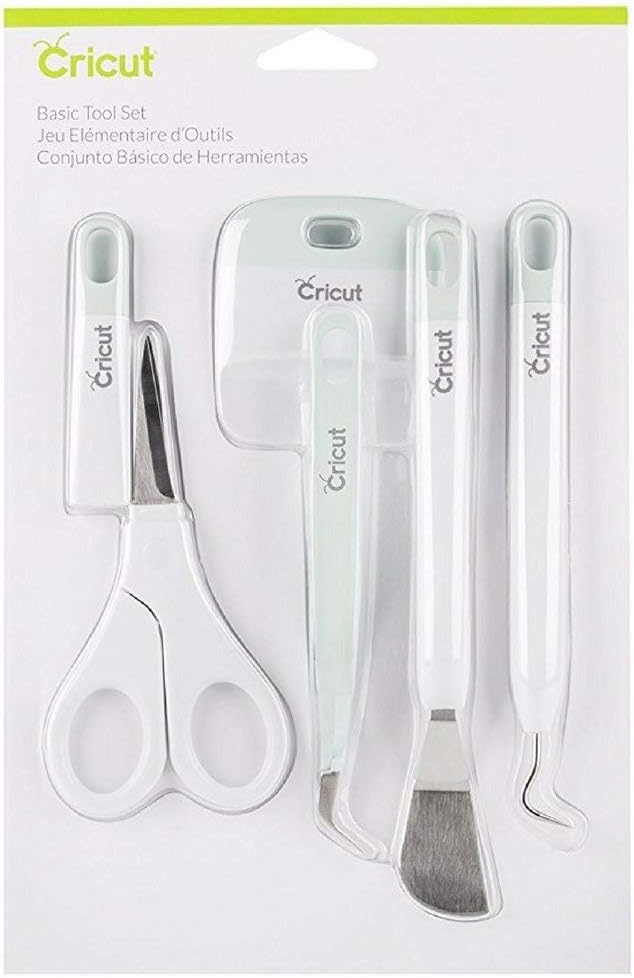
Cutting Tools
Weeding tools, spatula, scraper. These make everything easier.
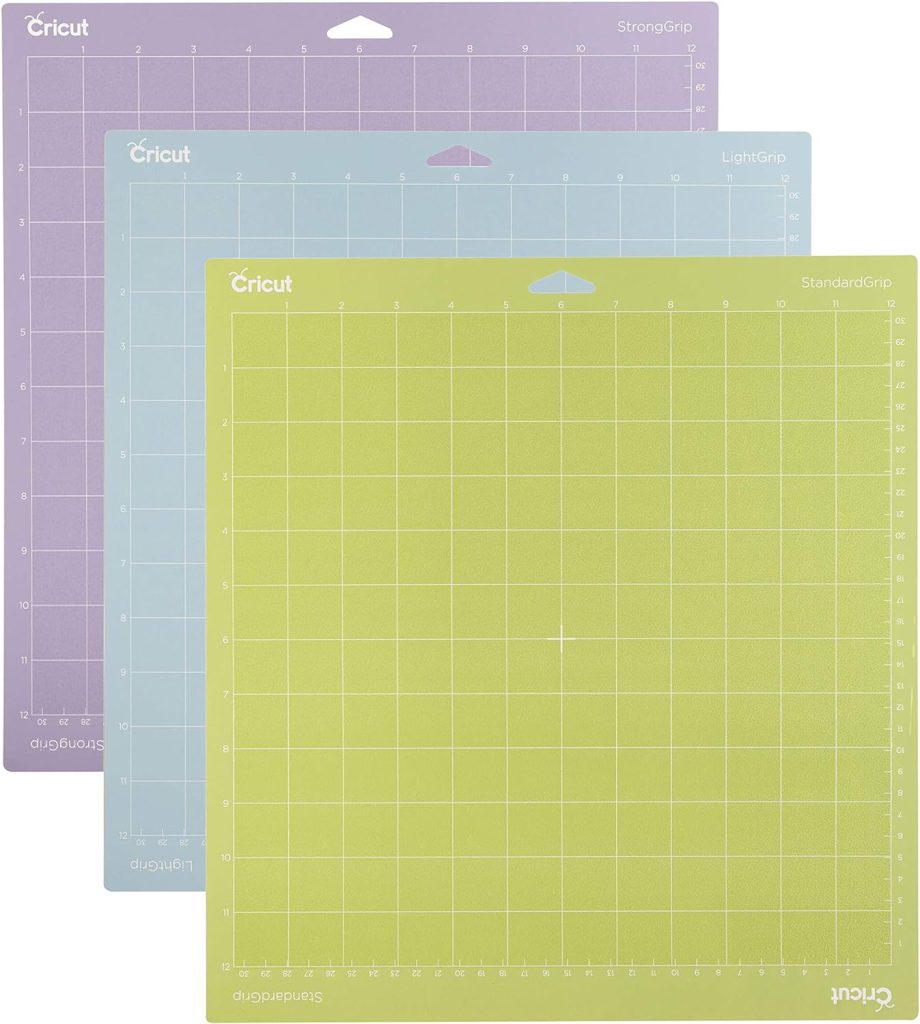
Cutting Mats
To hold materials in place while cutting.
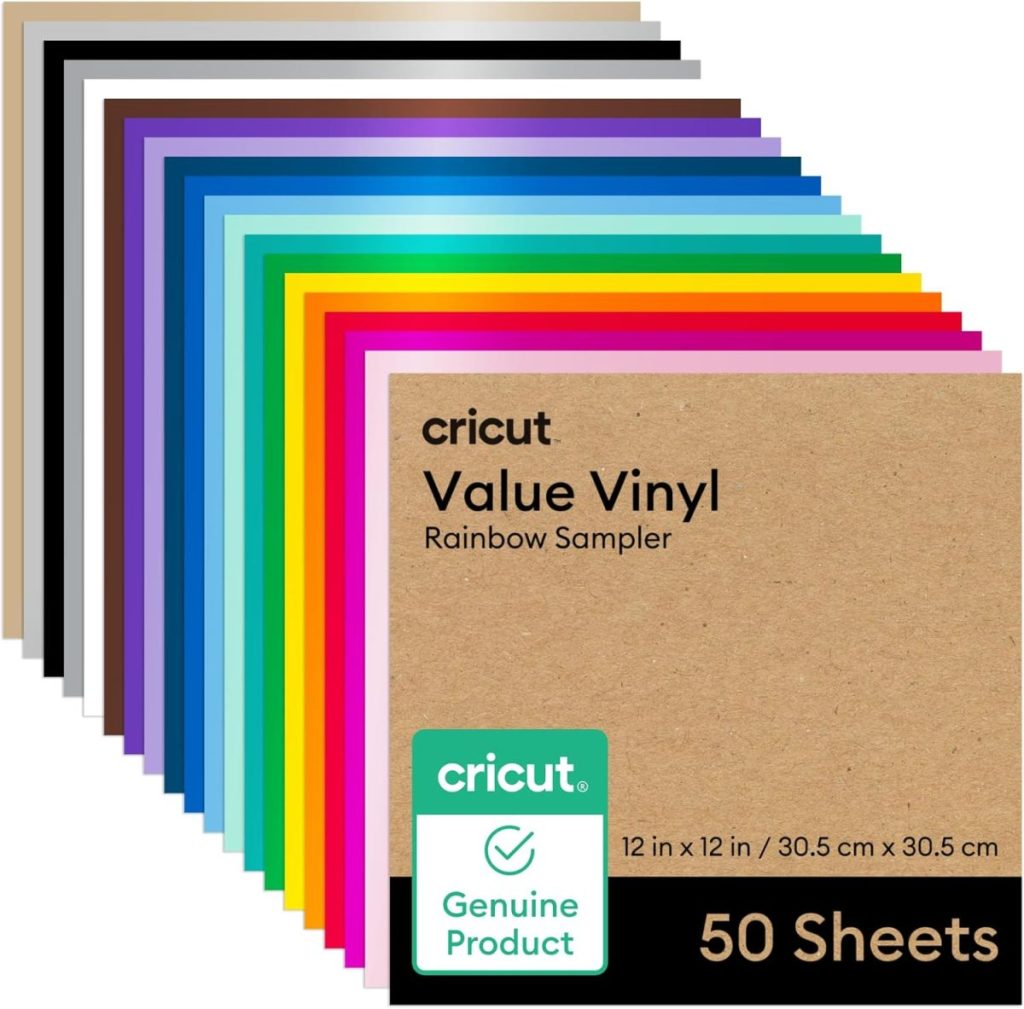
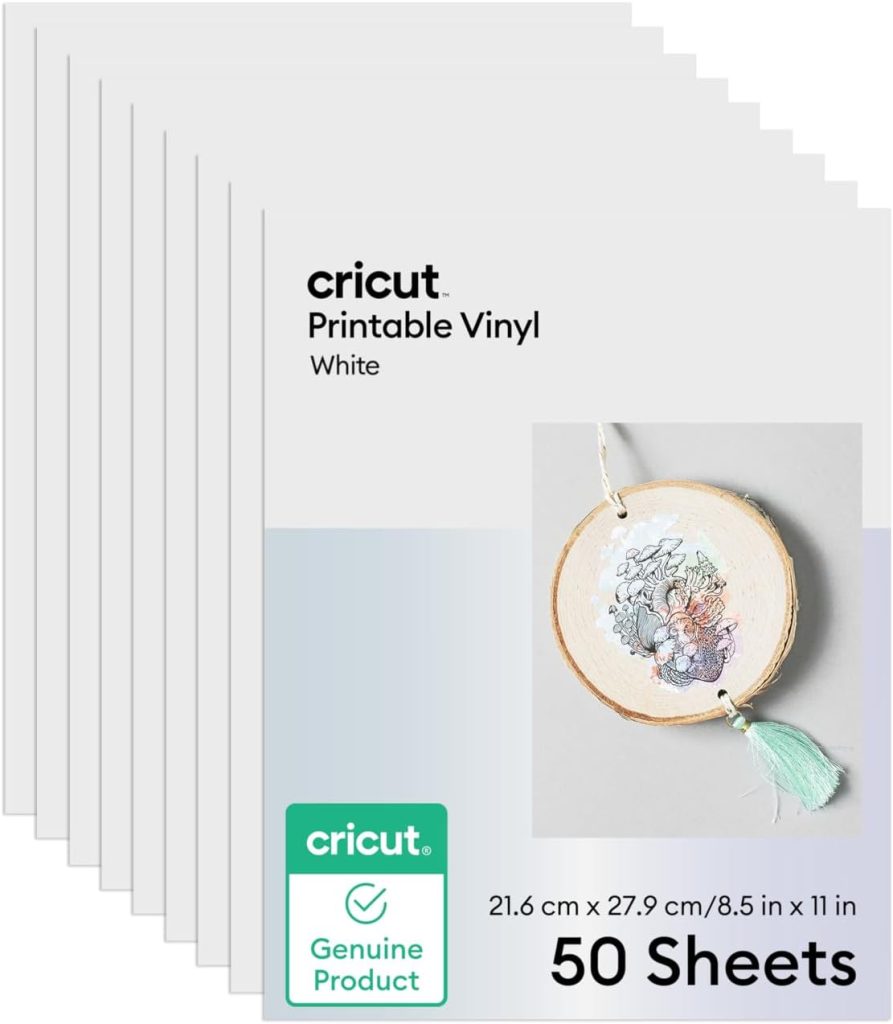
Vinyl
Both permanent and removable for different projects.
Transfer Tape
For applying vinyl designs.
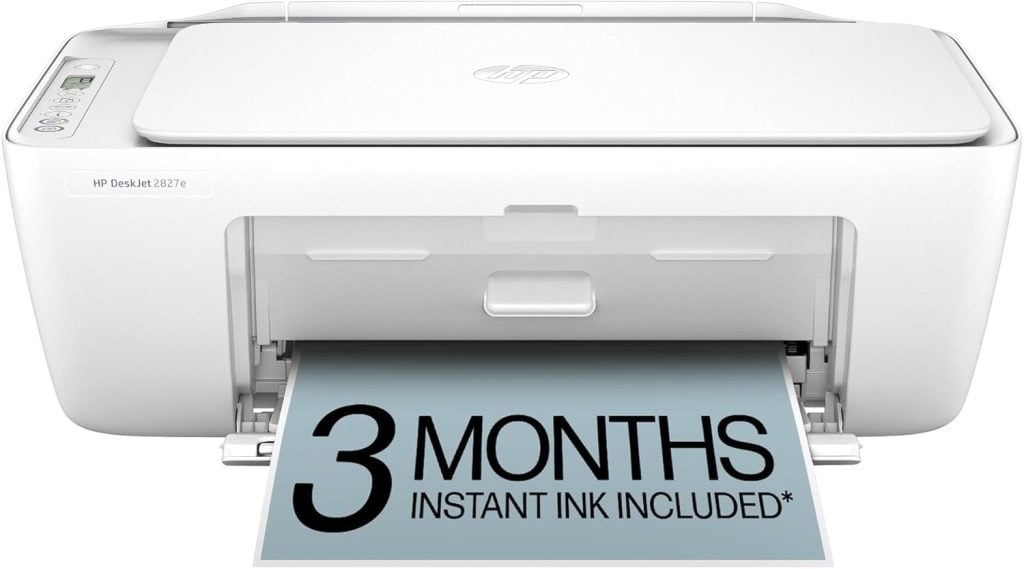
Printer
For print then cut projects.
Scissors
A good, sharp pair for detail work.

Good to Have
Specialty Paper
Patterned paper, vellum, or textured cardstock.
Labels and Sticker Paper
Perfect for organizing or creating custom designs.
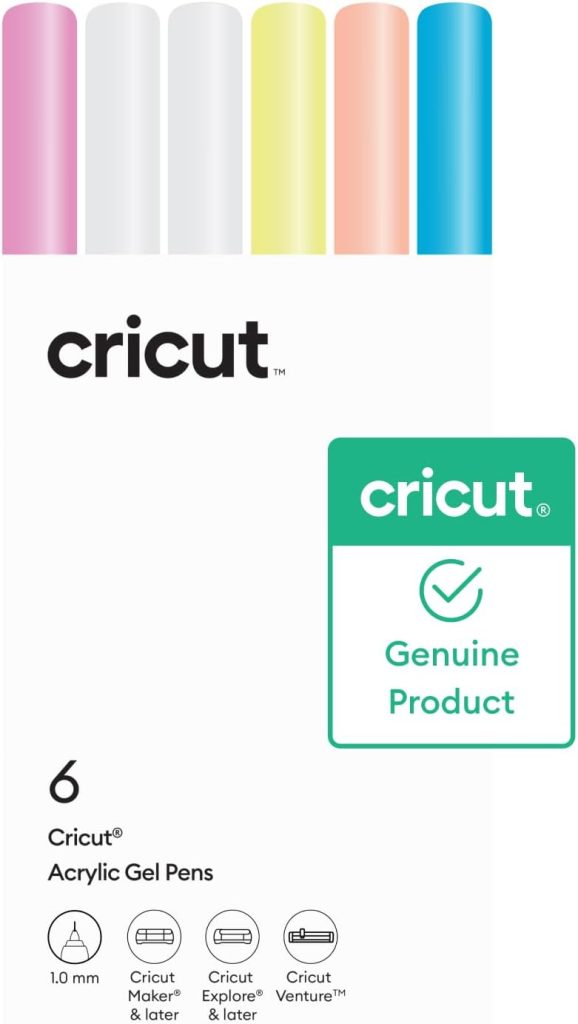
Pens for Cricut
To add writing or drawing elements.
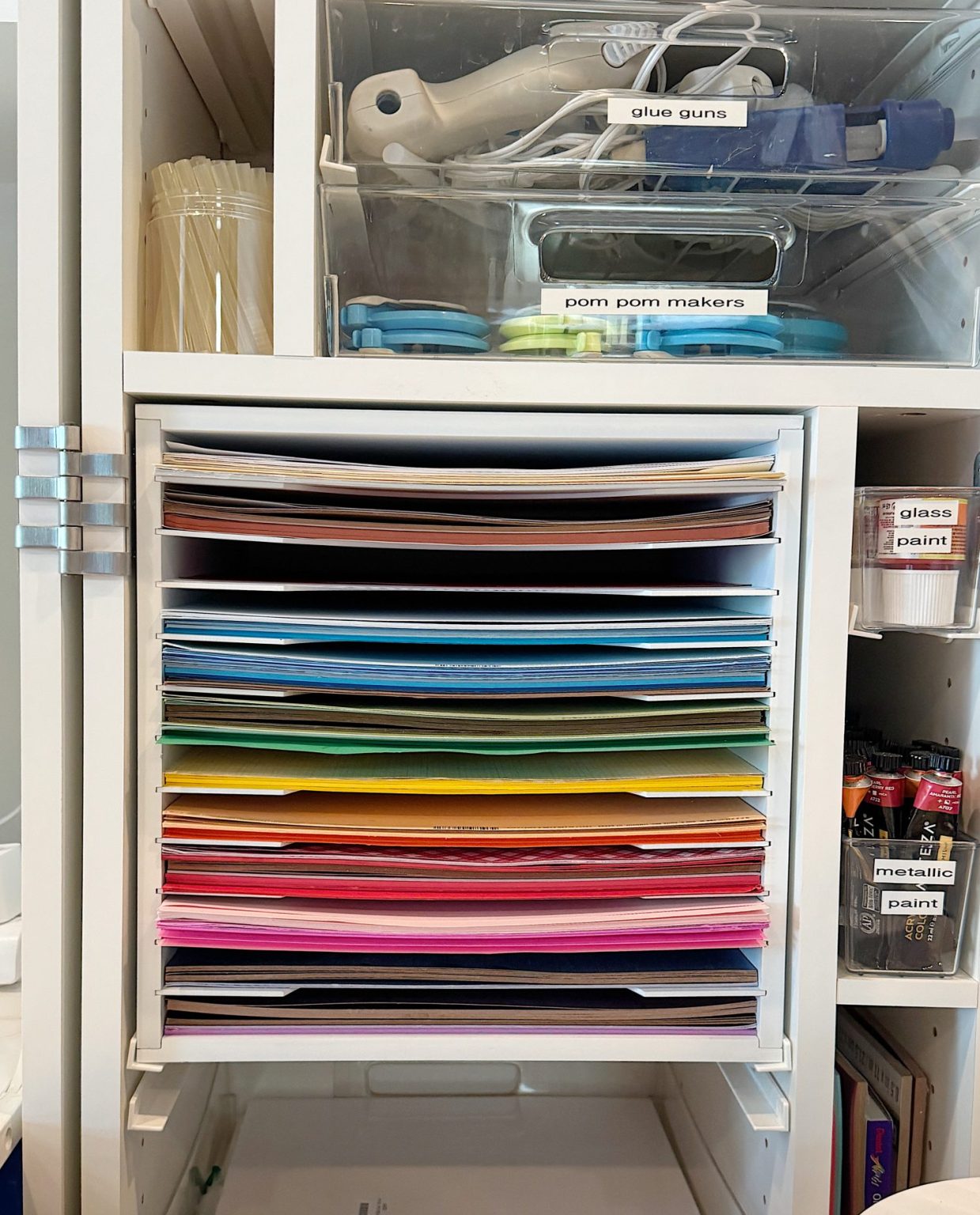
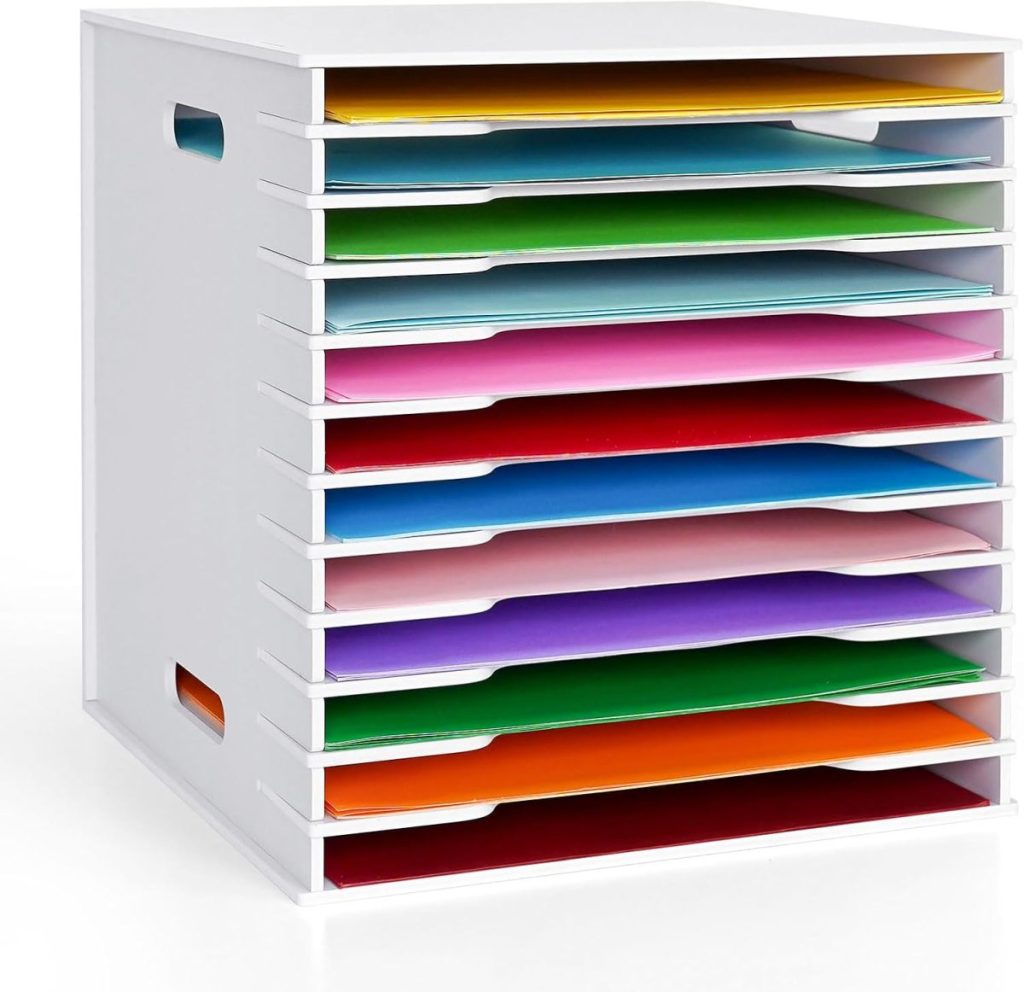
Storage for Paper
Keeping paper flat and organized makes a big difference.

Extra Bonuses
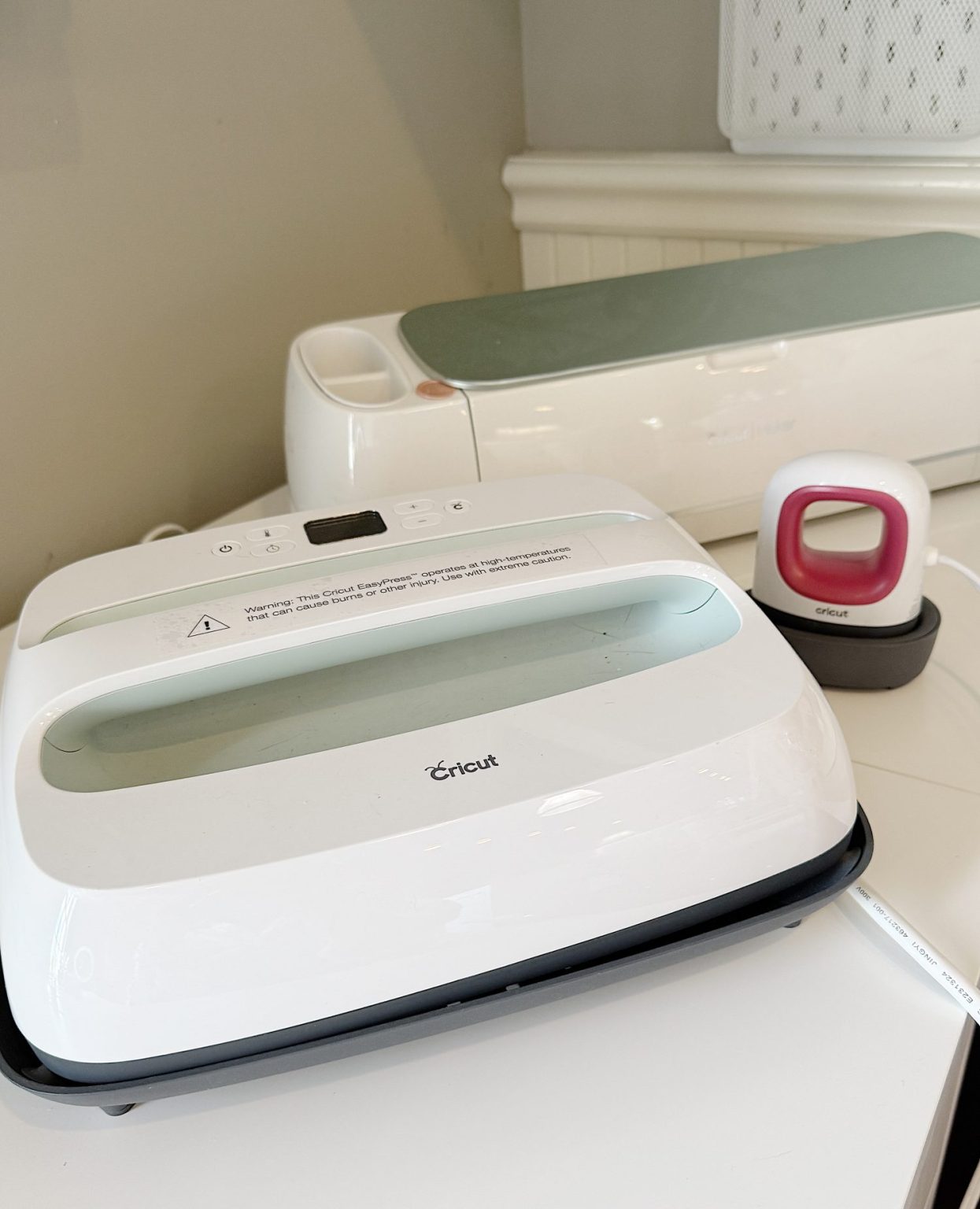
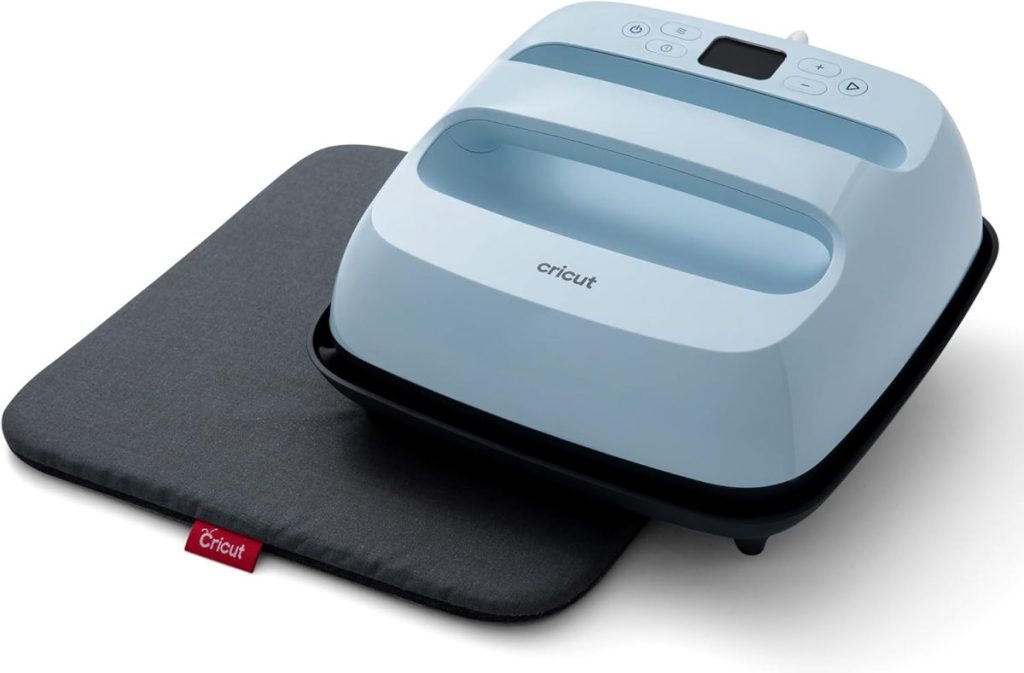
Heat Press or EasyPress
For making shirts, bags, and more.
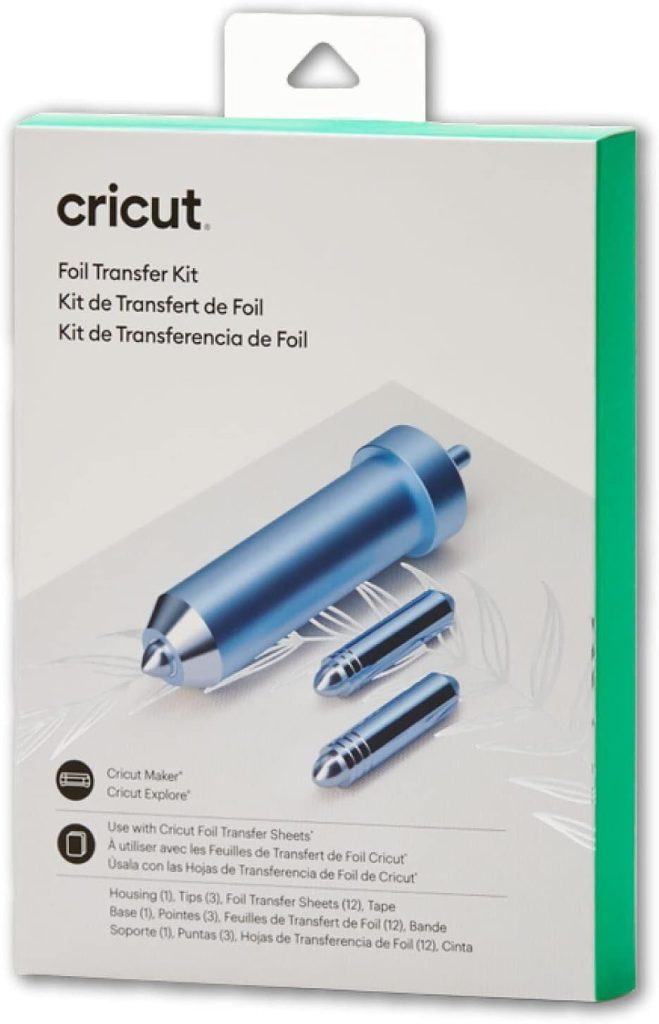
Foil Transfer Tools
For adding metallic details.
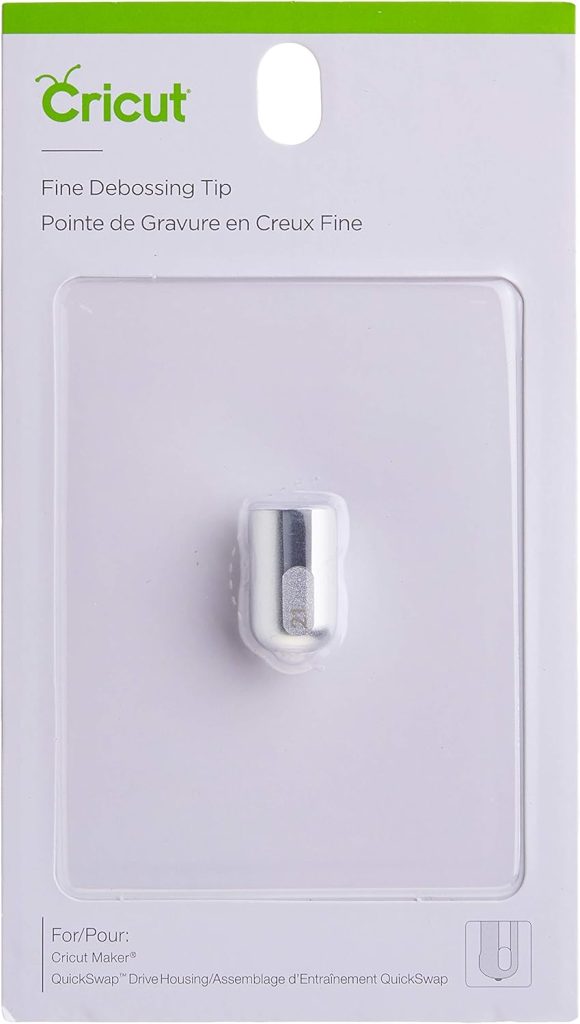
Embossing Tools
To create raised designs.
Advanced Software
For designing your own files and customizing projects.
Clay Crafts
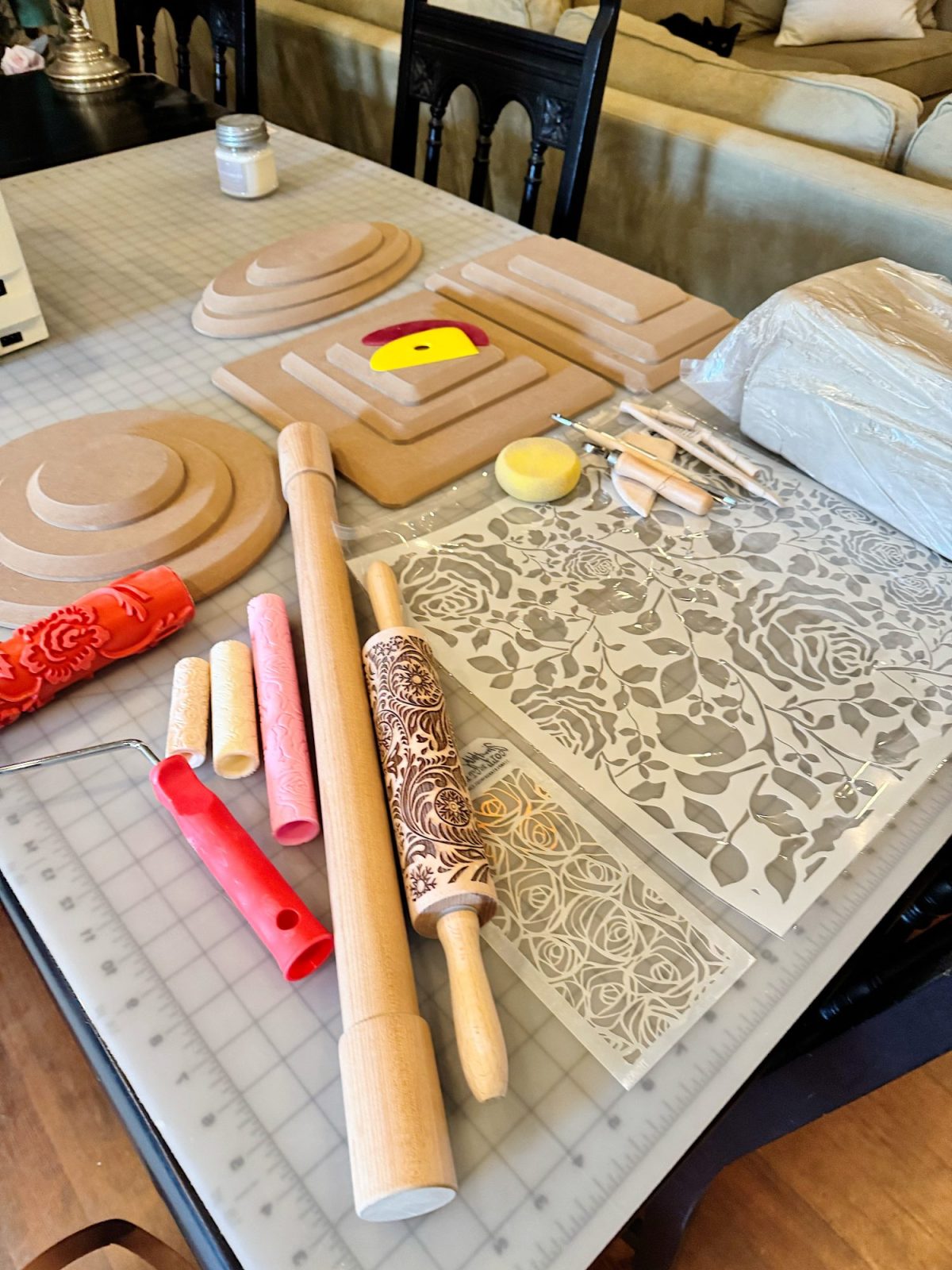
This is one of my favorite areas right now because it is creative, tactile, and incredibly versatile.
Must Haves
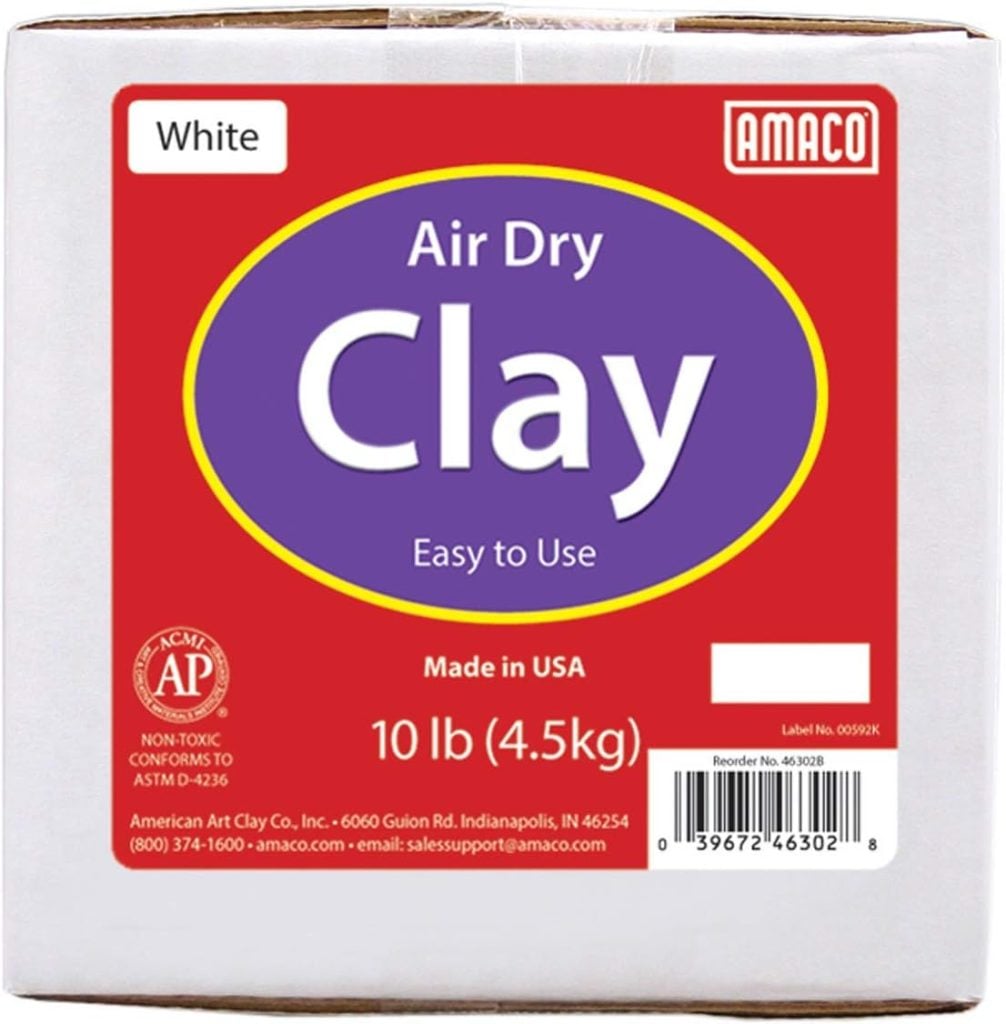
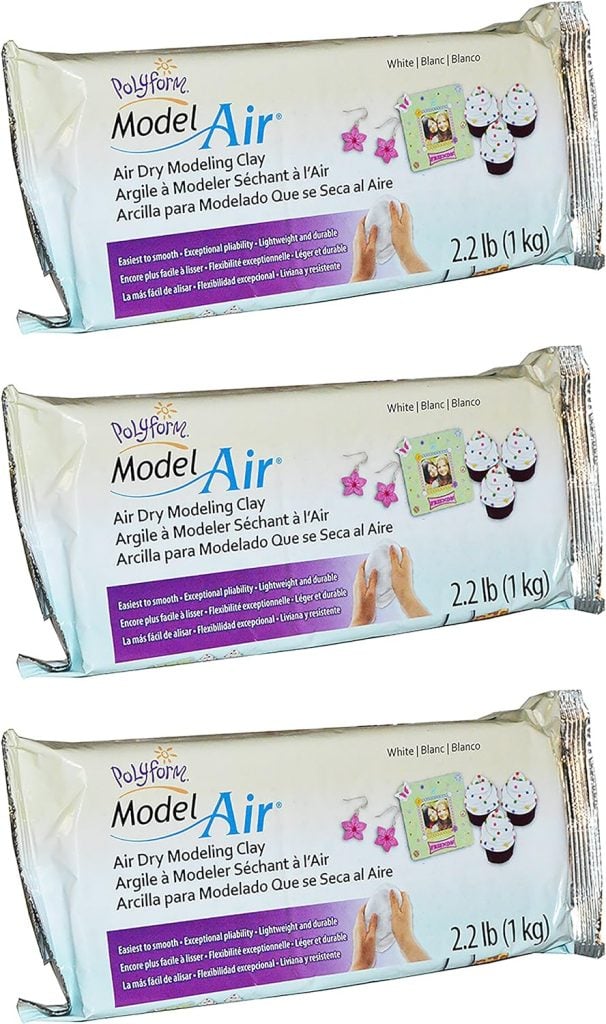
Air Dry Clay
Easy to use and no kiln required.
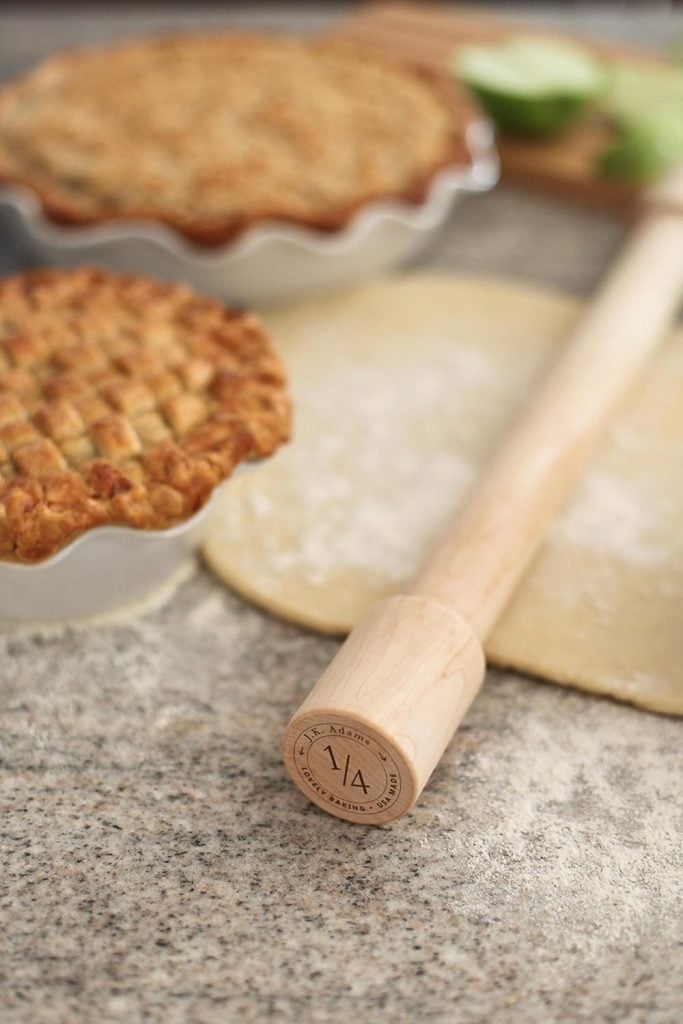
Rolling Pin
To roll clay evenly.
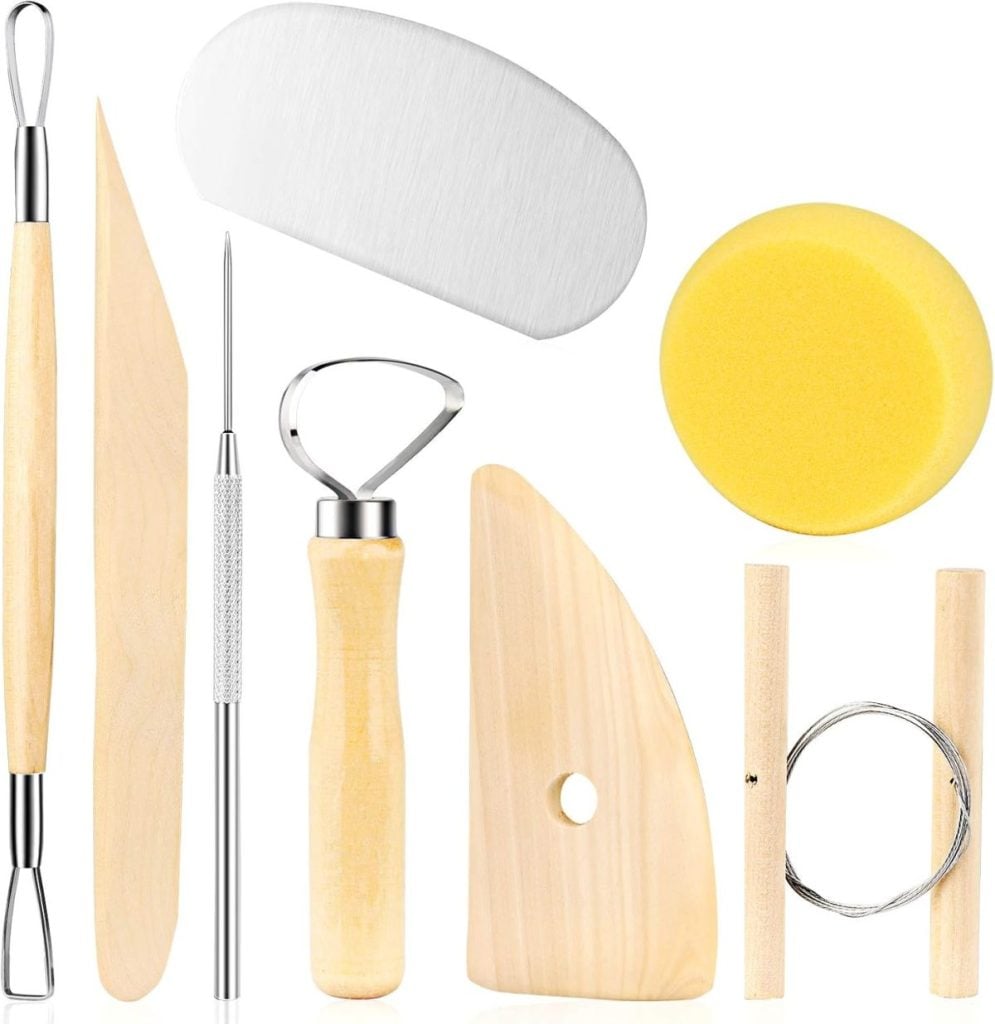
Cutting Tools
Knife or clay tools for shaping.
Work Surface
A clean, flat area for working with clay.
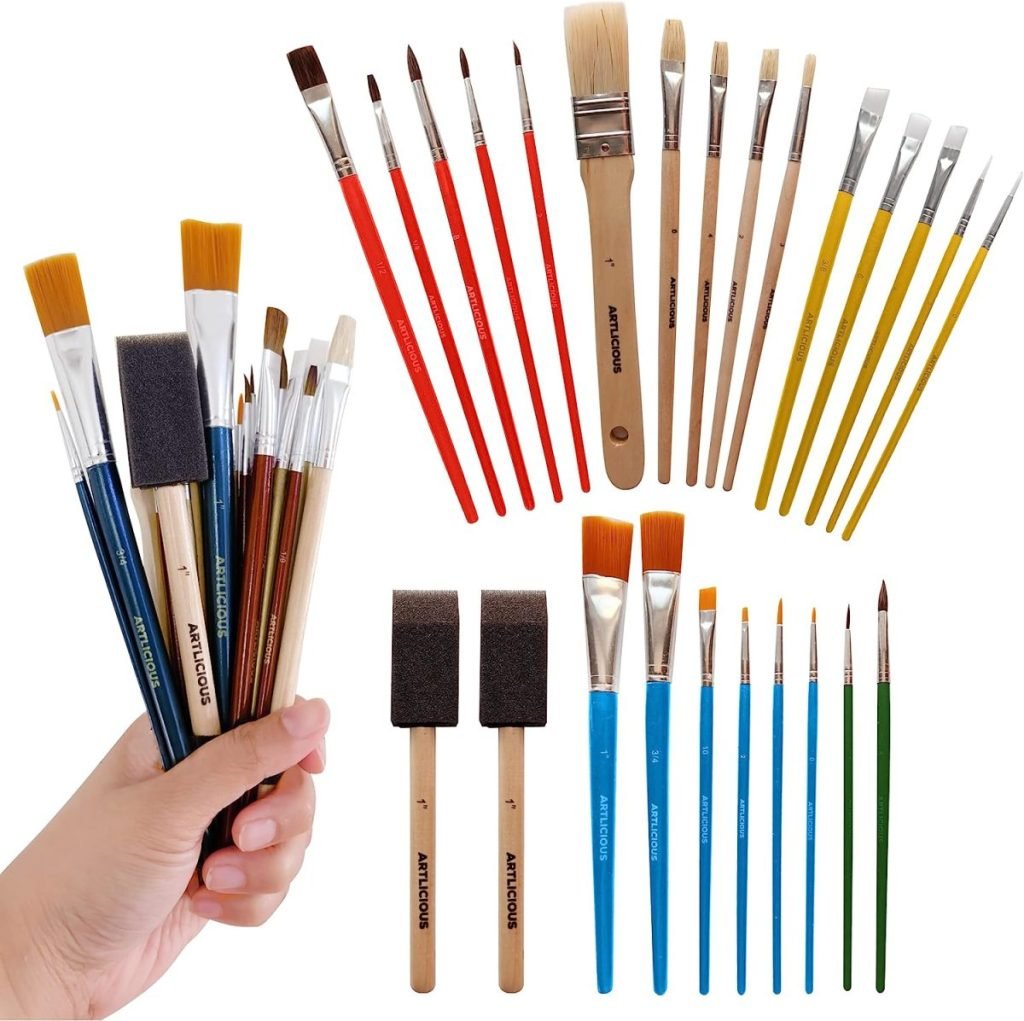
Basic Brushes
For applying glaze or paint.
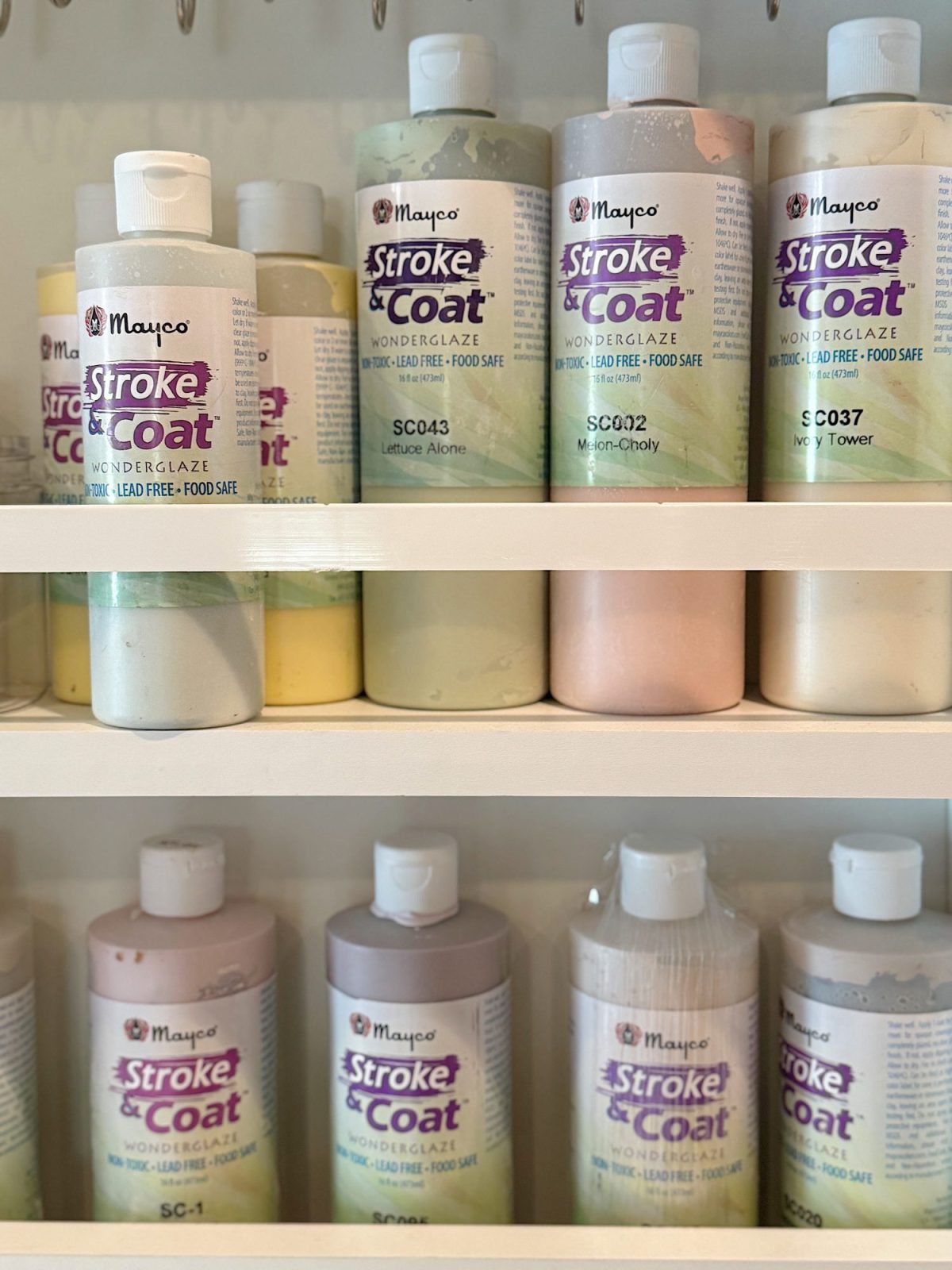
Clay Glaze
This is one of my favorite products. It seals your project and makes it usable, especially for items like brush holders.

Good to Have
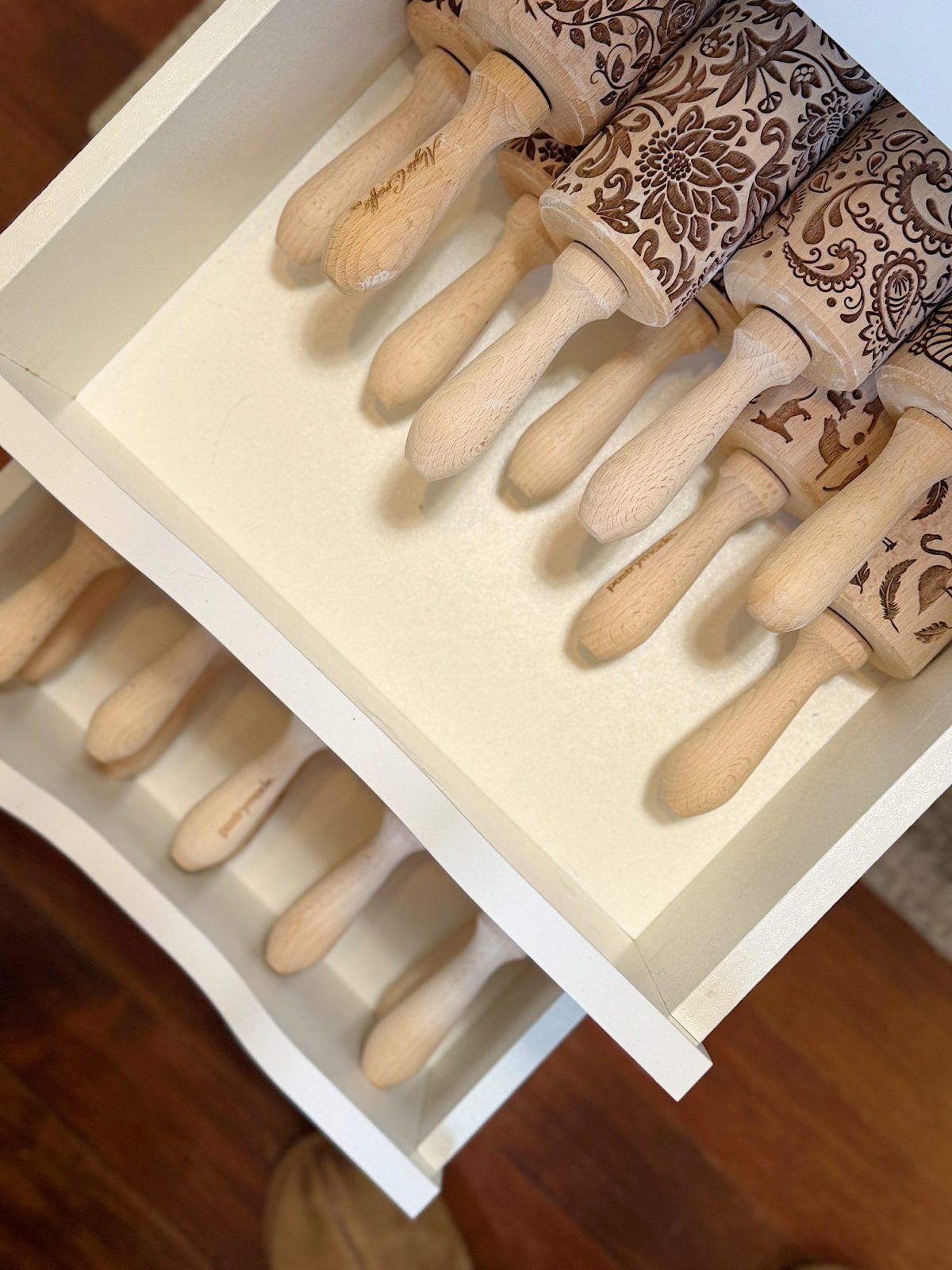
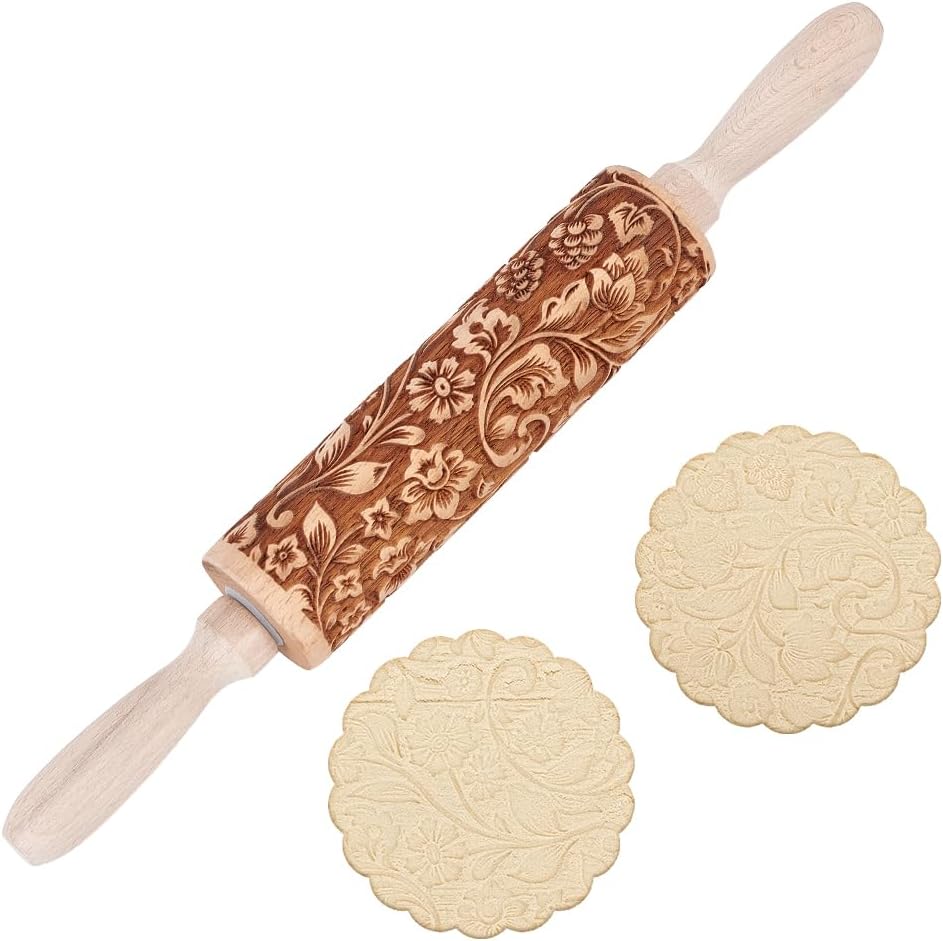
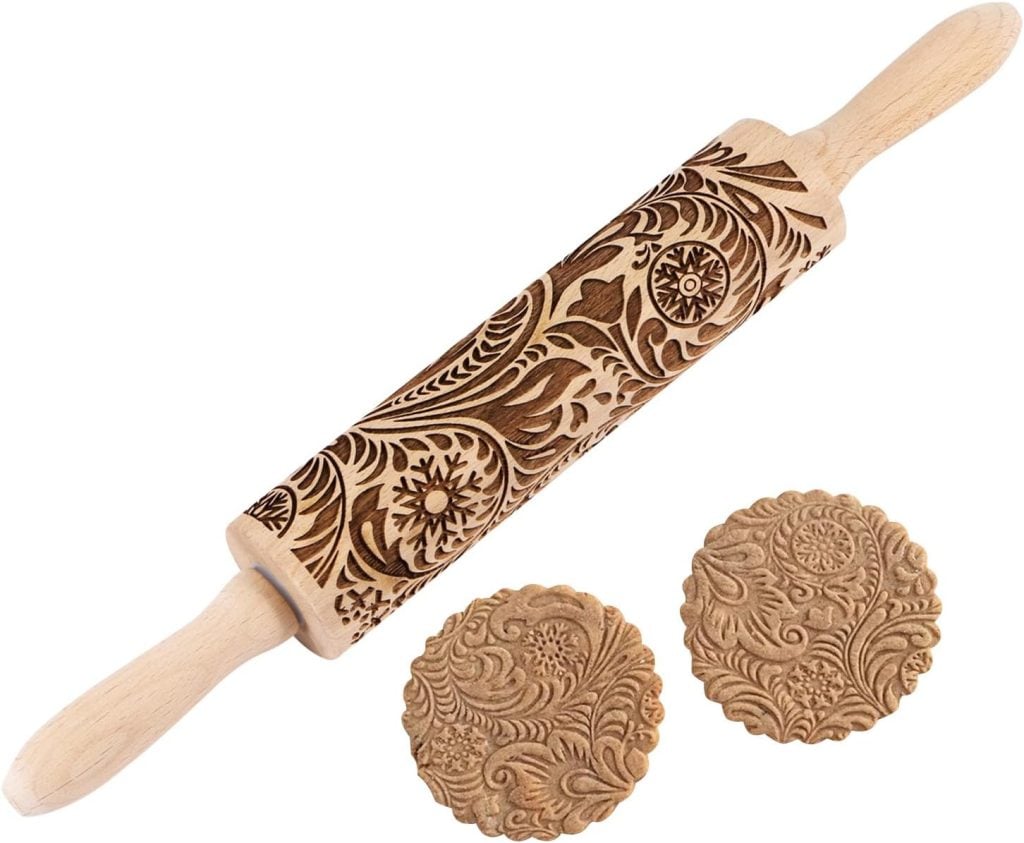
Texture Rollers
These add beautiful patterns quickly.

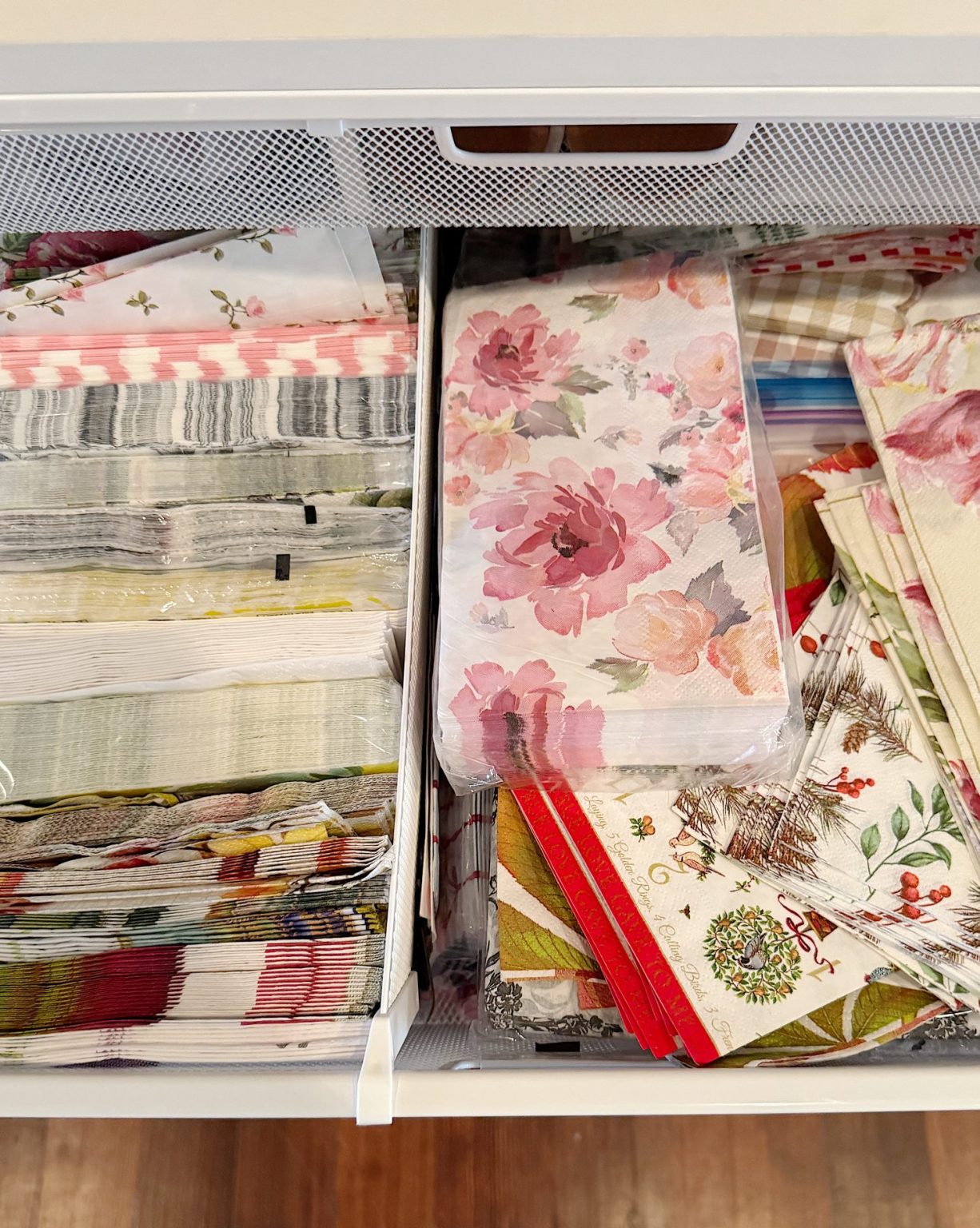
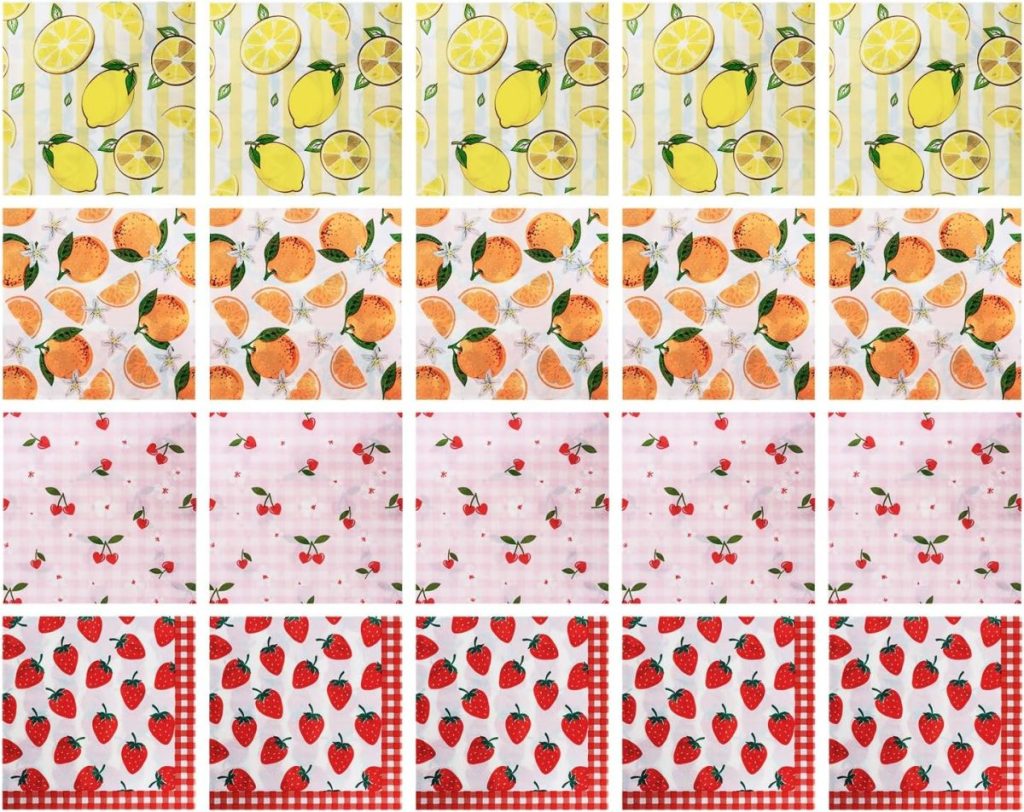
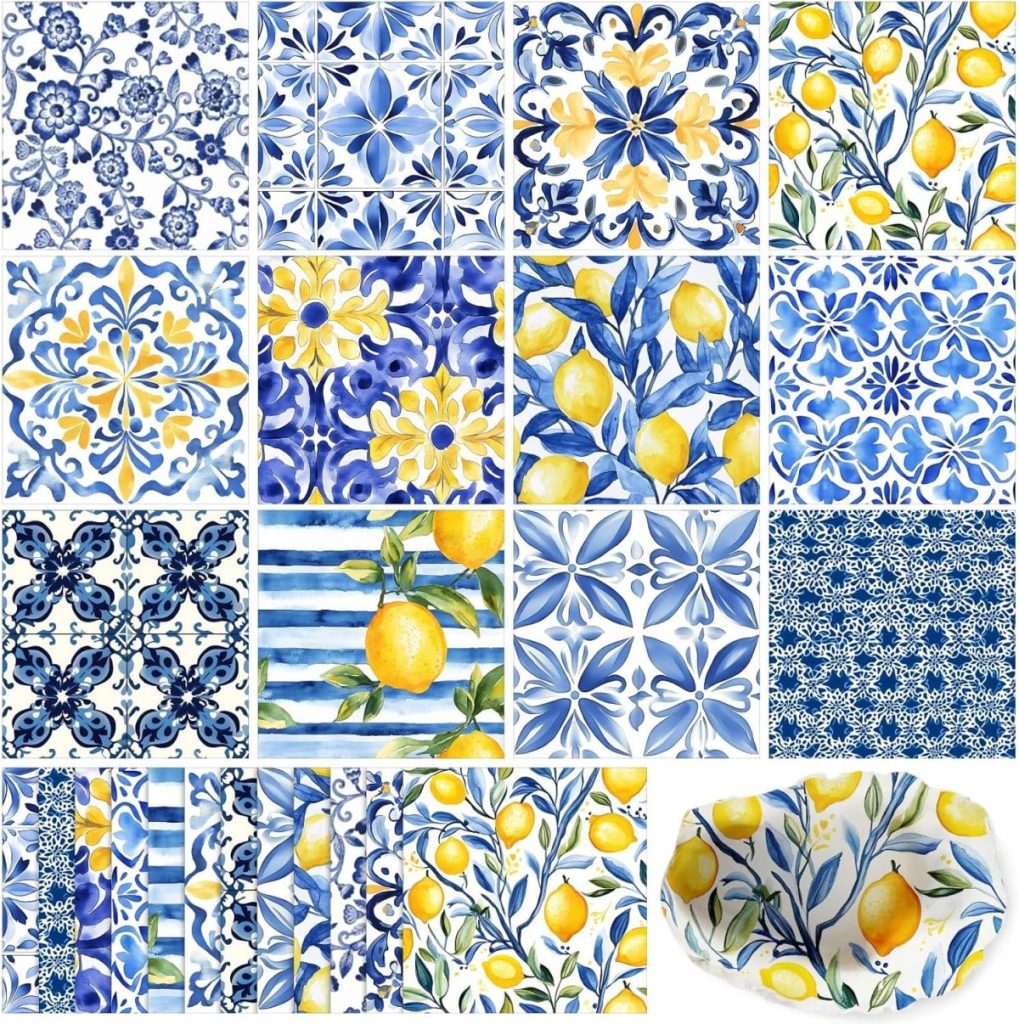
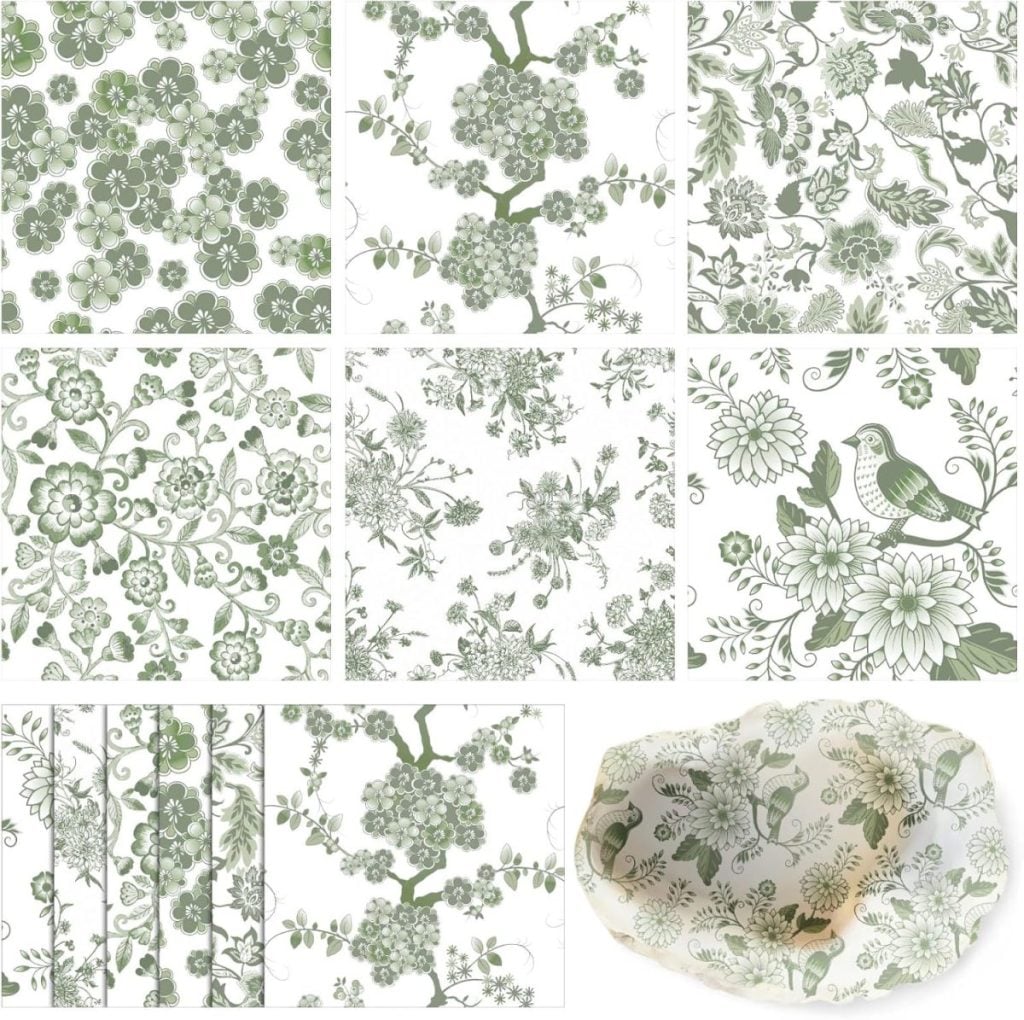
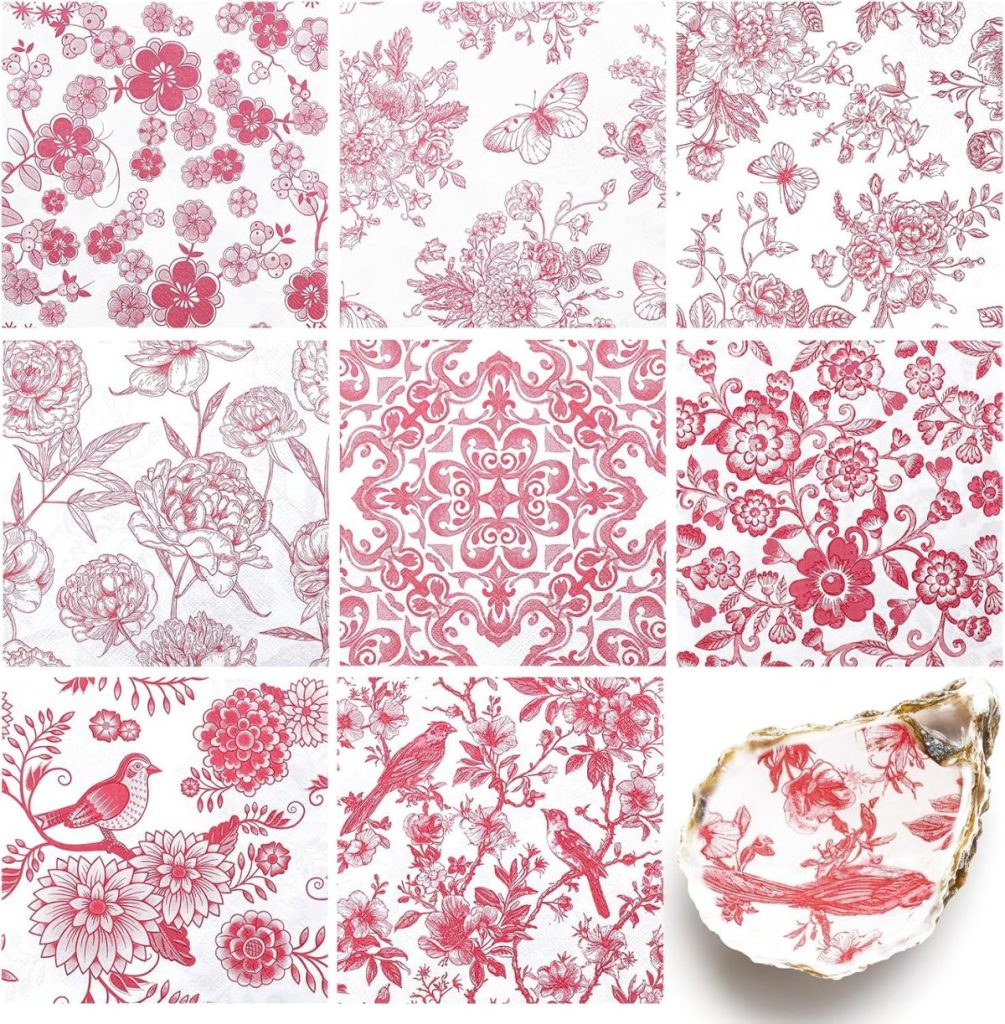
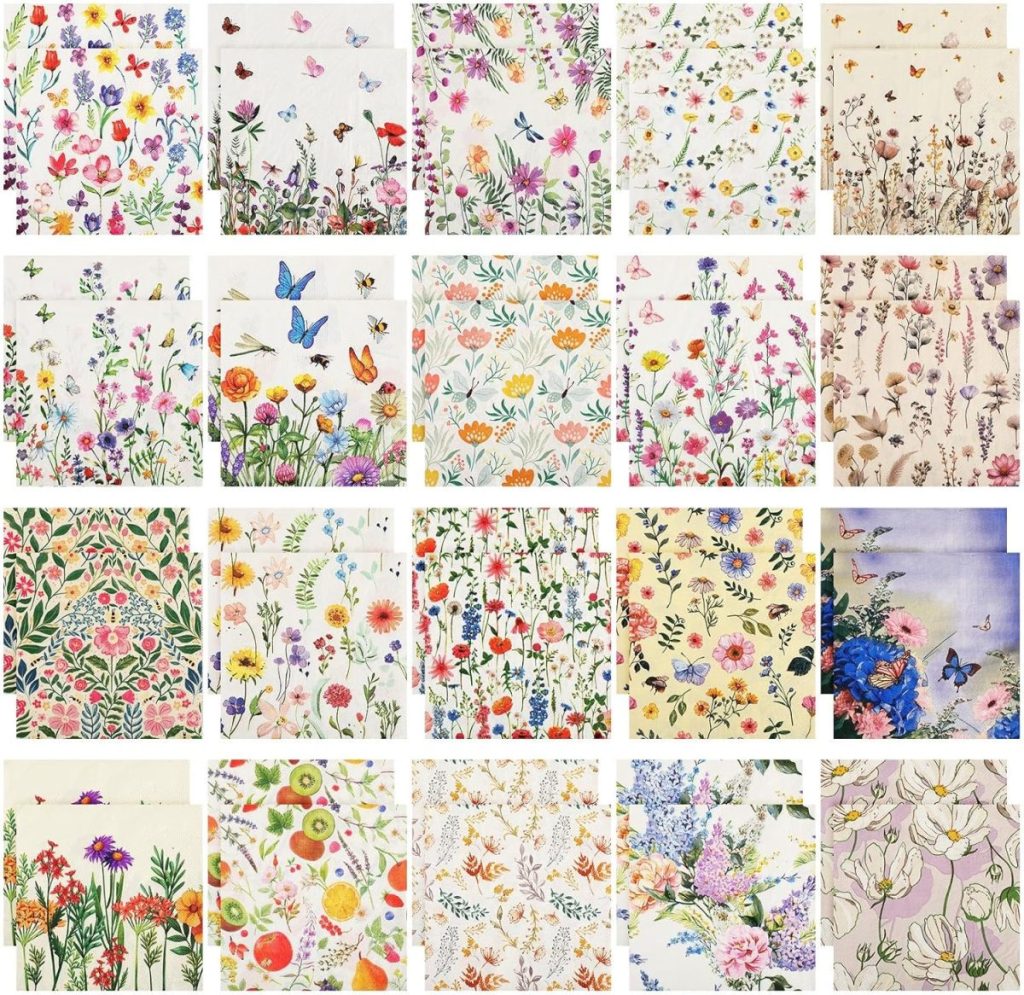
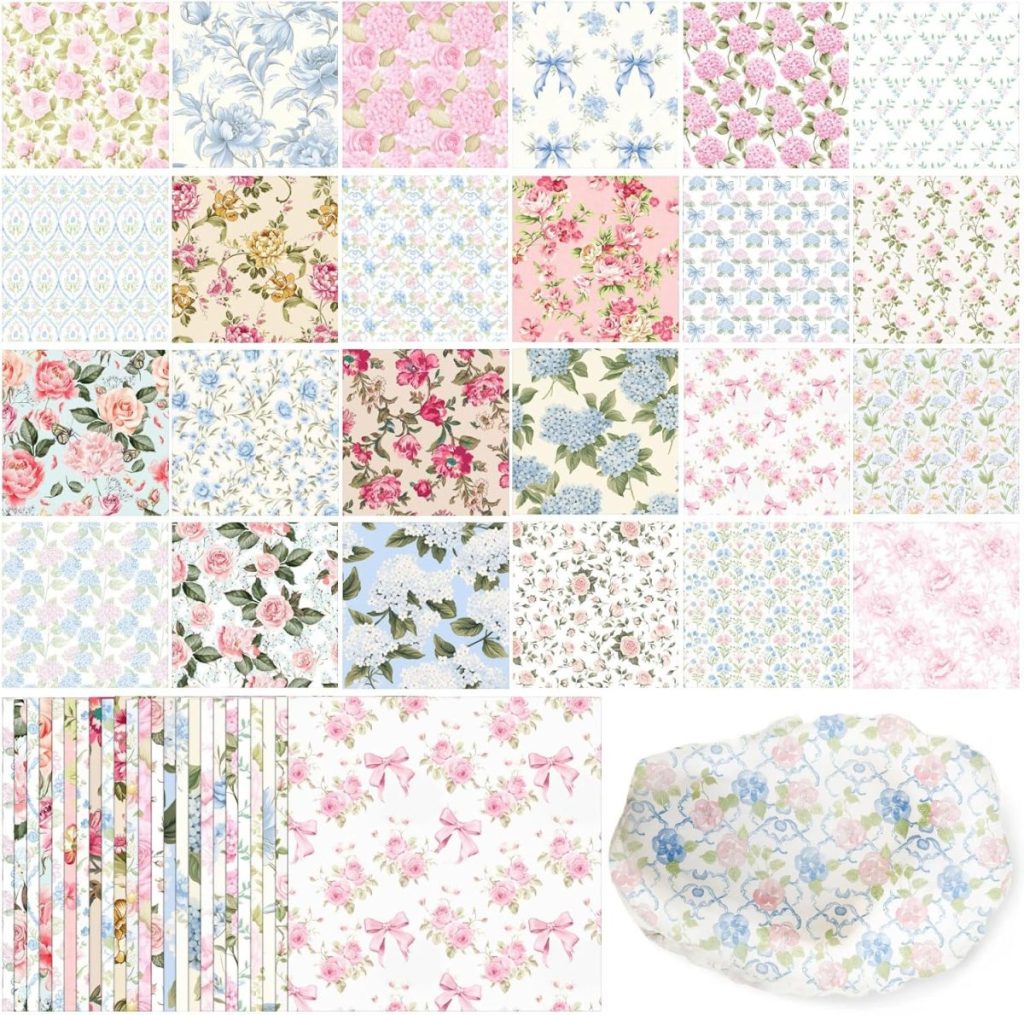
Napkins for Decoupage
Beautiful designs that are easy to apply.
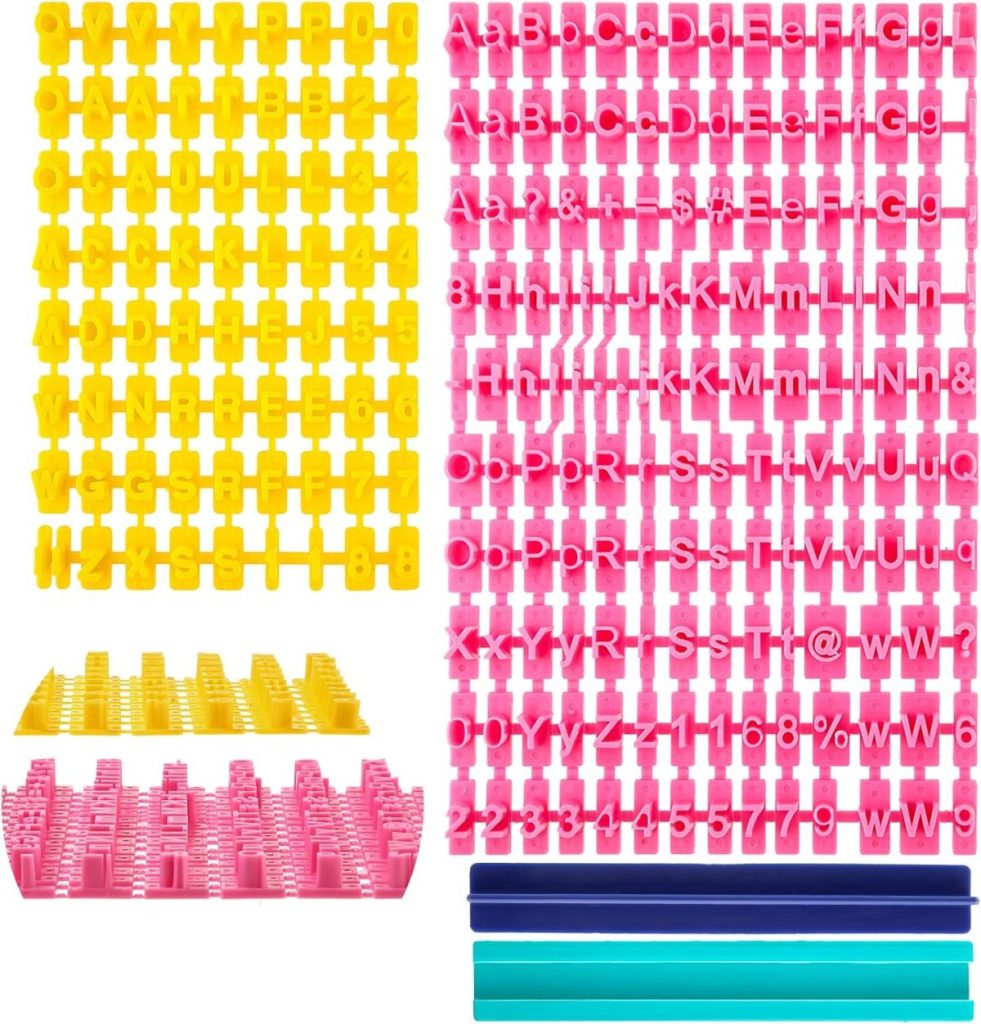
Stamps
For adding words or designs.
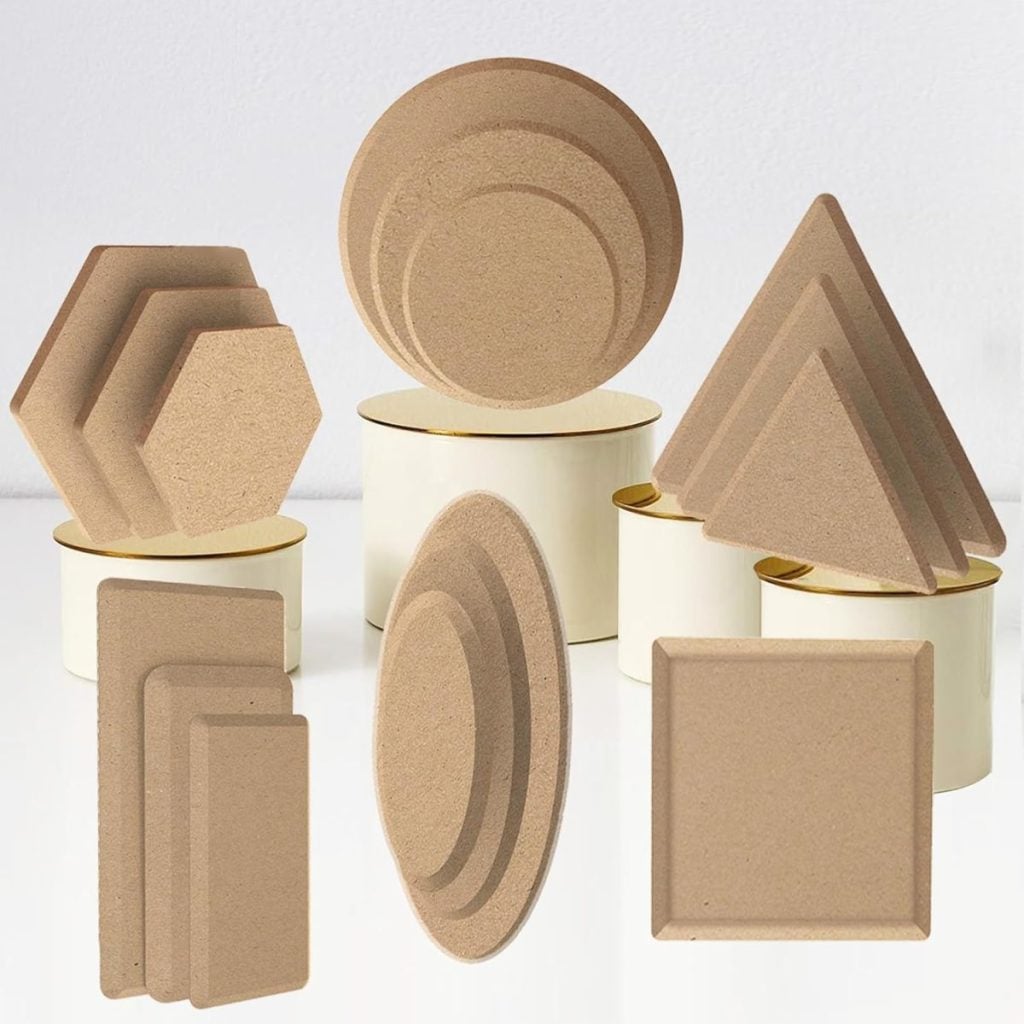
Molds
To create consistent shapes.
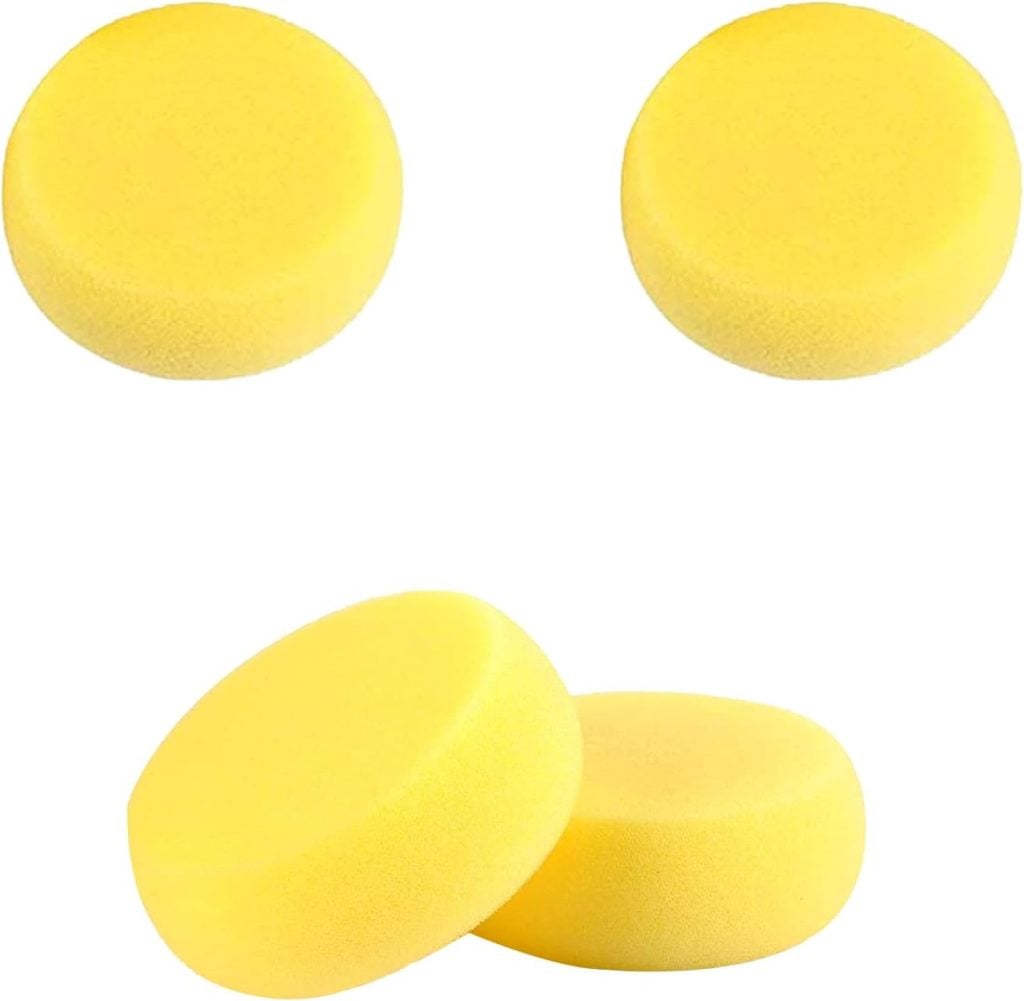
Sponges
For smoothing surfaces.
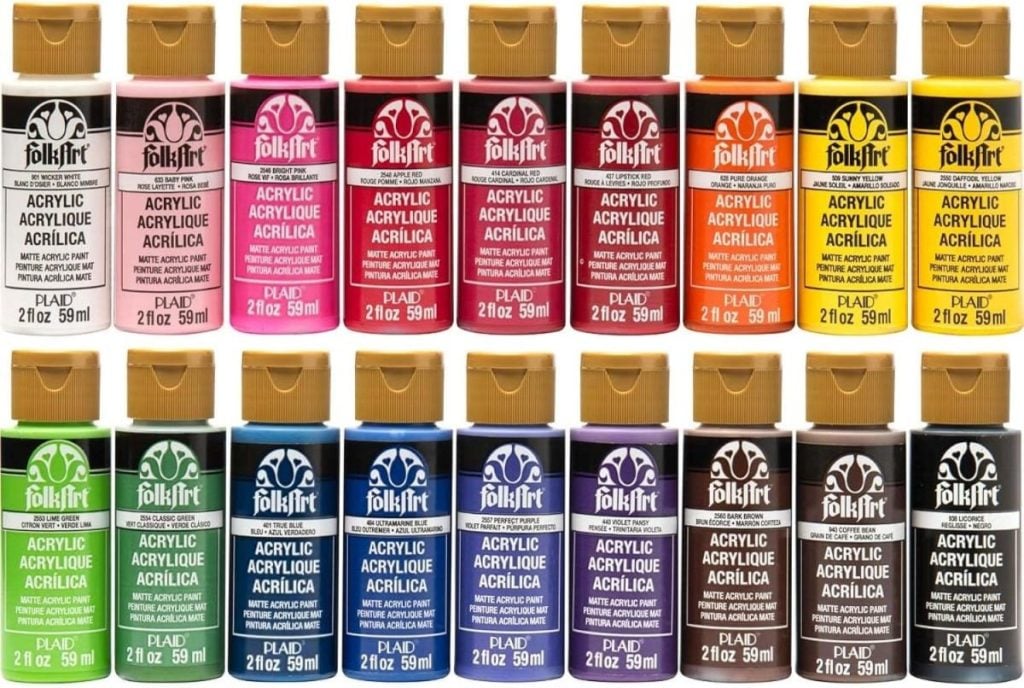
Paint
Acrylic paints for adding color.
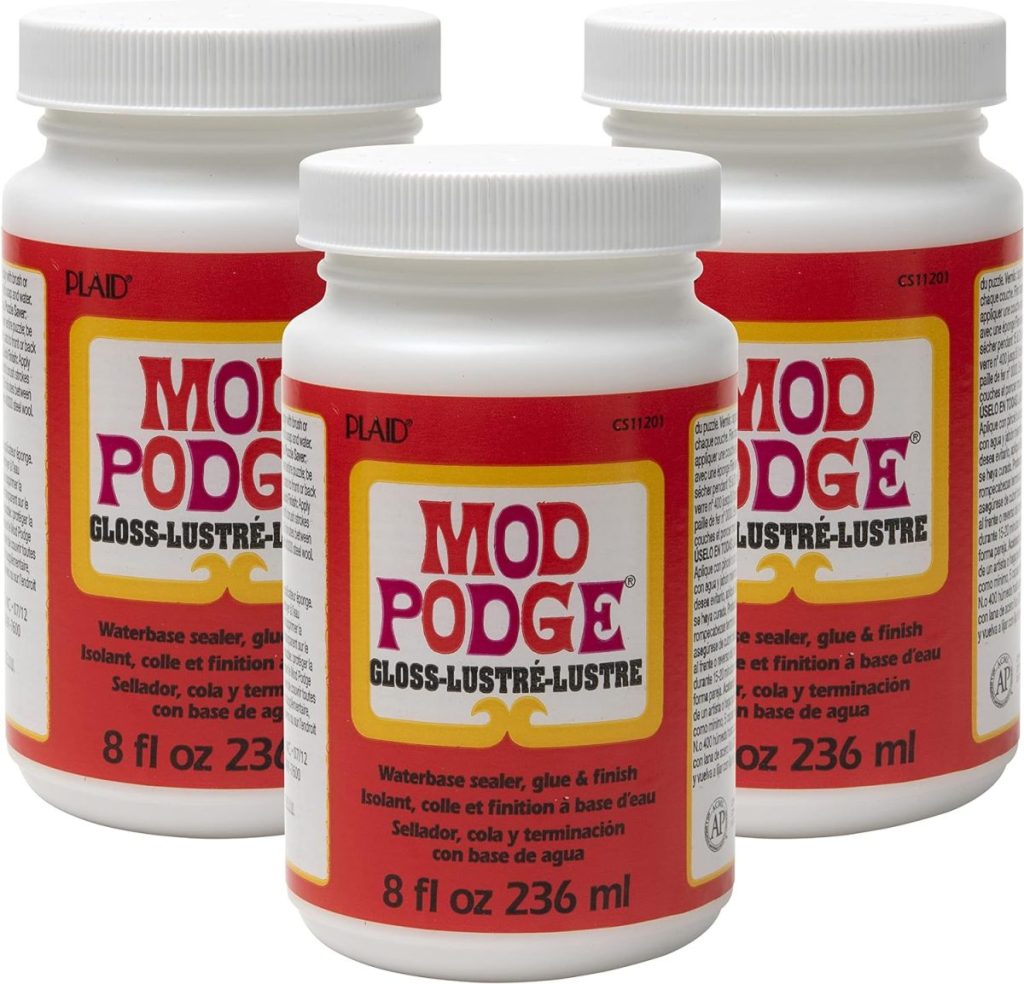
Mod Podge
For decoupage techniques.
Extra Bonuses
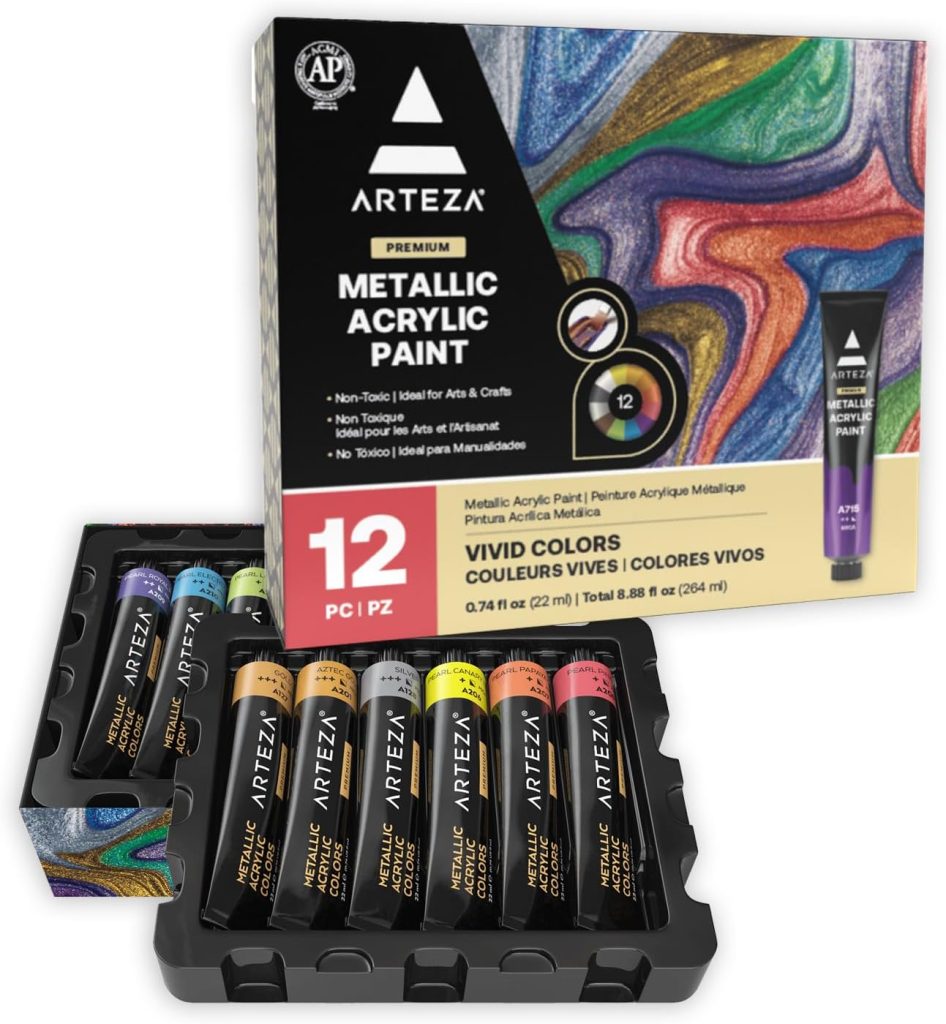
Gold Leaf or Metallic Paint
For adding detail and a finished look.
Specialty Tools
Detail tools for carving or shaping.
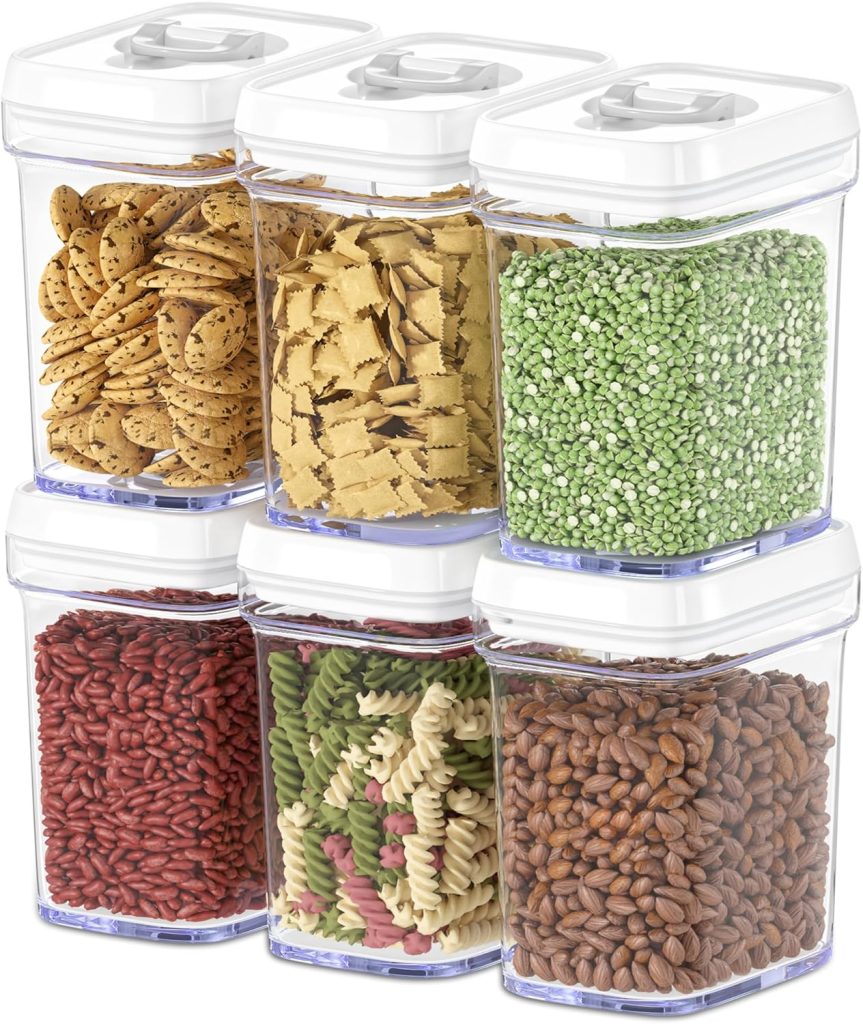
Storage Containers
To keep clay fresh and usable.

How to Build Your Craft Room Over Time
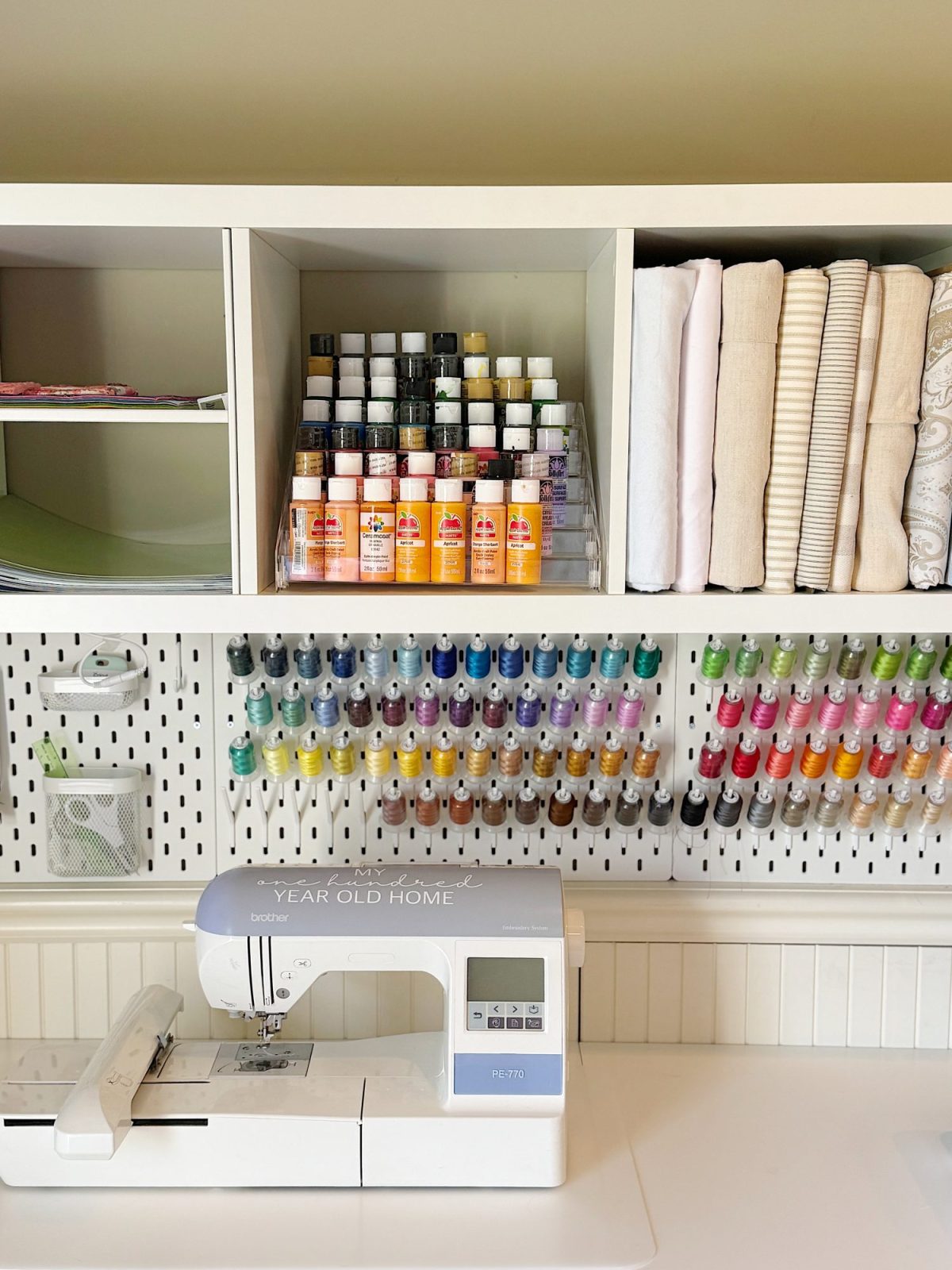
You do not need to buy everything at once.
Start with the must-haves for the craft you love most. As you create more, you will naturally discover what you need next.
That is how I built my craft room. Slowly, intentionally, and based on what I actually use.
The goal is not to have the most tools. The goal is to have the right tools.
Final Thoughts
A well-equipped craft room does not have to be overwhelming.
When you focus on essentials, everything becomes easier. You spend less time searching for tools and more time creating.
That is what this series is all about. Sharing the real tools, real processes, and real ideas that actually work.
And I have so much more to share with you in the coming weeks.
Latest Posts
-
The Truth About Being “Crafty” – Mondays in the Craftroom
One of the most common things people say to me is, “I’m just not crafty.” But the truth is that creativity isn’t something you’re born with. It’s something you learn. Today I’m sharing why being crafty has much less to do with talent and much more to do with curiosity, practice, and simply being willing…
-
Summer at the Beach and Sunday Morning Coffee
Welcome to another Sunday Morning Coffee! Summer is flying by, and I have to say, it has been the busiest and happiest summer at the beach we’ve had in a long time. We’ve spent nearly every weekend at our beach house with family and friends, which is exactly why we bought and remodeled it all…
-
Grilling Perfectly and Tips to Use Your Outdoor Grilling Station
It’s time to fire up the grill and embark on a flavor-filled journey of outdoor cooking! It’s time to have fun with your outdoor grilling station. Planning a successful BBQ cookout is an art that combines culinary skills, creativity, and a dash of hosting finesse. I have crafted The Essential Summer Grilling Guide to help…
-
A Citrus Pillow – A Handmade Summer
A handmade pillow is one of the easiest ways to add a fresh, custom touch to your home, and this cheerful citrus design is perfect for summer. Using a simple white pillow cover, a citrus stencil, acrylic paint, and a little free-motion embroidery, you can create a one-of-a-kind accent pillow that looks boutique-made without spending…
My Recent Instagram Posts

You can pin the image below to your boards on Pinterest (click the Pin button in the top left corner) or follow me on Pinterest!
For more real-time updates, follow me on Instagram @My100YearOldHome







It’s amazing how a well-organized craft room can inspire creativity.
You are so right!
Leslie
I’m envious of your craft room, and I’m not even a crafter!
You are so kind. Thank you.
Leslie