
Why Your Craft Projects Feel Harder Than They Should – Mondays in the Craftroom
I create at least one or two new craft projects every single week, and while some come together easily, others feel surprisingly frustrating from the very beginning.
For the longest time, I assumed difficult projects meant I was doing something wrong. But over the years, I realized something important. Craft projects aren’t hard because we are bad at crafting. They are hard because our systems, tools, setup, and workflow are working against us instead of helping us create.

Do Your Craft Projects Feel Harder Than They Should?
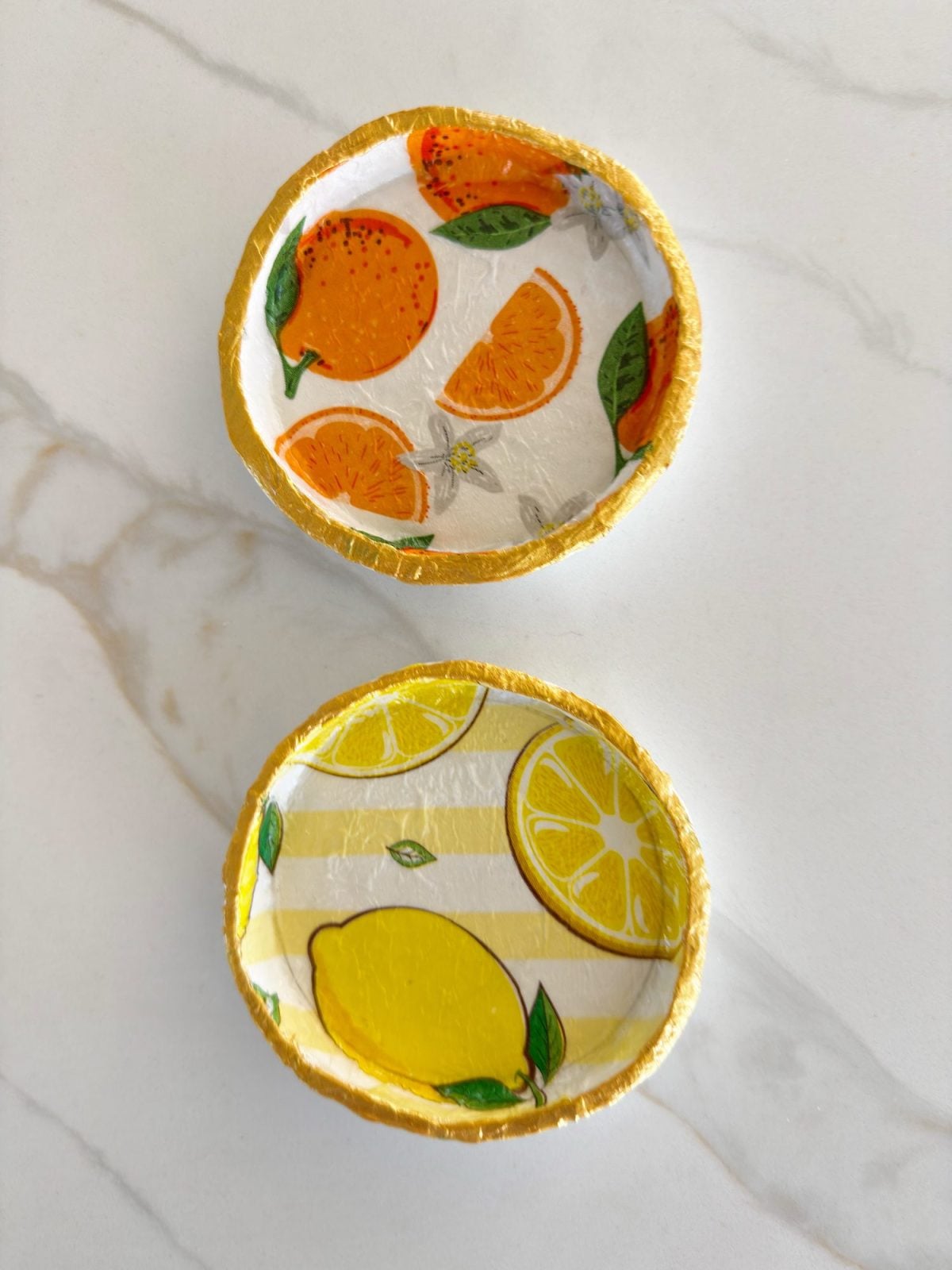
See the craft here.
There is something I hear all the time from people who love to craft.
“I don’t know why this feels so hard.”
And honestly? I completely understand.
Because for the longest time, my projects felt harder than they should have. I thought the problem was that I needed more talent, more patience, more practice, or more time. But over the years, I realized something important.
Most craft projects aren’t hard because we are bad at crafting.
They are hard because your systems are working against you.
That realization changed everything for me.
Once I started improving my setup, organizing my supplies differently, planning projects better, and understanding the actual process behind what I was making, crafting became easier, more relaxing, and a lot more enjoyable.
So today, for Mondays in the Craft Room, I want to share the real reasons your craft projects may feel harder than they should and the simple changes that can completely transform your experience.
You Are Stopping and Starting Too Much
This is probably the biggest issue I see.
Most people spend more time setting up their project than actually creating it.
You pull out supplies. Clear a table. Hunt for scissors. Find the glue gun. Search for thread. Move everything around. And by the time you are finally ready to start, you are already frustrated.
This is exactly why I believe so strongly in permanent workstations.
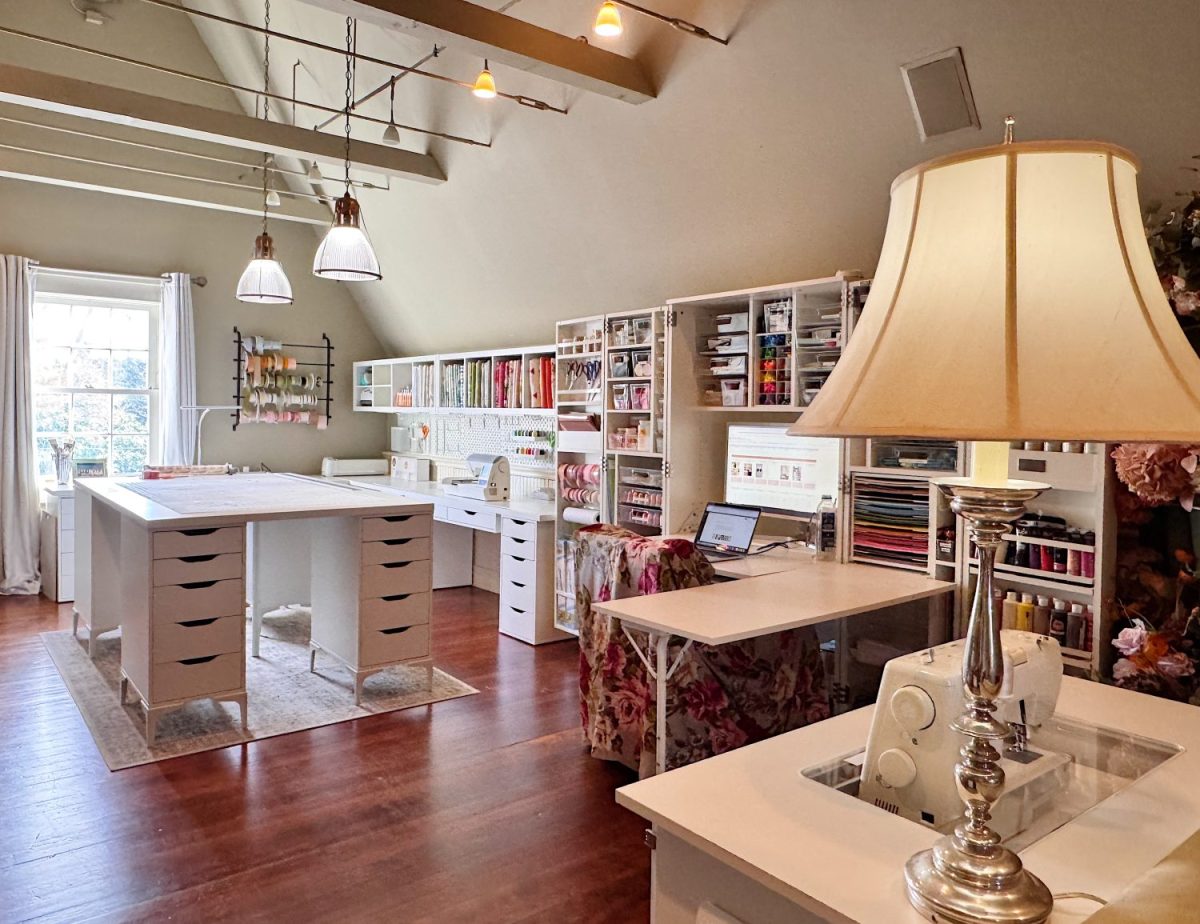
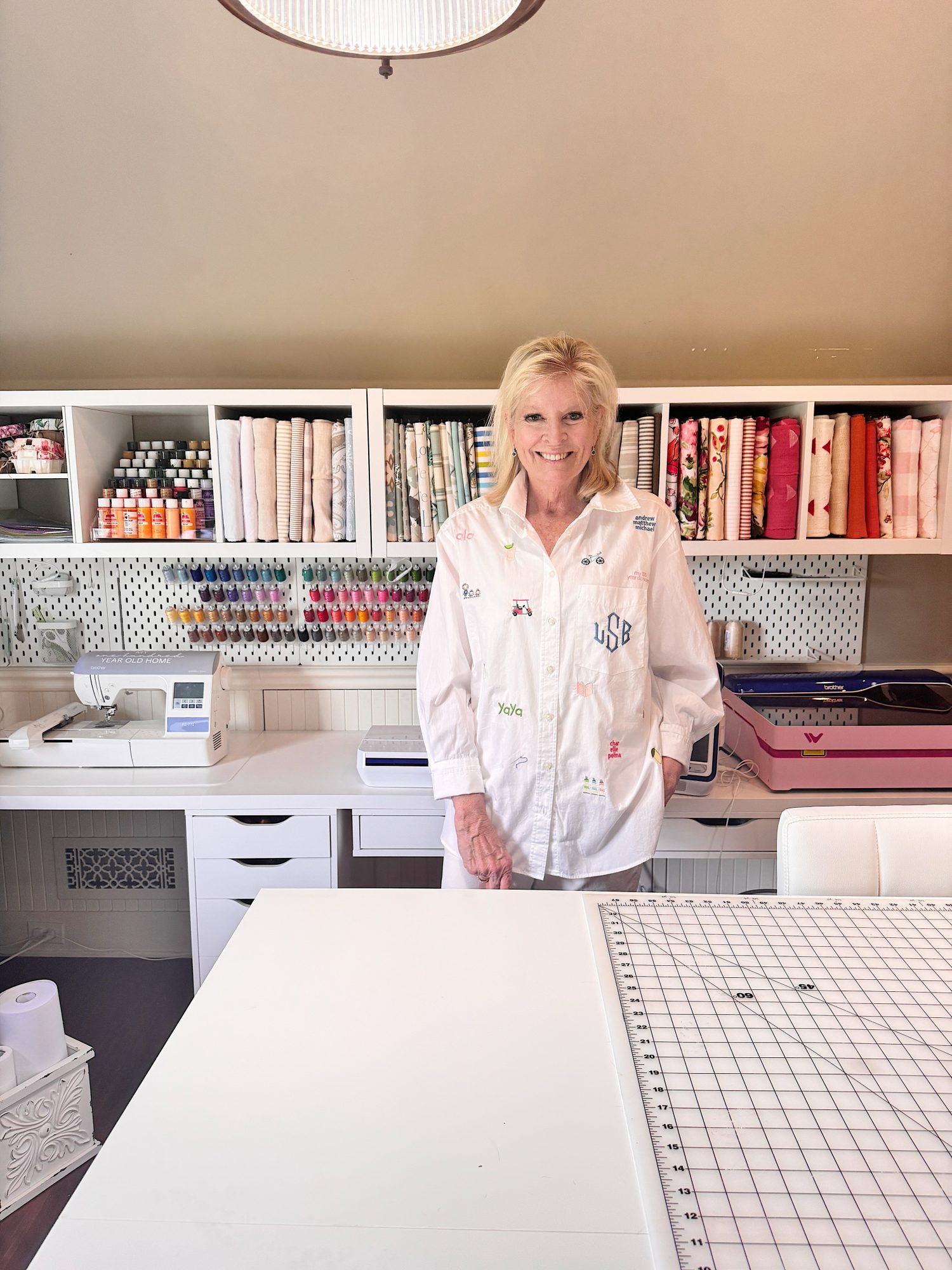
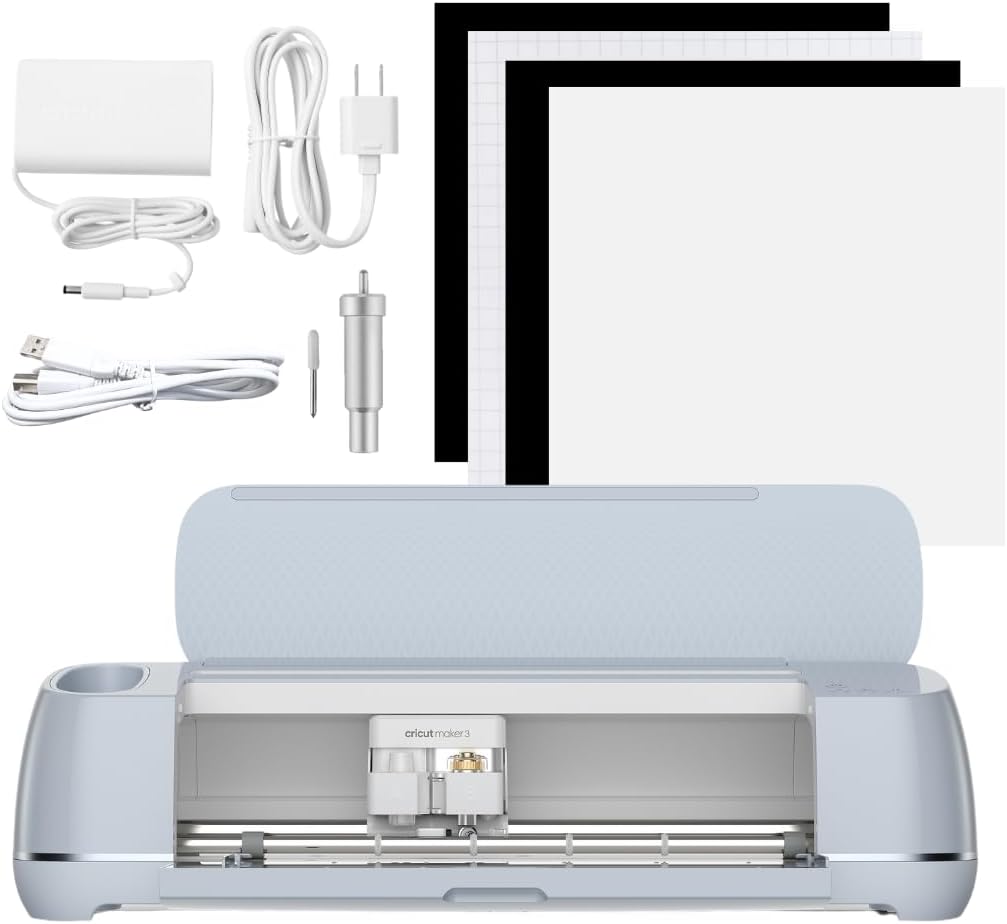
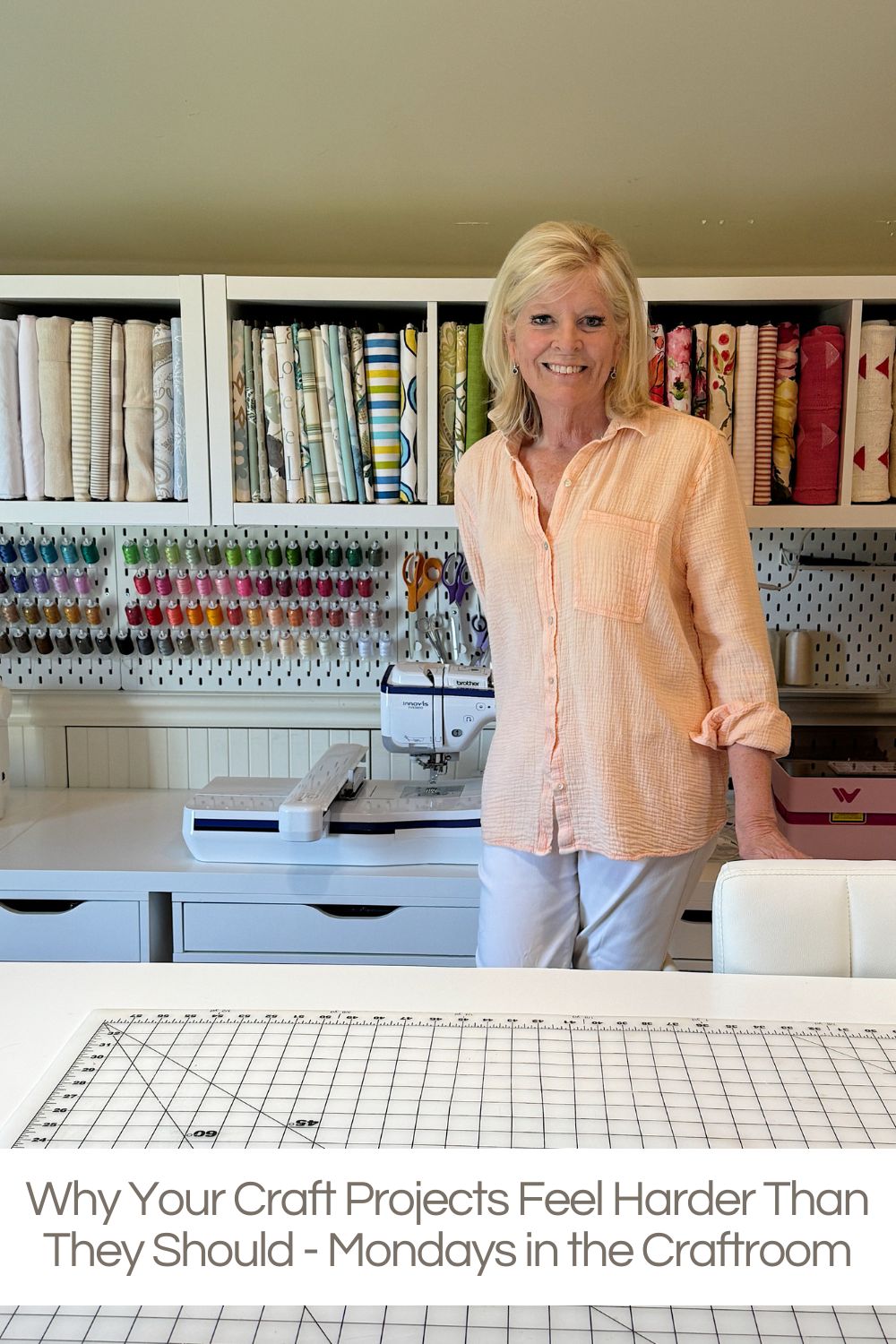
In my craft room, I have dedicated areas for sewing, embroidery, Cricut projects, clay, wrapping, and general crafting. That means I can sit down and start immediately.
Even if you do not have a full craft room, you can still create systems that reduce setup time.
Use bins for specific crafts. Store supplies together by category. Keep your most-used tools within reach. The less time you spend preparing to craft, the more enjoyable crafting becomes.
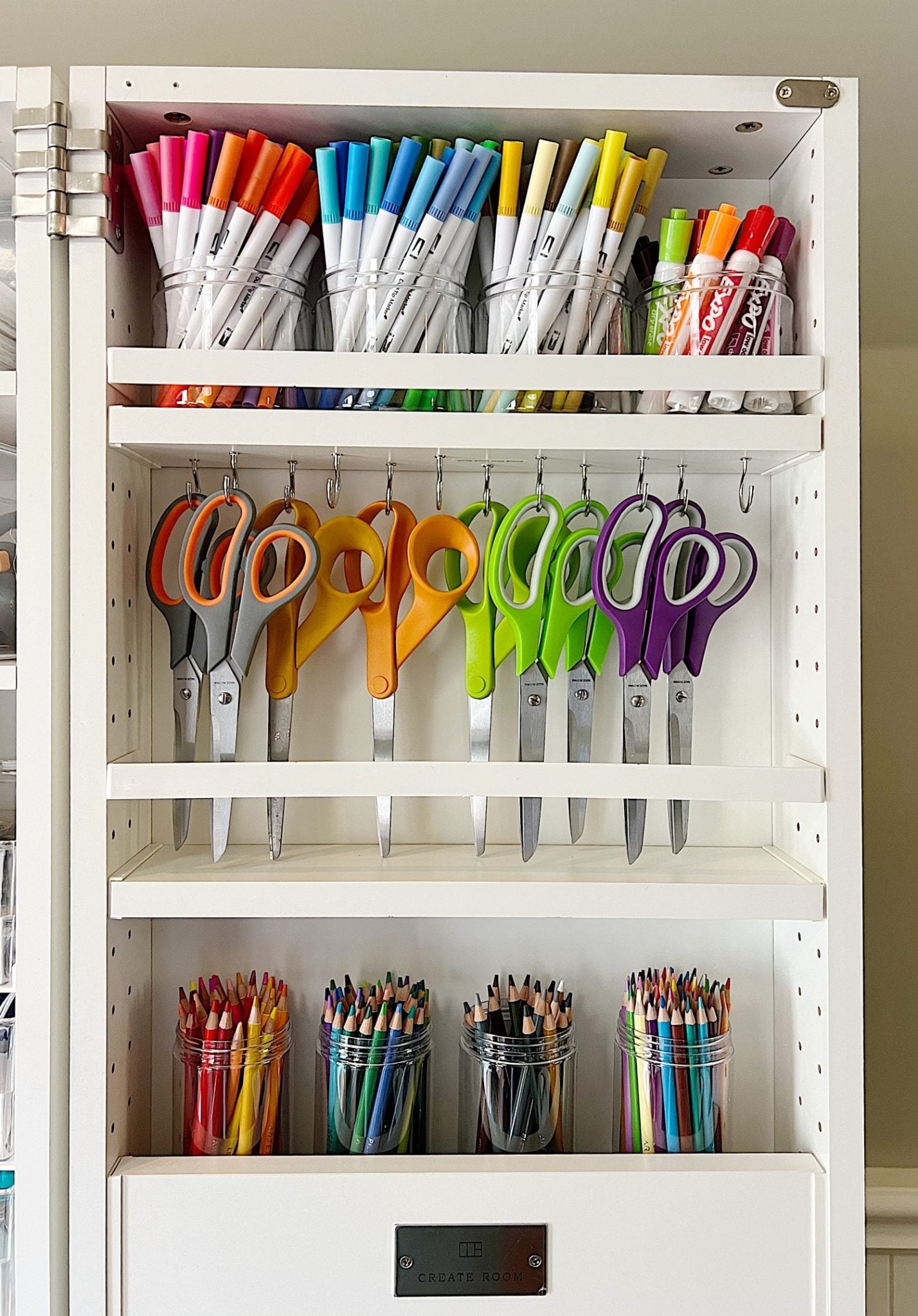
Your Tools Are Making Things Harder
This one surprises people.
Sometimes, the reason a project feels difficult is not the project itself. It is the tool you are using.
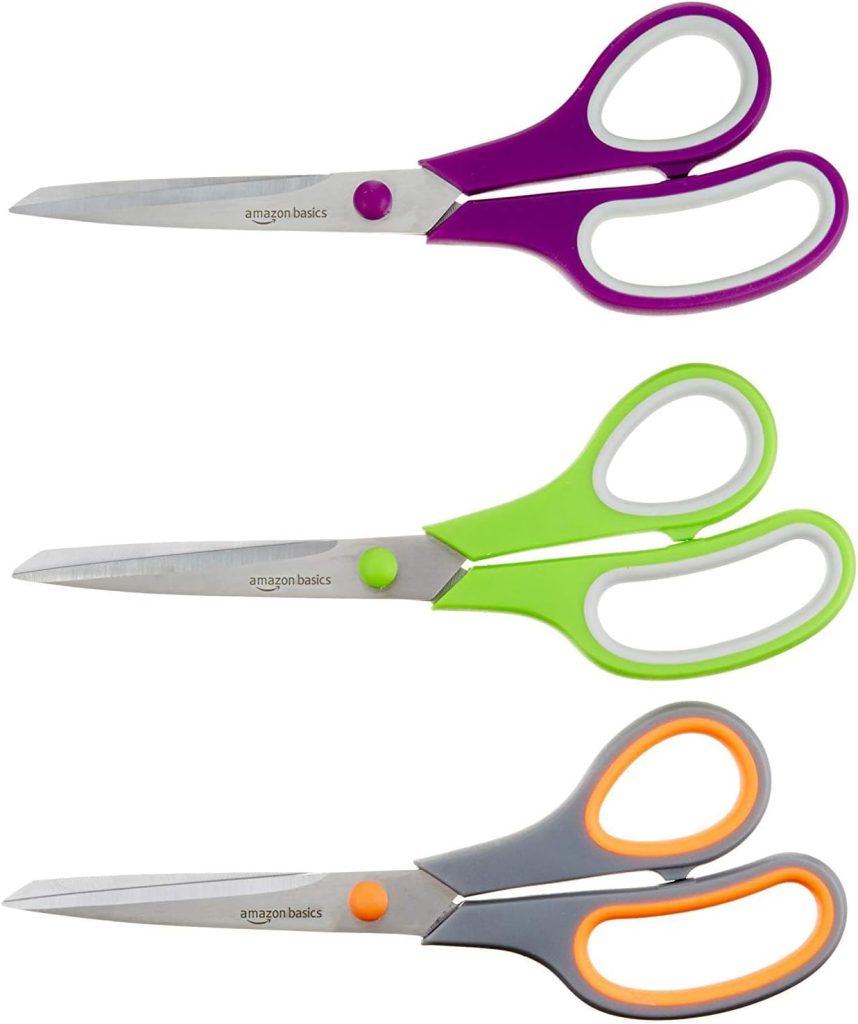
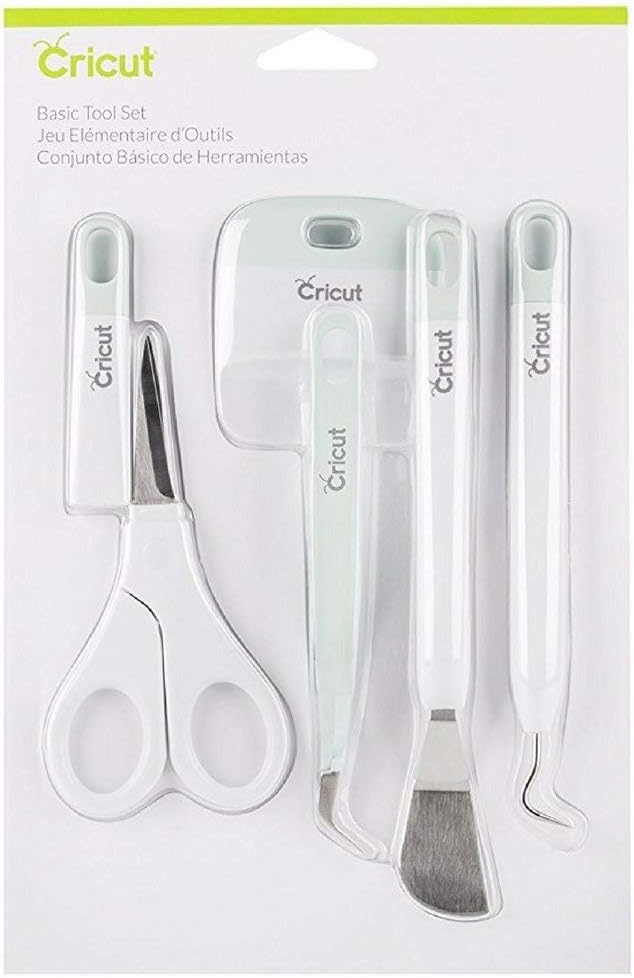
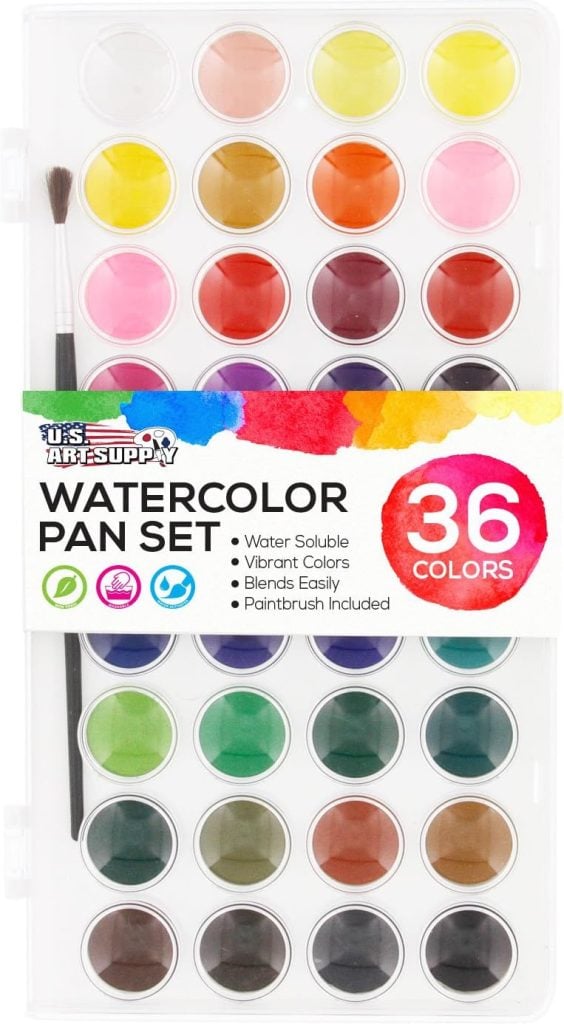
A dull pair of scissors. A weak glue gun. Poor lighting. Cheap paint brushes. The wrong stabilizer for embroidery. A Cricut mat that has lost its grip.
These small frustrations add up quickly.
I used to think I needed to “work through it,” but now I realize good tools matter. They do not have to be the most expensive tools, but they should work properly.
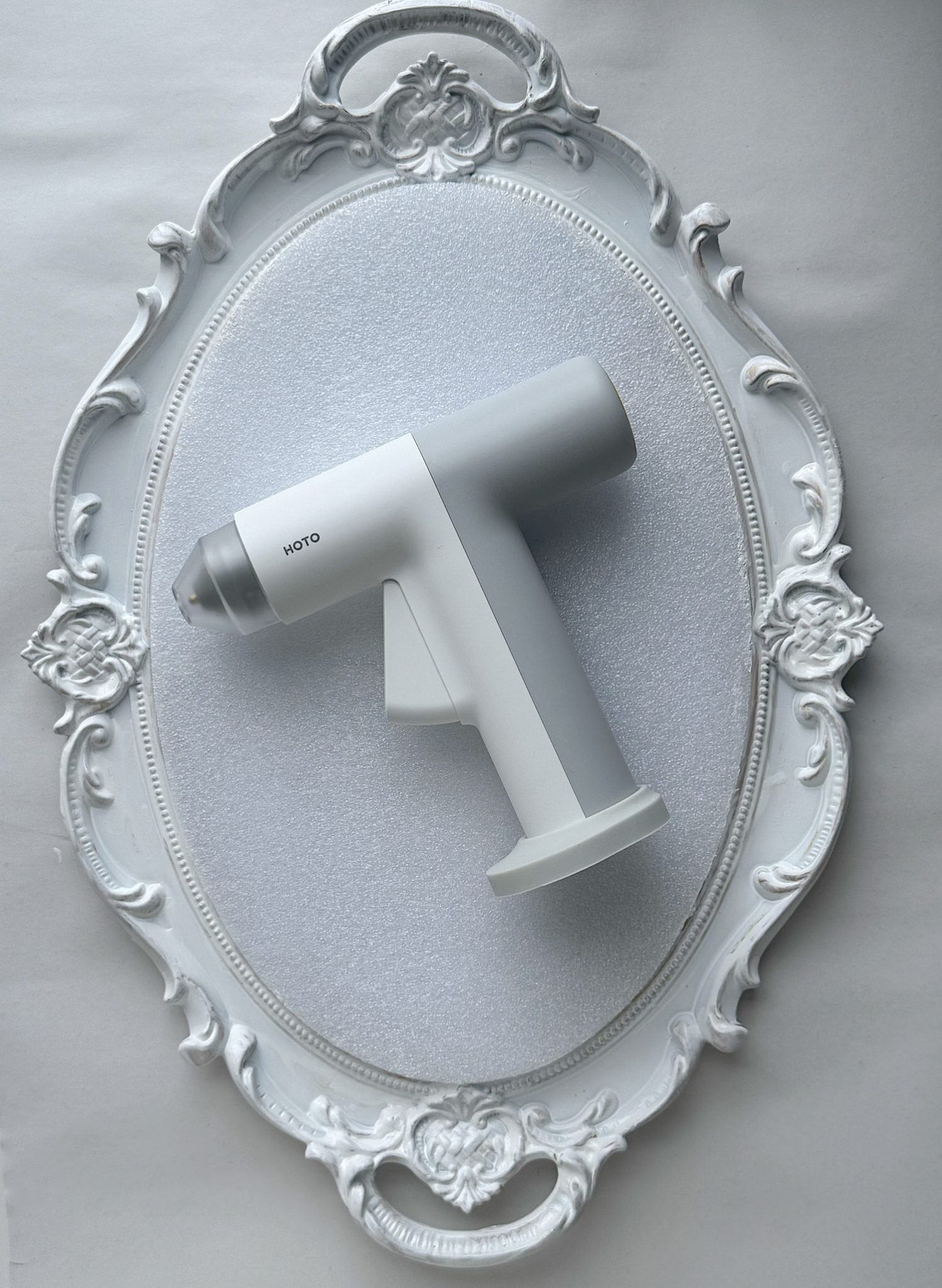
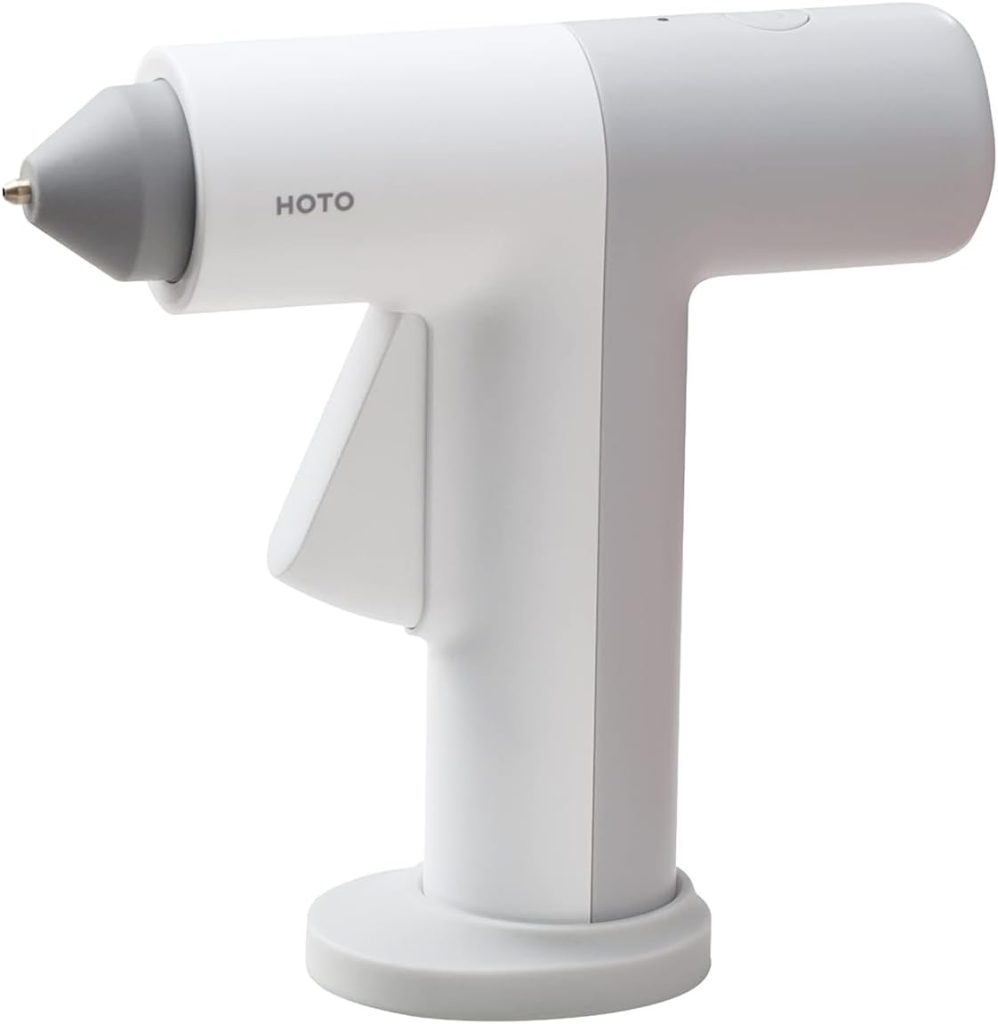
One of the best examples for me is my HOTO cordless glue gun. I never realized how annoying cords were until I stopped dealing with one. Suddenly, projects felt smoother and easier because I was not constantly adjusting or fighting with the tool.
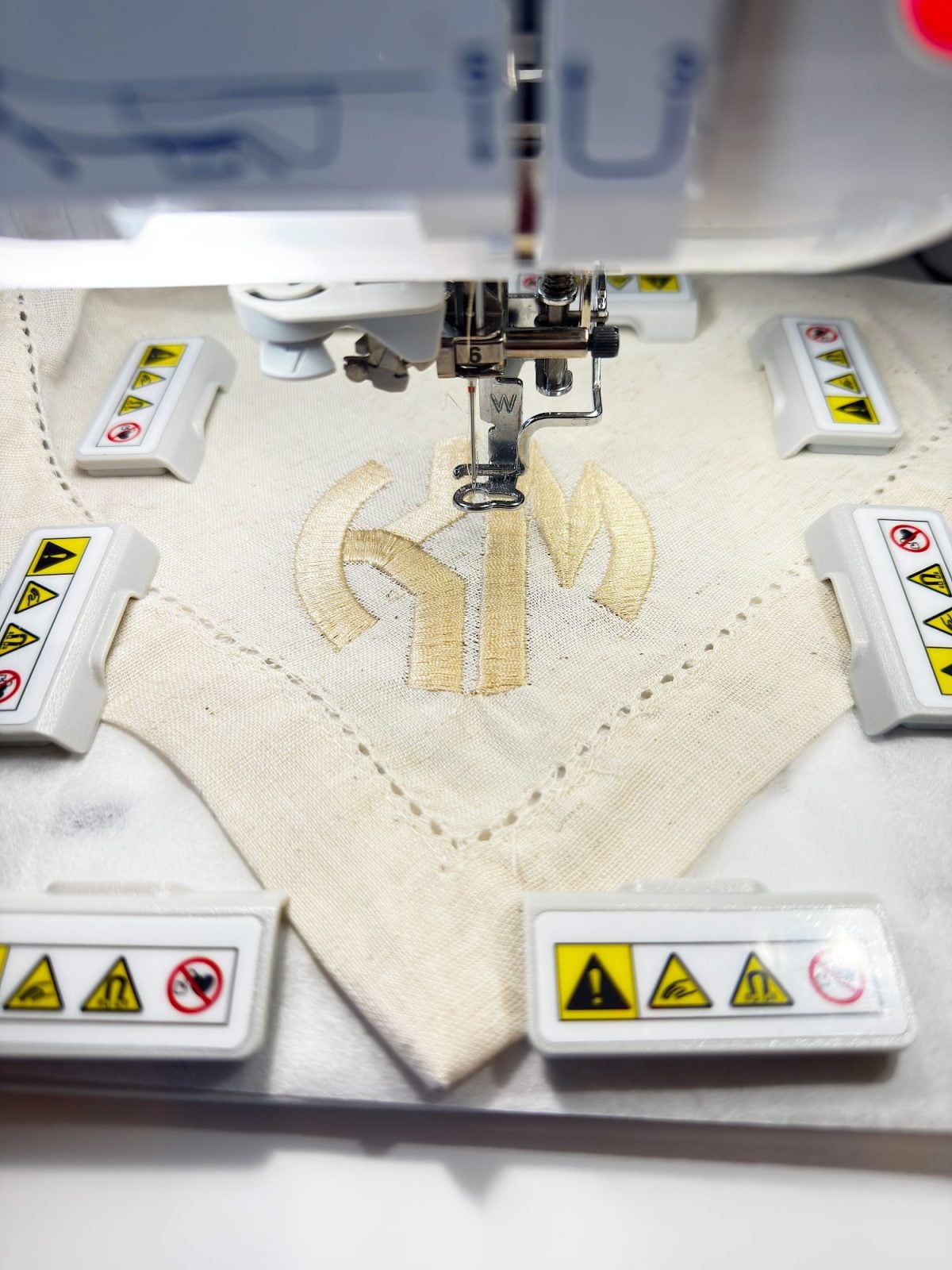
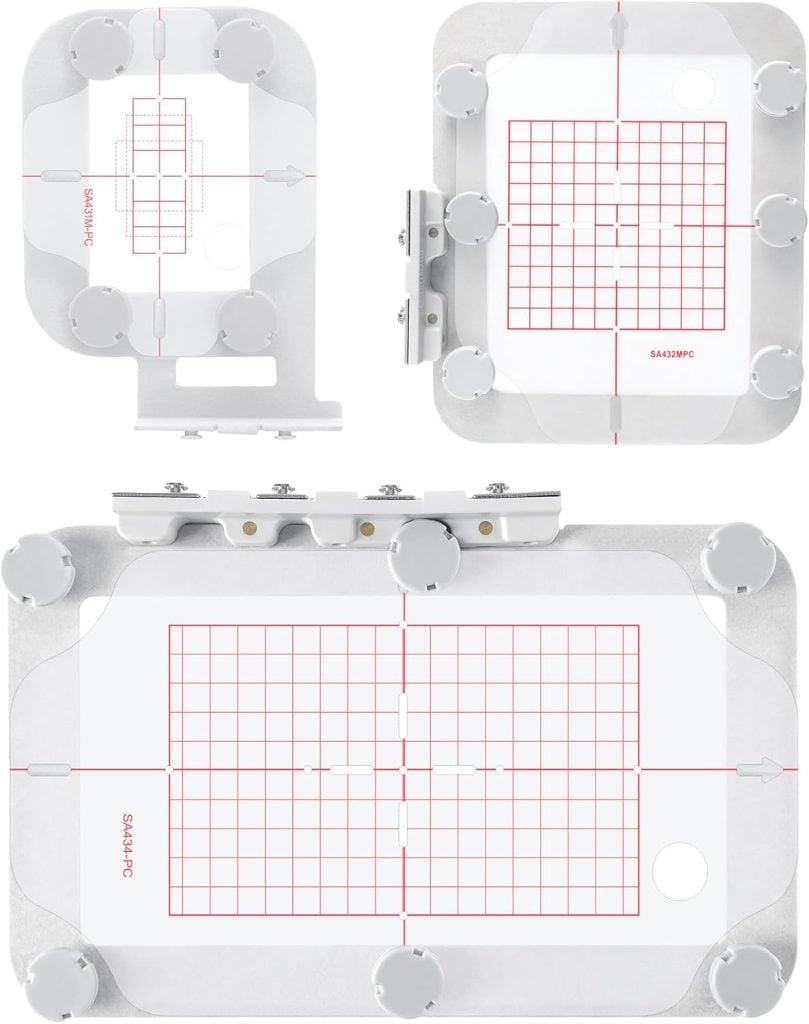
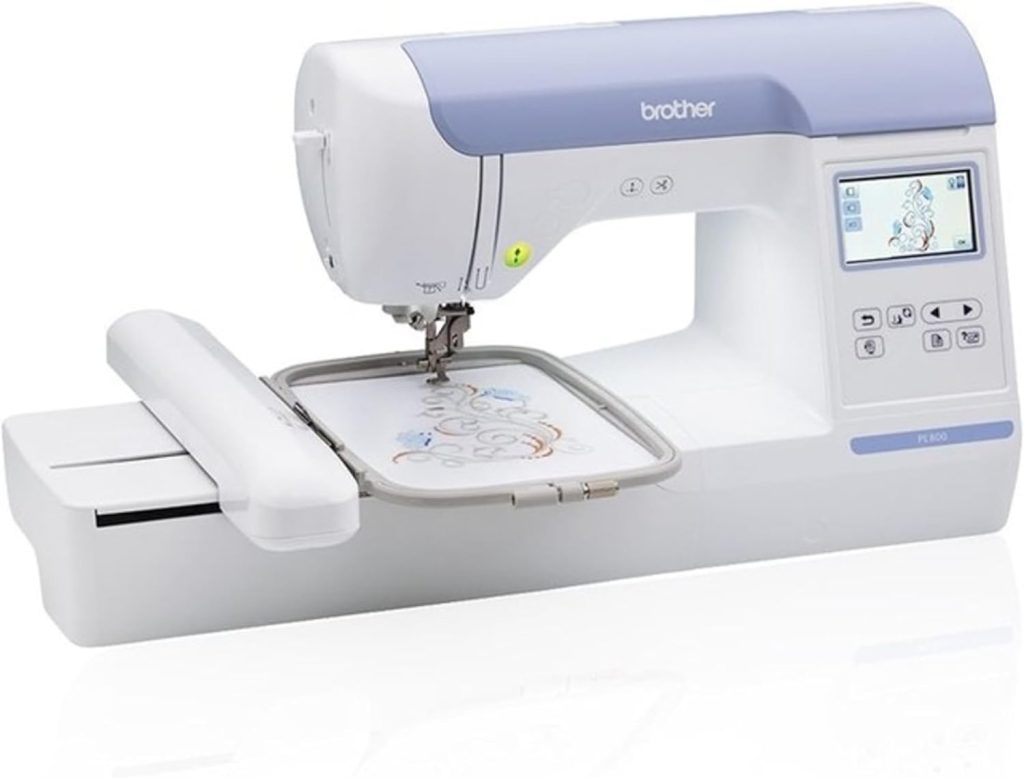
The same thing happened when I switched to magnetic embroidery hoops. Hooping fabric became dramatically easier.
Sometimes the solution is not more skill. It is simply a better tool.
I may use affiliate links on this blog, which means I earn a small commission if you make a purchase through them. The price will be the same whether you use the affiliate link or go directly to the vendor’s website using a non-affiliate link.
You Are Trying to Learn Everything at Once
This is especially common with newer crafters.
You buy a Cricut, sewing machine, or embroidery machine and immediately try to make advanced projects.
I understand the excitement. But often it creates frustration because you are learning:
- the machine
- the materials
- the software
- the techniques
- the terminology
… all at the same time.
That is overwhelming for anyone.
The projects that feel easiest are usually the ones where you already understand most of the process.
This is why I always recommend starting smaller than you think you should.
Do one technique at a time.
Learn how to hoop fabric before making a complicated embroidered jacket. Learn how your Cricut cuts before making layered vinyl projects.
Confidence builds faster when your learning curve is smaller.

Your Workspace Is Fighting You
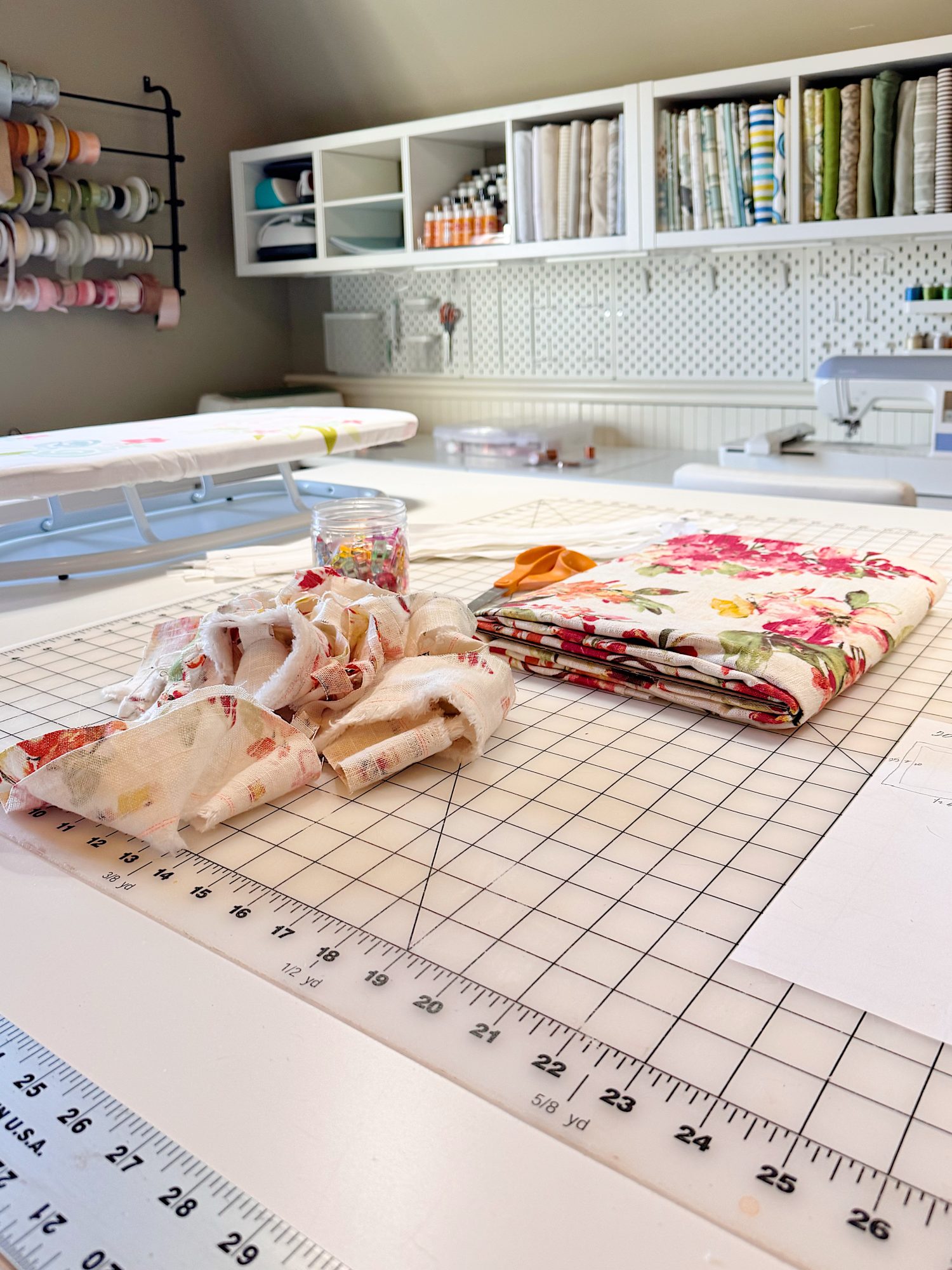
I cannot overstate how much your physical space affects your creativity.
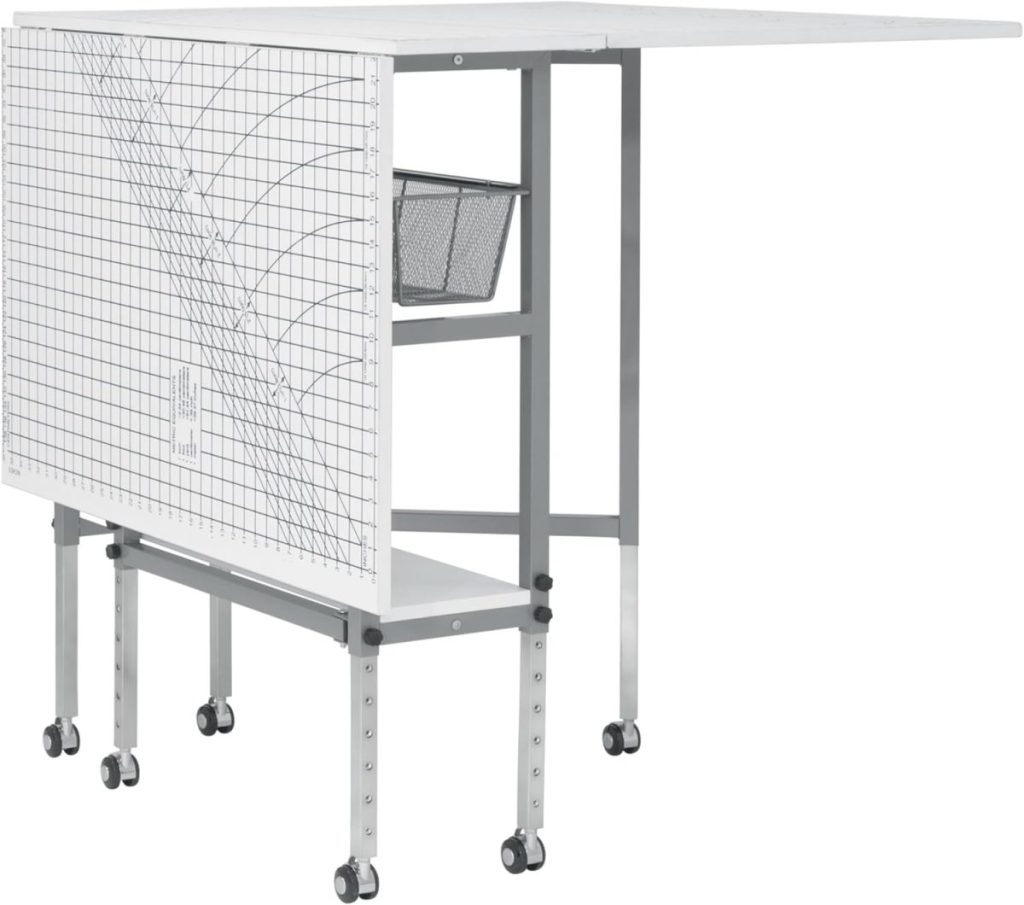
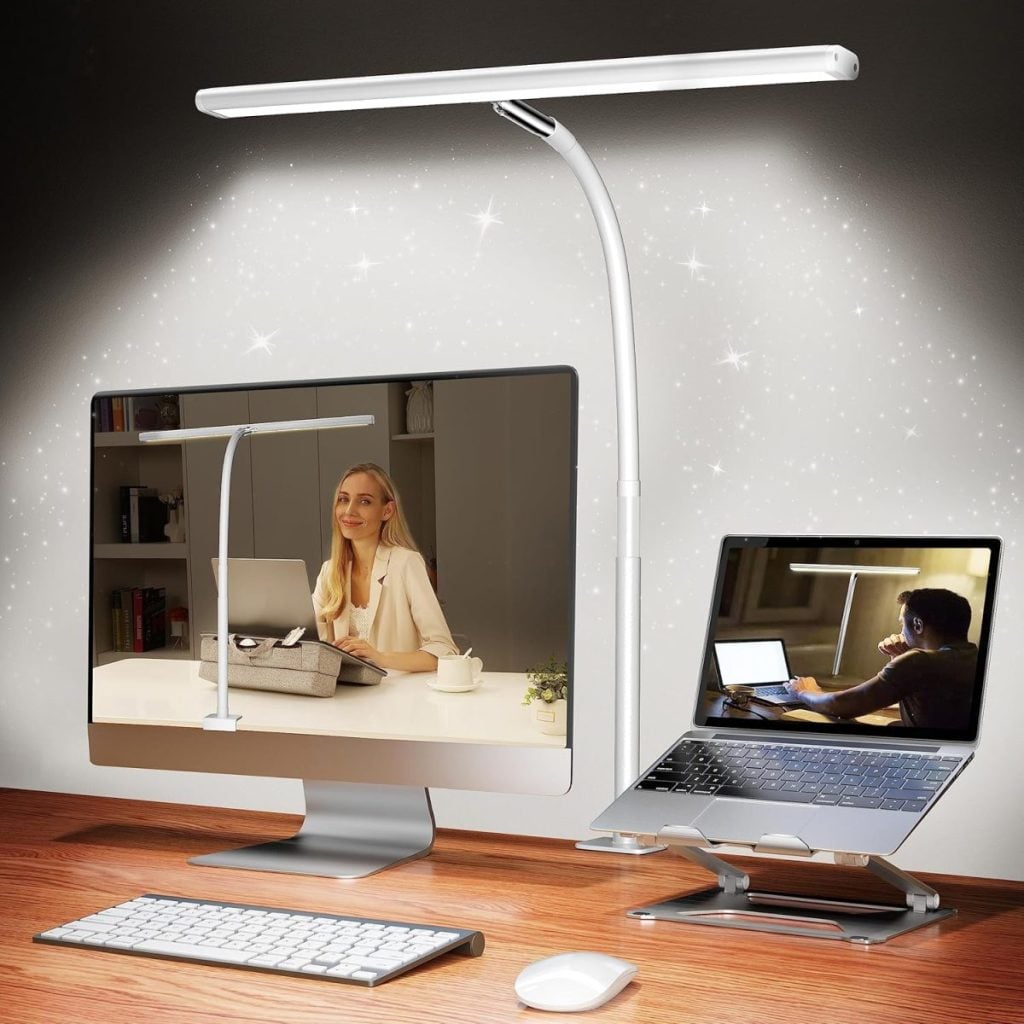
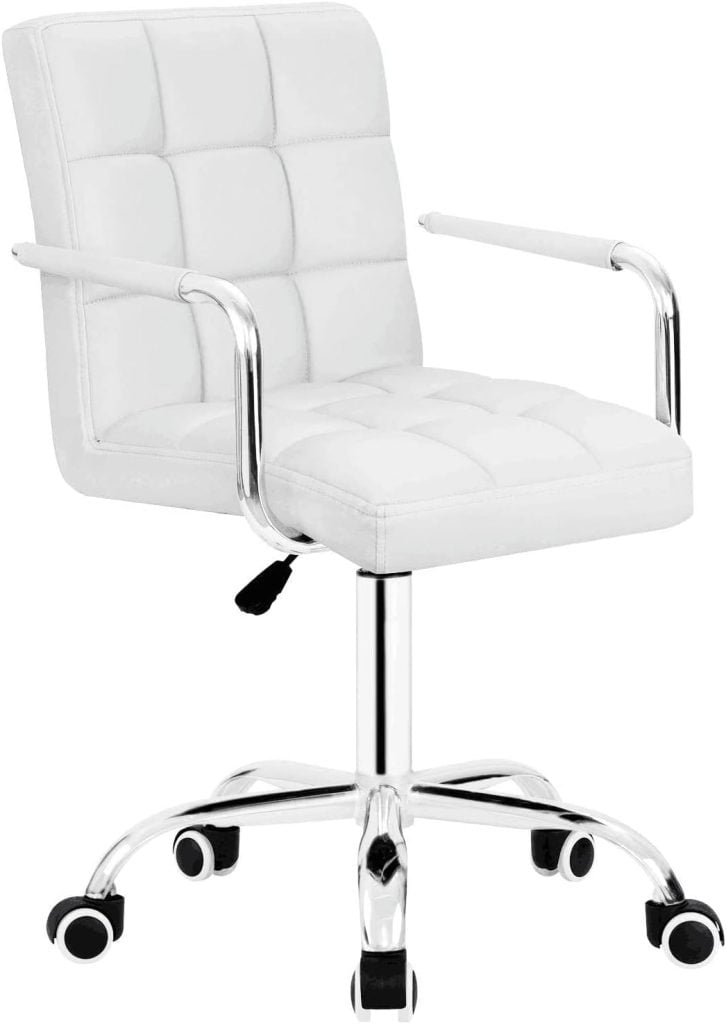
If your chair is uncomfortable, your lighting is poor, your table is too small, or your supplies are piled everywhere, every project becomes more frustrating.
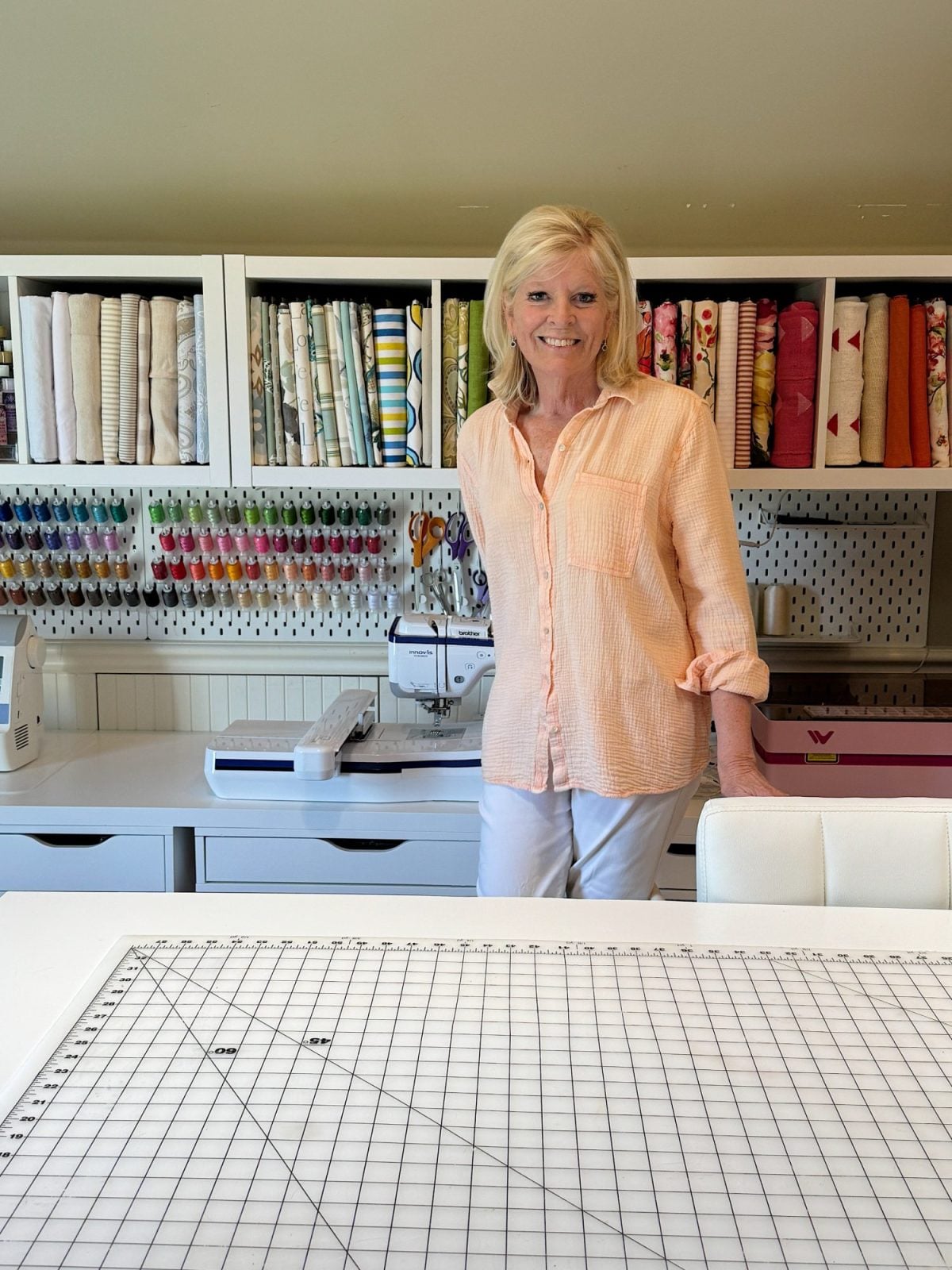
One of the best decisions I ever made was creating a large center worktable in my craft room. I use it for almost everything.
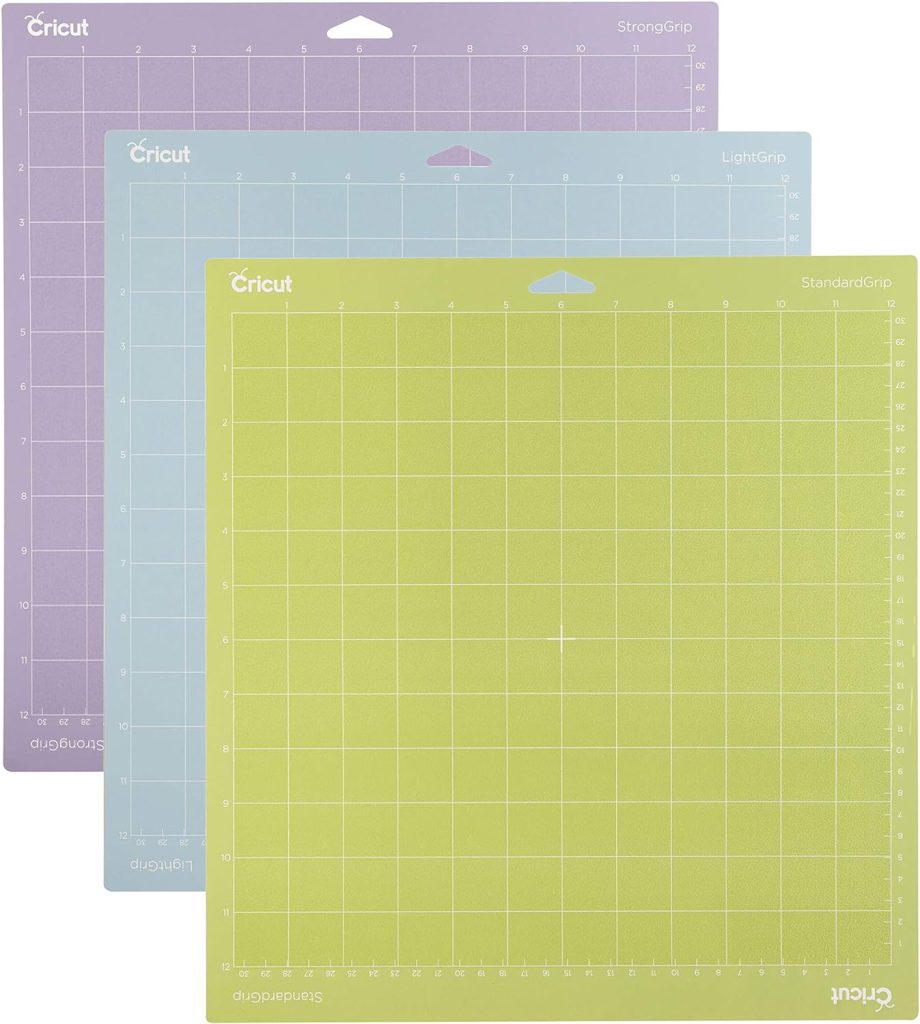
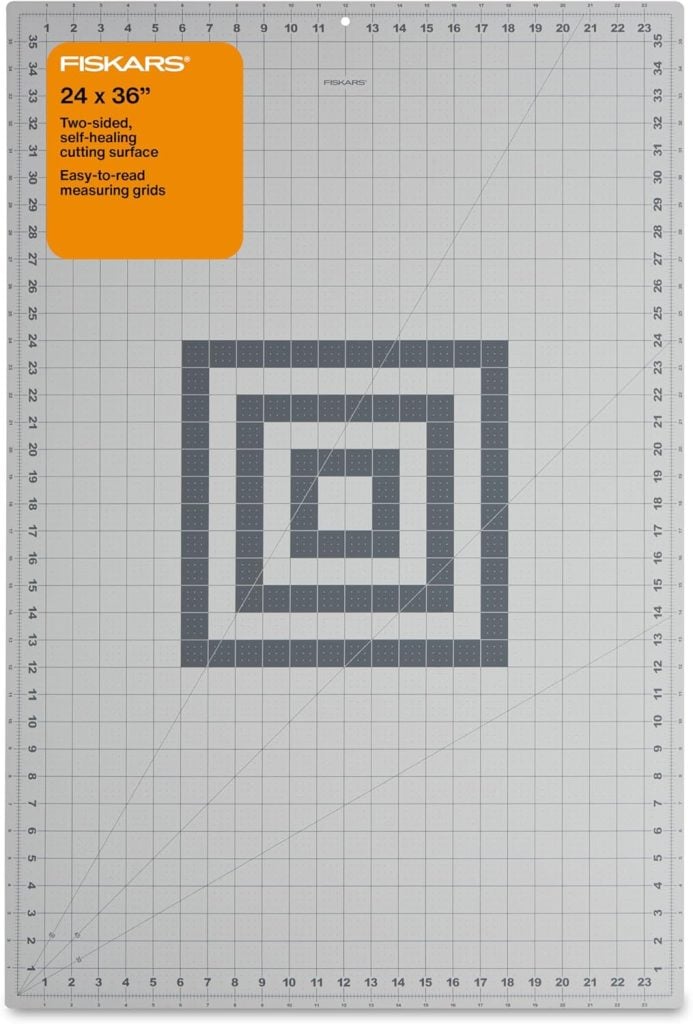
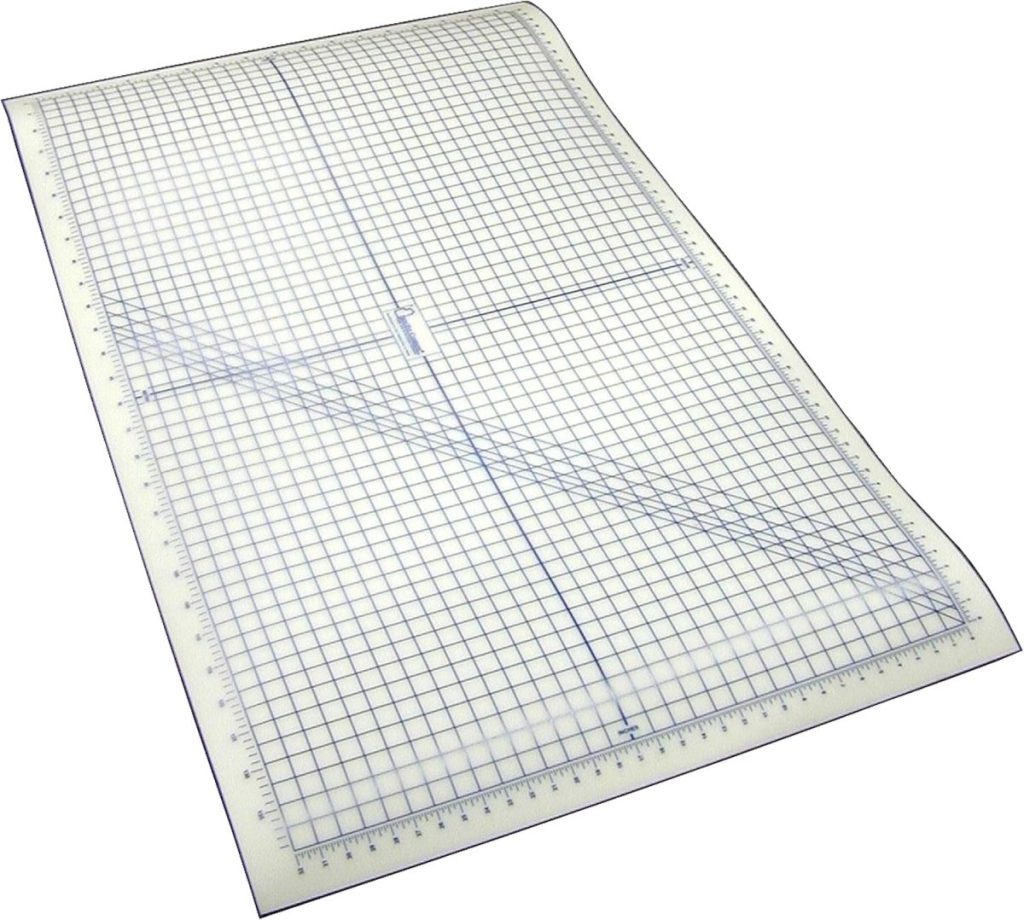
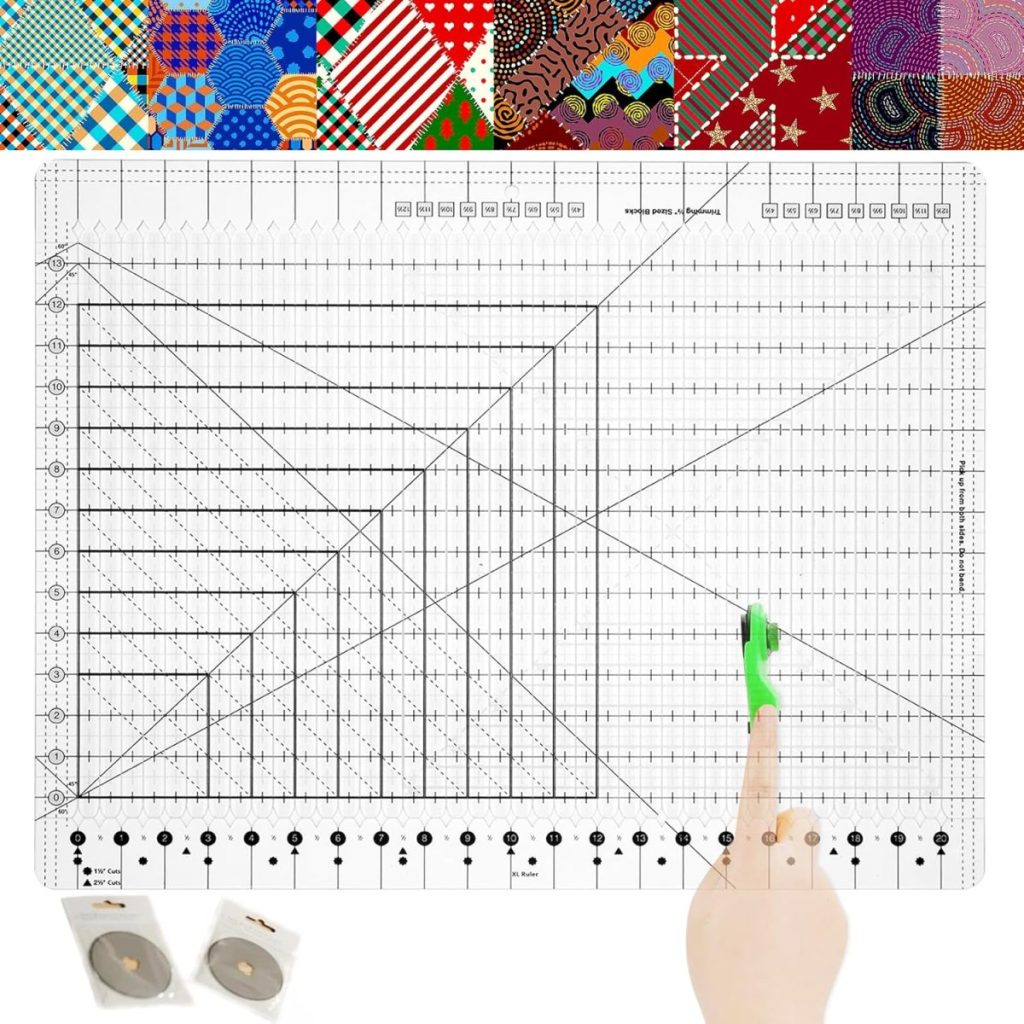
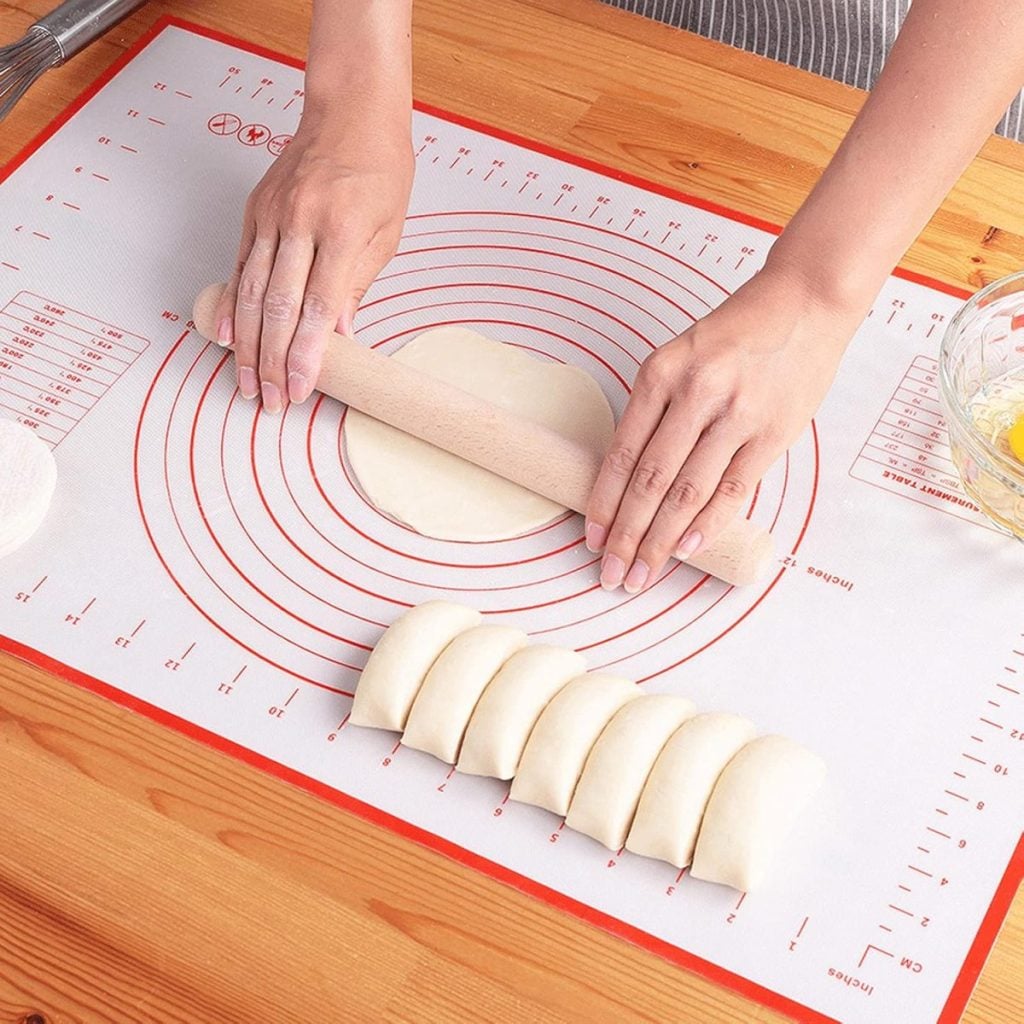
And on top of that table is my 1-inch grid cutting mat.
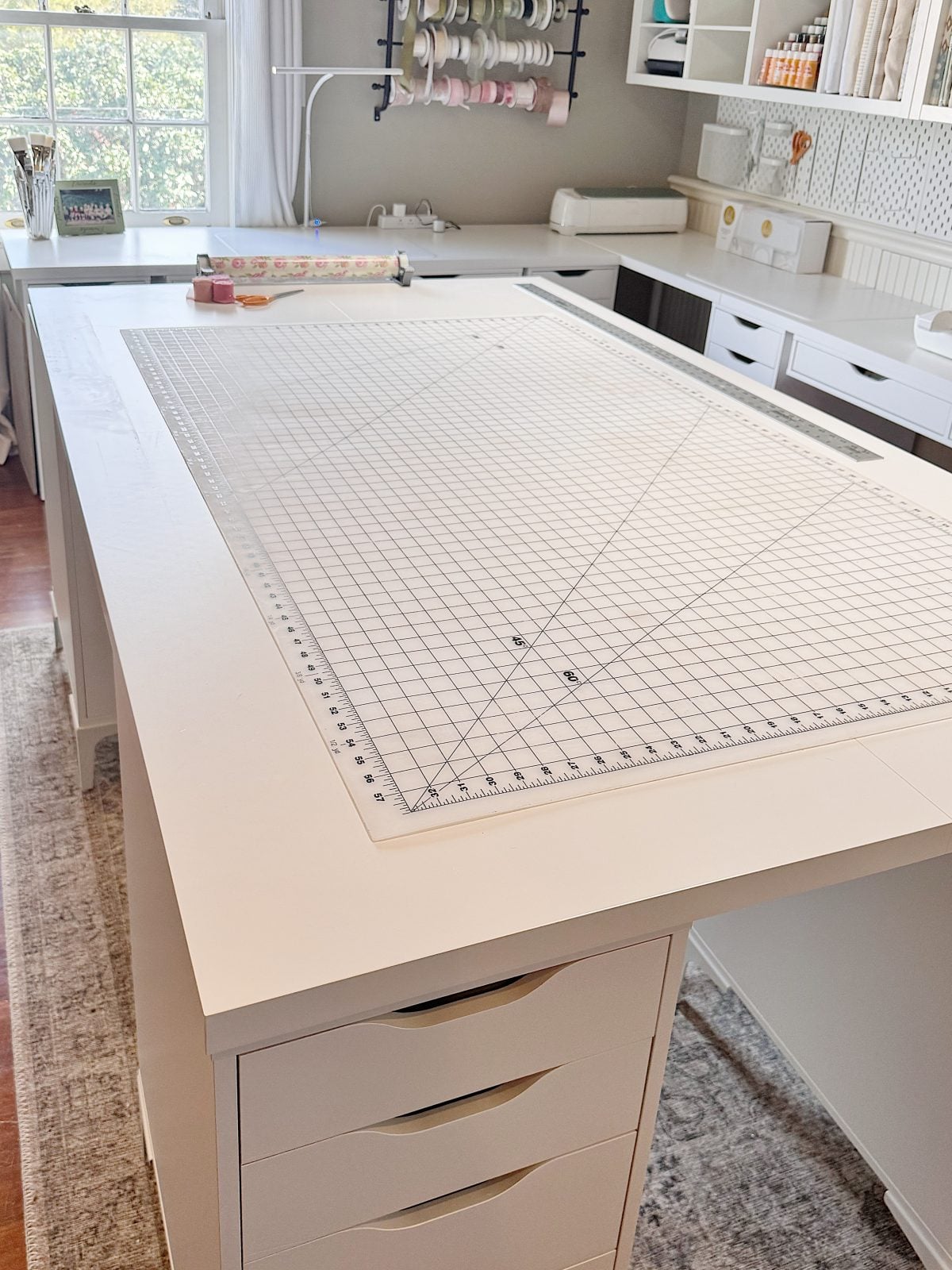
I use that mat constantly. For fabric cutting, paper alignment, embroidery placement, clay measuring, and project layouts. The grid removes guesswork and makes everything easier.
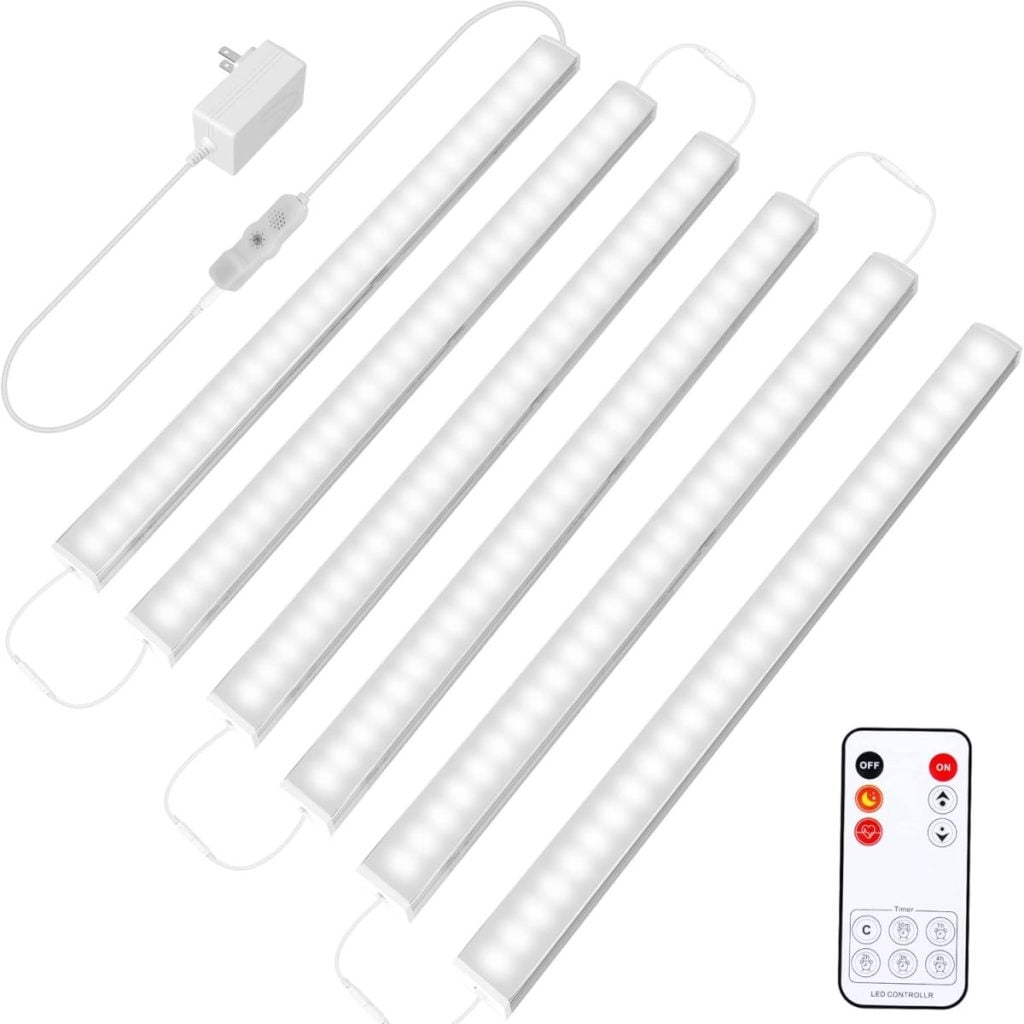
Good lighting also matters more than people realize. You should not be straining to see details or thread colors.
And honestly, comfort matters too. A good chair, music playing, a TV show in the background. These things make you want to stay in your space longer.
Crafting should feel inviting.
You Are Expecting Perfection Too Soon
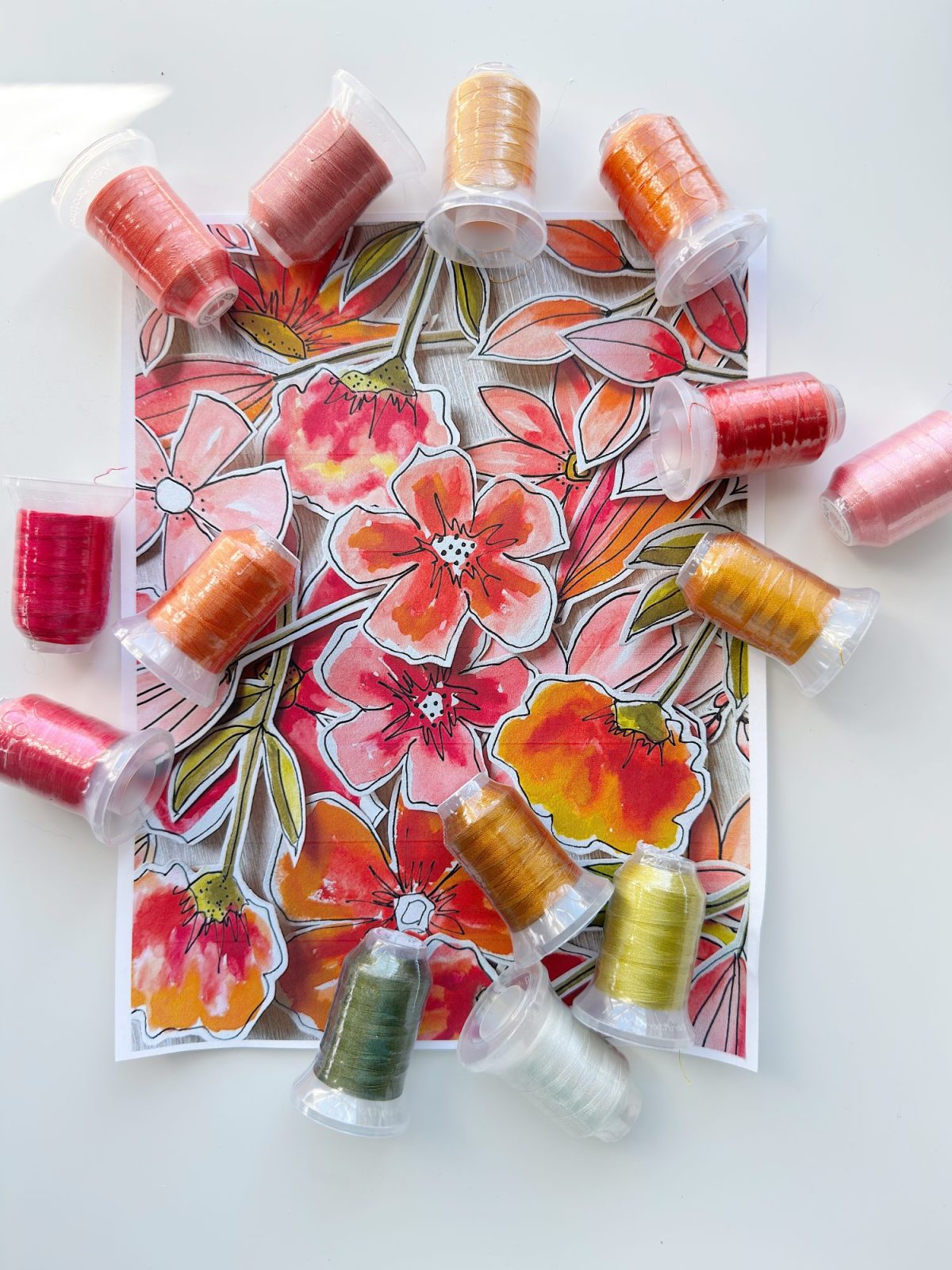
Maybe someday …
This one is huge.
We are constantly seeing polished final projects online, but we do not always see the mistakes behind them.
I have ruined projects.
Misaligned embroidery.
Crooked Cricut cuts.
Clay cracks.
Paint smudges.
Wrong measurements.
Fabric disasters.
All of it.
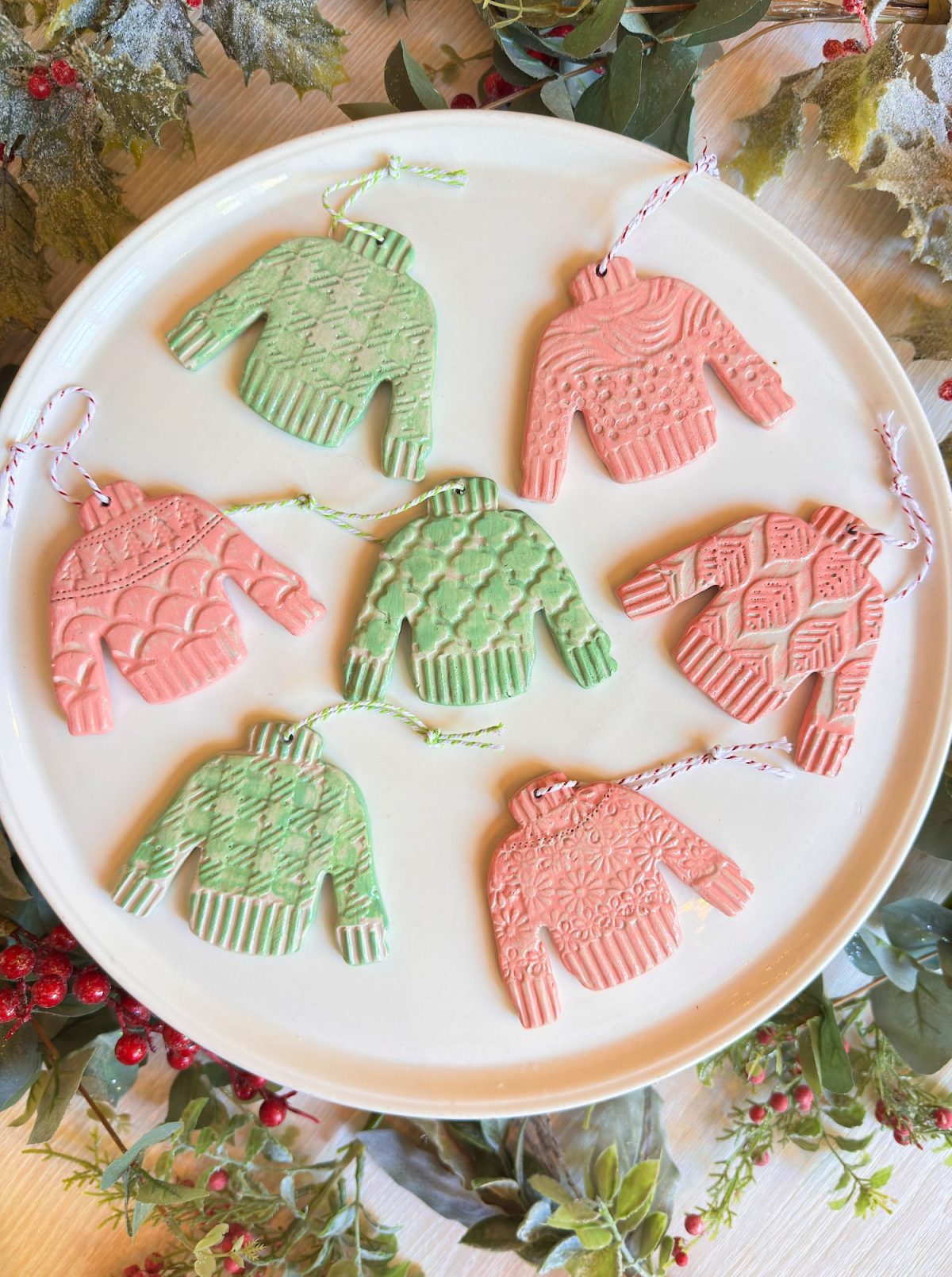
But I have learned that most crafting skills come from repetition, not perfection.
The people who get really good at crafting are usually the people who keep going after imperfect results.
One thing I have noticed is that beginners often assume experienced crafters do not make mistakes anymore.
We absolutely do.
We just know how to fix them faster. Hehe.
You Are Making Projects Too Complicated
I say this with love because I have done it many times myself.
Sometimes we add too many details.
Too many techniques.
Too many materials.
Also, too many colors.
And, too many steps.
And suddenly, a fun project becomes exhausting.
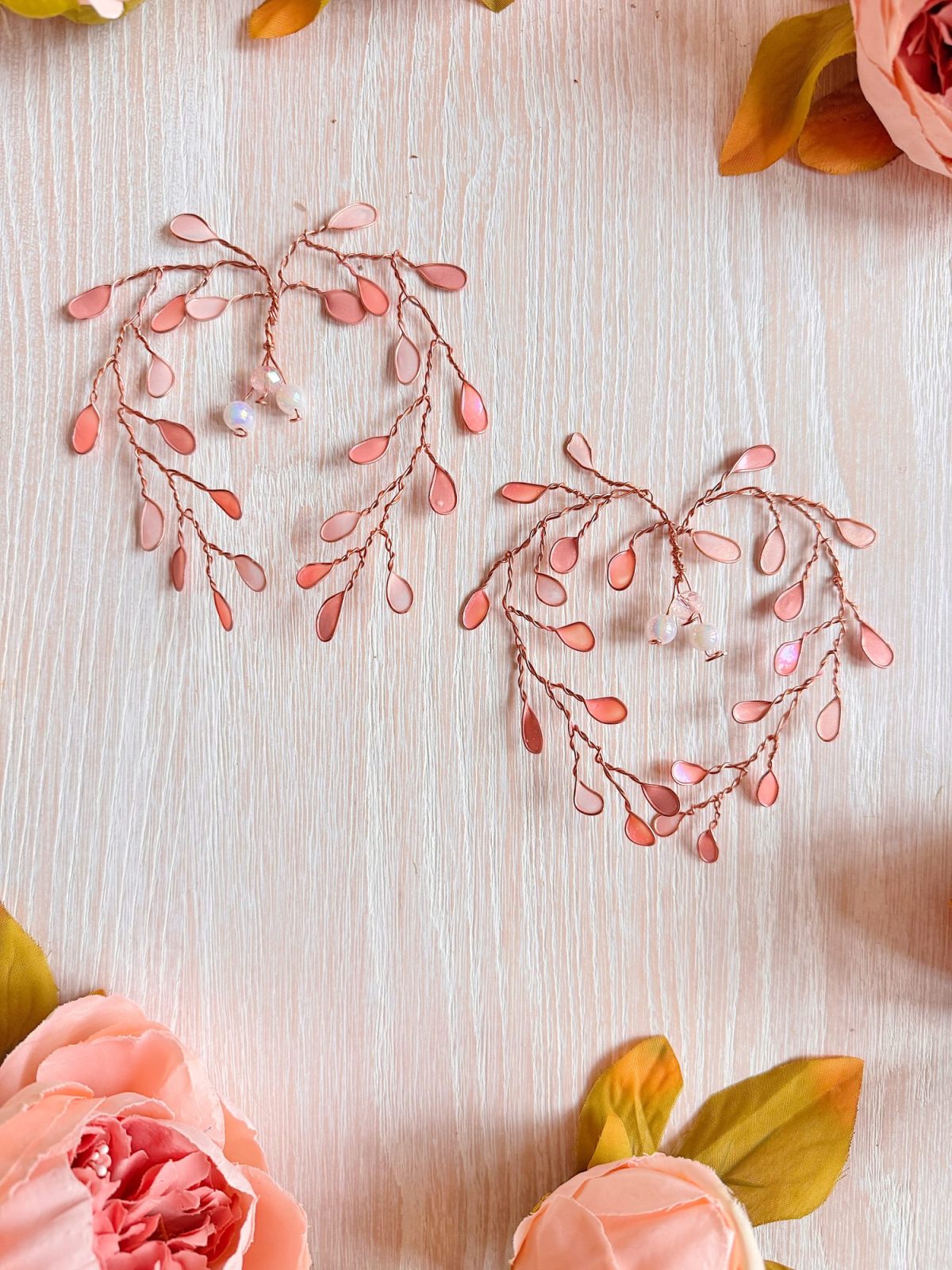
One of the best things I have learned is how to simplify.
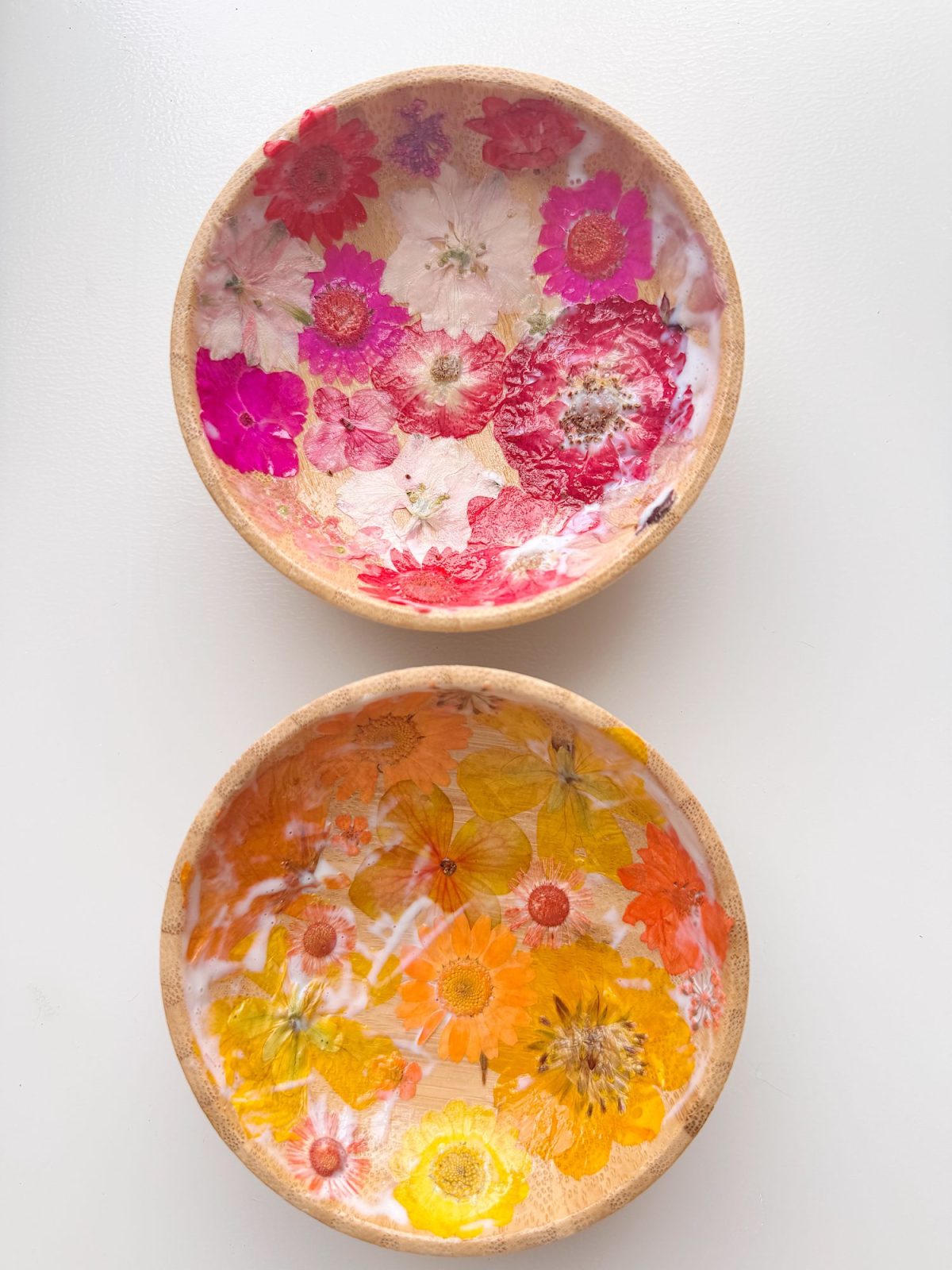
A project does not need to be complicated to be beautiful.
Some of my favorite projects have been incredibly simple:
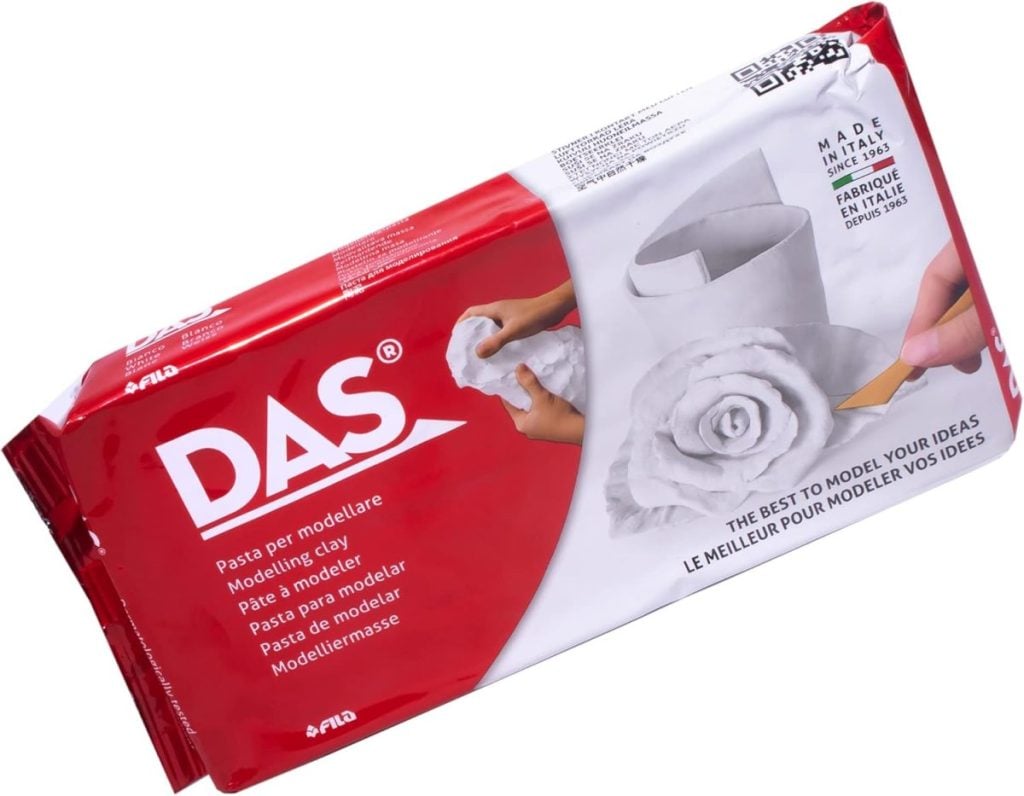
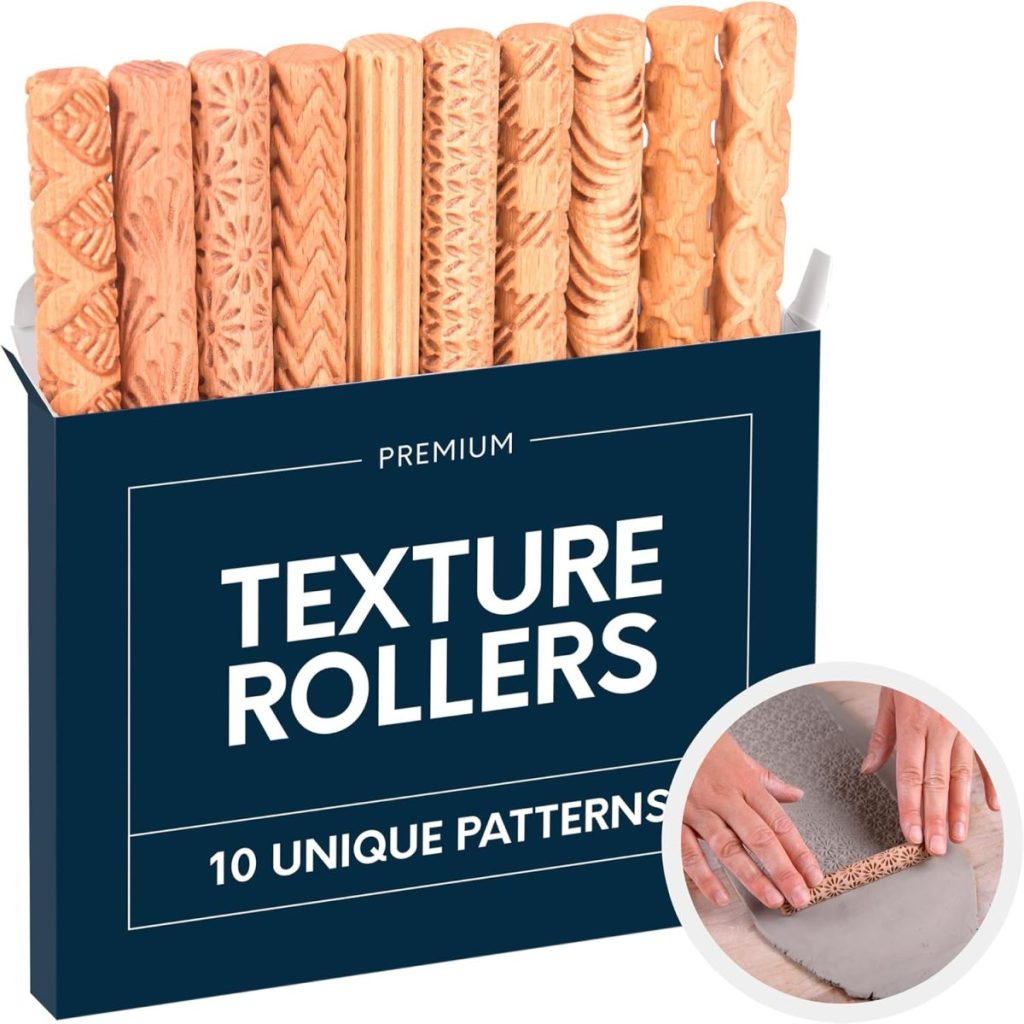
- a clay brush holder
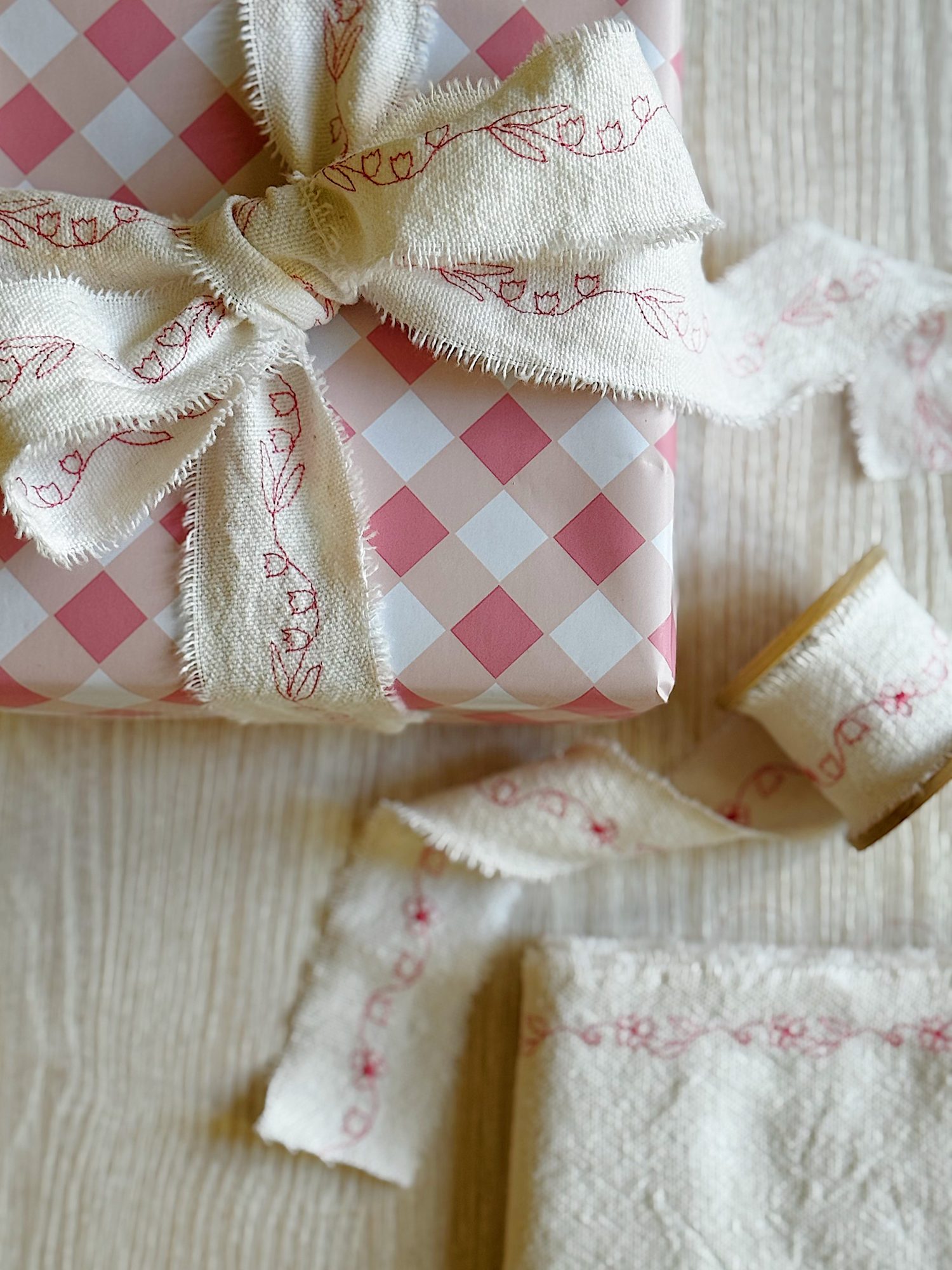
- embroidered cocktail napkins
- a shell mirror
- a window wreath traced on glass
Simple projects are often the most satisfying because you actually finish them.
You Are Not Planning Ahead
This is another major issue.
Crafting becomes stressful when you are constantly making decisions mid-project.
I used to do this all the time.
Now I plan first.
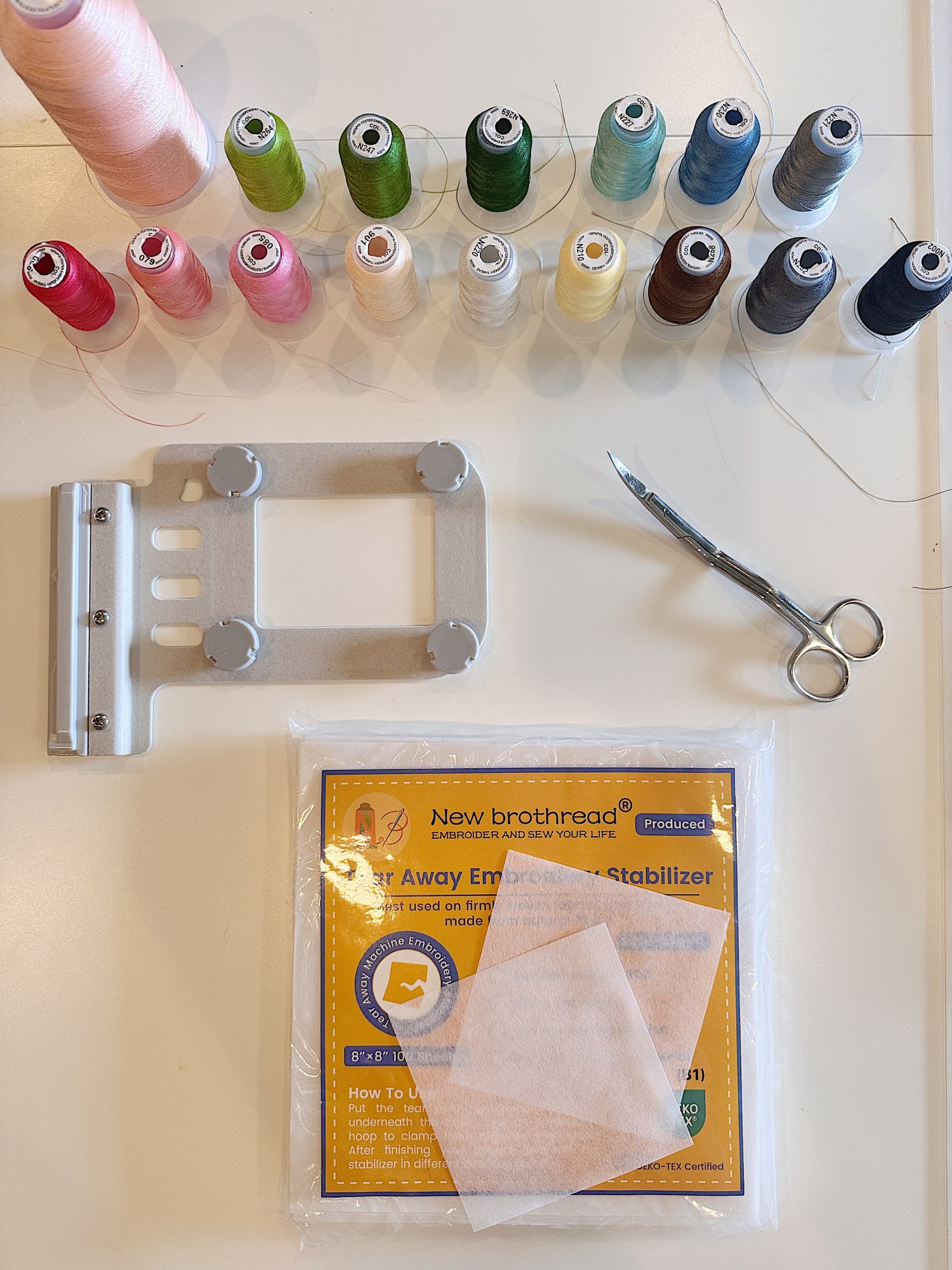
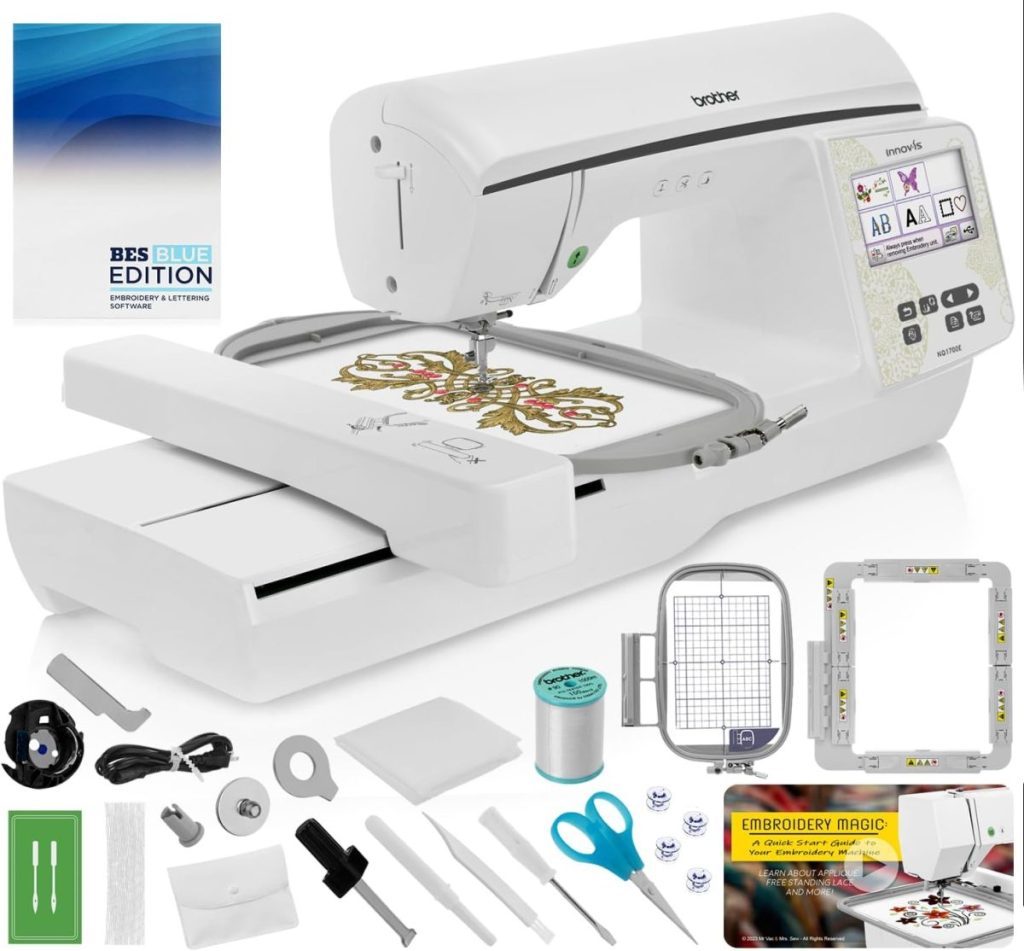
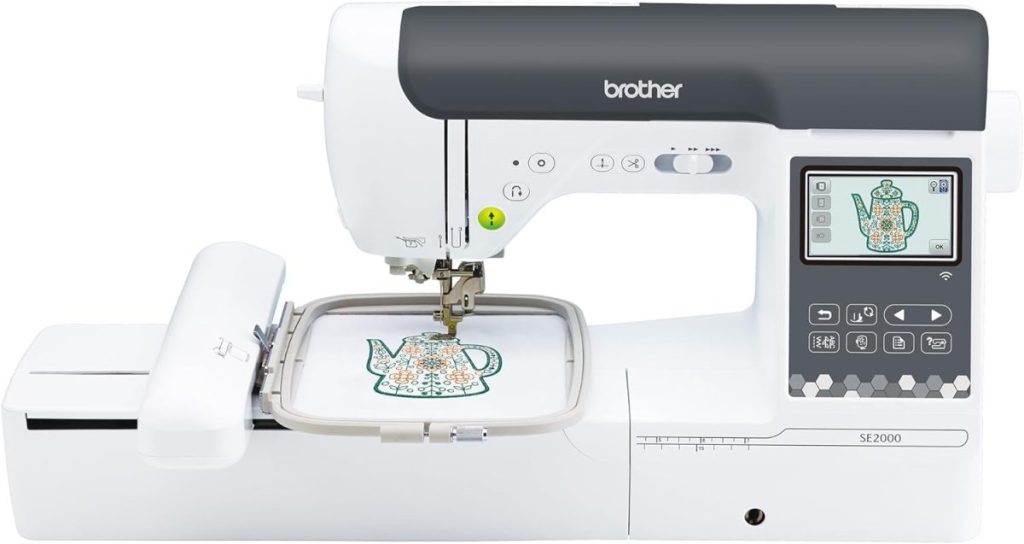
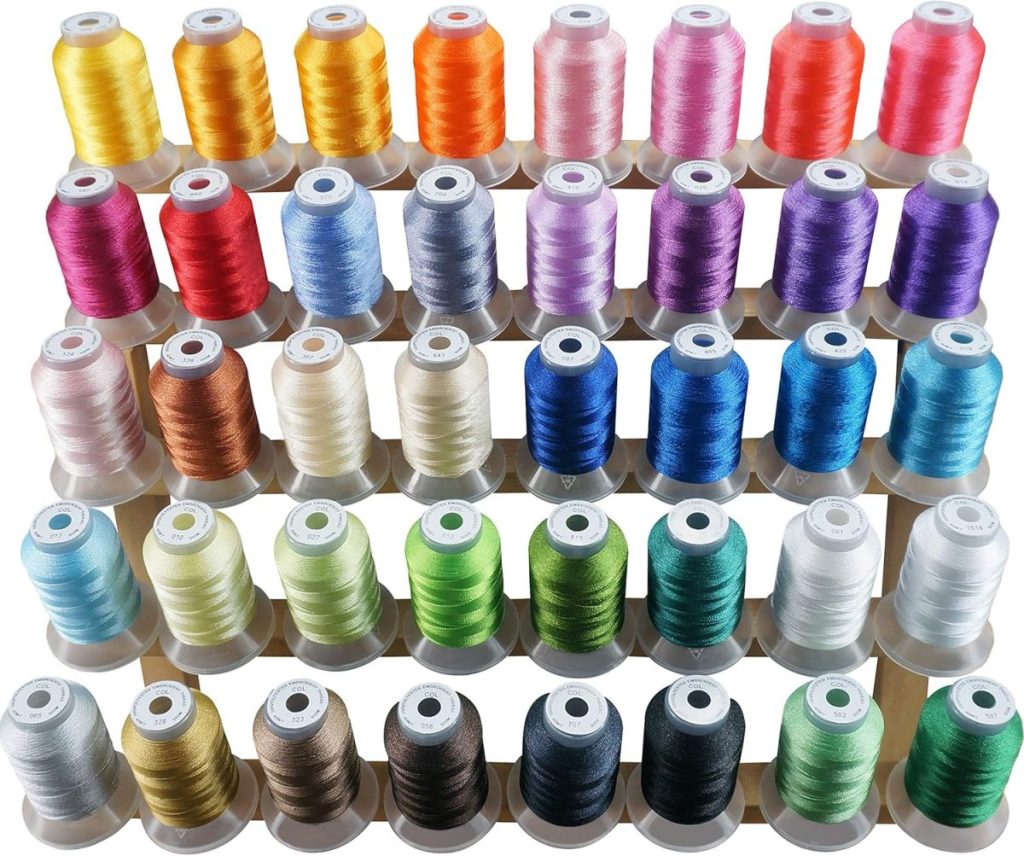
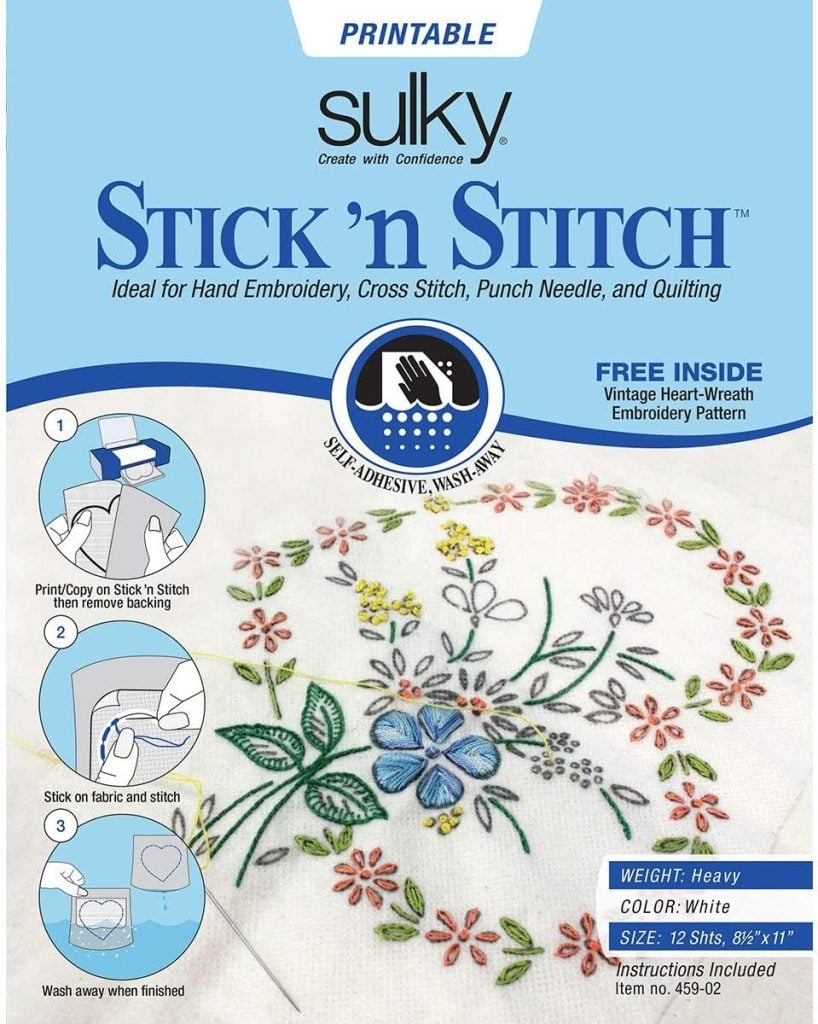
For embroidery projects:
- choose thread colors first
- organize designs first
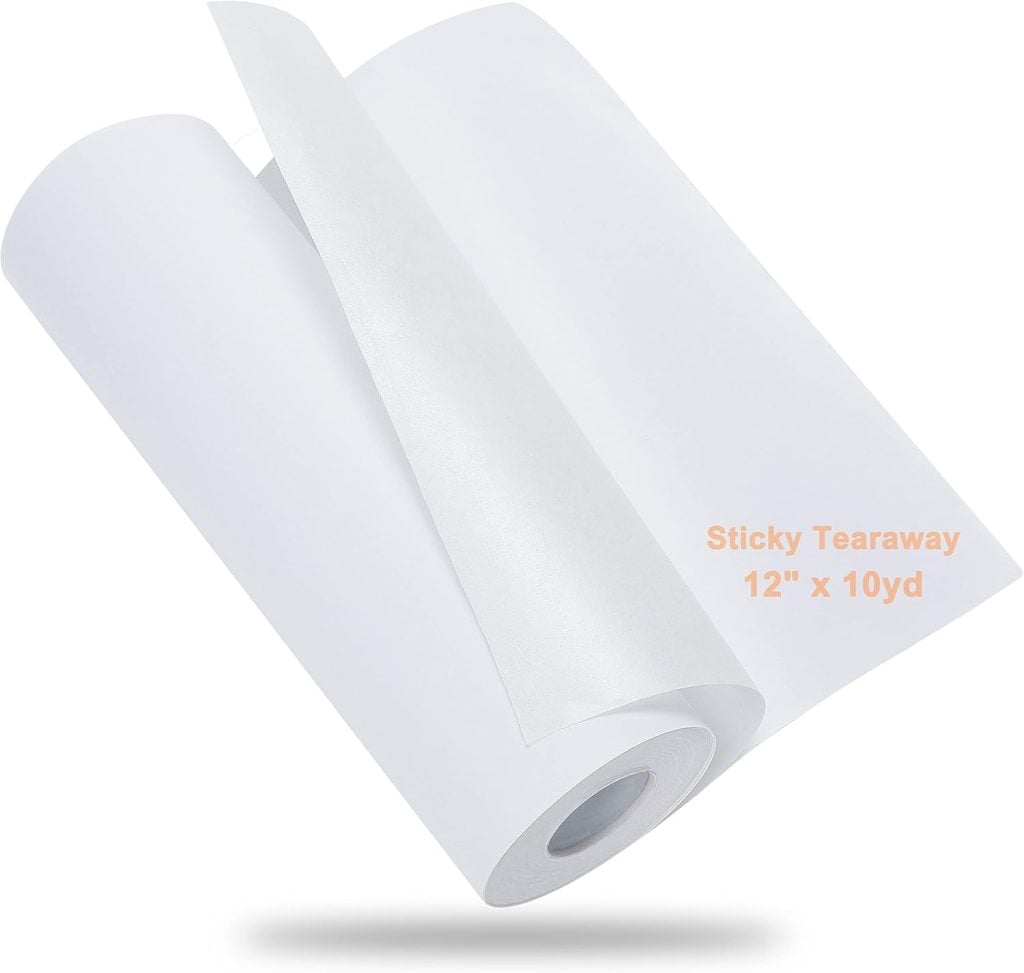
- test stabilizer first
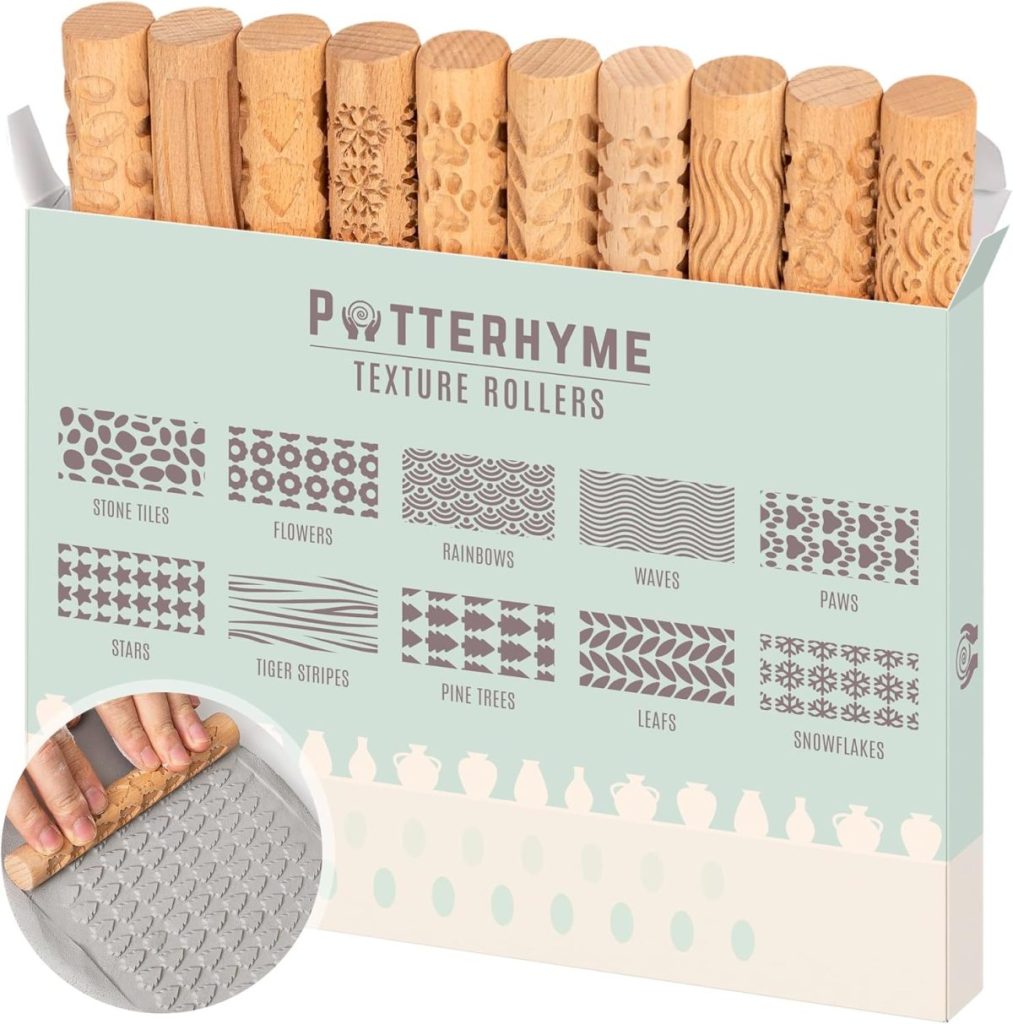
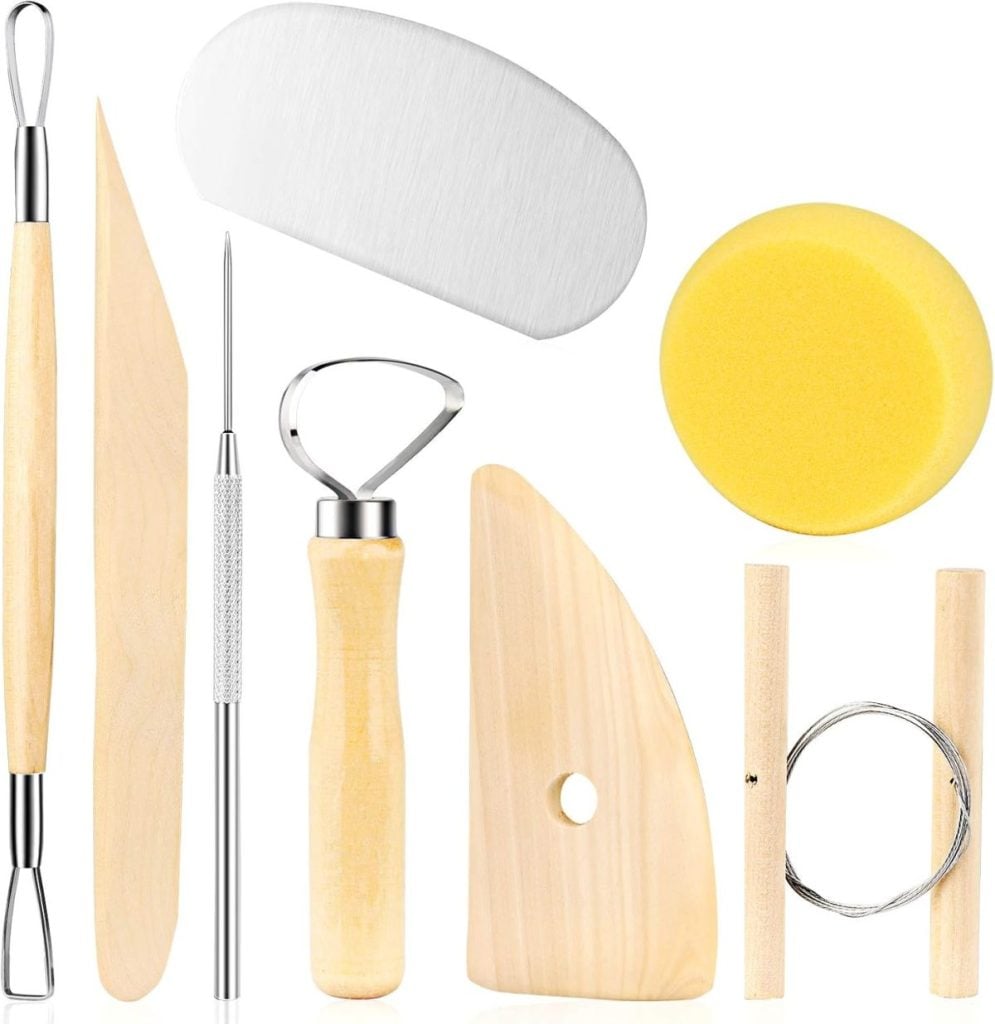
For clay:
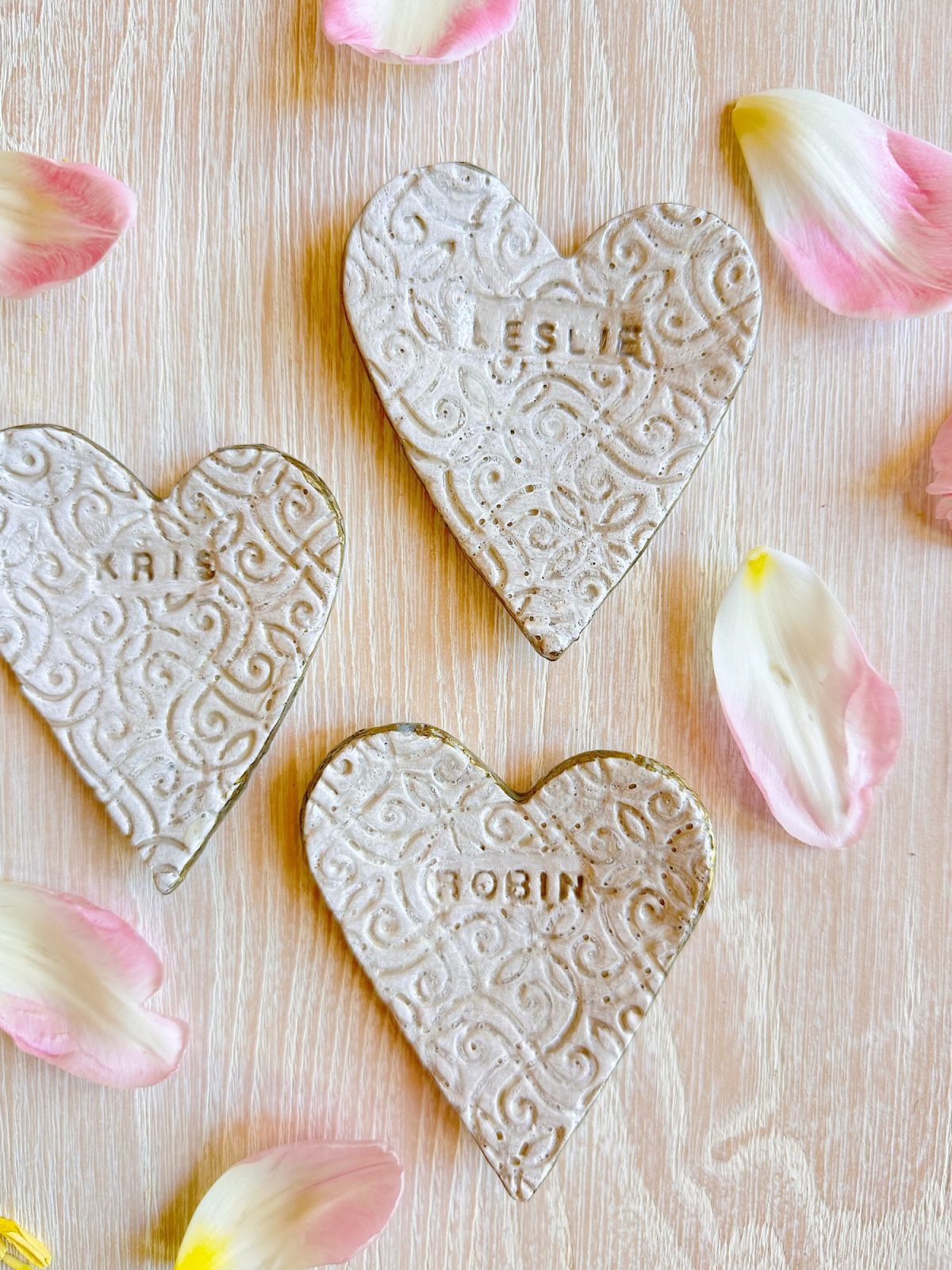
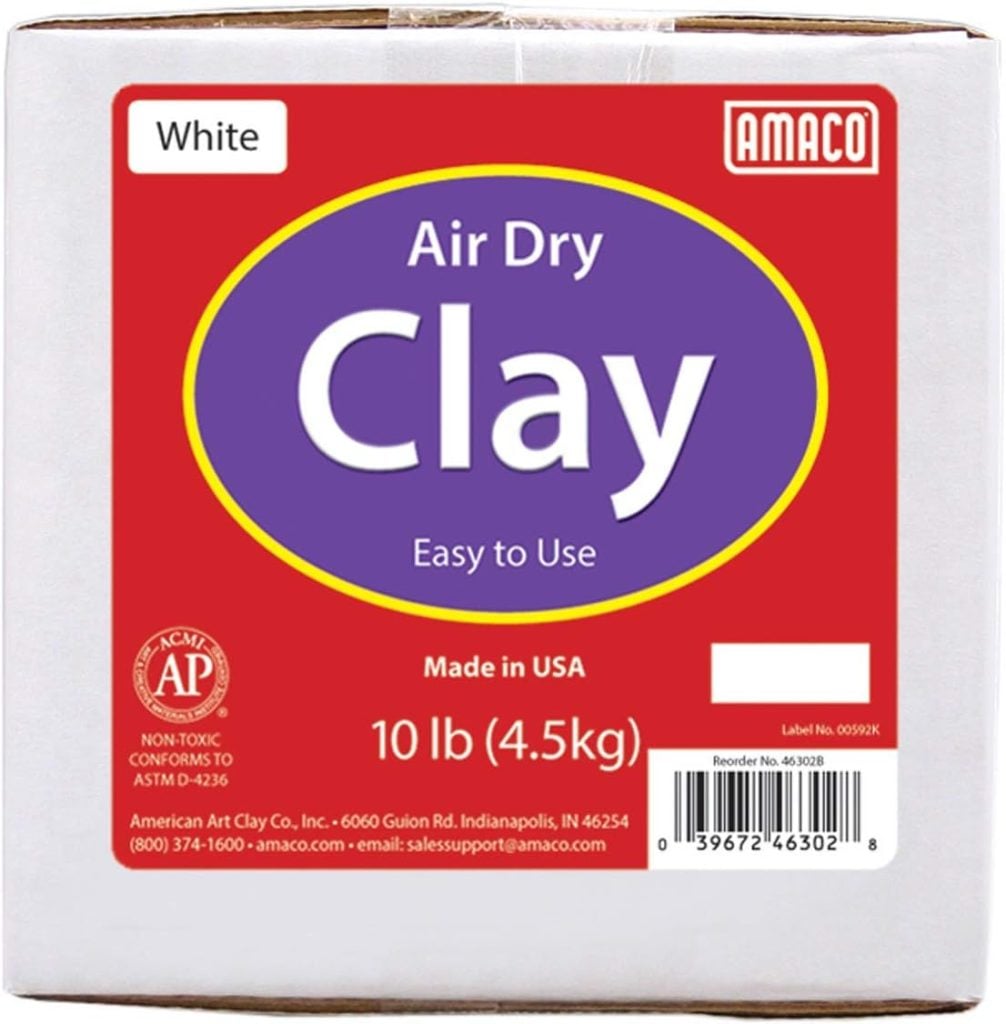
- gather tools first
- sketch layouts first
- plan drying space first
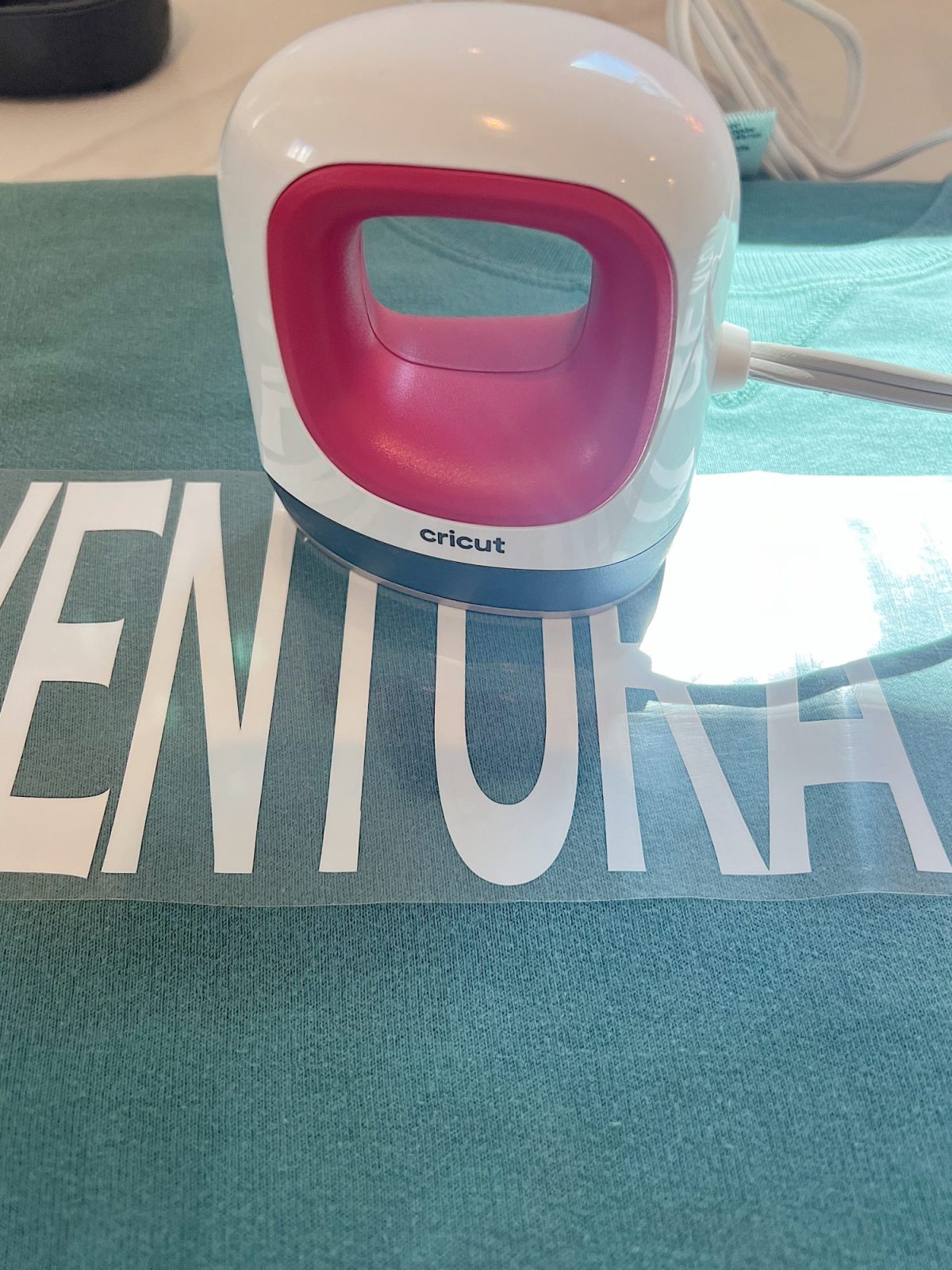
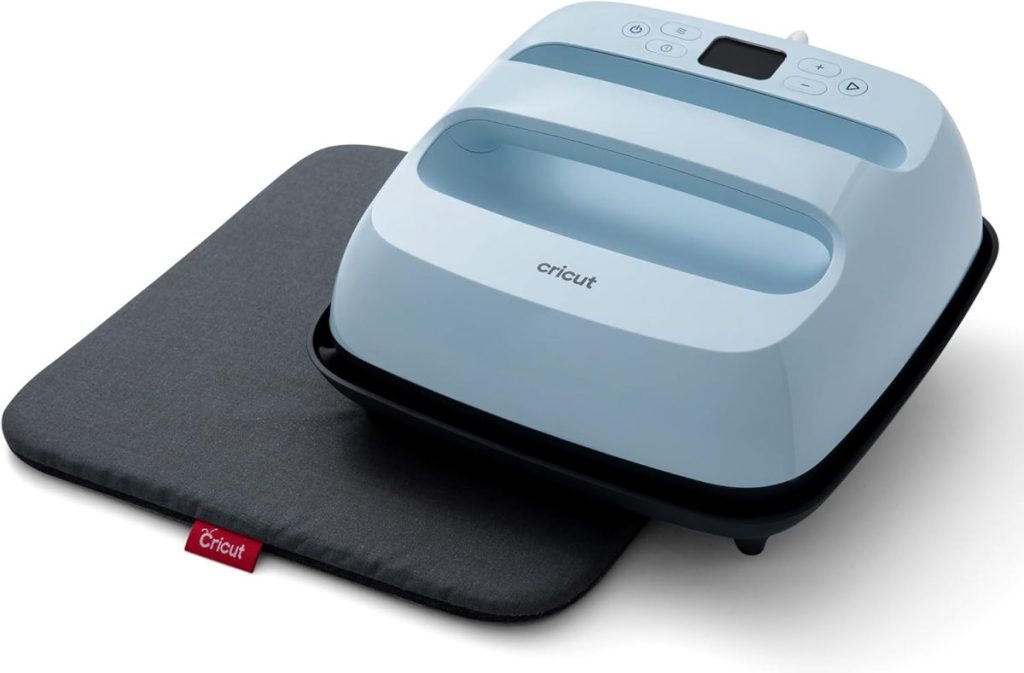
For Cricut:
- prep files first
- organize materials first
- decide layers first
Planning removes friction.
And less friction means more creativity.
You Are Comparing Yourself to People Who Have Been Doing This for Years
This one matters.
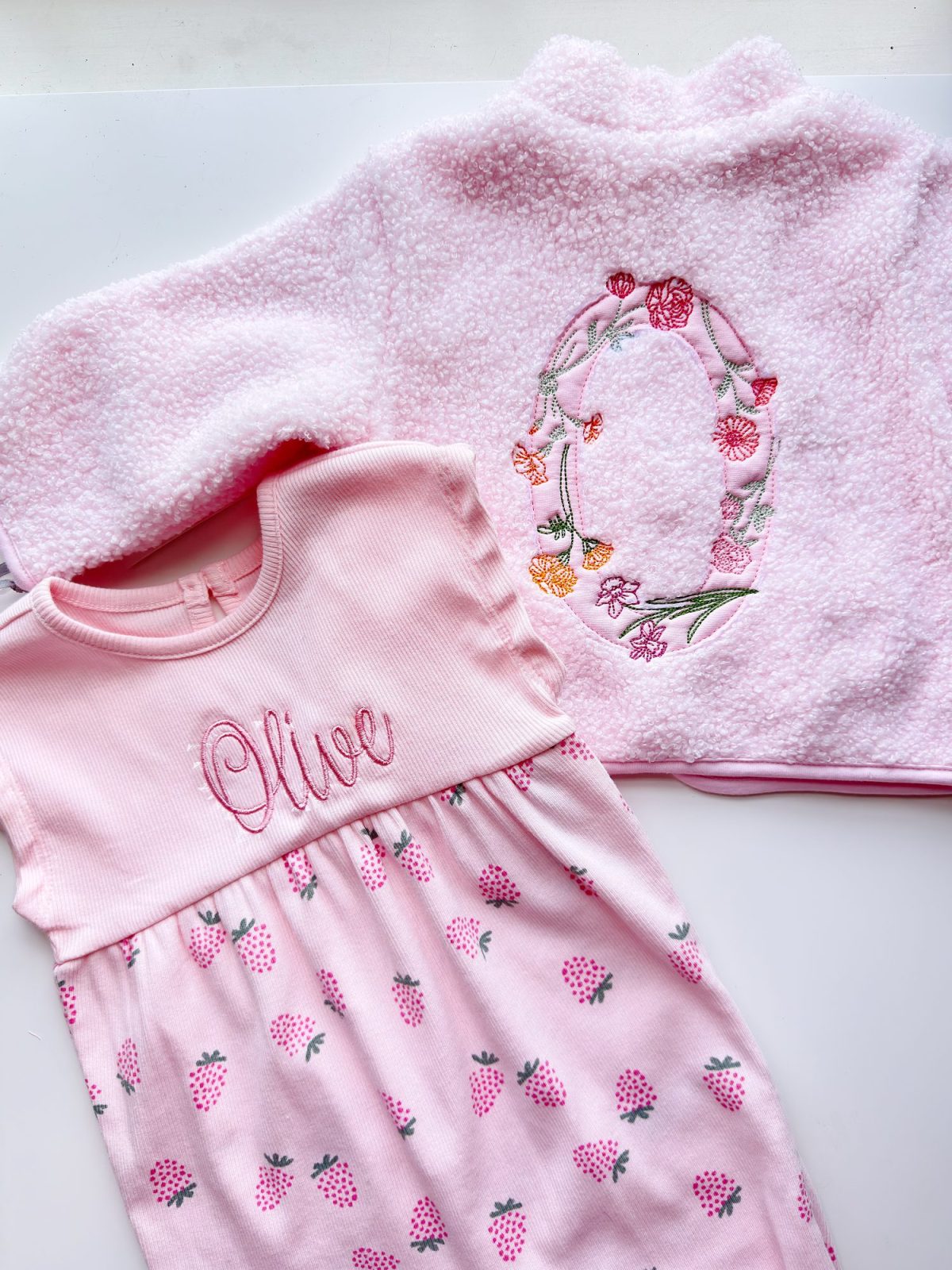
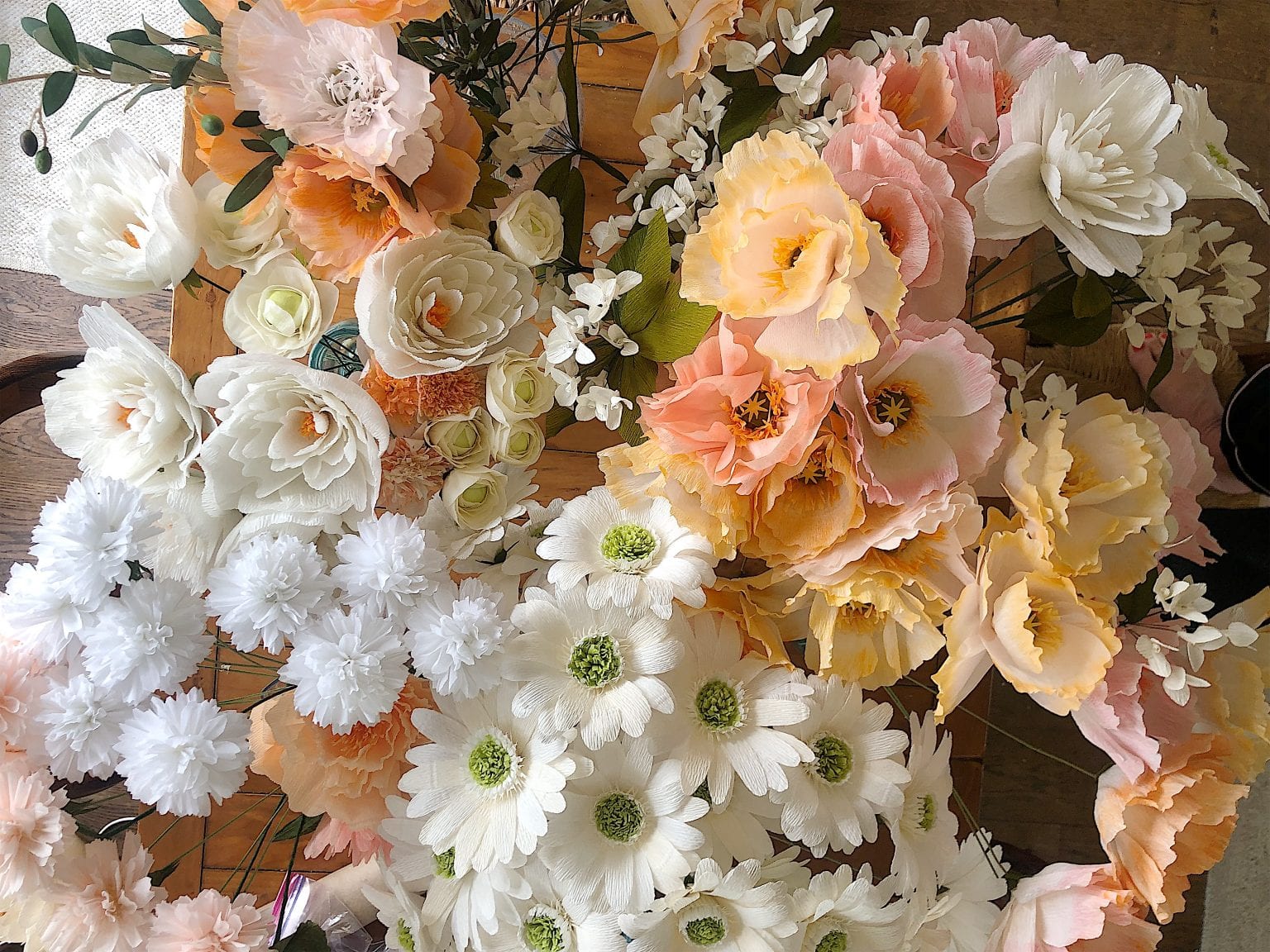
It is very easy to look at beautiful projects online and assume they were easy to create.
But most experienced crafters have:
- years of practice
- better tools
- organized spaces
- refined systems
- repeated experience
You are seeing the result of hundreds or thousands of hours of learning.
That perspective matters.
Instead of comparing your results, compare your progress.
Are your projects easier than six months ago?
Are you learning?
And are you enjoying yourself more?
That is what matters.
Crafting Should Feel Good

I think this is the most important thing I have learned.
Crafting should not feel like constant frustration.
Yes, projects can challenge you. Yes, there are learning curves. But overall, creating should feel calming, rewarding, and enjoyable.
If it constantly feels stressful, something probably needs to change.
Maybe it is your setup.
Maybe your tools.
Or your expectations.
Maybe your workflow.
Small improvements can completely change your experience.
And honestly, once I realized this, everything shifted for me.
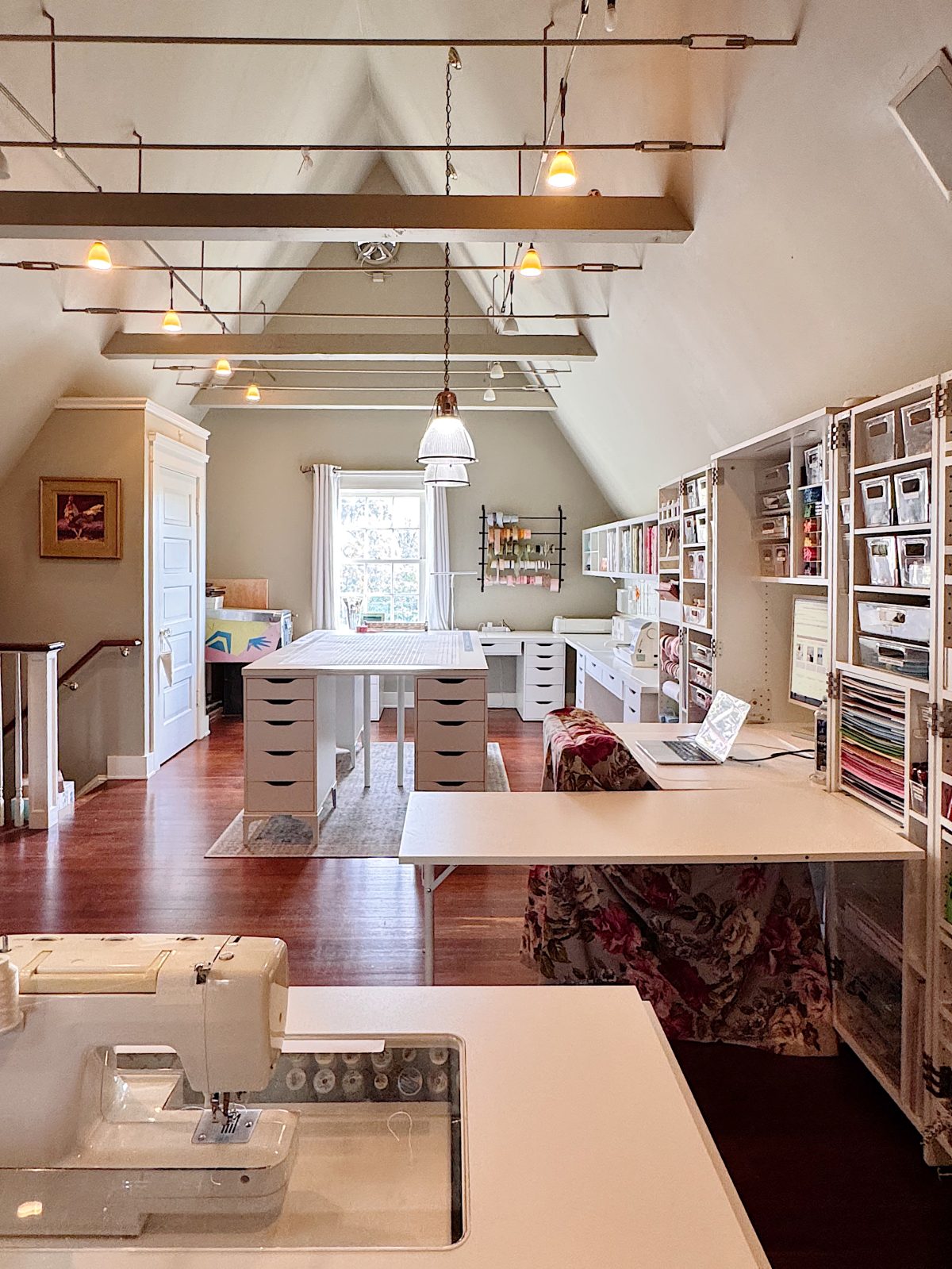
I stopped trying to force myself through frustrating systems and started building a craft room and workflow that actually supported creativity.
That changed not only my projects, but also how I feel when I create.
And that is exactly why I wanted to share this post today.
Because crafting should feel easier than it does.
And most of the time, it can.
Latest Posts
-
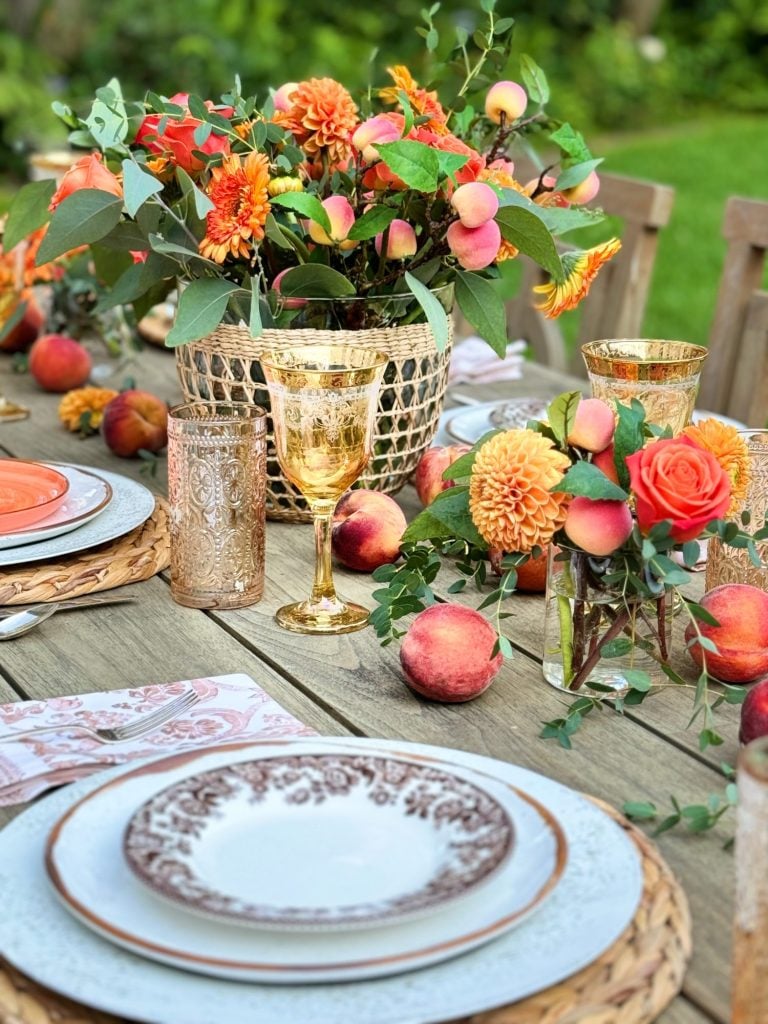
Summer Outdoor Table Decor Ideas
I created summer outdoor table decor ideas that blend natural elements with elegant touches and my favorite summer fruit, peaches. I decided to transform our back patio into a picturesque setting for alfresco meals inspired by the vibrant and luscious peaches of the season. It’s perfect for summer entertaining, and this table embraces the joy…
-
Summer Fruits: How to Clean, Store, and Bake Them
One of the greatest joys of summer is the abundance of fresh, juicy summer fruits. Peaches, plums, raspberries, strawberries, blueberries, and blackberries are the best. But as we fill our kitchens with nature’s candy, a question always comes up: What’s the best way to clean summer fruits to remove pesticides and prevent mold? It turns…
-
How to Use Paper Clay
I discovered a new product for paper crafting! Paper clay is very easy to use, and I can’t wait to share my DIY pot. I have made many clay crafts before, but I have to be honest, until a while ago, I wasn’t even aware of paper clay. The best news? Paper clay was fun…
-
My Favorite Ninja Creami Protein Ice Cream
Let’s talk about one of my favorite kitchen gadgets: the Ninja Creami. And my favorite protein ice cream! If you haven’t discovered this magic machine yet, you need to know that it is the appliance that has completely changed the way I make frozen desserts and drinks at home. Whether you’re into healthy treats, indulgent…
My Recent Instagram Posts

You can pin the image below to your boards on Pinterest (click the Pin button in the top left corner) or follow me on Pinterest!
For more real-time updates, follow me on Instagram @My100YearOldHome







Thank you for your post sharing tips and mishaps. My craft room has shrunk now that I live in a different home. I know exactly what you mean about the space and having things handy. I use a guest bedroom now as my craft area and the bed takes up the majority of space. I’m hoping to change that by moving everything to a more useful area with more light or moving the bed out. I am also hoping those magnetic hoops are available for use on my Brother Dream Machine because the hoops can be the most challenging part of my embroidery project. You have given me the inspiration to make the changes I need!
Thank you! I also own the Brother Dream Machine so I know they work. And they make such a huge difference! I think the ones listed are the ones I used but just check the description as each lists the compatible machines.