
Why You Should Always Make Your Own Salad Dressing
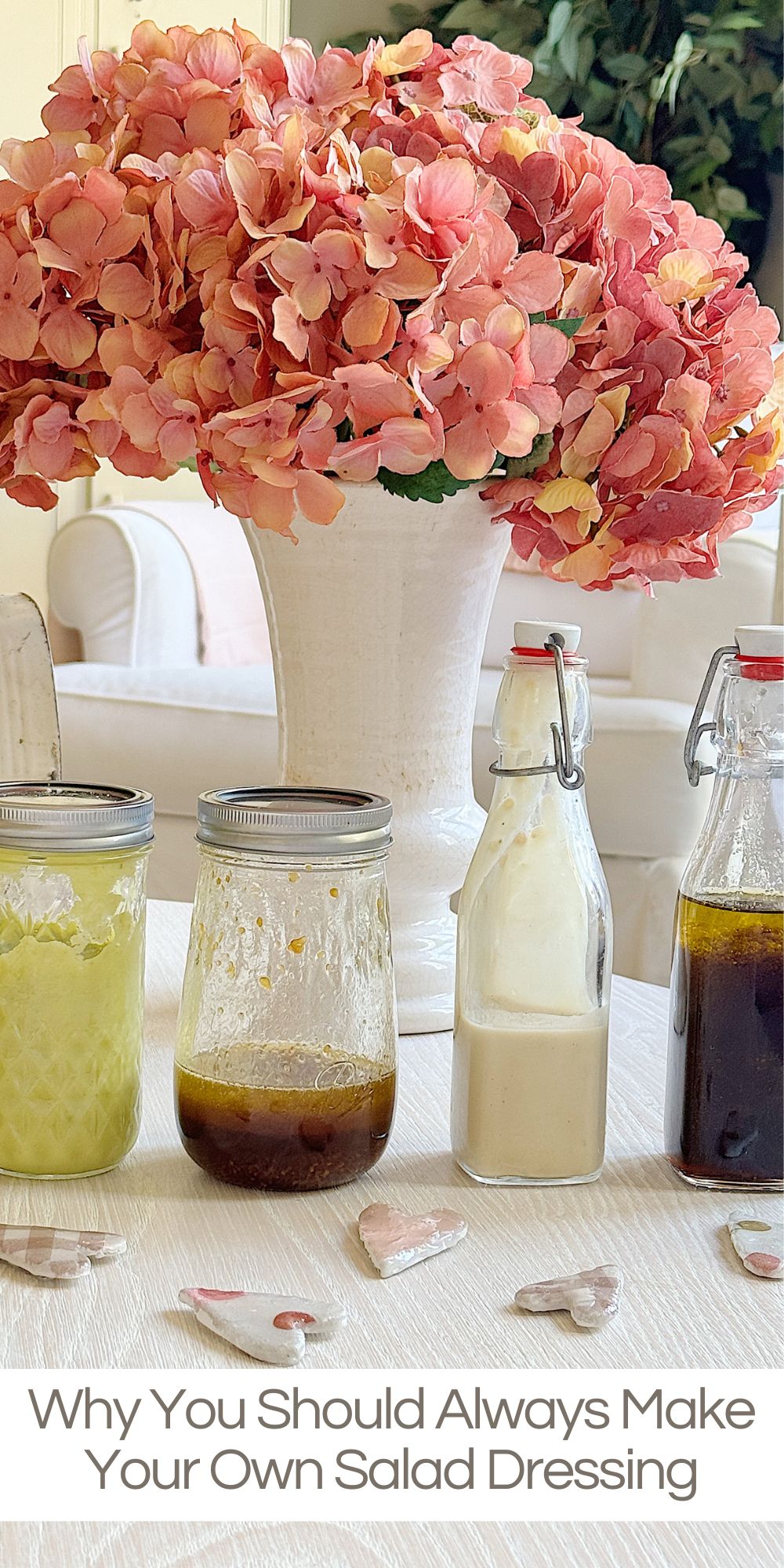
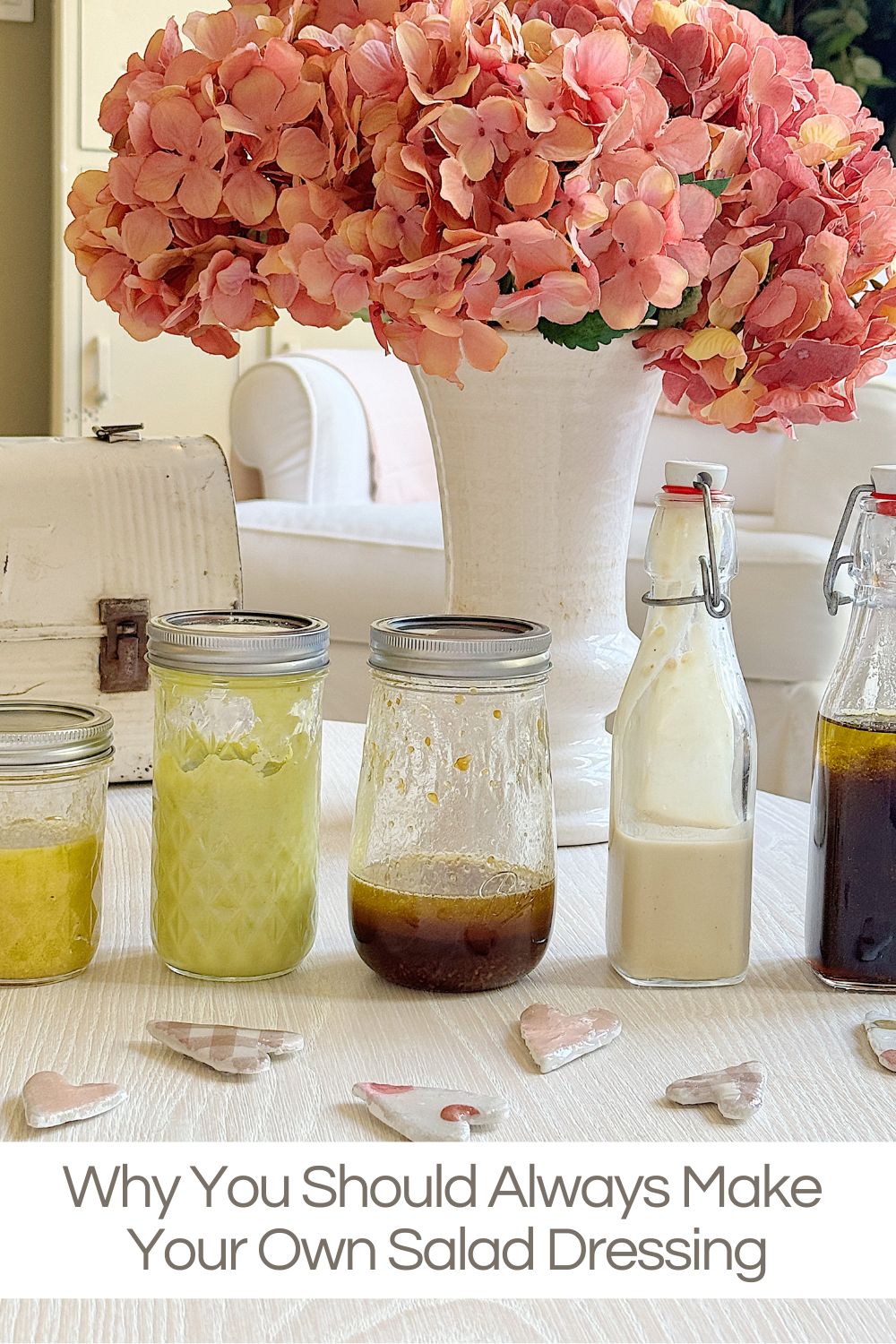
Salads are a cornerstone of a healthy diet, and your chosen dressing can make or break the experience. It’s time to make your own salad dressing.
While store-bought salad dressings are convenient, they often come with added sugars, unhealthy oils, preservatives, and a hefty price tag. The good news? Making your salad dressing at home is incredibly easy, uses ingredients you likely already have in your pantry, and is much healthier.


Why You Should Always Make Your Own Salad Dressing
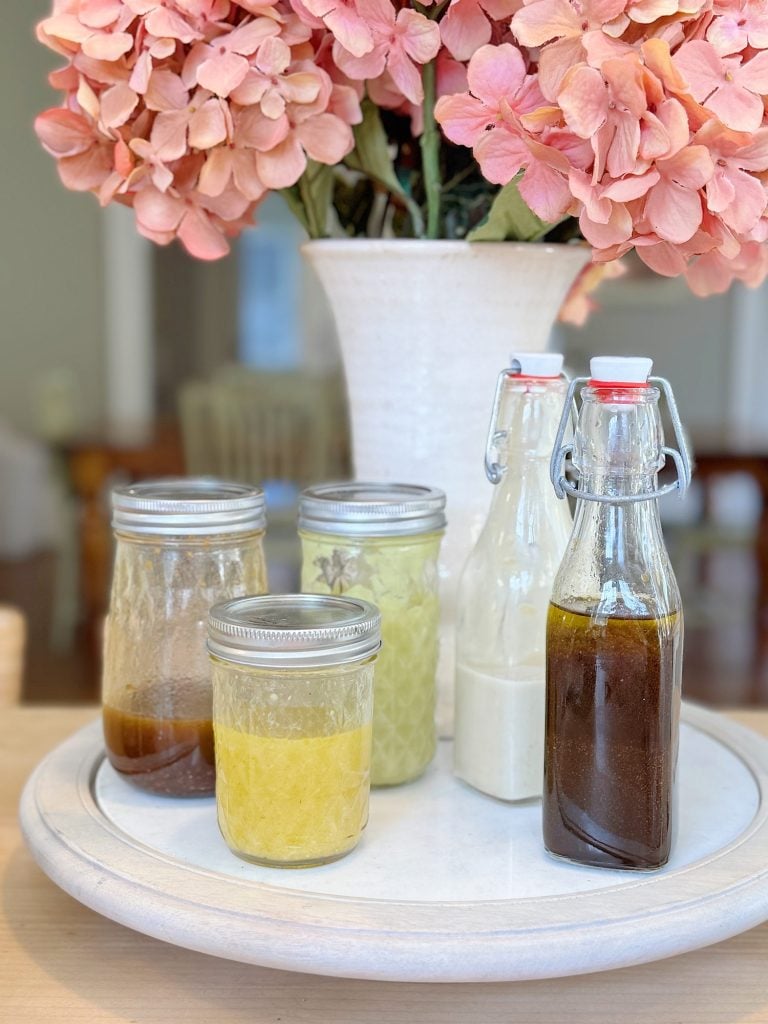
Today, I am sharing why you should ditch the bottled stuff and make your dressings. I am also including five simple and delicious recipes to get you started!
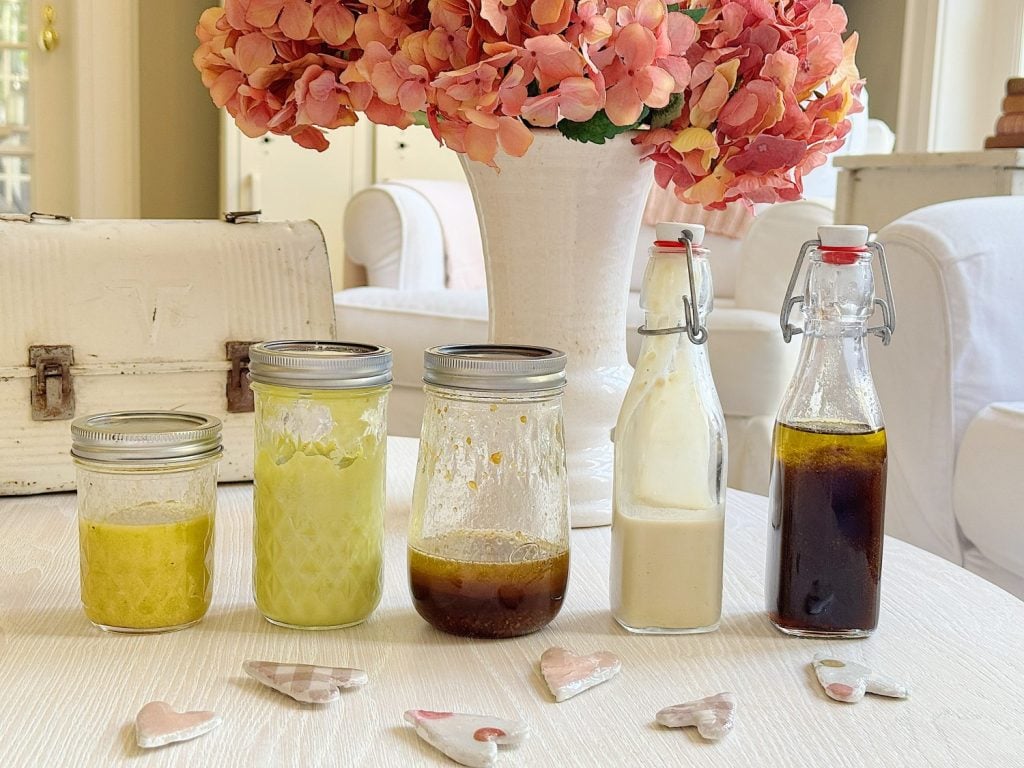
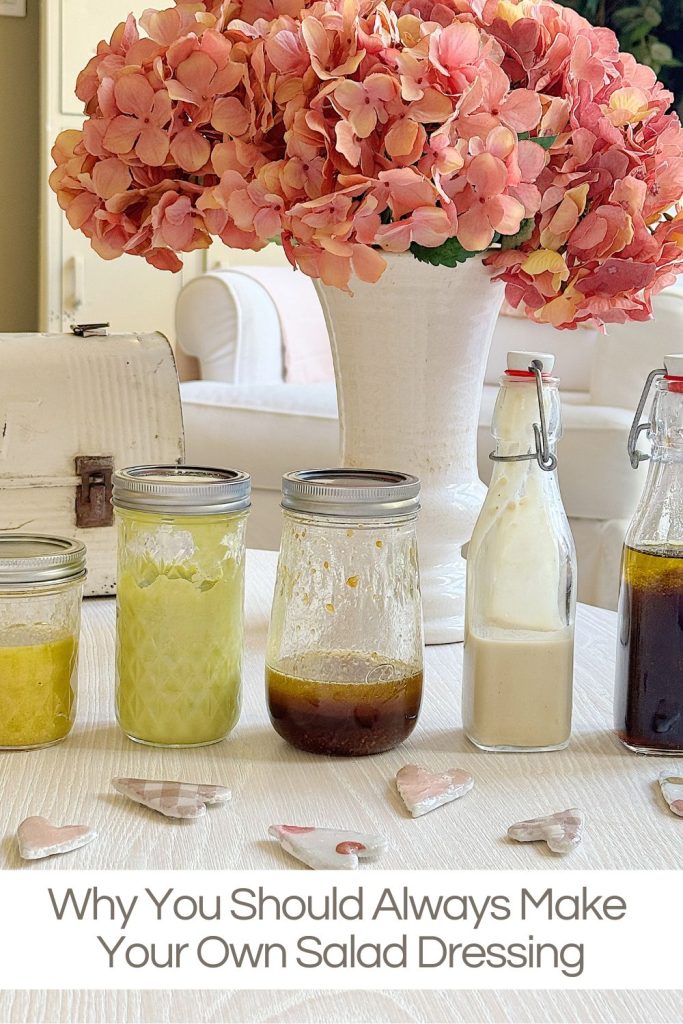
These are my five favorite homemade salad dressings: Classic Lemon Vinaigrette, Creamy Avocado Lime Dressing, Sesame Ginger Dressing, Creamy Tahini Dressing, and Balsamic Honey Mustard Dressing.
Did I mention they are all dairy-free?
On this blog, I may sometimes use affiliate links, which means I earn a small commission if you purchase through them. The price will be the same whether you use the affiliate link or go directly to the vendor’s website using a non-affiliate link
Why Make Your Own Salad Dressing?
It’s Simple and Quick
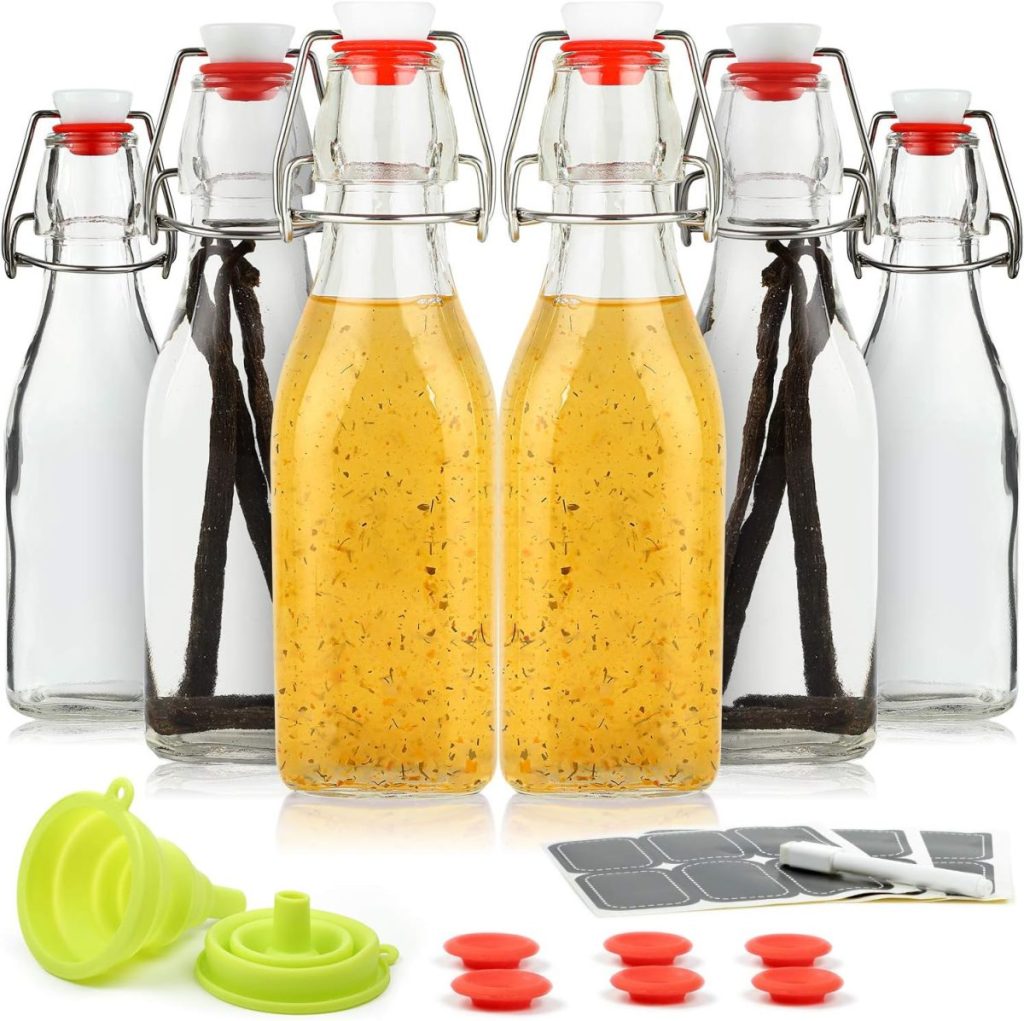
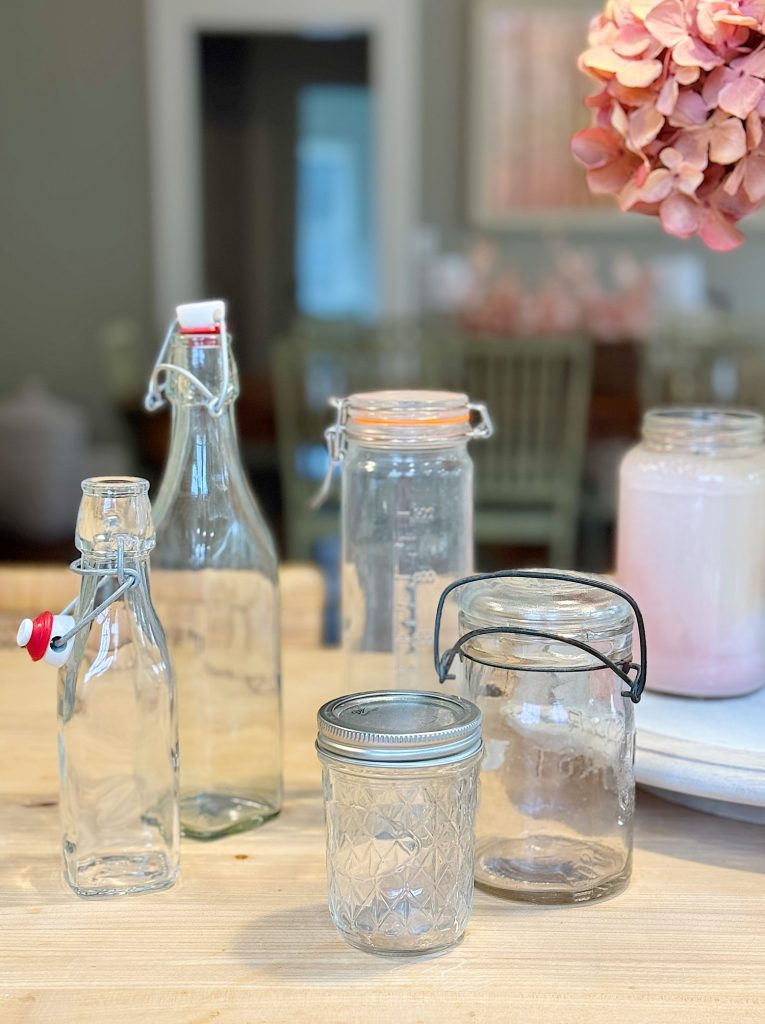
Making salad dressing at home is as easy as combining a few ingredients in a jar or whisking them together in a bowl. Most recipes take less than five minutes, and you can whip up just the right amount for your meal, reducing waste.
You Control the Ingredients
One of the biggest benefits of homemade dressing is knowing exactly what goes into it. You can avoid artificial flavors, preservatives, and unhealthy additives while customizing the taste to suit your preferences. Would you prefer less salt? Add a pinch. Love garlic? Toss in an extra clove. The possibilities are endless.
It’s Healthier
Many store-bought dressings are loaded with sugar, unhealthy fats, and sodium. Making your own is a much healthier alternative, and you can use high-quality oils, fresh herbs, and natural sweeteners.
It’s Budget-Friendly
Buying a bottle of quality salad dressing can cost anywhere from $5 to $10, and many of the ingredients in that bottle are items you likely already have at home. Making your own saves money and ensures you’re not paying for fillers.
It’s Customizable
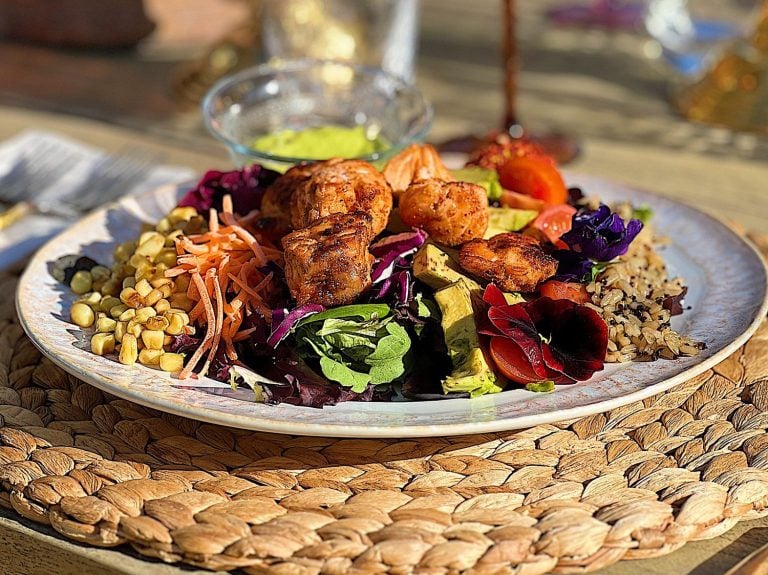
Homemade dressings allow you to experiment with flavors and textures. Want a creamy dressing but don’t consume dairy? Use tahini or avocado as a base. Craving something tangy? Add a splash of lemon or vinegar. The flexibility makes it easy to elevate your salads to restaurant quality.
Easy and Delicious Salad Dressing Recipes
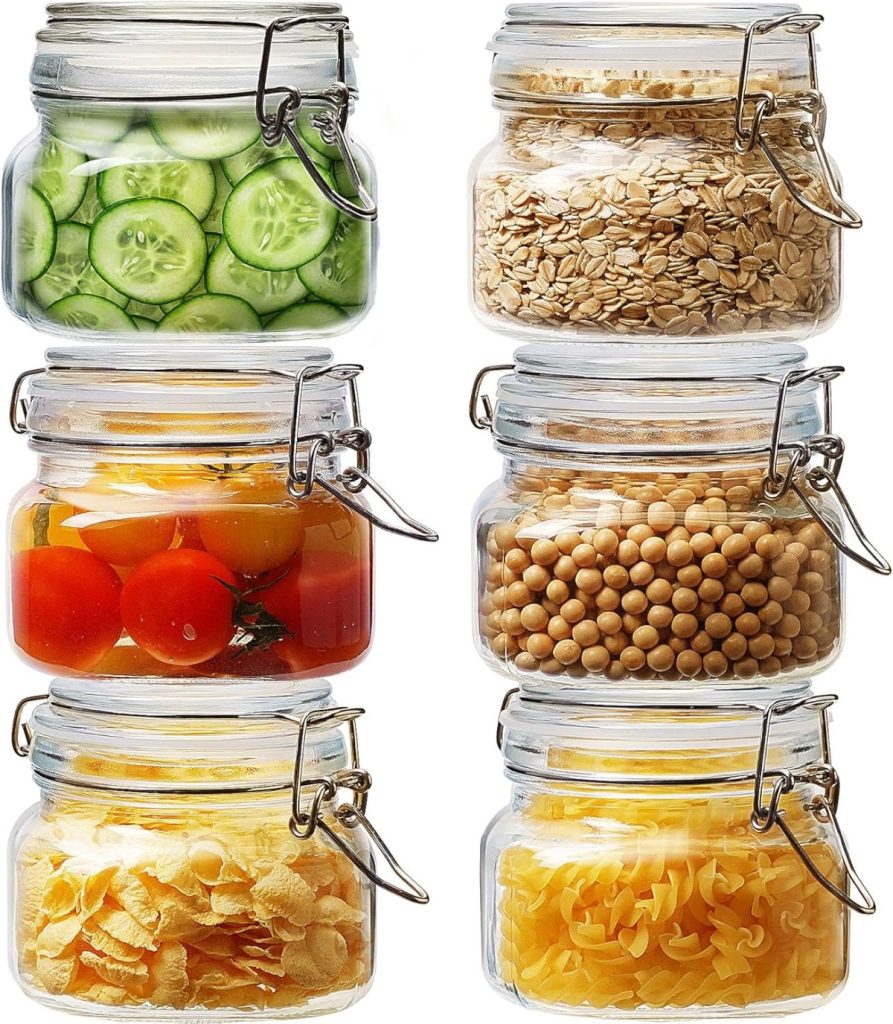
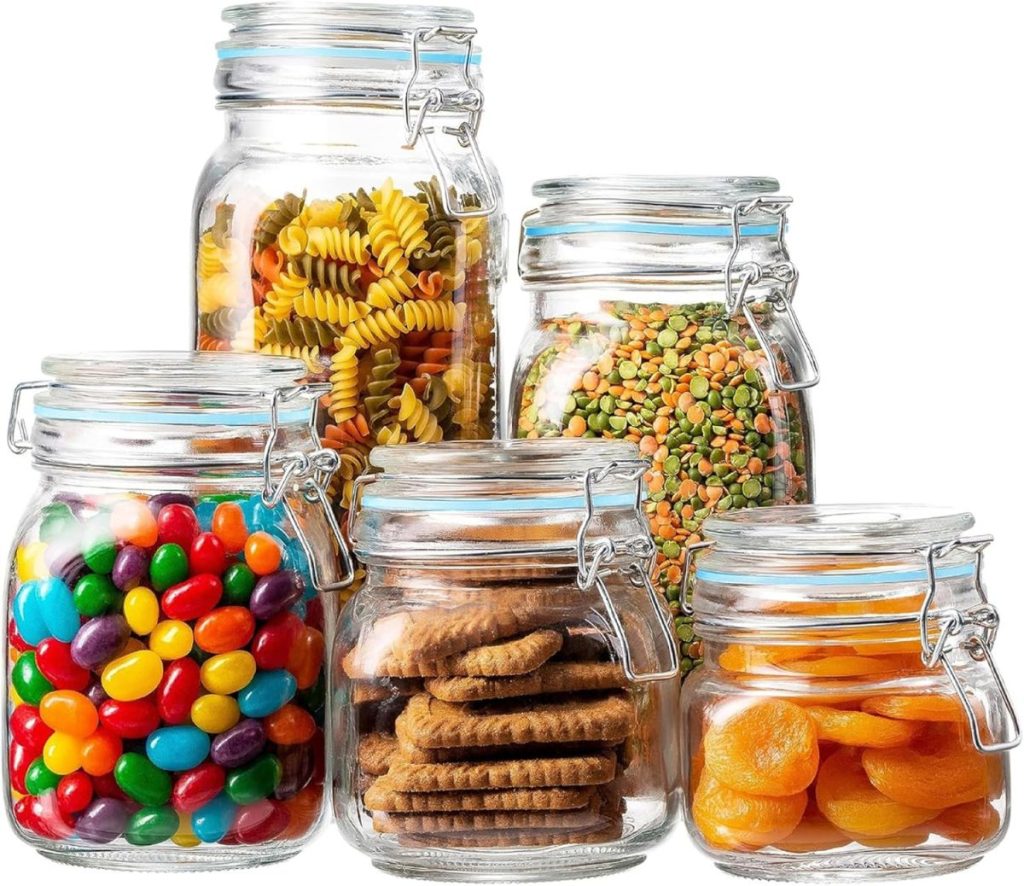
Here are five simple salad dressing recipes you can whip up quickly. Each recipe makes about 1 cup, which is enough for several salads. Store any leftovers in a sealed jar in the refrigerator for up to a week.
1. Classic Lemon Vinaigrette
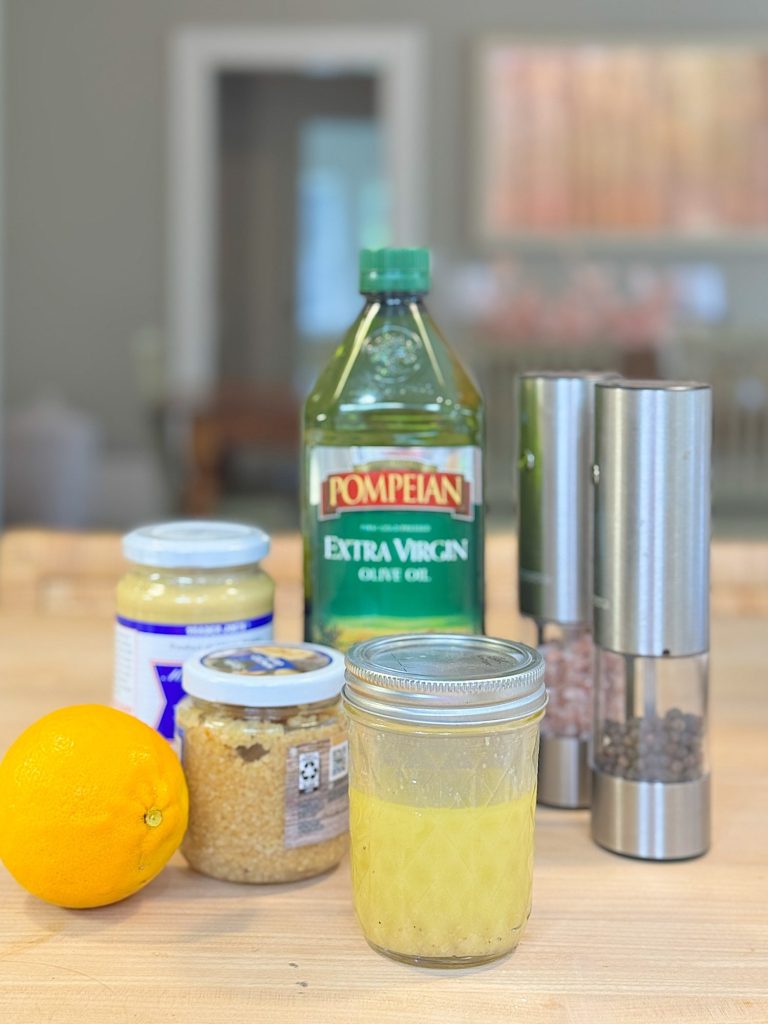
This zesty vinaigrette is light, refreshing, and perfect for green salads or roasted vegetables.
Ingredients:
- ½ cup extra virgin olive oil
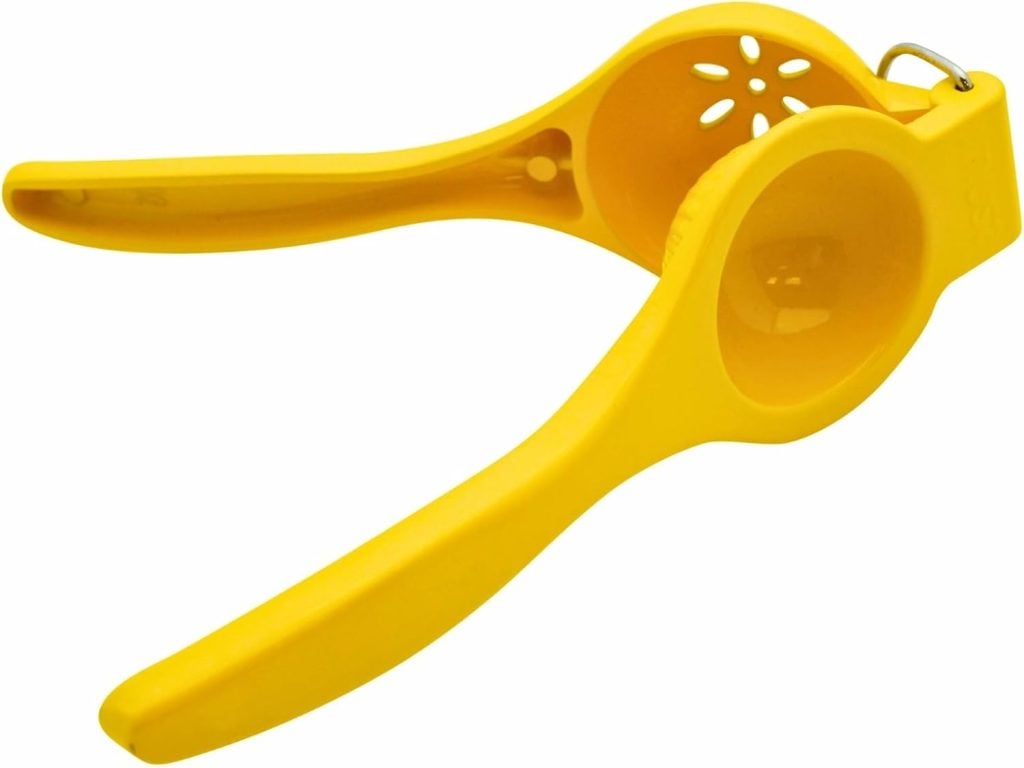
- 3 tablespoons fresh lemon juice
- 1 teaspoon Dijon mustard
- 1 clove garlic, minced
- ½ teaspoon salt
- ¼ teaspoon black pepper
Instructions:
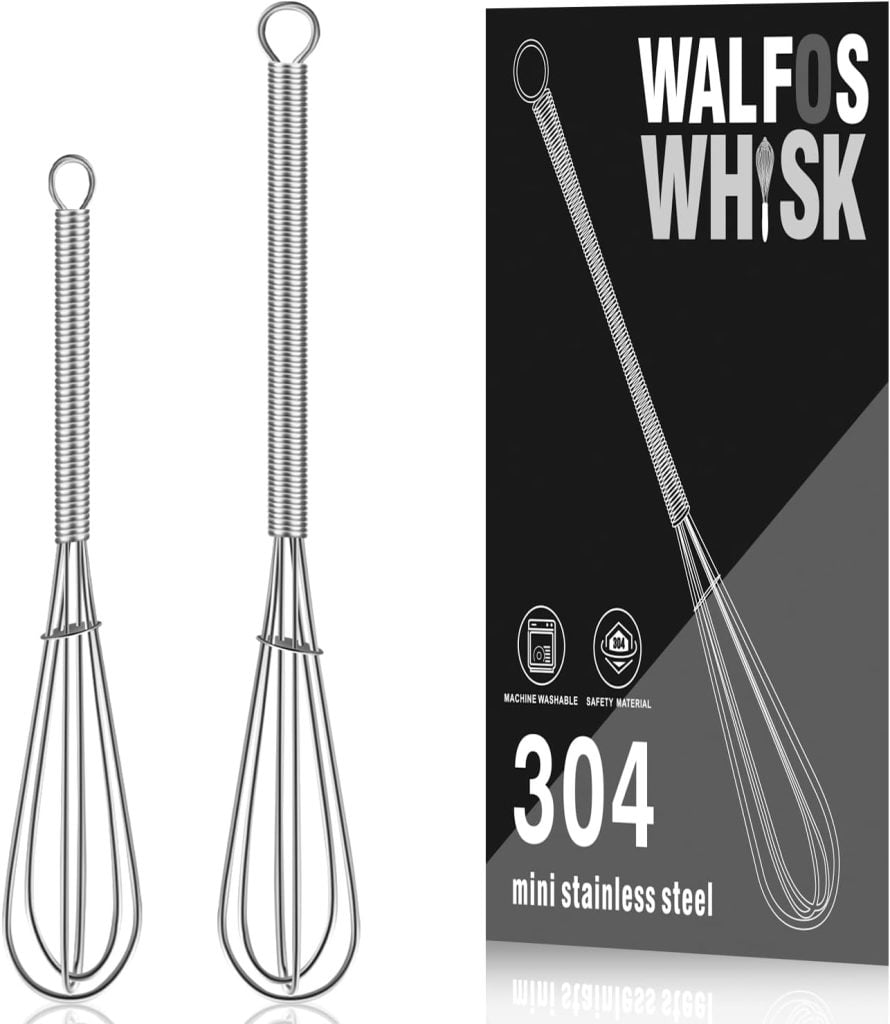
- In a small bowl or jar, whisk together lemon juice, Dijon mustard, garlic, salt, and pepper.
- Slowly drizzle in olive oil while whisking, or shake all ingredients together in a jar until emulsified.
2. Balsamic Honey Mustard Dressing
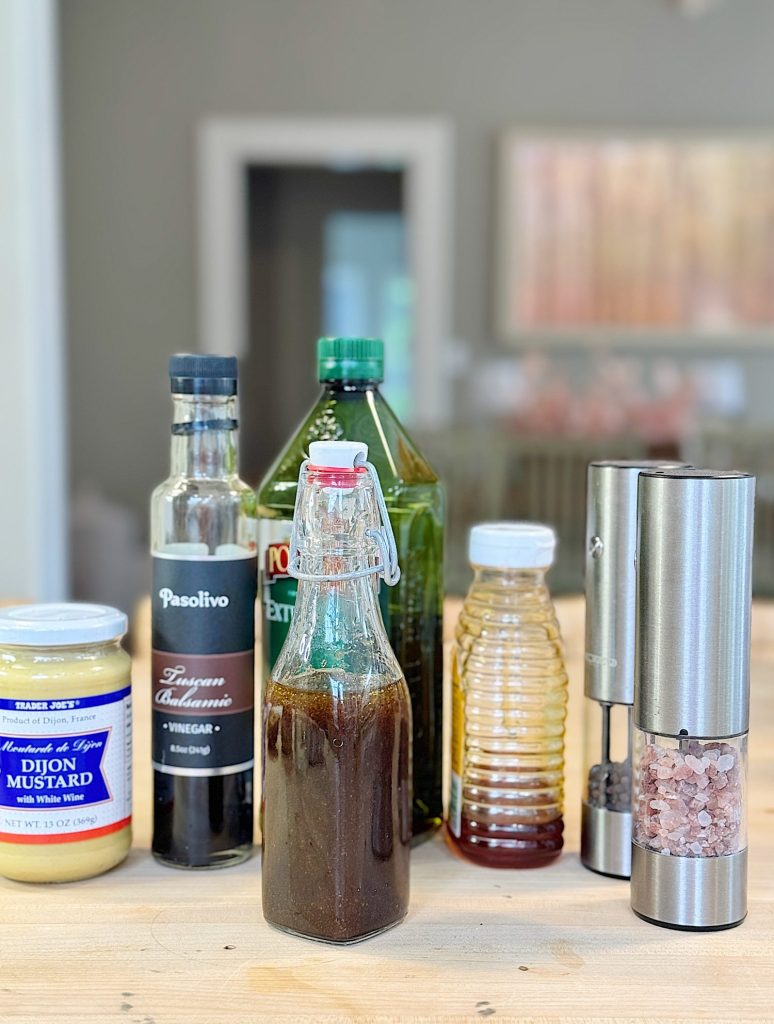
This sweet and tangy dressing pairs beautifully with mixed greens, goat cheese, and walnuts.
Ingredients:
- ½ cup balsamic vinegar
- 2 tablespoons honey
- 1 tablespoon Dijon mustard
- ½ cup olive oil
- Salt and pepper to taste
Instructions:
- Combine balsamic vinegar, honey, and Dijon mustard in a bowl.
- Slowly add olive oil while whisking until well combined. Season with salt and pepper.

3. Creamy Avocado Lime Dressing
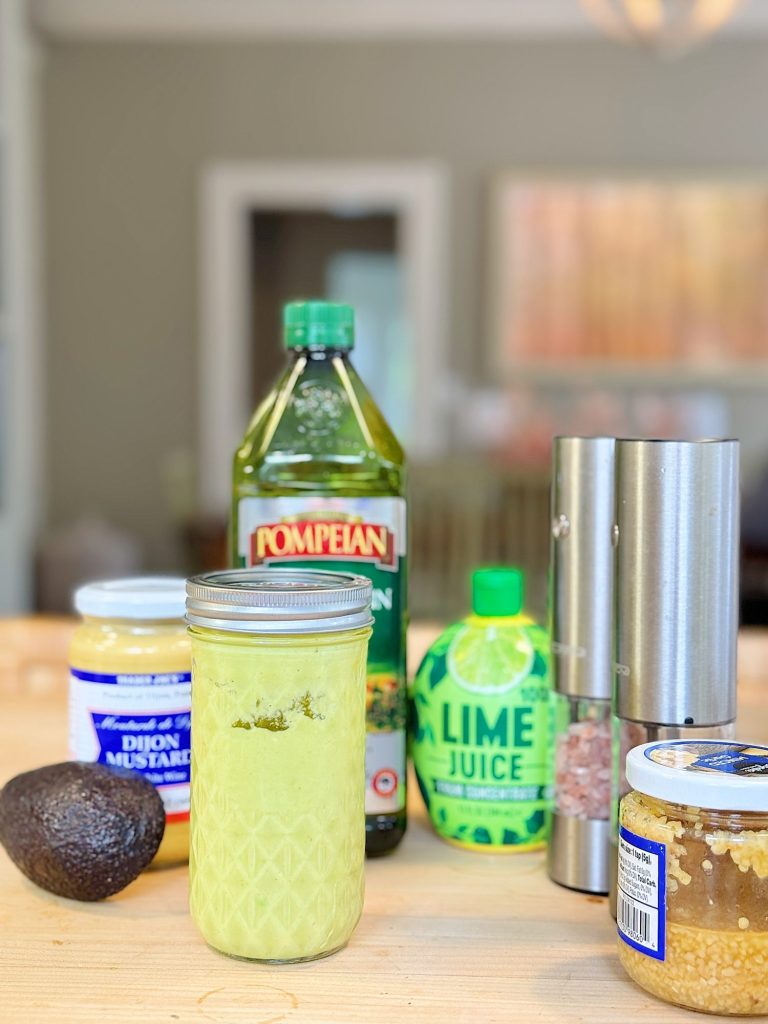
This creamy, dairy-free dressing is rich and satisfying, perfect for taco salads or grain bowls.
Ingredients:
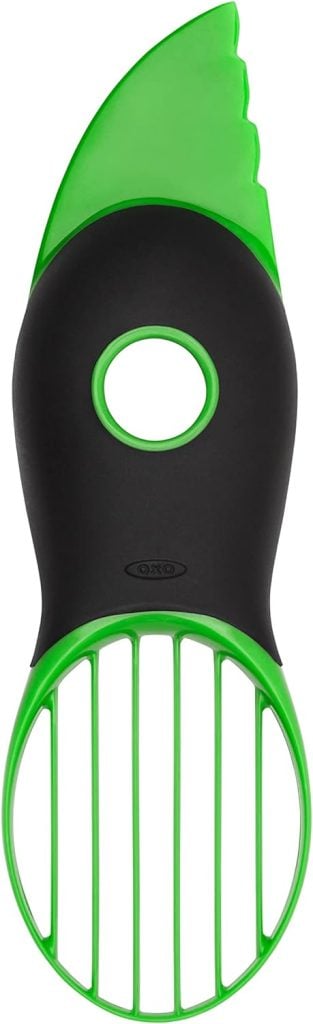
- 1 ripe avocado
- ¼ cup lime juice
- 2 tablespoons olive oil
- 1 clove garlic, minced
- ¼ cup water (or more for desired consistency)
- ½ teaspoon cumin
- Salt and pepper to taste
Instructions:
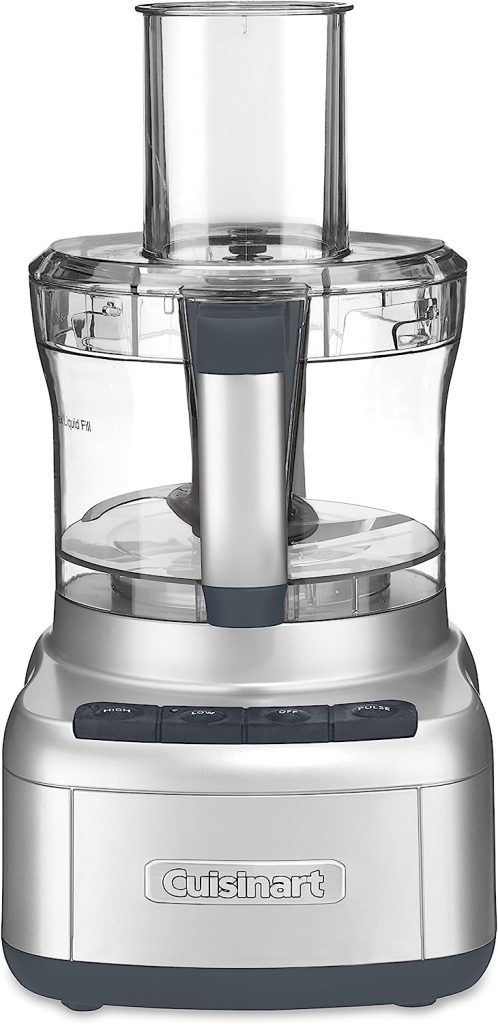
- Scoop the avocado into a blender or food processor.
- Add lime juice, olive oil, garlic, water, cumin, salt, and pepper. Blend until smooth.
4. Sesame Ginger Dressing
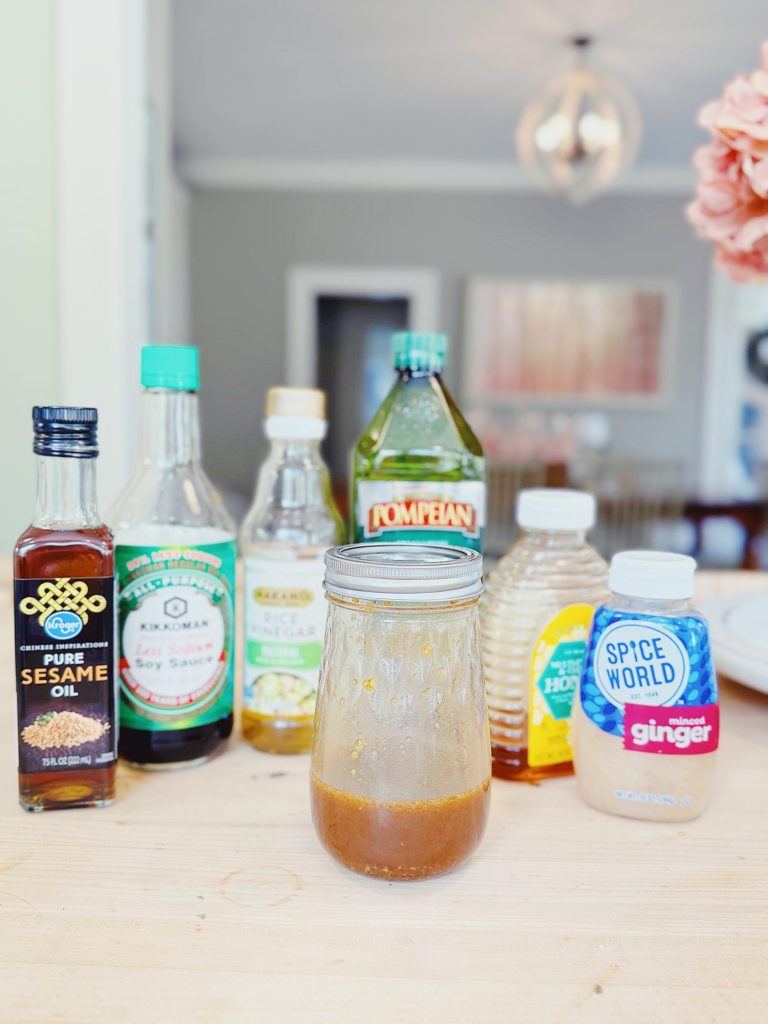
This flavorful sesame ginger dressing brings a taste of Asia to your salads. It’s great on spinach or cabbage slaw. And it is the best Sesame Ginger dressing I have ever tasted!
Ingredients:
- ¼ cup soy sauce (or tamari for gluten-free)
- 2 tablespoons rice vinegar
- 1 tablespoon sesame oil
- 1 tablespoon honey or maple syrup
- 1 teaspoon grated fresh ginger
- 1 clove garlic, minced
- ¼ cup olive oil
Instructions:
- Combine soy sauce, rice vinegar, sesame oil, honey, ginger, and garlic in a bowl.
- Whisk in olive oil until well blended. Adjust seasoning to taste.
5. Creamy Tahini Dressing
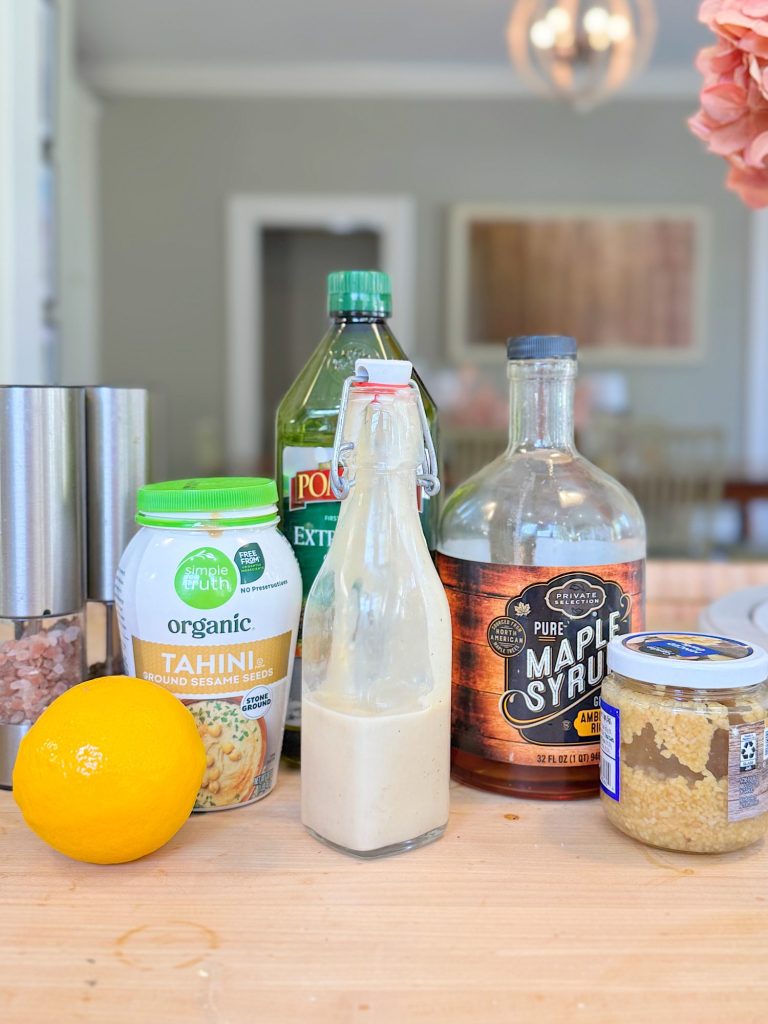
This versatile dressing is nutty and tangy, perfect for hearty salads with kale or roasted vegetables. Don’t be fooled by the Tahini. I am obsessed with this dressing, and I can eat it with everything! It’s also a great dairy-free creamy dressing alternative.
Ingredients:
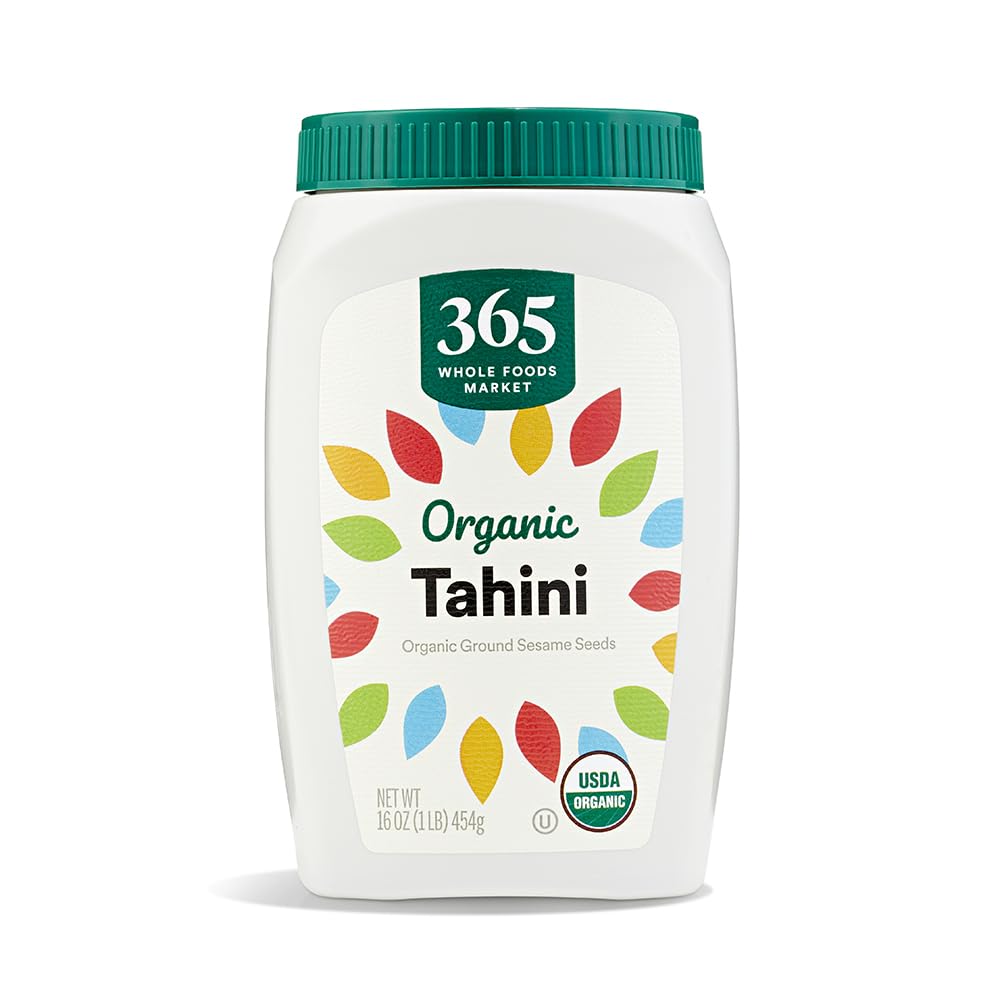
- 3 tablespoons tahini
- 2 tablespoons lemon juice
- 1 tablespoon olive oil
- 1 teaspoon maple syrup
- 2–3 tablespoons water (to thin)
- 1 clove garlic, minced
- Salt and pepper to taste
Instructions:
- In a bowl, whisk together tahini, lemon juice, olive oil, maple syrup, and garlic.
- Add water, one tablespoon at a time, until you reach your desired consistency. Season with salt and pepper.
Tips for Perfect Salad Dressings
- Use High-Quality Ingredients: The quality of your oil, vinegar, and other ingredients makes a big difference in flavor. Opt for extra virgin olive oil, fresh citrus, and good-quality vinegar.
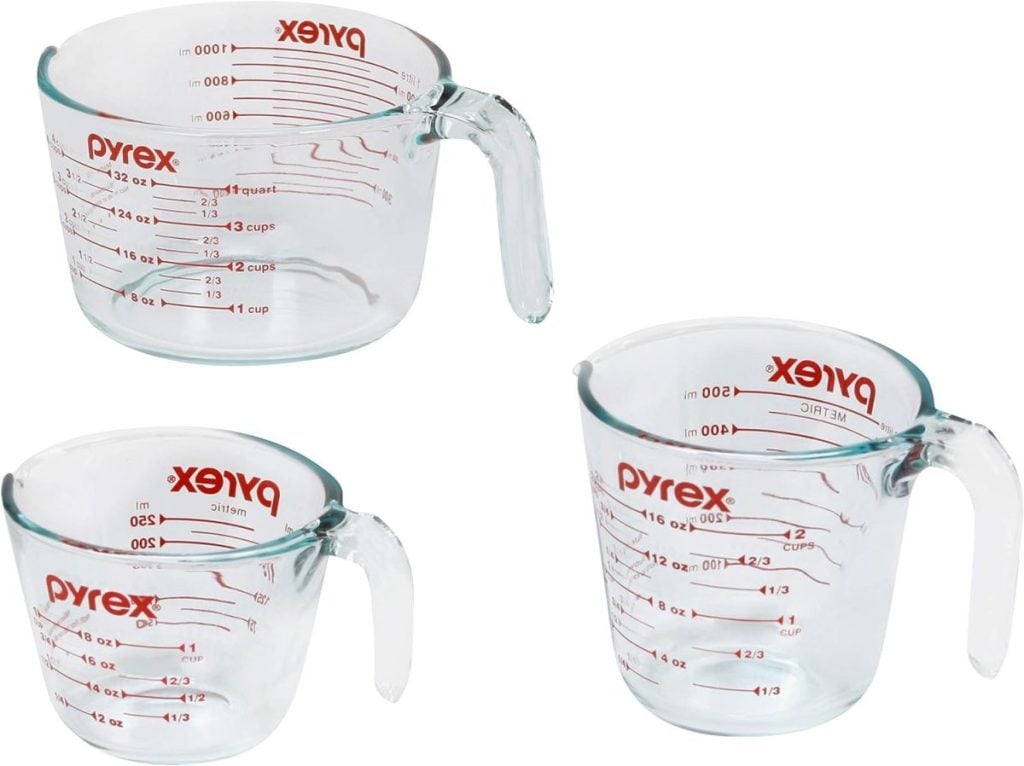
- Emulsify for Consistency: To get a creamy, well-blended dressing, whisk your ingredients thoroughly or use a small blender or immersion blender. I always do this right before serving.
- Taste and Adjust: Always taste your dressing before serving. Adjust the acidity, sweetness, or seasoning to suit your preferences.
- Experiment with Add-Ins: Fresh herbs, spices, grated cheese, or a splash of fruit juice can add unique flavors to your dressings.
- Make It Ahead: Many dressings taste even better after sitting for a few hours, as the flavors meld together. Prepare your dressing in advance for the best results.
How Long Does Homemade Salad Dressing Last?
Most homemade dressings can be stored in an airtight jar in the refrigerator for up to a week. Oil-based dressings may solidify when chilled; let them come to room temperature and shake them before use. Creamy dressings with fresh ingredients like avocado or yogurt should be used within a few days.
In a nutshell, don’t make a ton of salad dressing. Make enough for one or two salads, and prepare a new dressing next time.
Transform Your Salads
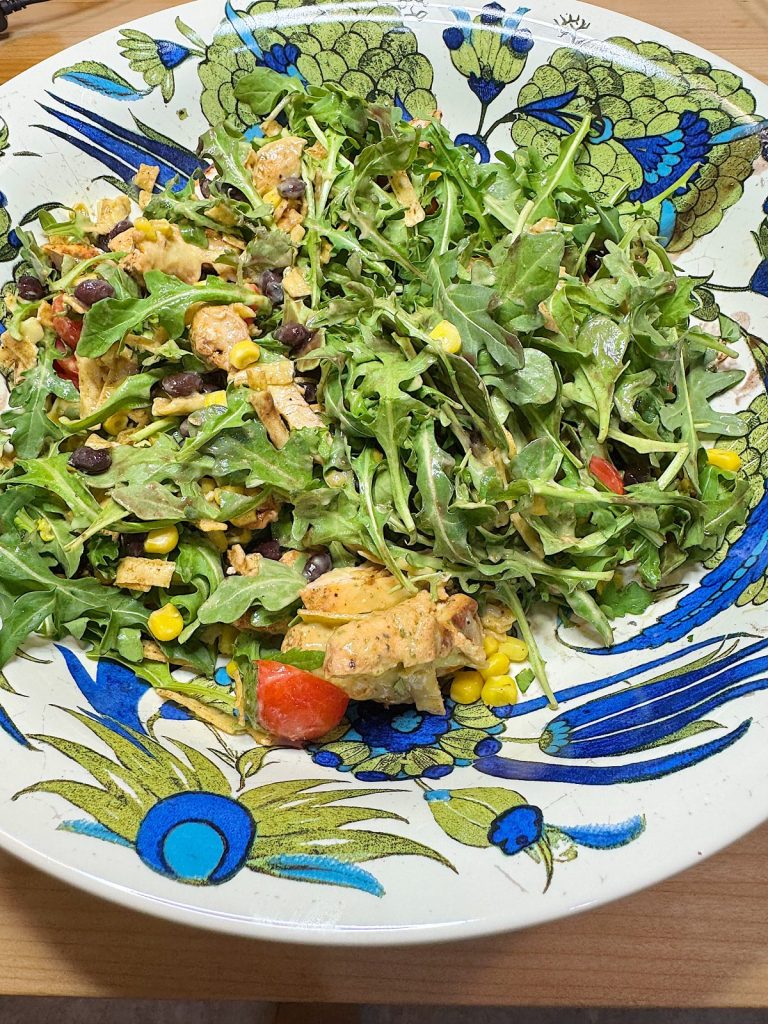
Once you start making your salad dressings, you’ll wonder why you ever bought them. Homemade dressings elevate your salads, giving you complete control over the flavors and ingredients while keeping your meals healthier and more affordable.
Whether dressing up a simple green salad or adding a final touch to a grain bowl, these recipes are easy, delicious, and customizable. So grab your whisk, mix up a batch of your favorite dressing, and enjoy the satisfaction of homemade goodness! Let me know which recipe you try first—I’d love to hear your thoughts.
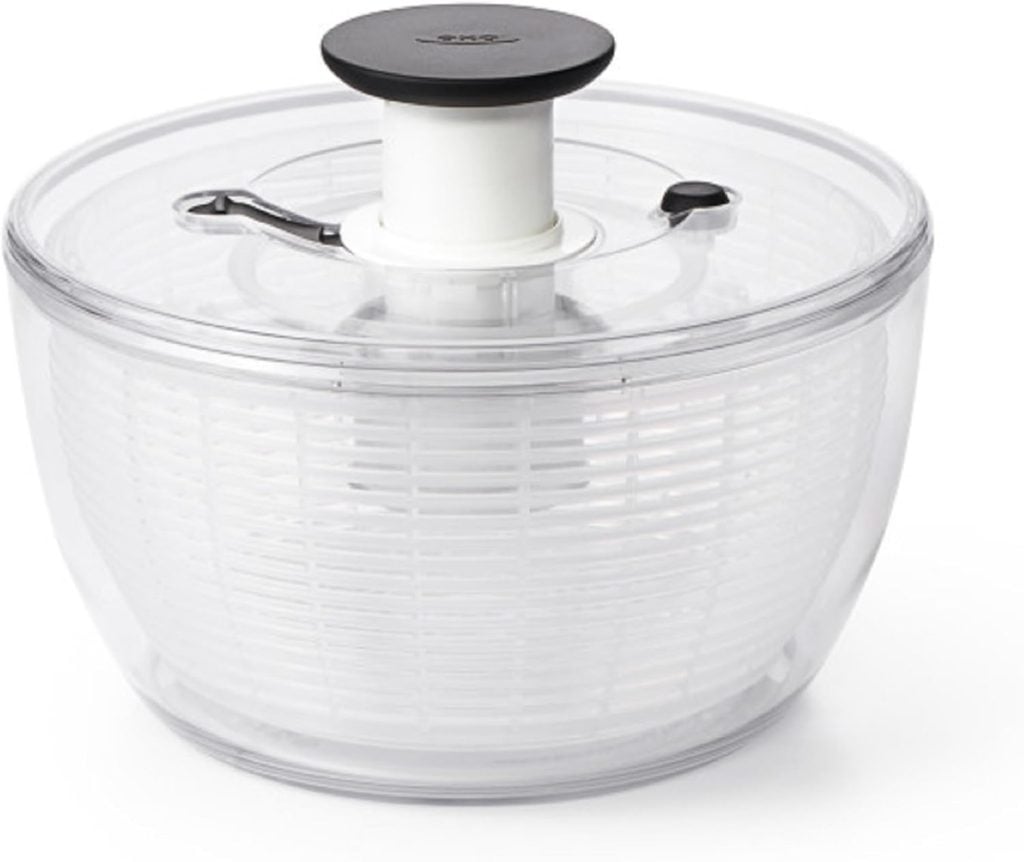
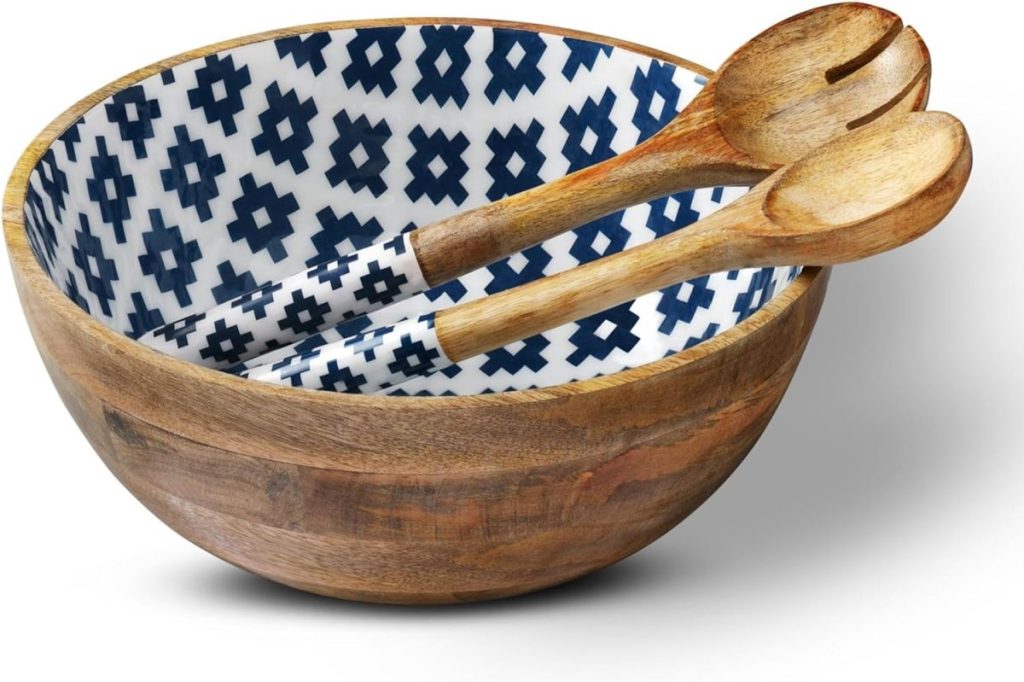
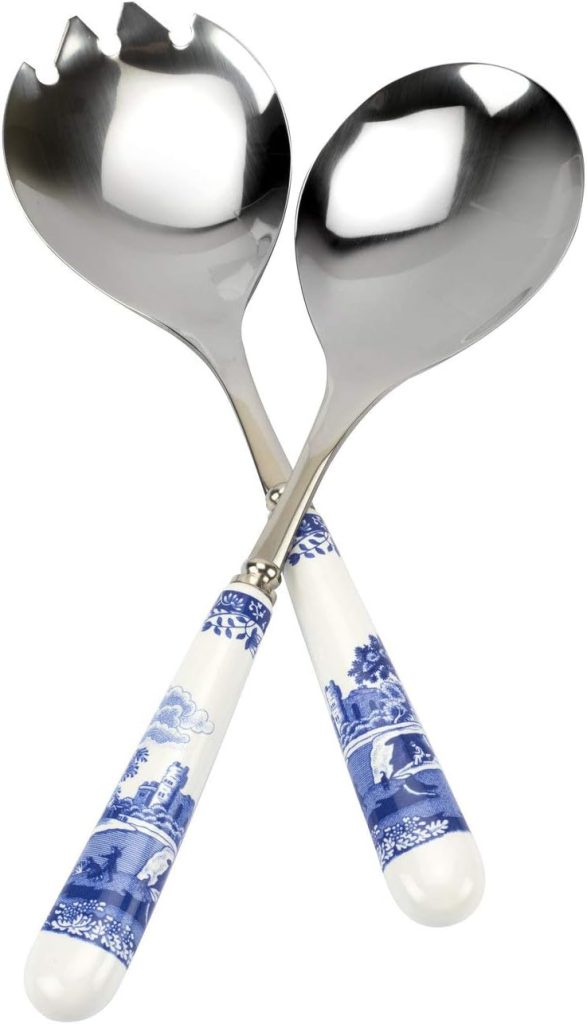
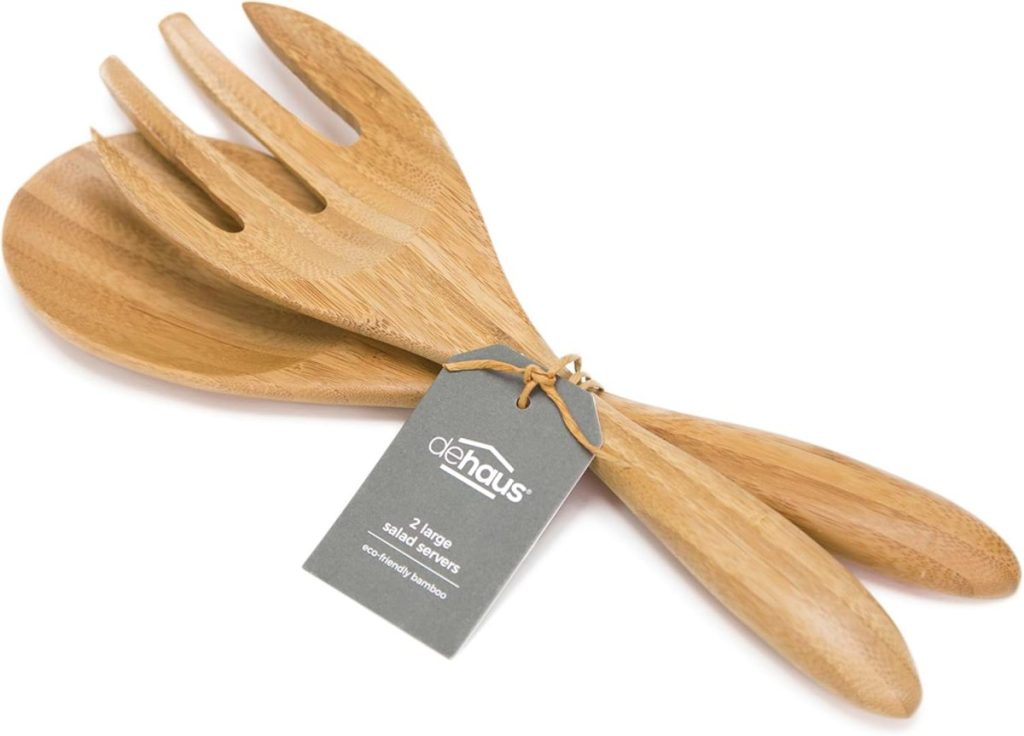
Kitchen Favorites
Latest Posts
-
Best Easter Brunch Egg Dish: Loaded French Onion Frittata
Easter brunch is one of those special meals where the table is complete, the laughter is loud, and the food is nothing short of spectacular. If you want to wow your guests with something savory, cheesy, and unforgettable, let me introduce you to your new Easter brunch hero: a Loaded French Onion Frittata.
-
The Best Spring Pillow DIY – A Handmade Spring
There are certain projects that start as an idea and quietly turn into something you love far more than you expected, and this Spring pillow is exactly that. As part of my A Handmade Spring series, I wanted to create something soft, beautiful, and full of texture, and this pillow checked every box. This pillow…
-
DIY Clay and Metallic Foil Easter Eggs
With Easter just around the corner this week, I decided to create something special and truly unique for my spring décor … handmade clay and metallic foil Easter eggs. These little works of art are soft, pastel, and subtly shimmery, and they’re a beautiful way to add a handmade touch to your Easter celebrations. While…
-
The Amazon Big Spring Sale is Here!
The Amazon Big Spring Sale is here! It runs from March 25th (today) through March 31st, and here are some of the best Amazon Deals ever! There are millions of deals available, and today I will help you find the best ones for everything you need. Now is the perfect time to shop for Spring.



My Recent Instagram Posts

You can pin the image below to your boards on Pinterest (click the Pin button in the top left corner) or follow me on Pinterest!
For more real-time updates, follow me on Instagram @My100YearOldHome







These sound great! One tip I’ve used for years is to let salt (or sugar, if using) dissolve in the vinegar (or citrus juice) before adding any oil. That allows for better flavor since it won’t dissolve in oil.
Making your own salad dressing is a simple way to improve both the taste and healthiness of your meals. By preparing it at home, you have full control over the ingredients, which allows you to avoid excessive sugar, salt, and preservatives commonly found in store-bought dressings. Homemade dressings also taste fresher and more flavorful, and you can easily customize them to suit your preferences—whether you like them tangier, sweeter, or spicier. Additionally, making your own dressing is often more cost-effective, and it ensures freshness, preserving the natural flavors and nutrients of the ingredients. Finally, you can tailor your dressings to fit specific dietary needs, such as low-fat, vegan, or gluten-free options.